


 Esikatselu
 Jaa teos
 Jaa
Jaa
 Tiedot
 Opas
Opas

 Lataa kuva
 Samanlaisia kohteita
 Röntgenkuvaus
 Diaesitys
 Q&A
Q&A Tilastot
The Lovers

- 163.0 x 337.0 cm


 Lue lisää
Giclée- ja taideprintit
Museolaatuisia giclée- tai kankaitaulun tulosteita nopealla tuotannolla ja joustavilla viimeistelyvaihtoehdoilla. ( Osta käsinmaalattu taideteos Siirry digitaaliseen kuvaan)




P118B €10

P118H €10

P118W €10

P438Z €10

P508JH €12

P508YH €12

P805H €10

P805Z €10

P919BZ €10

P919G €10

P919XJ €10

P959ZH €10

P968JZ €12

W106C €8

W218G €10

W218JH €8

W218Y €10

W307PJ €10

W316G €10

W316PJ €8

W316Y €10

W398PJ €8

W4111J €10

W500HY €15

W500JH €15

W692G €12

W849H €8

W940BG €15

W953PJ €8




Valitse valmiista mitoistamme sellaiset, jotka vastaavat teoksen alkuperäisiä mittasuhteita.

Syötä tarvitsemasi leveys ja korkeus, jotta tuloste sopii kehyksiisi tai seinällesi. Tulostetta voidaan vain leikata, sitä ei voida koskaan suurentaa alkuperäistä kuvaa suuremmaksi, joten eri muotoinen koko aiheuttaa osan kuvasta katoamisen. Lähetämme sinulle digitaalisen mallikuvan hyväksyttäväksi ennen kuin aloitamme tulostuksen. Tällä sivulla näkyvä kuva ei näytä lopullista rajausta — vain mallikuva näyttää sen.
Maailmanlaajuinen toimitus () 2 viikossa tavallisen 4–5 viikon sijaan. (2 marraskuu)

Ilmainen pikatoimitus ympäri maailman

Korkealaatuinen pellavakangas

Kattava kuljetusvakuutus

Tulliveron palautustakuu

Takuu täydellisestä värien vastaavuudesta

100 päivän palautusoikeus (vain valmistusvirheet)

100% rahat takaisin -takuu

Määräalennus tarjolla
 Lasivaihtoehto on saatavilla vain alle 110 cm kokoisille teoksille

The Lovers
Giclée- ja taideprintit
Replikaatin koko
-


Kokonaishinta
€ 57
The Lovers – A Renaissance Embrace
Giulio Romano’s “The Lovers,” painted around 1525, isn't merely a depiction of intimacy; it’s a meticulously crafted tableau brimming with symbolism and echoing the complex currents of the High Renaissance. Born Giulio Pippi in Rome around 1499, Romano swiftly ascended through the ranks of Raphael’s studio, absorbing the master’s classical ideals while simultaneously forging his own distinctive Mannerist style – a style characterized by heightened emotion, distorted forms, and an exploration of psychological depth. This particular painting, now housed within the hallowed halls of the Hermitage Museum in St. Petersburg, offers a rare glimpse into Romano's artistic vision and his profound understanding of human desire and its attendant anxieties.
The scene unfolds within a lavishly appointed chamber, bathed in an opulent yet subtly shadowed light. At the heart of the composition lie two figures entwined in a passionate embrace – a couple lost in a moment of intense connection. However, Romano deliberately subverts traditional representations of love, imbuing the image with layers of ambiguity and intrigue. The figures themselves are rendered with a cool detachment, almost sculptural in their stillness, reflecting the influence of ancient Greek sculpture. Their skin possesses an unnerving pallor, hinting at a sense of timelessness and perhaps even a touch of melancholy – a departure from the vibrant flesh tones favored by earlier Renaissance masters.
A Dance of Symbolism
The painting’s power resides not just in its sensual depiction but also in the intricate web of symbols woven throughout. Observe, for instance, the carefully positioned slippers resting on the floor – a deliberate disruption of the scene's harmony. They represent a marital bond, yet their placement suggests an absence, a separation that underscores the precariousness of love and the potential for betrayal. The cat curled at the feet of the lady in waiting is a potent symbol of illicit desire, while the loyal dog beside her speaks to the constraints of societal expectations and the enduring nature of fidelity. The keys held by the woman signify children – a responsibility that further complicates the lovers’ situation.
Beyond these immediate details, Romano draws heavily from classical mythology. The arrangement of objects—the bed, the drapery, the architectural elements—echoes the forms found in Roman sarcophagi and tomb decorations. This deliberate allusion to antiquity elevates the scene beyond a simple portrayal of love; it transforms it into an allegory of eternal themes – desire, loss, and the passage of time. The archangel Raphael, positioned above the couple, serves as a silent witness, embodying divine judgment and perhaps hinting at the consequences of their actions.
Technique and Context
Executed in oil on panel, “The Lovers” showcases Romano’s mastery of illusionistic painting – a hallmark of Mannerism. He employs techniques such as *trompe-l'oeil* to create the impression of depth and realism, blurring the boundaries between painted surface and perceived reality. The meticulous detail evident in the rendering of fabrics, textures, and architectural elements speaks to Romano’s exceptional technical skill. It is believed that this painting was commissioned for Federico II Gonzaga, Duke of Mantua, a discerning patron who appreciated both beauty and intellectual complexity.
Interestingly, “The Lovers” emerged during a period of immense upheaval in Italy – the Sack of Rome in 1527 marked a turning point in the Renaissance, disrupting artistic patronage and scattering artists across Europe. Romano’s relocation to Mantua provided him with a new creative environment and allowed him to develop his unique style largely free from the constraints of papal influence. The painting stands as a testament to his resilience and adaptability, showcasing a profound shift away from the idealized beauty of the High Renaissance towards a more emotionally charged and psychologically nuanced aesthetic.
A Timeless Masterpiece
“The Lovers” is more than just a beautiful painting; it’s a complex meditation on love, desire, and the human condition. Its enduring appeal lies in its ability to evoke a wide range of emotions – from passionate longing to quiet melancholy. Reproductions of this iconic work offer an opportunity to bring this captivating scene into any space, inviting contemplation and sparking conversation about the timeless themes it explores. It remains a powerful reminder of Romano’s genius and his lasting contribution to the history of art.
Kysymykset ja vastaukset
Mitkä värit ja mikä hallitseva sävy määrittelevät teoksen "The Lovers"?
"The Lovers"-teokselle ominainen Earthy väripaletti saa pääroolin Walnut (#624e27)-värin johdolla.
Onko Giulio Romano:n "The Lovers" vaalea vai tumma teos?
Teoksen Giulio Romano:n "The Lovers" mitatut arvot ovat: kirkkaus deep_shadow, luminanssi Dark.
Voinko tutkia teosta "The Lovers" yksityiskohtaisemmin?
Giulio Romano:n "The Lovers" -teoksen Röntgentutkimus -sivu on interaktiivinen katseluohjelma, jonka avulla voit selata teoksen kuvaa yhdennellätoista optisella kerroksella, mukaan lukien röntgenkuvamainen näkymä.
Samankaltaisia teoksia


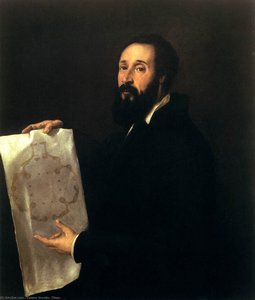


Taiteilijan elämäkerta
A Roman Beginning and Apprenticeship Under a Master
Giulio Romano, syntynyt Giulio Pippi noin vuonna 1499 Romassa, nousi esiin aikakaudella, jolla oli valtava taiteellinen vilinä. Hänen varhaisesta elämästään on edelleen melkoista hämärää tietoa, mutta tiedetään, että hän astui nopeasti Rafaelin, todennäköisesti renessanssin ajan kuuluisimman maalarin, piiriin. Tämä harjoitus oli ratkaiseva, muotoillen paitsi hänen teknisiä taitojaan myös asettaen pohjan hänen tuleville tyylillisten tutkimuksilleen. Hän ei ollut vain Rafaelin studion avustaja; Giulio nousi nopeasti korvaamattomaksi yhteistyökumppaniksi, osallistuen merkittäviin projekteihin kuten Vatikaanin Stanzen koristeluun – ne upeat huoneet, jotka oli rakennettu Paavin Julius II:n ja Leo X:n komennuksella. Hänen kätensä on tunnistettavissa monumentaalisessa freskossa *The Fire in the Borgo*, jossa hän auttoi Rafaelia kuvaamaan dramaattista kohtaa ihmeellisen väliintulon esittämisestä. Rafaelin yllättävä kuolema vuonna 1520 jätti Giulioille vastuun monien epätäydensyntyisten tilojen valmistelusta, mukaan lukien kuninkaan Giuliano de’ Medicin kunnianhimoinen koristelu Villa Madamassa. Tämä varhainen altistuminen suurikokoisiin projekteihin ja aristokraattisen suojelun vaatimuksille sisällytti häneen luottamuksen ja kunnianhimon, jotka määrittelivät hänen myöhempää uraansa.The Birth of Mannerism: A Departure from Classical Harmony
Vaikka Giulio Romano oli syvällä renessanssin perinteissä, hänen taiteellinen polkunsa poikkesi pian vallitsevasta painotuksesta klassiseen tasapainoon ja harmoniaan. Hänestä tuli avainhenkilö manerismin kehityksessä – tyylissä, joka oli tunnettu sen keinotekoisuudestaan, eleganssistaan ja usein häiritsevästä muodostuksen vääristymisestä. Vahvasti vaikutteena saaneena Michelangelo'n voimakkaista hahmoista ja dynaamisista kompositioista sekä laajemman taiteellisen kokeilun ilmapiiristä Giulio alkoi omaksua epäsymmetriaa, jännitystä ja tunnesyvyyttä työssään. Tämä ei ollut hylkäys renessanssin ihanteista niin paljon kuin harkittu tutkimus niiden rajoissa, ylittäen luonnollisuuden rajoitukset luodakseen teoksia, jotka olivat ilmaisuvoimaisempia ja älyllisesti stimuloivampia. Hän muutti jatkuvasti Rafaelin suunnitelmiaan, tuoden uudenlaisen aistimuksen italialaiseen taiteeseen – manerismin ilmaisun suurella mittakaavalla. Tämä on selvästi nähtävissä hänen piirustuksissaan, jotka osoittavat huomattavan vapauden linjassa ja intohimon dramaattisiin perspektiiveihin.Mantuan Mestari: Palazzo Te ja Arkkitehtoninen Innovaatio
Vuonna 1524 Giulio hyväksyi Federico Gonzaga, Mantovan herttuan kutsun toimia kuninkaallisen taidemaalarina ja arkkitehtinä. Tämä merkitsi käännekohta hänen uransa kannalta, tarjoten hänelle ennennäkemätöntä luovuuden vapautta ja resursseja. Hänestä tuli käytännössä vastuussa kaikesta taiteellisesta toiminnasta herttuakunnan sisällä, valvomassa ei vain maalauksia ja freskoja vaan myös arkkitehtonisia projekteja, puutarhatöitä ja jopa näytelmien suunnittelua. Hänen kuuluisin saavutuksensa tässä ajanjaksossa on epäilemättä Palazzo Te, upea esikylän huvila, joka on testamentti hänen innovatiiviselle geniaalisuudelleen. Palatsin sisätilat ovat koristeltu huomiota herättävien psykologisten syvyyksien ja perspektiivin manipuloinnin freskoilla. *Sala dei Giganti* (Jättiläisten huone) esimerkiksi esittää jumalten ja jättiläisten välistä kaoottista taistelua, uppoamalla katsojan pyörteeseen hahmojen ja arkkitehtonisten fragmenttien sekaan. Tämä mestarillinen tila- ja perspektiivin manipulointi luo mukaansatempaavan kokemuksen, joka on sekä henkeäsalpaava että häiritsevä. Palazzo Te:n lisäksi Giulio suoritti merkittäviä kunnostuksia Mantovan herttuan palatsiin ja katedraaliin, jättäen pysyvän jäljen kaupungin kaupunkikuvaan.Legacy and Lasting Influence
Giulio Romano kuoli Mantuassa vuonna 1546, jättäen perinnön, joka ulottui Italian rajojen ulkopuolelle. Hänen piirustuksensa olivat arvostettuja kokoelmien keräilijöille, ja Marcantonio Raimondin hänen teoksiaan pohjautuvat kaiverrukset edistivät merkittävästi italialaisten taiteellisten tyylien leviämistä ympäri Eurooppaa. Hänet tunnettiin niin hyvin kuoleman jälkeen, että hän on ainoa "moderni" taiteilija, joka mainitaan William Shakespearen näytelmässä – todiste hänen laajasta maineestaan. Hänen vaikutuksensa voidaan nähdä monien myöhempien taiteilijoiden töissä, jotka ottivat käyttöön hänen dynaamiset kompositiot, pitkät hahmonsa ja tunteellisen käytön värimaailmassa. Vaikka manerismi lopulta antoi tilaa muille tyylimuodoille, Giulio Romanon panokset ovat olennainen osa länsimaisen taiteen kehityksen ymmärtämistä. Hän edustaa ratkaisevaa hetkeä – siirtymää renessanssin harmonisten ihanteiden ja myöhemmän 1600-luvun monimutkaisemman ja tunteikkaamman estetiikan välillä. *Hänen työnsä vangitsee edelleen katsojan huomion ja haastaa meitä ymmärtämään maailmaa.*
Giulio Romano
1499 - 1546 , Italia
Pähkinänkuoressa
- Artistic Movement Or Style: Mannerismi
- Artists Or Movements Influenced By This Artist: ['Manneristit']
- Artists Who Influenced This Artist:
- Rafael
- Michelangelo
- Date Of Birth: c. 1499
- Date Of Death: 1546
- Full Name: Giulio Romano
- Nationality: Italian
- Notable Artworks:
- Palazzo Te
- Fire in Borgo
- Place Of Birth: Rooma, Italia
Aiheeseen liittyvät artikkelit

Italian Baroque Art: A Procurement Guide to Dramatic Masterpieces for High-End Hotel Interiors
Elevate hospitality interiors with Italian Baroque masterpieces. A professional procurement guide for hotel designers sourcing high-quality Caravaggio-style oil reproductions, multi-panel sets, and custom large-scale art with reliable global logistics and bulk order efficiency.

Italian Renaissance Art: A Procurement Guide to Timeless Masterpieces for High-End Hotel Interiors
A professional procurement guide for hotel designers seeking Italian Renaissance masterpieces. Discover how to utilize chiaroscuro, custom oil reproductions, and large-scale murals to elevate hospitality interiors with timeless, high-impact classical art.
