

Dalila
Acrylic On Canvas.

§ 1Catalogue data

§ 2Abstract
Keräilykohteen kuvaus
Gustave Moreau's 'Dalila' captures a captivating figure within a dreamlike Symbolist scene. Explore the enigmatic beauty and rich symbolism of this iconic painting, a cornerstone of French art history.
 Lue lisää
Taiteilijan elämäkerta
Tutustu Gustave Moreaun lumoavaan symbolistiseen taiteeseen! Uppoudu myyttien, uskonnon ja ihmismielen syövereihin. Vaikutti Matisseen & Rouaultiin. Unohdettuja unelmia!
§ 3Commentary
Gustave Moreau’s “Dalila”: A Dreamscape of Myth and Desire
Gustave Moreau's "Dalila," painted circa 1890, isn't merely a portrait; it’s an immersion into the opulent, shadowed world of Symbolist fantasy. This captivating work, often considered a cornerstone of the movement, transcends simple representation to become a profound meditation on beauty, betrayal, and the potent allure of the femme fatale. Moreau, a key figure in Parisian art circles during the late 19th century, deliberately eschewed the naturalism favored by his contemporaries, instead constructing a meticulously detailed tableau that draws heavily from classical mythology – specifically, the tale of Samson and Delilah – yet feels utterly unique in its emotional resonance.
The painting depicts Dalila, not as a straightforward seductress, but as an enigmatic figure bathed in a hazy, almost dreamlike light. She sits poised on a chair within a richly furnished interior, her long hair cascading around her like liquid darkness. The room itself is a carefully constructed stage: a vase of flowers—likely lilies, symbolic of purity and deception – rests nearby, while potted plants hint at a hidden, untamed wilderness mirroring Dalila’s own complex nature. A glimpse of a bench in the background suggests a space for contemplation, perhaps even regret, adding layers to her enigmatic expression. Moreau's masterful use of color—deep reds, blues, and golds—creates an atmosphere of both sensuality and melancholy, reflecting the tragic narrative at its core.
Symbolism and Mythological Allusion
Moreau’s Symbolist approach is immediately apparent in his deliberate blurring of reality and imagination. He wasn't interested in a literal depiction of Dalila; instead, he sought to evoke her essence through carefully chosen symbols. The setting itself—a luxurious interior juxtaposed with the suggestion of wildness—represents the conflict between domesticity and primal desire. The lilies, traditionally associated with innocence, are subtly corrupted by their placement near Dalila, hinting at the deception she embodies. Crucially, the painting is deeply rooted in the biblical story of Samson and Delilah, where Dalila’s cunning ultimately leads to Samson's downfall. However, Moreau departs from a straightforward narrative, focusing instead on the psychological drama unfolding within the scene – the tension between attraction and destruction, vulnerability and power.
The figure of Dalila herself is rendered with an almost sculptural quality. Her pose, reminiscent of classical statues, imbues her with an air of timeless beauty and tragic dignity. Moreau’s meticulous attention to detail—the folds of her dress, the texture of her hair, the subtle play of light on her skin—creates a sense of palpable presence. He employs a technique known as *contre-jour*, where the figure is partially illuminated from behind, further enhancing her ethereal quality and drawing the viewer’s eye to her face – an expression that simultaneously invites and repels.
Technique and Artistic Influences
Moreau's style is characterized by a rich, layered application of paint—a hallmark of his meticulous process. He built up the image through numerous glazes and scumbles, creating a surface texture that is both luminous and deeply complex. His brushwork is often loose and expressive, particularly in the rendering of fabrics and hair, contributing to the painting’s dreamlike quality. Notably, Moreau was heavily influenced by Italian Renaissance art, particularly the works of Botticelli and Raphael, as well as Byzantine iconography. This influence can be seen in his use of rich color palettes, idealized forms, and a penchant for depicting mythological subjects with an air of solemn grandeur.
Furthermore, Moreau’s work reflects the broader Symbolist movement's fascination with psychology, dreams, and the subconscious. He sought to capture not just what he *saw*, but what he *felt* – the hidden emotions and desires that lie beneath the surface of reality. “Dalila” exemplifies this approach, offering a glimpse into the complex psyche of a woman caught between temptation and despair.
A Timeless Masterpiece for Reproduction
AllPaintingsStore is proud to offer meticulously hand-painted reproductions of Gustave Moreau’s "Dalila," capturing the artist's unique vision with unparalleled detail and fidelity. Whether you are an art collector, interior designer seeking a touch of timeless elegance, or simply an admirer of Symbolist beauty, this reproduction provides a stunning way to experience one of the 19th century’s most captivating works. The rich colors and intricate details will transform any space, while the painting's evocative narrative continues to resonate with viewers today. Explore our high-resolution options and bring the dreamlike world of Gustave Moreau into your home.
Kysymykset ja vastaukset
Onko "Dalila"-teoksen luoja Gustave Moreau tunnettu myös muilla nimillä?
Muita teoksen "Dalila" tekijälle Gustave Moreau rekisteröityjä nimiä ovat Moreau.
Miten voin esikatsella teoksen Gustave Moreau:n "Dalila" reproduktiota?
Voit esikatsella teoksen Gustave Moreau:n "Dalila" reproduktiota avaamalla teoksen Esikatselu tilassa -sivun.
Mitä väripalettia teoksessa Gustave Moreau:n "Dalila" käytetään?
Teoksen "Dalila" värit muodostavat Earthy-väripaletin. Tämä luokitus kuvaa hallitsevia väriperheitä.
§ 4The artist
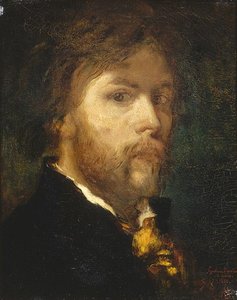
Gustave Moreau
1826 - 1898, Ranska
Pähkinänkuoressa
- Artistic Movement Or Style: Symbolismi
- Artists Or Movements Influenced By This Artist:
- Matisse
- Rouault
- Artists Who Influenced This Artist:
- Delacroix
- Michelangelo
- Da Vinci
- Date Of Birth: 6. huhtikuuta 1826
- Date Of Death: 18. huhtikuuta 1898
- Full Name: Gustave Moreau
- Nationality: Ranskalainen
- Notable Artworks:
- Salome tanssii
- Jupiter ja Semele
- Orfeus
- Place Of Birth: Pariisi, Ranska
Taiteilijan elämäkerta
A Dream Weaver of Symbolism: The Life and Art of Gustave Moreau
Gustave Moreau, nimi joka on synonyymi eteeriselle kauneudelle ja salaperäisille syvyyksille symbolistisessa maalauksessa, nousi 1800-luvun Pariisin yläpuolelle ainutlaatuisena taiteellisenä ääninä. Hän syntyi vuonna 1826 varakkaaseen perheeseen – hänen isänsä arkkitehti ja arkisturi – ja Moreau’n lapsuus oli täynnä älyllistä uteliaisuutta ja esteettistä aistimaisuutta. Jo nuorena hän osoitti huomattavan lahjan piirtämisessä, joka oli hoitoitu perinteisen akateemisen koulutuksen kautta François-Édouard Picotin kaltaisten hahmojen alaisuudessa. Kuitenkin Moreau’n taiteellinen polku poikkesi voimakkaasti hänen aikansa vallitsevista Realistisesta ja Impressionistisesta nyansseista. Hän ei ollut kiinnostunut vangitsemaan hetkellisiä hetkiä tai objektiivista todellisuutta; pikemminkin hän etsi piiloutuneiden alueiden avaamista myytteistä, uskonnosta ja ihmisen psyykeestä syvällisen henkilökohtaisen ja symbolisen visuaalisen kielen kautta. Hänen matkansa oli sisäinen tutkimusmatka, jossa subjektiiviset tunteet ja hengelliset kaipuudet muutettiin maalaukseen tarkkaan huolella yksityiskohtiin ja eläväiseen, usein ylelliseen sävymaailmaan.The Forge of Imagination: Influences and Artistic Development
Moreau’n taiteellinen kehitys ei syntynyt tyhjyyteen. Vaikka hän hylkäsi aikansa hallitsevat trendit, hän sai inspiraatiota monista lähteistä. Eugen Delacroix’n dramaattisen värin ja eksoottisten aiheiden käyttö resonoi syvästi hänen kanssaan, sytyttäen intohimon tarinankerrontaan, joka oli täynnä tunteellista intensiteettiä. Hän piti myös Renaissance-mestareita kuten Michelangeloa ja Leonardo da Vincia korkeina arvoina, ihaillen heidän mestarillisuuttaan koostumuksessa, anatomiassa ja psykologisessa syvyydessä. Kuitenkin Moreau ei ollut vain kopioimassa näitä taiteilijoita; hän synteesoi heidän vaikutteensa jotain täysin uutta. Hänen Italiaan tekemänsä matkat 1850-luvulla olivat ratkaisevia, upottaen hänet antiikin ja Renaissance-taiteeseen, tarjoten runsaasti motiiveja ja tyylillisiä vihjeitä, jotka täyttivät tulevat teoksensa. Hän kopioi huolellisesti Vanhoja maalauksia, ei harjoituksena toistamisessa, vaan pyrkimyksenä sisällyttää niiden tekniikat ja avata niiden salaisuudet. Tämä omistautuminen käsityölle yhdistettynä hänen kasvavaan kiinnostukseensa myyteihin ja kirjallisuuteen loi pohjan ainutlaatuiselle taiteelliselle näkemykselleen.A World of Symbols: Themes and Techniques
Moreau’n maalaukset eivät ole vain myyttien tai Raamatun tarinoiden kirjaimellisia kuvauksia; ne ovat monimutkaisia allegorioita, jotka kutsuvat pohdintaan ja tulkintaan. Hän sukelsi tarinoihin kuten Salomeen, Orfeuksen, Jupiterin ja Semelen, ei kertomaan niitä kirjaimellisesti, vaan tutkimaan niiden perimmäisiä psykologisia ja hengellisiä totuuksia. Hänen maalinsa ovat täynnä symbolista kuvausta – sammakkoja, jotka edustavat houkutusta, jalokiviä, jotka symboloivat maallisia haluja ja hahmoja, jotka edustavat abstrakteja käsitteitä kuten surua, menetystä tai pelastusta. Hän loi mestarillisesti unenomaisen tunnelman huolellisella kerroksella maalia, rikkailla tekstuureilla ja usein häiritsevällä valon ja varjon yhdistelmällä. Moreau’n tekniikka oli tunnettu tarkasta kerrostamisesta maalia, luoden pintoja, jotka hehkuvat irisoiduista väreistä ja herättävät maailmanmenoon liittyvän vaikutelman. Hänen kultalehtien käyttönsä lisäsi tätä vaikutusta, antaen teoksilleen bysanttilaisen ulkonäön, joka korosti niiden hengellistä ulottuvuutta. Hän ei ollut huolissaan realististen tekstuurien tai perspektiivien vangitsemisesta; pikemminkin hän priorisoi värin ja muodon ilmaisutehon välittämiseksi tunteiden ja merkityksen välittämiseksi.Notable Achievements and Historical Significance
Moreau’n vaikutus oli merkittävä, vaikka hänen työnsä kohtasi aluksi sekoitettuja reaktioita. Vuonna 1893 hän hyväksyi professuurin École des Beaux-Artsissa, jossa hän vaikutti voimakkaasti useiden taiteilijoiden sukupolvia, mukaan lukien Henri Matisse ja Georges Rouault. Hän kannusti opiskelijoitaan omaksumaan mielikuvitusta, symboliikkaa ja henkilökohtaista ilmaisua, kehottaen heitä rikomaan perinteisten taiteellisten normien rajoja. Vaikka Symbolismi kuihtuikin suosion menettäessä Moreau’n kuoleman jälkeen vuonna 1898, hänen työnsä sai merkittävän arvostuksen myöhemmin 20-luvulla. Nykyään hän on laajalti pidetty liikkeen keskeisenä hahmona ja modernin taiteen esiasjana. Gustave Moreau -museo, joka sijaitsee hänen entisessä ateljeessaan ja kodissaan Pariisissa, toimii testamenttina hänen kestävälle perinnölleen – suojatulla alueella, jossa vieraat voivat uppoutua tämän poikkeuksellisen taiteilijan lumoavaan maailmaan. Hänen maalauksensa resonoivat edelleen yleisön kanssa tänä päivänä, tarjoten näkymiä ihmisen sielun piilotettuihin syvyyksiin ja muistuttaen meitä taiteen voimasta ylittämään todellisuuden rajat.§ 5Comparanda
Samankaltaisia teoksia


§ 6Questions
§ 7Further reading
Aiheeseen liittyvät artikkelit

The Subtleties of White: Exploring Absence, Light & Symbolism in Art History
Explore the profound symbolism & history of white in art! From ancient purity to modern abstraction, discover how artists have used absence & light. Expert insights from AllPaintingsStore.

Gustave Moreau: Symbolism's Enigmatic Visionary & Precursors of Modern Fantasy Art
Explore the captivating world of Gustave Moreau, the leading Symbolist painter. Discover his iconic masterpieces, influences, and lasting legacy. Expert analysis for collectors & art enthusiasts.

Crimson Threads of Narrative: Exploring Symbolism & Representation in Artworks Featuring the Red Dress
Explore the rich symbolism of the red dress in art history! From ancient power displays to iconic portraits like Cézanne’s 'Madame Cezanne', discover the cultural and artistic significance behind this captivating color. Expert analysis & insights.
Édouard Manet: 25 mestariteosta – Taidetta kotiisi AllPaintingsStoreilta
Tutustu Édouard Manetin 25 mestariteokseen! Uppoudu impressionismin maailmaan ja opi taiteilijan tarina sekä ikonisten maalausten merkitys. Löydä upeita seinätaideteoksia kotiisi AllPaintingsStoreilta. Tutki kokoelma verkossa!

Valkean mestariteoksia: Top 10 kuuluisinta maalausta ja niiden tarinat – AllPaintingsStore.com
Tutustu 10 kuuluisimpaan valkoiseen maalauteen – Monet'sta Rothkoon. Inspiroivat tarinat, taidehistoriaa ja tekniikoita. Löydä täydellinen sisustustaulu AllPaintingsStore.com:ista! Tutki kokoelma verkossa.
Cite this entry
AllPaintingsStore.com, “Gustave Moreau, Dalila”, https://allpaintingsstore.com/fi/art/gustave-moreau-dalila-ARJEK2-en/ArtistReproduction/ (accessed 1 lokakuu 2026).
§ 8The reproduction
Käsinmaalattu öljyvärinen jäljennös
Käsinmaalattu öljyväri kankaalle haluamassasi koossa ja kehyksissä, taiteilijoidemme valmistamana tilauksesta. ( Vaihda tulosteeseen Siirry digitaaliseen kuvaan)
It is specified on the order sheet in the margin; the present state of that sheet reads as follows.

Dalila
Reproduktiotekniikka
Replikaatin koko
-

Kokenut huipputaiteilija
Lisää yksityiskohtia, hienostuneisuutta ja enemmän aikaa tuotantoon
-

Reproduktion kehystysvaihtoehdot
-
-
Teoksille tai reproduktioille, joiden mikä tahansa sivu on suurempi kuin 105 cm (noin 41 tuumaa), kehys toimitetaan osina purettuna sarjana. Tämä menetelmä varmistaa turvallisen toimituksen ja ehkäisee vaurioita kuljetuksen aikana.
Vaatii ammattimaista kokoamista – kyseessä ei ole tee-se-itse-tuote.
Sarja on koottava ja kangas kiristettävä kokeneen kehystysammattilaisen toimesta käyttäen puuliimaa (ei sisälly pakkaukseen), kangaspinnetteitä ja puristimia, jotta kehyksen kulmat pysyvät suorina liiman kuivuessa. Virheellinen kokoaminen tai epätasainen kankaan kiristys voi vaurioittaa teosta pysyvästi, eikä tällaiset vauriot ala takuun piiriin.
 Teoksille tai reproduktioille, joiden mikä tahansa sivu on suurempi kuin 105 cm (noin 41 tuumaa), kehys toimitetaan osina purettuna sarjana. Tämä menetelmä varmistaa turvallisen toimituksen ja ehkäisee vaurioita kuljetuksen aikana.
Kaikki massiivipuupalat sisältyvät, tarkasti mittojen mukaan leikattuina.
Kootaan mukana tulevilla ruuveilla sekä kulmaliitoksia varten tarvittavalla puuliimalla, jota ei toimiteta, joten se on hankittava kehystäjältä.
Vaatii ammattilaisvälineitä, jotka eivät sisälly pakkaukseen: kankaan venytyspihdit (kiristin) ja puristimet, joilla pidetään kehyksen puut suorassa liiman kuivuessa.
Tärkeää:
Kulmaliitoksissa tarvitaan puuliimaa, kehyksien osat on pidettävä puristimilla, kunnes liima on täysin kuivunut, ja koottuun kehykseen jännitettävän kankaan kiristämiseen tarvitaan kangaspenssipihti. Mikään näistä ei sisälly pakkaukseen. Suosittelemme varmistamaan kokeneen kehystäjän saatavuuden ennen tämän kokoisen kehyksen tilaamista.

Nimilaatta
-
-

Suojalakkaus
Kiiltävä lakka (syventää värejä, suojaa valolta ja kosteudelta)
-

Mukauta taideteokseni
Esimerkkejä muokattavista asioista: Vaihda kasvot asiakkaan omaan valokuvaan; Lisää lemmikki (esim. vaihda kissa koiraan); Lisää taustalle piilotettu viesti; Muuta taustan maisemaa tai elementtejä.
-

Pikatoimitus
Maailmanlaajuinen toimitus () 3–4 viikossa tavallisen 5 viikon sijaan. (29 lokakuu). Laadusta ei tingitä.
-
Pikatoimitus
Maailmanlaajuinen toimitus () 5 viikon kuluessa. (5 marraskuu).
Sisältyy hintaan
Kokonaishinta
€ 227
Included with every order
- Ilmainen pikatoimitus ympäri maailman
- Korkealaatuinen pellavakangas
- Kattava kuljetusvakuutus
- Tulliveron palautustakuu
- Takuu täydellisestä värien vastaavuudesta
- 100 päivän palautusoikeus (vain valmistusvirheet)
- 100% rahat takaisin -takuu
- Määräalennus tarjolla


