


 Esikatselu
 Jaa teos
 Jaa
Jaa
 Tiedot
 Opas
Opas

 Lataa kuva
 Samanlaisia kohteita
 Röntgenkuvaus
 Diaesitys
 Q&A
Q&A Tilastot
Salomé1

 Lue lisää
Käsinmaalattu öljyvärinen jäljennös
Käsinmaalattu öljyväri kankaalle haluamassasi koossa ja kehyksissä, taiteilijoidemme valmistamana tilauksesta. ( Vaihda tulosteeseen Siirry digitaaliseen kuvaan)




P118B €10

P118H €10

P118W €10

P438Z €10

P508JH €12

P508YH €12

P805H €10

P805Z €10

P919BZ €10

P919G €10

P919XJ €10

P959ZH €10

P968JZ €12

W106C €8

W218G €10

W218JH €8

W218Y €10

W307PJ €10

W316G €10

W316PJ €8

W316Y €10

W398PJ €8

W4111J €10

W500HY €15

W500JH €15

W692G €12

W849H €8

W940BG €15

W953PJ €8




Valitse valmiista mitoistamme sellaiset, jotka vastaavat teoksen alkuperäisiä mittasuhteita.

Kirjoita tarvitsemasi leveys ja korkeus, jotta teos sopii kehyksiisi tai seinällesi. Koska kyseessä on käsinmaalattu teos, taiteilija voi maalata hieman enemmän kuvan ympärille tai rajata sitä hieman, jos haluat eri muotoisen koon — valinta on sinun. Lähetämme sinulle digitaalisen mallikuvan hyväksyttäväksi ennen kuin maalaus alkaa. Tällä sivulla näkyvä kuva ei vastaa lopullista tulosta — vain mallikuva näyttää sen.
Tilauksen jälkeen AllPaintingsStore.com -tiimi lähettää asiakkaalle sähköpostitse ohjeet ja esikatselukuvan
Maailmanlaajuinen toimitus () 3–4 viikossa tavallisen 5 viikon sijaan. (28 lokakuu). Laadusta ei tingitä.

Ilmainen pikatoimitus ympäri maailman

Korkealaatuinen pellavakangas

Kattava kuljetusvakuutus

Tulliveron palautustakuu

Takuu täydellisestä värien vastaavuudesta

100 päivän palautusoikeus (vain valmistusvirheet)

100% rahat takaisin -takuu

Määräalennus tarjolla
 Lasivaihtoehto on saatavilla vain alle 110 cm kokoisille teoksille

Salomé1
Reproduktiotekniikka
Replikaatin koko
-


Kokonaishinta
€ 249
A Tragic Vision: Unveiling Gustave Moreau’s *Salomé1*
Gustave Moreau's *Salomé1* is not merely a painting; it’s an immersion into a world steeped in decadent beauty and haunting sorrow. This oil on canvas, born from the heart of the French Symbolist movement, transcends a simple retelling of the biblical story to become a profound exploration of the femme fatale archetype, psychological complexity, and the darker currents of human desire. It’s a work that doesn't shout its narrative but whispers it, inviting contemplation rather than demanding judgment.
The Weight of a Deed: Subject & Narrative
Moreau presents us with the iconic scene of Salomé holding the severed head of John the Baptist, yet he deliberately subverts expectations. This is not a moment of triumph or malicious glee; instead, Salomé’s expression is one of profound melancholy and unsettling acceptance. She doesn't appear as a victorious seductress reveling in her power but rather as a figure burdened by her act – almost repulsed by its outcome yet inextricably linked to it. The scene feels intensely private, an internal landscape laid bare for the viewer’s gaze. It is not a public spectacle but a deeply personal reckoning with consequence. Moreau shifts the focus from the sensationalism of the deed itself to the psychological aftermath, creating a space where empathy and unease coexist.
A Symphony of Texture & Tone: Style & Technique
The painting exemplifies Moreau’s distinctly Symbolist style—a deliberate rejection of Realism in favor of evocative imagery, mythological themes, and an unwavering emphasis on subjective experience. *Salomé1* is a masterclass in atmosphere, achieved through rich textures, an opulent color palette, and a dreamlike quality that blurs the lines between reality and imagination. Moreau’s application of paint is particularly striking; he employs thick, visible brushstrokes – impasto – creating a tactile surface that adds to the painting's dramatic intensity. The colors themselves are deeply symbolic: deep browns suggesting decay and earthiness, shimmering golds hinting at lost grandeur, and rich reds evoking both sensuality and tragic fate. A subtle luminescence around the head of John the Baptist suggests an otherworldly or spiritual dimension, elevating the scene beyond mere earthly drama. The composition, largely vertical, draws the eye inexorably towards Salomé and her burden, while expressive lines create swirling patterns in the drapery and background, mirroring the emotional turbulence within.
Echoes of a Movement: Historical Context & Symbolism
Gustave Moreau (1826-1898) was a pivotal figure in the Symbolist movement, which arose as a reaction against both the objective observation of Realism and the fleeting impressions of Impressionism. Symbolists sought to express ideas and emotions through symbolic imagery rather than direct representation, and *Salomé1* embodies this principle perfectly. The story of Salomé itself resonated deeply with late 19th-century audiences fascinated by themes of female power, sexuality, and danger. Moreau’s interpretation, however, diverges from earlier depictions, focusing on the psychological toll of her actions rather than sensationalizing the act. The painting also reflects the Decadent movement's fascination with beauty, morbidity, and the exotic. The opulent details and melancholic mood align with aesthetic ideals that prized art for its own sake. Beyond the narrative, symbolic elements abound: the severed head represents not only John the Baptist but also lost innocence, unrequited desire, and the destructive power of obsession. The blurred background hints at a hidden world of dreams and subconscious desires, adding to the painting’s enigmatic allure.
A Lasting Impression: Emotional Impact & Interpretation
*Salomé1* is profoundly moving because it resists simplistic moralizing. It doesn't condemn Salomé but invites viewers to contemplate the complexities of her character and motivations. The painting evokes a sense of unease, pity, and tragic beauty—a potent combination that lingers in the mind long after viewing. It’s a work that prompts questions about desire, guilt, and the human condition, making it not only a compelling artistic statement but also a powerful catalyst for introspection. For interior designers, this piece offers a dramatic focal point, adding depth and sophistication to any space. Collectors will appreciate its historical significance and Moreau’s masterful technique. Ultimately, *Salomé1* is a testament to the enduring power of myth and legend, rendered with an artistry that continues to captivate and challenge audiences today.
Kysymykset ja vastaukset
Mikä painokoko on suositeltava teokselle Gustave Moreau:n "Salomé1"?
Suositeltu tulostuskoko teokselle Gustave Moreau:n "Salomé1" on Large.
Mikä väri erottuu eniten teoksessa "Salomé1"?
Teoksen "Salomé1" silmiinpistävin väri on Espresso (#4f3918). Hallitseva väri on hyödyllinen, kun teosta sovitetaan sisustukseen.
Onko Gustave Moreau:n "Salomé1" väreiltään kylläisiä vai hillittyjä?
Teoksessa Gustave Moreau:n "Salomé1" on Subtle Color kylläisyys ja Monochromatic voimakkuus.
Samankaltaisia teoksia


Taiteilijan elämäkerta
A Dream Weaver of Symbolism: The Life and Art of Gustave Moreau
Gustave Moreau, nimi joka on synonyymi eteeriselle kauneudelle ja salaperäisille syvyyksille symbolistisessa maalauksessa, nousi 1800-luvun Pariisin yläpuolelle ainutlaatuisena taiteellisenä ääninä. Hän syntyi vuonna 1826 varakkaaseen perheeseen – hänen isänsä arkkitehti ja arkisturi – ja Moreau’n lapsuus oli täynnä älyllistä uteliaisuutta ja esteettistä aistimaisuutta. Jo nuorena hän osoitti huomattavan lahjan piirtämisessä, joka oli hoitoitu perinteisen akateemisen koulutuksen kautta François-Édouard Picotin kaltaisten hahmojen alaisuudessa. Kuitenkin Moreau’n taiteellinen polku poikkesi voimakkaasti hänen aikansa vallitsevista Realistisesta ja Impressionistisesta nyansseista. Hän ei ollut kiinnostunut vangitsemaan hetkellisiä hetkiä tai objektiivista todellisuutta; pikemminkin hän etsi piiloutuneiden alueiden avaamista myytteistä, uskonnosta ja ihmisen psyykeestä syvällisen henkilökohtaisen ja symbolisen visuaalisen kielen kautta. Hänen matkansa oli sisäinen tutkimusmatka, jossa subjektiiviset tunteet ja hengelliset kaipuudet muutettiin maalaukseen tarkkaan huolella yksityiskohtiin ja eläväiseen, usein ylelliseen sävymaailmaan.The Forge of Imagination: Influences and Artistic Development
Moreau’n taiteellinen kehitys ei syntynyt tyhjyyteen. Vaikka hän hylkäsi aikansa hallitsevat trendit, hän sai inspiraatiota monista lähteistä. Eugen Delacroix’n dramaattisen värin ja eksoottisten aiheiden käyttö resonoi syvästi hänen kanssaan, sytyttäen intohimon tarinankerrontaan, joka oli täynnä tunteellista intensiteettiä. Hän piti myös Renaissance-mestareita kuten Michelangeloa ja Leonardo da Vincia korkeina arvoina, ihaillen heidän mestarillisuuttaan koostumuksessa, anatomiassa ja psykologisessa syvyydessä. Kuitenkin Moreau ei ollut vain kopioimassa näitä taiteilijoita; hän synteesoi heidän vaikutteensa jotain täysin uutta. Hänen Italiaan tekemänsä matkat 1850-luvulla olivat ratkaisevia, upottaen hänet antiikin ja Renaissance-taiteeseen, tarjoten runsaasti motiiveja ja tyylillisiä vihjeitä, jotka täyttivät tulevat teoksensa. Hän kopioi huolellisesti Vanhoja maalauksia, ei harjoituksena toistamisessa, vaan pyrkimyksenä sisällyttää niiden tekniikat ja avata niiden salaisuudet. Tämä omistautuminen käsityölle yhdistettynä hänen kasvavaan kiinnostukseensa myyteihin ja kirjallisuuteen loi pohjan ainutlaatuiselle taiteelliselle näkemykselleen.A World of Symbols: Themes and Techniques
Moreau’n maalaukset eivät ole vain myyttien tai Raamatun tarinoiden kirjaimellisia kuvauksia; ne ovat monimutkaisia allegorioita, jotka kutsuvat pohdintaan ja tulkintaan. Hän sukelsi tarinoihin kuten Salomeen, Orfeuksen, Jupiterin ja Semelen, ei kertomaan niitä kirjaimellisesti, vaan tutkimaan niiden perimmäisiä psykologisia ja hengellisiä totuuksia. Hänen maalinsa ovat täynnä symbolista kuvausta – sammakkoja, jotka edustavat houkutusta, jalokiviä, jotka symboloivat maallisia haluja ja hahmoja, jotka edustavat abstrakteja käsitteitä kuten surua, menetystä tai pelastusta. Hän loi mestarillisesti unenomaisen tunnelman huolellisella kerroksella maalia, rikkailla tekstuureilla ja usein häiritsevällä valon ja varjon yhdistelmällä. Moreau’n tekniikka oli tunnettu tarkasta kerrostamisesta maalia, luoden pintoja, jotka hehkuvat irisoiduista väreistä ja herättävät maailmanmenoon liittyvän vaikutelman. Hänen kultalehtien käyttönsä lisäsi tätä vaikutusta, antaen teoksilleen bysanttilaisen ulkonäön, joka korosti niiden hengellistä ulottuvuutta. Hän ei ollut huolissaan realististen tekstuurien tai perspektiivien vangitsemisesta; pikemminkin hän priorisoi värin ja muodon ilmaisutehon välittämiseksi tunteiden ja merkityksen välittämiseksi.Notable Achievements and Historical Significance
Moreau’n vaikutus oli merkittävä, vaikka hänen työnsä kohtasi aluksi sekoitettuja reaktioita. Vuonna 1893 hän hyväksyi professuurin École des Beaux-Artsissa, jossa hän vaikutti voimakkaasti useiden taiteilijoiden sukupolvia, mukaan lukien Henri Matisse ja Georges Rouault. Hän kannusti opiskelijoitaan omaksumaan mielikuvitusta, symboliikkaa ja henkilökohtaista ilmaisua, kehottaen heitä rikomaan perinteisten taiteellisten normien rajoja. Vaikka Symbolismi kuihtuikin suosion menettäessä Moreau’n kuoleman jälkeen vuonna 1898, hänen työnsä sai merkittävän arvostuksen myöhemmin 20-luvulla. Nykyään hän on laajalti pidetty liikkeen keskeisenä hahmona ja modernin taiteen esiasjana. Gustave Moreau -museo, joka sijaitsee hänen entisessä ateljeessaan ja kodissaan Pariisissa, toimii testamenttina hänen kestävälle perinnölleen – suojatulla alueella, jossa vieraat voivat uppoutua tämän poikkeuksellisen taiteilijan lumoavaan maailmaan. Hänen maalauksensa resonoivat edelleen yleisön kanssa tänä päivänä, tarjoten näkymiä ihmisen sielun piilotettuihin syvyyksiin ja muistuttaen meitä taiteen voimasta ylittämään todellisuuden rajat.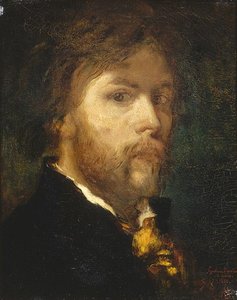
Gustave Moreau
1826 - 1898 , Ranska
Pähkinänkuoressa
- Artistic Movement Or Style: Symbolismi
- Artists Or Movements Influenced By This Artist:
- Matisse
- Rouault
- Artists Who Influenced This Artist:
- Delacroix
- Michelangelo
- Da Vinci
- Date Of Birth: 6. huhtikuuta 1826
- Date Of Death: 18. huhtikuuta 1898
- Full Name: Gustave Moreau
- Nationality: Ranskalainen
- Notable Artworks:
- Salome tanssii
- Jupiter ja Semele
- Orfeus
- Place Of Birth: Pariisi, Ranska
Aiheeseen liittyvät artikkelit
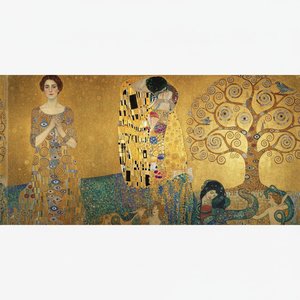
Gustav Klimtin 25 mestariteosta: Taidetta ja inspiraatiota kotiisi | AllPaintingsStore
Tutustu Gustav Klimtin 25 mestariteokseen! Uppoudu koristeellisen taiteen, jugendtyylin ja symbolismin maailmaan. Löydä tarinat öljyvärimaalausten takaa ja inspiroi sisustusta AllPaintingsStore.com:ssa. Tutki kokoelma verkossa!

Gustave Moreau: Symbolism's Enigmatic Visionary & Precursors of Modern Fantasy Art
Explore the captivating world of Gustave Moreau, the leading Symbolist painter. Discover his iconic masterpieces, influences, and lasting legacy. Expert analysis for collectors & art enthusiasts.
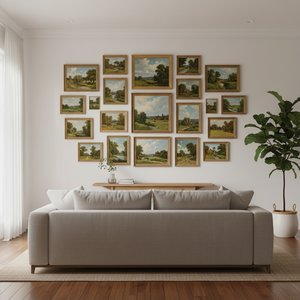
John Constablein 25 mestariteosta: Taidetta ja tunnelmaa kotiisi – AllPaintingsStore.com
Tutustu John Constable'n 25 mestariteokseen – romanttisia maisemamaalauksia, jotka vangitsevat englantilaisen luonnon tunnelman. Taidehistoriaa ja inspiraatiota kotiisi AllPaintingsStore.com:ssa. Löydä kaikki taideteokset verkossa!
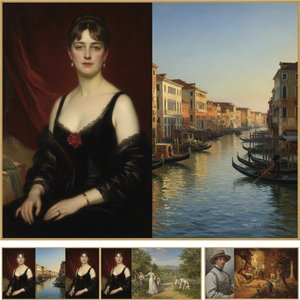
John Singer Sargent's 25 Masterpieces: Portraits & Beyond | AllPaintingsStore
Explore 25 iconic John Singer Sargent paintings – from dazzling portraits to Impressionist landscapes. Discover the stories behind Madame X, El Jaleo & more! Find museum-quality art reproductions and elevate your home decor with AllPaintingsStore.com.

Gwen John: Intimacy, Modernity & the Quiet Power of Welsh Portraiture
Explore the captivating world of Gwen John, a pioneering Welsh artist renowned for her intimate portraits & subtle style. Discover her life, legacy, and how to bring her timeless beauty into your home with AllPaintingsStore.


