


 Katso seinällä
 Lähetä
 Jaa
Jaa
 Tarkemmat tiedot
 Opas
Opas

 Lataa kuva
 Samanlaisia kohteita
 Röntgenkuvaus
 Diaesitys
 Tilastot
Self-Portrait
 Oil On Canvas
- WallArt
- Symbolist Movement
 1850
1850 41.0 x 32.0 cm
 Lue lisää
Giclée- ja taideprintit
Museolaatuisia giclée- tai kankaitaulun tulosteita nopealla tuotannolla ja joustavilla viimeistelyvaihtoehdoilla. ( Tilaa käsinmaalattu jäljennös Siirry digitaaliseen kuvaan)




P118B €10

P118H €10

P118W €10

P438Z €10

P508JH €12

P508YH €12

P805H €10

P805Z €10

P919BZ €10

P919G €10

P919XJ €10

P959ZH €10

P968JZ €12

W106C €8

W218G €10

W218JH €8

W218Y €10

W307PJ €10

W316G €10

W316PJ €8

W316Y €10

W398PJ €8

W4111J €10

W500HY €15

W500JH €15

W692G €12

W849H €8

W940BG €15

W953PJ €8




Valitse valmiista mitoistamme sellaiset, jotka vastaavat teoksen alkuperäisiä mittasuhteita.

Kirjoita tarvitsemasi leveys ja korkeus, jotta tuloste sopii kehyskokoon tai seinällesi. Tulostetta voidaan vain leikata, sitä ei voi koskaan tehdä suuremmaksi kuin alkuperäinen kuva, joten eri muotoinen koko aiheuttaa osan kuvasta katoamisen. Lähetämme sinulle digitaalisen mallikuvan hyväksyttäväksi ennen kuin aloitamme tulostuksen. Tällä sivulla näkyvä kuva ei näytä lopullista leikkausta — vain mallikuva näyttää sen.
Maailmanlaajuinen toimitus () 2 viikossa tavallisen 4–5 viikon sijaan. (26 lokakuu)

Ilmainen pikatoimitus ympäri maailman

Korkealaatuinen pellavakangas

Kattava kuljetusvakuutus

Tulliveron palautustakuu

Takuu täydellisestä värien vastaavuudesta

100 päivän palautusoikeus valmistusvirhetapauksissa

100% rahat takaisin -takuu

Määräalennus saatavilla
 Lasivaihtoehto on saatavilla vain alle 110 cm kokoisille teoksille

Self-Portrait
Giclée- ja taideprintit
Replikaatin koko
-


Kokonaishinta
€ 56
A Window Into the Soul: Gustave Moreau’s Self-Portrait
Gustave Moreau's "Self-Portrait," painted in 1850, isn’t merely a depiction of an artist; it’s a profound meditation on the human condition, rendered with the meticulous detail and evocative symbolism that would come to define his enduring legacy. This oil on canvas, measuring a modest 41 x 32 cm, currently resides within the Musée National Gustave-Moreau in Paris—a fitting home for a work so deeply rooted in introspection and artistic exploration. Moreau, a pivotal figure bridging the Romanticism of his predecessors with the nascent Symbolist movement, invites us into a world where reality is filtered through layers of dream, myth, and personal feeling.
The painting immediately establishes an atmosphere of quiet intensity. Moreau himself appears framed within a richly textured interior, reminiscent of a dimly lit study or perhaps a scholar’s chamber. His long hair, cascading down his shoulders, and the carefully groomed beard suggest a deliberate cultivation of intellectualism and a connection to the past. The black suit, a formal garment signifying status and discipline, is unexpectedly offset by a vibrant yellow tie—a bold splash of color that hints at hidden passions and perhaps even a touch of rebellion against conventional norms. His direct gaze, unwavering and almost challenging, compels the viewer to confront not just an image, but a presence.
The Language of Symbolism
Moreau’s artistic approach was fundamentally rooted in symbolism—a deliberate rejection of the objective representation favored by earlier movements. He wasn't interested in simply *showing* something; he sought to *evoke* it through carefully chosen details and layered meanings. The setting itself is laden with symbolic weight. The architectural elements, though vaguely reminiscent of classical structures, possess an unsettling quality—they seem both familiar and subtly distorted, reflecting the artist’s own internal landscape. Moreau frequently drew inspiration from mythology, religion, and folklore, weaving these narratives into his work to explore universal themes of love, loss, beauty, and mortality.
The yellow tie, a recurring motif in Moreau's oeuvre, is particularly significant. It represents not just color but also illumination, knowledge, and even the divine—a subtle nod to the artist’s own pursuit of spiritual understanding through his art. The overall composition feels deliberately unbalanced, creating a sense of unease and inviting the viewer to actively engage with the painting’s enigmatic narrative.
Technique and Historical Context
Moreau's technique is characterized by its meticulous detail and rich color palette. He employed a glazing method—applying thin layers of paint that build up depth and luminosity over time—to create an almost velvety surface. This painstaking process reflects his commitment to capturing not just the appearance but also the *essence* of his subjects. Painted in 1850, this work represents a crucial moment in Moreau’s artistic development, as he was beginning to establish his unique style and explore the possibilities of Symbolist imagery.
The painting emerged during a period of significant social and intellectual upheaval—the mid-19th century. The rise of industrialization, coupled with growing anxieties about modernity, fueled a desire for escape into realms of imagination and spirituality. Moreau’s work perfectly captured this mood, offering a refuge from the harsh realities of the world through the beauty and mystery of his symbolic visions. He was a key figure in fostering an environment where art could be more than just representation; it could become a vehicle for exploring the deepest recesses of the human psyche.
Bringing Moreau’s Vision Home
AllPaintingsStore offers exquisite, hand-painted reproductions of Gustave Moreau's "Self-Portrait," allowing you to experience the depth and complexity of this iconic work in your own space. These meticulously crafted reproductions capture not only the visual details but also the emotional resonance of the original painting. Whether you’re an art collector, a design enthusiast, or simply someone seeking a piece that speaks to the soul, a AllPaintingsStore reproduction of Moreau's "Self-Portrait" is a timeless addition to any collection. Discover more and order your high-quality reproduction at AllPaintingsStore.com
Kysymykset ja vastaukset
Minkälaista tunnetta Symbolist Movement-tyylinen "Self-Portrait" välittää?
Symbolist Movement-suuntauksen sisällä teos "Self-Portrait" on tallennettu Mysterious sävyllä.
Minkä tyyppinen teos Gustave Moreau:n "Self-Portrait" on?
Teos Gustave Moreau:n "Self-Portrait" on luokiteltu tyypiksi WallArt. Luokitus kertoo, minkä tyyppinen alkuperäisteos on kyseessä.
Miten teoksen Gustave Moreau:n "Self-Portrait" tunnelma on kuvattu?
"Self-Portrait"-teoksessa on Ethereal tunnelma.
Samankaltaisia teoksia


Taiteilijan elämäkerta
A Dream Weaver of Symbolism: The Life and Art of Gustave Moreau
Gustave Moreau, nimi joka on synonyymi eteeriselle kauneudelle ja salaperäisille syvyyksille symbolistisessa maalauksessa, nousi 1800-luvun Pariisin yläpuolelle ainutlaatuisena taiteellisenä ääninä. Hän syntyi vuonna 1826 varakkaaseen perheeseen – hänen isänsä arkkitehti ja arkisturi – ja Moreau’n lapsuus oli täynnä älyllistä uteliaisuutta ja esteettistä aistimaisuutta. Jo nuorena hän osoitti huomattavan lahjan piirtämisessä, joka oli hoitoitu perinteisen akateemisen koulutuksen kautta François-Édouard Picotin kaltaisten hahmojen alaisuudessa. Kuitenkin Moreau’n taiteellinen polku poikkesi voimakkaasti hänen aikansa vallitsevista Realistisesta ja Impressionistisesta nyansseista. Hän ei ollut kiinnostunut vangitsemaan hetkellisiä hetkiä tai objektiivista todellisuutta; pikemminkin hän etsi piiloutuneiden alueiden avaamista myytteistä, uskonnosta ja ihmisen psyykeestä syvällisen henkilökohtaisen ja symbolisen visuaalisen kielen kautta. Hänen matkansa oli sisäinen tutkimusmatka, jossa subjektiiviset tunteet ja hengelliset kaipuudet muutettiin maalaukseen tarkkaan huolella yksityiskohtiin ja eläväiseen, usein ylelliseen sävymaailmaan.The Forge of Imagination: Influences and Artistic Development
Moreau’n taiteellinen kehitys ei syntynyt tyhjyyteen. Vaikka hän hylkäsi aikansa hallitsevat trendit, hän sai inspiraatiota monista lähteistä. Eugen Delacroix’n dramaattisen värin ja eksoottisten aiheiden käyttö resonoi syvästi hänen kanssaan, sytyttäen intohimon tarinankerrontaan, joka oli täynnä tunteellista intensiteettiä. Hän piti myös Renaissance-mestareita kuten Michelangeloa ja Leonardo da Vincia korkeina arvoina, ihaillen heidän mestarillisuuttaan koostumuksessa, anatomiassa ja psykologisessa syvyydessä. Kuitenkin Moreau ei ollut vain kopioimassa näitä taiteilijoita; hän synteesoi heidän vaikutteensa jotain täysin uutta. Hänen Italiaan tekemänsä matkat 1850-luvulla olivat ratkaisevia, upottaen hänet antiikin ja Renaissance-taiteeseen, tarjoten runsaasti motiiveja ja tyylillisiä vihjeitä, jotka täyttivät tulevat teoksensa. Hän kopioi huolellisesti Vanhoja maalauksia, ei harjoituksena toistamisessa, vaan pyrkimyksenä sisällyttää niiden tekniikat ja avata niiden salaisuudet. Tämä omistautuminen käsityölle yhdistettynä hänen kasvavaan kiinnostukseensa myyteihin ja kirjallisuuteen loi pohjan ainutlaatuiselle taiteelliselle näkemykselleen.A World of Symbols: Themes and Techniques
Moreau’n maalaukset eivät ole vain myyttien tai Raamatun tarinoiden kirjaimellisia kuvauksia; ne ovat monimutkaisia allegorioita, jotka kutsuvat pohdintaan ja tulkintaan. Hän sukelsi tarinoihin kuten Salomeen, Orfeuksen, Jupiterin ja Semelen, ei kertomaan niitä kirjaimellisesti, vaan tutkimaan niiden perimmäisiä psykologisia ja hengellisiä totuuksia. Hänen maalinsa ovat täynnä symbolista kuvausta – sammakkoja, jotka edustavat houkutusta, jalokiviä, jotka symboloivat maallisia haluja ja hahmoja, jotka edustavat abstrakteja käsitteitä kuten surua, menetystä tai pelastusta. Hän loi mestarillisesti unenomaisen tunnelman huolellisella kerroksella maalia, rikkailla tekstuureilla ja usein häiritsevällä valon ja varjon yhdistelmällä. Moreau’n tekniikka oli tunnettu tarkasta kerrostamisesta maalia, luoden pintoja, jotka hehkuvat irisoiduista väreistä ja herättävät maailmanmenoon liittyvän vaikutelman. Hänen kultalehtien käyttönsä lisäsi tätä vaikutusta, antaen teoksilleen bysanttilaisen ulkonäön, joka korosti niiden hengellistä ulottuvuutta. Hän ei ollut huolissaan realististen tekstuurien tai perspektiivien vangitsemisesta; pikemminkin hän priorisoi värin ja muodon ilmaisutehon välittämiseksi tunteiden ja merkityksen välittämiseksi.Notable Achievements and Historical Significance
Moreau’n vaikutus oli merkittävä, vaikka hänen työnsä kohtasi aluksi sekoitettuja reaktioita. Vuonna 1893 hän hyväksyi professuurin École des Beaux-Artsissa, jossa hän vaikutti voimakkaasti useiden taiteilijoiden sukupolvia, mukaan lukien Henri Matisse ja Georges Rouault. Hän kannusti opiskelijoitaan omaksumaan mielikuvitusta, symboliikkaa ja henkilökohtaista ilmaisua, kehottaen heitä rikomaan perinteisten taiteellisten normien rajoja. Vaikka Symbolismi kuihtuikin suosion menettäessä Moreau’n kuoleman jälkeen vuonna 1898, hänen työnsä sai merkittävän arvostuksen myöhemmin 20-luvulla. Nykyään hän on laajalti pidetty liikkeen keskeisenä hahmona ja modernin taiteen esiasjana. Gustave Moreau -museo, joka sijaitsee hänen entisessä ateljeessaan ja kodissaan Pariisissa, toimii testamenttina hänen kestävälle perinnölleen – suojatulla alueella, jossa vieraat voivat uppoutua tämän poikkeuksellisen taiteilijan lumoavaan maailmaan. Hänen maalauksensa resonoivat edelleen yleisön kanssa tänä päivänä, tarjoten näkymiä ihmisen sielun piilotettuihin syvyyksiin ja muistuttaen meitä taiteen voimasta ylittämään todellisuuden rajat.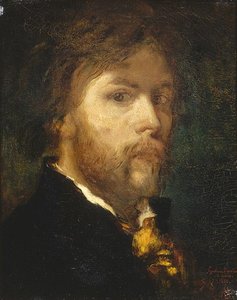
Gustave Moreau
1826 - 1898 , Ranska
Tietoa taiteilijasta
- Artistic Movement Or Style: Symbolismi
- Artists Or Movements Influenced By This Artist:
- Matisse
- Rouault
- Artists Who Influenced This Artist:
- Delacroix
- Michelangelo
- Da Vinci
- Date Of Birth: 6. huhtikuuta 1826
- Date Of Death: 18. huhtikuuta 1898
- Full Name: Gustave Moreau
- Nationality: Ranskalainen
- Notable Artworks:
- Salome tanssii
- Jupiter ja Semele
- Orfeus
- Place Of Birth: Pariisi, Ranska
Aiheeseen liittyvät artikkelit

Gustave Moreau: Symbolism's Enigmatic Visionary & Precursors of Modern Fantasy Art
Explore the captivating world of Gustave Moreau, the leading Symbolist painter. Discover his iconic masterpieces, influences, and lasting legacy. Expert analysis for collectors & art enthusiasts.

Reflecting the Self: A History of Portraiture & Psychological Insight
Explore the fascinating history of self-portraiture from Renaissance masters like Dürer & Rembrandt to modern interpretations. Discover the psychological insights and artistic techniques behind these iconic works. Expert analysis for art enthusiasts.

The Inner Landscape: Exploring Themes of Introspection in Visual Art Across Movements & Eras
Explore the captivating world of introspective art! Discover how artists across eras – from Rembrandt to Kahlo – used self-portraiture to reveal their inner worlds and emotional depths. A journey through art history & psychology.
Gustav Klimtin 25 mestariteosta: Taidetta ja inspiraatiota kotiisi | AllPaintingsStore
Tutustu Gustav Klimtin 25 mestariteokseen! Uppoudu koristeellisen taiteen, jugendtyylin ja symbolismin maailmaan. Löydä tarinat öljyvärimaalausten takaa ja inspiroi sisustusta AllPaintingsStore.com:ssa. Tutki kokoelma verkossa!

The Echo of Self: Reflectivity as a Core Theme in Art History & Contemporary Practice
Explore the rich history of self-representation in art, from Renaissance masters to modern innovators. Discover how artists use portraiture to reveal identity, emotion & the depths of the human psyche. Expert insights for collectors.


