


 Esikatselu
 Jaa teos
 Jaa
Jaa
 Tiedot
 Opas
Opas

 Lataa kuva
 Samanlaisia kohteita
 Röntgenkuvaus
 Diaesitys
 Q&A
Q&A Tilastot
March
 Oil
Oil- WallArt
- Realism
 1895
1895- 19th Century
 60.0 x 75.0 cm
 Lue lisää
Giclée- ja taideprintit
Museolaatuisia giclée- tai kankaitaulun tulosteita nopealla tuotannolla ja joustavilla viimeistelyvaihtoehdoilla. ( Osta käsinmaalattu taideteos Siirry digitaaliseen kuvaan)




P118B €10

P118H €10

P118W €10

P438Z €10

P508JH €12

P508YH €12

P805H €10

P805Z €10

P919BZ €10

P919G €10

P919XJ €10

P959ZH €10

P968JZ €12

W106C €8

W218G €10

W218JH €8

W218Y €10

W307PJ €10

W316G €10

W316PJ €8

W316Y €10

W398PJ €8

W4111J €10

W500HY €15

W500JH €15

W692G €12

W849H €8

W940BG €15

W953PJ €8




Valitse valmiista mitoistamme sellaiset, jotka vastaavat teoksen alkuperäisiä mittasuhteita.

Syötä tarvitsemasi leveys ja korkeus, jotta tuloste sopii kehyksiisi tai seinällesi. Tulostetta voidaan vain leikata, sitä ei voida koskaan suurentaa alkuperäistä kuvaa suuremmaksi, joten eri muotoinen koko aiheuttaa osan kuvasta katoamisen. Lähetämme sinulle digitaalisen mallikuvan hyväksyttäväksi ennen kuin aloitamme tulostuksen. Tällä sivulla näkyvä kuva ei näytä lopullista rajausta — vain mallikuva näyttää sen.
Maailmanlaajuinen toimitus () 2 viikossa tavallisen 4–5 viikon sijaan. (30 lokakuu)

Ilmainen pikatoimitus ympäri maailman

Korkealaatuinen pellavakangas

Kattava kuljetusvakuutus

Tulliveron palautustakuu

Takuu täydellisestä värien vastaavuudesta

100 päivän palautusoikeus (vain valmistusvirheet)

100% rahat takaisin -takuu

Määräalennus tarjolla
 Lasivaihtoehto on saatavilla vain alle 110 cm kokoisille teoksille

March
Giclée- ja taideprintit
Replikaatin koko
-


Kokonaishinta
€ 56
A Poetic Transition: The Melancholic Beauty of Levitan's March
In the quiet, frost-kissed moments of late nineteenth-century Russia, few artists could capture the fleeting soul of the landscape as masterfully as Isaak Ilyich Levitan. His work, March, serves as a profound visual poem, capturing that delicate, liminal space where winter refuses to relinquish its grip, yet the whispers of spring begin to stir beneath the melting snow. This exquisite piece, dating from 1895, invites the viewer into a serene, wintry tableau where nature exists in a state of peaceful contemplation. As a deer wanders down a quiet road, eyes cast toward the earth, there is an immediate sense of intimacy, as if we have stumbled upon a private moment in the life of the forest.
The composition is a masterclass in atmospheric storytelling. Beyond the central figure of the deer, Levitan weaves a complex tapestry of life; a horse stands quietly to the side, and a distant figure moves through the background, grounding the wildness of the scene within the gentle rhythm of rural existence. The surrounding trees, heavy with the remnants of winter, frame the scene with a structural elegance that provides both depth and a sense of enclosure. For the discerning collector or interior designer, this painting offers more than mere decoration; it provides a window into a world of stillness, making it an ideal centerpiece for spaces designed to evoke tranquility, reflection, and a connection to the natural cycle of life.
Technique and the Mastery of Light
Levitan was a pioneer of the "mood landscape," a style where the technical execution is inseparable from the emotional resonance. In March, his brushwork achieves a delicate balance between precision and impressionistic softness. The way he renders the light—filtered through a heavy, wintry sky—creates a muted palette that is both sophisticated and soothing. There is a palpable texture to the snow and the bark of the trees, achieved through subtle layering that captures the damp, cold atmosphere of a Russian spring thaw. This mastery of light and shadow allows the painting to breathe, giving the viewer the sensation of feeling the crisp, biting air of a March morning.
For those seeking a high-quality reproduction, it is essential to appreciate how these nuances are preserved. A faithful hand-painted recreation of this work captures the subtle transitions in color—from the stark whites of the snow to the deep, earthy tones of the road and the soft grays of the sky. The emotional impact lies in this very subtlety; it is a painting that rewards long, contemplative gazes, revealing new layers of light and movement each time it is viewed. It is an investment in atmosphere, bringing the timeless, melancholic beauty of Levitan’s vision into the modern home.
Historical Resonance and Emotional Depth
To understand March is to understand the heart of Levitan himself. His life, marked by personal loss and the social complexities of Tsarist Russia, often found its resolution in the landscape. He did not merely paint trees and animals; he painted the "symphony of the Russian soul." The deer and the horse in this work are not just subjects, but symbols of a quiet endurance, mirroring the resilience of the human spirit amidst changing seasons. There is a profound sense of nostalgia embedded in the canvas, a longing for a purity found only in the untouched corners of the world.
Integrating such a piece into an interior design scheme allows for the introduction of a narrative element that transcends fashion. Whether placed in a sunlit study or a quiet corner of a living room, March acts as an anchor of serenity. It speaks to the timelessness of nature and the enduring power of art to capture the ephemeral. For the lover of fine art, this reproduction is an opportunity to possess a fragment of history—a piece that carries with it the weight of tradition, the beauty of the Russian landscape, and an unparalleled sense of peace.
Kysymykset ja vastaukset
Mikä on teoksen "March" formaatti?
Teoksen "March" formaatti on Landscape. Tämä on hyödyllinen tieto, kun suunnittelet jäljennöksen sijoituspaikkaa.
Voinko tilata öljyvärimaalauksen teoksesta "March"?
"March" on saatavilla muodossa käsinmaalattu öljyvärireproduktio pellavakankaalle. Voit tehdä tilauksen Käsinmaalattu jäljennös -sivulla, jossa voit valita haluamasi koon.
Kuka on luonut teoksen "March" ja milloin?
Isaak Ilyich Levitan loi teoksen "March" vuonna 1895.
Samankaltaisia teoksia


Taiteilijan elämäkerta
A Symphony of the Russian Soul: The Life and Art of Isaak Ilyich Levitan
Isaak Ilyich Levitan, nimi joka on synnyttänyt syvällisen tunteen venäläisessä maisemamaalauksessa, oli enemmän kuin pelkkä luonnon kuvaaja; hän oli maan runoilija, kääntäjä sen tunnelmista visuaalisiksi muodoiksi. Hän syntyi vuonna 1860 Kybartajissa (nykyinen Liettua) juutalaiselle perheelle, joka myöhemmin asettui Moskovaan, ja hänen elämänsä oli merkitty sekä syvällisillä vaikeuksilla että vakaalla omistautumisella taiteelleen. Varhainen äidin ja isän menetys heijasti pitkäaikaisesti hänen olemassaoloaan, luoden sisälle häneen haikeutta, joka läpäisi hänen maalauksensa melankolisella kauneudella. Tämä kaipaus, yhdistettynä tsaarillisen Venäjän juutalaisten yhteisöjen rajoituksiin, ruokki toiveita turvasta ja ilmaisusta luonnon keskuudessa. Hän aloitti opinnoilleen Moskovan Taide-, Sculptura- ja Arkkitehtuurikoulussa vuonna 1873, jossa hän sai Alexei Savrasovin ohjauksen, jonka vaikutus muokkasi Levitanin taiteellista visiota merkittävästi. Savrosov kasvatti opiskelijansa luontainen kyky vangita luonnon ei pelkästään ulkonäkönsä, vaan myös sen olemuksen – ilmapiirin, tunteellisen resonanssin.The Birth of a ‘Mood Landscape’
Levitan erottui nopeasti taiteilijana, joka pystyi välittämään syvää tunnetta maisemissa. Hän ei ollut kiinnostunut maaston tarkasta esityksestä itsessään; pikemminkin hän pyrki sisällyttämään maalauksiinsa *tunnelman*, tunteen, joka resonoi syvällä katsojan sielussa. Tämä lähestymistapa ansioitsi hänelle tittelin ”tunnelman maiseman” edelläkävijänä, genre, joka ylitti yksinkertaisen esityksen ja tutki ihmisen ja luonnon välisiä hengellisiä yhteyksiä. Hänen palettinsa oli usein hillitty, suosien luonnollisia värejä ja runollista elementtiä eloisuuden sijaan. Hän hallitsi valoa ja varjoa mestarillisesti, luoden ilmakehäreffektejä, jotka herättivät tunteita rauhasta, yksinolosta tai jopa hiljaisesta epätoivosta. Teokset kuten *Syksyn päivä. Sokolniki* (1879), jonka hän maalasi vasta 19-vuotiaana, osoittivat jo tätä hämmästyttävää kykyä vangita Venäjän maaseudun hienovaraisia nyansseja. Maalauksen hillityt sävyt ja herkän valon esittäminen luovat haikean nostalgiaa, viittaaten kauneuden ohikiitävyyteen ja muutokseen. Myöhemmät mestariteokset kuten *Vladimirkan tie* (1892) ja *Lepo* (1894), jotka ovat keskeisiä Tretyakovin galleriassa, vahvistivat hänen asemaansa tunnelman maisemamaalauksen mestarina.Influences and Artistic Kinships
Vaikka hän oli syvästi velkaa Savrosovin vaikutukselle, Levitan oli myös avoin muille taiteellisille nyansauksille. Hän teki yhteistyötä muiden taiteilijoiden kanssa, kuten Konstantin Korovinin, Mihail Nesterovin ja Nikolai Chekhovin – Anton Chekhovin veljen, joka tuli hänen elinikäiseksi ystäväkseen. Tämä piiri edisti luovaa vaihtoa ja toistensa tukea. Vaikka hän kokeili lyhyesti impressionismia, Levitan ei koskaan täysin omaksunut liikettä, säilyttäen ainutlaatuisen venäläisen tunteensa taiteessaan. Hän löysi inspiraatiota ei vain visuaalisesta maailmasta, vaan myös musiikista ja kirjallisuudesta, etsien niiden tunteellisen voiman ilmaisemista maalauksissaan. Hänen suunnitelmansa lavasteille Savva Mamontovin yksityisessä venäläisessä oopperassa osoittavat hänen monipuolisuuttaan ja halua tutkia erilaisia taiteellisia muotoja. Näiden yhteistyöiden ja kokemusten vaikutus näkyy teoksissa kuten *Kevätjoet*, *Myrskyinen päivä* ja *Hiljainen luostari*, joista jokainen on todiste hänen kehittyvästä tyylistä ja syvenevästä ymmärryksestä Venäjän sielusta.Major Achievements and Historical Significance
Vuonna 1897 Levitan valittiin Imperial Academy of Artsiin, tunnustus hänen kasvavalle asemalleen venäläisessä taiteessa. Hän omistautui myöhemmin seuraavan sukupolven venäläisiä maisemamaalareita opettamaan Moskovan Taide-, Sculptura- ja Arkkitehtuurikoulussa vuonna 1898. Hänen vaikutuksensa ulottui kuitenkin opiskelijoidensa ulkopuolelle. Levitanin työ oli keskeisessä asemassa venäläisen maisemamaalauksen kehityksessä, nostaen sen yksinkertaisesti esittämisestä voimakkaaksi välineeksi tunteille ja hengelliselle ilmaisulle. Hän sisällytti maalauksensa luontoon kansallista identiteettiä ja kauneuden arvostusta Venäjän maaseudulla, jotka resonoivat edelleen katsojien kanssa tänään. Hänen ajoittainen kuolemansa vuonna 1900, hänen nelikymmentäluvunsa huipussaan, jätti tyhjyyden taiteelliseen maailmaan, mutta hänen perintönsä säilyy mestarina ilmakehämiellyttävän maiseman maalauksessa ja syvällisenä tulkitsijana Venäjän sielusta. Vuonna 1941 hänelle kunnioitusta osoittaen hänen jäännökset siirrettiin Novodevitšin hautausmaalle Moskovassa, jossa hän lepää Anton Chekhovien vieressä – symbolinen yhdistys kahdesta taiteellisesta sukulaisista, jotka vangitsivat aikansa ja paikkansa olemuksen vertaansa vailla.
Isaak Ilyich Levitan
1860 - 1900 , Liettua
Pähkinänkuoressa
- Artistic Movement Or Style: Mood-maisema
- Artists Or Movements Influenced By This Artist: ['Savrasovin tyyli']
- Artists Who Influenced This Artist:
- Alexei Savrasov
- Vasily Perov
- Date Of Birth: 30. elokuuta 1860
- Date Of Death: 4. elokuuta 1900
- Full Name: Isaak Ilyich Levitan
- Nationality: Venäläinen
- Notable Artworks:
- Sokolnikin syksy
- Vladimirkan tie
- Ikuinen lepo
- Place Of Birth: Kibarty, Liettua
Aiheeseen liittyvät artikkelit

Romanttisen maisemamaalauksen mestariteokset: Taidetta ja inspiraatiota kotiin
Uppoudu romanttisen maisemamaalauksen maailmaan! Tutustu Caspar David Friedrichin, Turnerin ja muiden mestareiden ikonisiin teoksiin. Löydä inspiraatiota kotiisi taiteen avulla AllPaintingsStore.comista – laadukkaat taideprintit ja sisustusideoita.

John Constablein 25 mestariteosta: Taidetta ja tunnelmaa kotiisi – AllPaintingsStore.com
Tutustu John Constable'n 25 mestariteokseen – romanttisia maisemamaalauksia, jotka vangitsevat englantilaisen luonnon tunnelman. Taidehistoriaa ja inspiraatiota kotiisi AllPaintingsStore.com:ssa. Löydä kaikki taideteokset verkossa!

Evocations of Place: A Historical Journey Through Landscape Art
Explore the rich history of landscape art with AllPaintingsStore. Discover renowned artists, movements like Impressionism & Romanticism, and expert guidance for collecting timeless pieces. Find your perfect serene escape today!

Evocations of Place: A Historical Journey Through Landscape Art
Explore the rich history of landscape art with AllPaintingsStore. Discover renowned artists, movements like Impressionism & tonalism, and expert guidance for collecting timeless pieces. Find your perfect serene escape today!
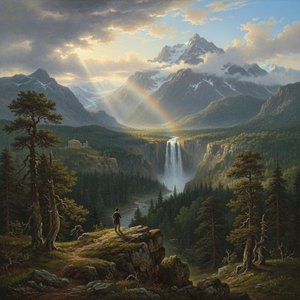
Evoking Nature's Sublime: A Comprehensive Exploration of 19th-Century Landscape Painting
Explore the captivating world of 19th-century landscape painting! Discover renowned artists like Friedrich & Monet, key movements, and find the perfect artwork to bring nature's serenity into your home. Expert insights at AllPaintingsStore.


