


 Esikatselu
 Jaa
Jaa Jaa
Jaa
 Tarkemmat tiedot

 Lataa
Lataa
 Samanlaisia
 Röntgenkuva
 Diaesitys
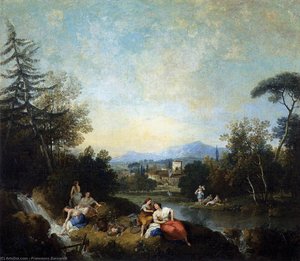
River Landscape
 66.0 x 97.0 cm
 Näytä lisää
Giclée-printit ja taideprintit
Museolaatuisia giclée- tai kankaitaulun tulosteita nopealla tuotannolla ja joustavilla viimeistelyvaihtoehdoilla. ( Osta käsintehty maalaus Osta kuva)




































Valitse valmiista mitoistamme sellaiset, jotka vastaavat teoksen alkuperäisiä mittasuhteita.

Voit syöttää omat mitat sopiaksesi tiettyyn kehykseen tai tilaan. Jos valittu koko ei vastaa alkuperäisen kuvan mittasuhteita, rajaamme teosta tai laajennamme kuvaa peilatulla tai yhtenäisellä reunalla. Digitaalinen mallikuva lähetetään hyväksyttäväksi ennen tuotannon aloittamista.
Huomaathan, että näytöllä näkyvä esikatselu ei vastaa lopullista rajausta tai laajennusta. Vain mallikuva näyttää lopullisen sommittelun tarkasti.
Vaikka räätälöityjä kokoja on saatavilla, suosittelemme valitsemaan mitat valmiista listasta alkuperäisten mittasuhteiden säilyttämiseksi.
Toimitus maailmanlaajuisesti () kahdessa viikossa tavallisen 4–5 viikon sijaan. (19 elokuu)

Ilmainen pikatoimitus ympäri maailman

Korkealaatuinen pellavakangas

Kattava kuljetusvakuutus

Tulliveron palautustakuu

Täydellinen värien vastaavuustakuu

60 päivän palautusoikeus (vain valmistusvirheet)

100% rahat takaisin -takuu

Määräalennus tarjous
 Lasivaihtoehto on saatavilla vain alle 110 cm kokoisina teoksina

River Landscape
Giclée-printit ja taideprintit
Replikaatin koko
-


Kokonaishinta
$ 64
Samankaltaisia teoksia




Taiteilijan elämäkerta
Jacobus Storck: A Silent Witness to Holland’s Maritime Glory
In the grand, salt-sprayed tapestry of the Dutch Golden Age, certain names shine with a brilliance that obscures the subtle, masterful strokes of others. Jacobus Storck (1641–1692) is such a figure—a painter whose legacy, while occasionally overshadowed by his more famous brother Abraham, remains an essential chronicle of seventeenth-century maritime life. Born in the bustling heart of Amsterdam, Storck was immersed from birth in an environment where the rhythm of the tides and the commerce of the sea dictated the pulse of the nation. His artistic lineage was one of profound nautical significance; as the son of the accomplished marine painter Johannes Sturckenburgh, he was raised within a tradition that viewed the sea not merely as a backdrop, but as a living, breathing protagonist in the story of Dutch prosperity.
The development of Storck’s artistry was deeply rooted in this familial apprenticeship. Growing up amidst the artistic milieu of his father’s studio, he honed a remarkable ability to capture the ephemeral qualities of the maritime atmosphere. He possessed a rare sensitivity to the way light dances upon turbulent waters and how heavy, low-hanging clouds cast dramatic shadows across a harbor. His early training allowed him to master the technical complexities of marine painting—specifically the challenge of rendering movement, from the rhythmic swell of the waves to the sudden, violent spray of a breaking crest. This commitment to naturalistic observation ensured that his works were more than mere depictions; they were immersive experiences that transported the viewer to the very docks of Haarlem and Rotterdam.
Mastery of Light and the Maritime Canvas
Storck’s technical prowess is most evident in his sophisticated use of chiaroscuro, the dramatic interplay of light and shadow. Drawing inspiration from the monumental techniques perfected by masters like Rembrandt and Caravaggio, he utilized deep shadows to create depth and a sense of impending drama within his compositions. This was particularly effective in his depictions of harbor scenes, where the dark, weathered hulls of ships would emerge from the gloom, illuminated by sudden shafts of sunlight. His brushwork displayed an unwavering dedication to texture; one can almost feel the rough, salt-encrusted grain of a ship's wooden planks or the slick, glistening surface of a receding tide.
His oeuvre is defined by several notable achievements that showcase his versatility as a landscape and marine artist:
- View of a Harbour: A testament to his ability to organize complex maritime compositions with clarity and perspective.
- Capriccio View of Haarlem: An exploration of architectural beauty intertwined with the fluid elements of the Dutch landscape.
- A Zeeland States Yacht Firing a Salute off the Oude Hooftdpoort, Rotterdam: A magnificent display of movement and celebratory atmosphere, capturing the ceremonial grandeur of Dutch naval tradition.
A Lasting Legacy in the Golden Age
While biographical records regarding his personal life remain somewhat sparse, the historical significance of Jacobus Storck is undeniable. His work serves as a vital visual record of the Dutch Republic at the height of its maritime power. Through his eyes, we witness the bustling commercial vitality of the era's great ports and the technical sophistication of the vessels that drove global trade. Though some scholars have historically debated the attribution of certain works signed "ja storck"—often weighing them between Jacobus and his brother Abraham—the intrinsic quality of his hand is unmistakable.
Ultimately, Storck’s contribution to art history lies in his ability to act as a silent witness to a bygone era. He did not merely paint ships; he painted the very spirit of a nation defined by its relationship with the sea. His paintings remain enduring windows into the seventeenth century, preserving the light, the motion, and the monumental ambition of the Dutch Golden Age for all eternity.

Jacobus Storck
1641 - 1692 , Netherlands
Pikatiedot
- Artistic Movement Or Style: Dutch Golden Age
- Date Of Birth: Amsterdam, Netherlands (1641)
- Date Of Death: 1692
- Full Name: Jacobus Storck
- Nationality: Dutch
- Notable Artworks:
- View of a Harbour
- Capriccio View of Haarlem
- A Zeeland States Yacht Firing a Salute off the Oude Hooftdpoort, Rotterdam
- Place Of Birth: Amsterdam



