


 Katso seinällä
 Lähetä
 Jaa
Jaa
 Tarkemmat tiedot
 Opas
Opas

 Lataa kuva
 Samanlaisia kohteita
 Röntgenkuvaus
 Diaesitys
 Tilastot
Broken Eggs
 Acrylic On Canvas
- WallArt
- Baroque Sentimentality
 1756
1756 73.0 x 94.0 cm
 Metropolitanin museo
 Lue lisää
Giclée- ja taideprintit
Museolaatuisia giclée- tai kankaitaulun tulosteita nopealla tuotannolla ja joustavilla viimeistelyvaihtoehdoilla. ( Tilaa käsinmaalattu jäljennös Siirry digitaaliseen kuvaan)




P118B €10

P118H €10

P118W €10

P438Z €10

P508JH €12

P508YH €12

P805H €10

P805Z €10

P919BZ €10

P919G €10

P919XJ €10

P959ZH €10

P968JZ €12

W106C €8

W218G €10

W218JH €8

W218Y €10

W307PJ €10

W316G €10

W316PJ €8

W316Y €10

W398PJ €8

W4111J €10

W500HY €15

W500JH €15

W692G €12

W849H €8

W940BG €15

W953PJ €8




Valitse valmiista mitoistamme sellaiset, jotka vastaavat teoksen alkuperäisiä mittasuhteita.

Kirjoita tarvitsemasi leveys ja korkeus, jotta tuloste sopii kehyskokoon tai seinällesi. Tulostetta voidaan vain leikata, sitä ei voi koskaan tehdä suuremmaksi kuin alkuperäinen kuva, joten eri muotoinen koko aiheuttaa osan kuvasta katoamisen. Lähetämme sinulle digitaalisen mallikuvan hyväksyttäväksi ennen kuin aloitamme tulostuksen. Tällä sivulla näkyvä kuva ei näytä lopullista leikkausta — vain mallikuva näyttää sen.
Maailmanlaajuinen toimitus () 2 viikossa tavallisen 4–5 viikon sijaan. (24 lokakuu)

Ilmainen pikatoimitus ympäri maailman

Korkealaatuinen pellavakangas

Kattava kuljetusvakuutus

Tulliveron palautustakuu

Takuu täydellisestä värien vastaavuudesta

100 päivän palautusoikeus valmistusvirhetapauksissa

100% rahat takaisin -takuu

Määräalennus saatavilla
 Lasivaihtoehto on saatavilla vain alle 110 cm kokoisille teoksille

Broken Eggs
Giclée- ja taideprintit
Replikaatin koko
-


Kokonaishinta
€ 56
Jean-Baptiste Greuze’s “Broken Eggs”: A Moral Tapestry Woven in Sentiment
The painting "Broken Eggs" by Jean-Baptiste Greuze stands as a cornerstone of Rococo art and a poignant exploration of societal expectations surrounding female innocence. Created in 1756, this oil on canvas masterpiece resides within the hallowed halls of The Metropolitan Museum of Art, New York—a testament to Greuze’s enduring ability to transcend mere visual representation and deliver profound moral commentary. More than just depicting a domestic scene, it encapsulates the anxieties surrounding female sexuality prevalent during the Enlightenment era.A Narrative Embodied in Detail
Greuze meticulously crafted this tableau, employing a technique characterized by soft brushstrokes and luminous glazing—a hallmark of his style—to achieve an unparalleled level of realism within the realm of sentimental painting. The composition centers around a young woman, dressed modestly yet with an air of quiet dignity, confronting her husband who stands beside her. Her gaze is directed downwards, seemingly absorbed in contemplating the shattered eggs before her – a deliberate gesture that immediately establishes the central metaphor: the loss of virginity. Beside her sits a child attempting to repair the broken eggshell, symbolizing the futile effort to recapture lost innocence and purity. The muted palette—dominated by earthy tones—further enhances the melancholic atmosphere, mirroring the emotional weight of the narrative.Influences from Dutch Tradition
Greuze’s artistic vision drew heavily upon the conventions of seventeenth-century Dutch painting, specifically cabinet paintings that focused on genre subjects imbued with moral lessons. Artists like Rembrandt and Frans Hals had pioneered a style prioritizing psychological realism—capturing nuanced emotions and capturing fleeting expressions—a stylistic approach Greuze skillfully adopted. This influence is palpable in the careful observation of human anatomy and the subtle rendering of textures, reflecting the Dutch tradition’s commitment to portraying everyday life with unflinching honesty.Symbolism Beyond the Surface
The broken eggs themselves serve as a powerful symbol – representing not merely physical fragility but also the vulnerability inherent in youthful innocence. The woman's averted gaze speaks volumes about societal pressures on women during this period, where marriage was viewed as the ultimate goal and virginity was considered paramount. Greuze’s masterful portrayal captures the heartbreaking realization that these ideals can be irrevocably shattered, prompting viewers to contemplate themes of morality, responsibility, and the consequences of transgression. The child's futile attempt to mend the eggshell underscores this central idea—a poignant reminder of the impossibility of restoring what has been lost.A Legacy Enduring Through Reproduction
Today, a high-quality reproduction of “Broken Eggs” can bring the emotional depth and artistic sophistication of Greuze’s original into any home. AllPaintingsStore offers exceptional reproductions that faithfully capture the painting's luminous quality and nuanced detail—allowing admirers to experience the enduring power of this iconic artwork. Explore similar masterpieces by Jean-Baptiste Greuze on our platform for a deeper appreciation of Rococo art history.Kysymykset ja vastaukset
Mikä on alkuperäisen Jean-Baptiste Greuze:n "Broken Eggs" tekniikka ja koko?
Alkuperäinen Jean-Baptiste Greuze:n "Broken Eggs" on Acrylic On Canvas-teos, jonka mitat ovat 73 x 94 cm. Tekniikka ja koko kuvaavat alkuperäistä teosta.
Onko Jean-Baptiste Greuze:n "Broken Eggs" pysty-, vaaka- vai neliökompositio?
Jean-Baptiste Greuze:n "Broken Eggs" on Landscape-muotoinen sommitelma. Suhteet kannattaa tarkistaa ennen tulostekoon valitsemista.
Missä Landscape-muotoisen teoksen "Broken Eggs" suositellaan olevan esillä?
Landscape-muotoisena "Broken Eggs"-teoksen reproduktio sopii erinomaisesti Living Room-tilaan.
Samankaltaisia teoksia


Taiteilijan elämäkerta
Jean-Baptiste Greuze: Elämä ja Taide Sentimentin Aikakaudella
Jean-Baptiste Greuze, syntynyt Tournuksen rauhallisessa Burgundian kylässä vuonna 1725, nousi merkittäväksi hahmoon 1700-luvun ranskalaisessa taiteessa. Hänen tarinansa on ihmeellinen nousu, joka perustuu luontaisen kyvyn tuntea ihmisten tunteita ja ymmärryksen kasvavasta sentimentaalisen maun aikakaudesta. Aluksi hänen isänsä, kattoasentaja, vastusti poikansa taiteen pyrkimyksiä, mutta riitojen jälkeen Greuze sai luvan seurata isänsä jalanjälkiä ja opiskella taidetta. Ensimmäinen mentorinsa oli Lyonissa asuva Grandon, joka tunnisti nuoren miehen lahjakkuuden ja kannusti häntä kehittämään sitä. Tämä ohjaus osoittautui ratkaisevaksi, sillä Greuze pääsi opiskelemaan ensin Lyonnaiseessa ja sitten Pariisin akatemiassa Charles-Joseph Natoiren johdolla. Juuri näissä kunniakkaissa saleissa Greuze alkoi hioa taitojaan, vaikka hän myös poikkesi akatemian yleisestä painotuksesta historiallisten ja mytologisten aiheiden suhteen.Genre-maalauksen Synty
Greuzen läpimurto tapahtui vuonna 1755 maalauksella *Le Père de famille expliquant la Bible à ses enfants* (Isä selittää Raamattua lapsilleen). Tämä teos ei ollut pelkästään kodin elämän kuvausta; se oli valistuksen aikakauden ihanteiden ilmentymä, joka kuvasi perheen pylyvyyttä ja moraalioppia. Maalaus resonoi syvästi aikansa yleisön kanssa, vangiten porvarillisen rehellisyyden henkeä, joka oli saanut yhä enemmän jalansijaa. Teos hankittiin keräilijän Ange-Laurent de La Live de Jullyn hienoon kokoelmaan, mikä nosti Greuzen maineeseen. Hän jatkoi menestykseänsä tekemällä genre-maalauksia – intiimejä kuvauksia arkielämästä, jotka olivat täynnä tunteita ja moraalisia pohdintoja. Italiaan matka vuonna 1755, jonka hän teki abbin Louis Gougenotin kanssa, laajensi hänen taiteellisia horisonttejaan, vaikka hän lopulta löysi enemmän inspiraatiota Ranskan yhteiskunnan todellisuudesta kuin klassisen antiikin ihanteista. Hänen kykynsä herättää aitoja tunteita – iloa, surua, katumusta – erotti hänet monista aikalaistensa keskuudessa ja vakiinnutti hänen asemansa johtavana hahmona nousevassa Rokoko-tyylissä, vaikka hänellä oli myös selkeä moraalisesti ohjattu näkökulma.Tunneiden Maalaaminen ja Moraalinen Tarinankerronta
Greuzen taiteellinen vahvuus piirtyi kykyynsä kertoa tarinoita maalauksilla. Teokset, kuten *La Jeune Fille qui pleure son oiseau mort* (Nuori tyttö itkee kuolleen lintun puolesta) ja *Savoyard with a Dancing Doll* eivät ole pelkästään lapsen kuvauksia; ne ovat ihmiskokemusten tutkimuksia, jotka käsittelevät tunteita ja moraalisia pohdintoja. Hänellä oli poikkeuksellinen lahjakkuus vangita hienovaraisia ilmeitä, välittää sisäistä kamppailua huomattavalla herkkyydellä. Teostensa kompositiot olivat usein huolellisesti suunniteltuja, hyödyntäen dramaattista valaistusta ja tunteellisesti ilmaisuvoimaisia eleitä tunteiden voimistamiseksi. Denis Diderot, Valistuksen aikakauden merkittävä filosofi ja taiteilija, kannusti Greuzen teoksia innokkaasti, kehuen hänen kykyään kuvata "moraalia maalauksessa". Tämä menestys kuitenkin loi artistille dilemman. Hän pyrki tunnistamaan itsensä historian maalaajaksi – arvostetuin luokitus akatemiassa – ja yritti siirtyä tähän suuntaan teoksella *Septimius Severus Reproaching Caracalla*. Tämä kunnianhimoinen työ kohtasi kovaa kritiikkiä, ja Greuze hyväksyttiin lopulta akatemian jäseneksi vain genre-maalareksi, päätös, joka syövytti hänen ylpeyttään.Myöhemmät Vuodet ja Jälleenjääneet Perinnöt
Akateemisen hylkäämisen merkitsi Greuzen uran käännekohtaa. Hän vetäytyi pois Salon-näyttelyistä monien vuosien ajaksi, muuttuen yhä eristäytyvämmäksi ja vihaiseksi. Hänen myöhemmät teoksensa käsittelivät usein houkuttelua ja moraalisia rikkomuksia, joskus jopa selkeästi aistillisia aiheita. Nämä maalaukset olivat teknisesti taitavia, mutta niissä ei ollut samaa tunteellista resonanssia kuin hänen varhaisimmillaan tekemissään mestariteoksissa. Taloudelliset vaikeudet vaivattivat häntä viimeisinä vuosinaan, mikä vastasi täysin aiemman kunnian menetykseen. Hän kuoli köyhyydessä itse Louvren sisällä vuonna 1805. Vaikka hänen taiteensa oli tuottanut merkittävää omaisuutta, se oli tuhlailevan elämäntyylin seurauksena hukattu. Jean-Baptiste Greuze jätti jälkeensä teoksen, joka vangitsee edelleen katsojien huomion tunteellisen voimansa, teknisen loiston ja ajattoman merkityksensä.Merkittävät Teokset ja Niiden Merkitys
- Le Père de famille expliquant la Bible à ses enfants (1755): Varhainen menestys, joka kuvastaa valistuksen aikakauden ihanteita perheen pylyvyydestä.
- La Jeune Fille qui pleure son oiseau mort (c. 1765): Näyttö Greuzen kyvystä ilmaista tunteita ja kertoa koskettavia tarinoita.
- Savoyard with a Dancing Doll (c. 1763): Lapsetyypin kuvaus, joka osoittaa hänen taitojaan lapsikuvan tekemisessä.
- Septimius Severus Reproaching Caracalla (1769): Epäonnistunut yritys historiallisena maalauksena, joka korosti hänen vahvuuksiaan muissa aloilla.
- The Broken Pitcher (c. 1770s): Siirtymä selkeämpiin ja moraalisesti epävarmempiin aiheisiin myöhemmissä teoksissaan.

Jean-Baptiste Greuze
1725 - 1805 , Ranska
Tietoa taiteilijasta
- Artistic Movement Or Style: Rokoko, Genrerimaus
- Artists Or Movements Influenced By This Artist: ['Hogarth']
- Artists Who Influenced This Artist: ['Grandon (tai Grondom)']
- Date Of Birth: 1725
- Date Of Death: 1805
- Full Name: Jean-Baptiste Greuze
- Nationality: Ranskalainen
- Notable Artworks:
- Le Père de famille...
- Nuori tyttö...
- Savoyardin tanssihämy
- Place Of Birth: Tournus, Ranska
Aiheeseen liittyvät artikkelit

Jean-Baptiste-Siméon Chardin: Master of Still Life & Everyday Elegance
Explore the serene world of Jean-Baptiste-Siméon Chardin, master of still life & genre painting. Discover his revolutionary techniques, enduring legacy, and timeless depictions of everyday elegance. Learn more at AllPaintingsStore.

Rokokoon mestariteokset: Taidetta ja eleganssia kotiisi – AllPaintingsStore.com
Uppoudu rokokoon maailmaan! Tutustu 10 mestariteokseen – Fragonard, Watteau ja muut. Taidetta, eleganssia & inspiraatiota kotiisi. Laadukkaat taideprintit AllPaintingsStore.com:ssa. Explore the full collection online!

Jean-Baptiste Pater: Rococo Charm & Ephemeral Beauty of 18th-Century France
Explore the captivating world of Jean-Baptiste Pater, a master of Rococo painting. Discover his elegant *fête galante* scenes and shimmering portraits – a glimpse into 18th-century French aristocracy. Learn about his legacy & find high-quality reproductions.
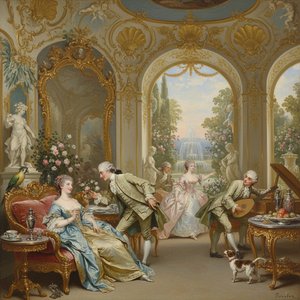
The Rococo Aesthetic: Opulence, Rebellion & the Pursuit of Pleasure in 18th-Century Art
Explore the opulent world of Rococo art! Discover its origins, key artists like Watteau & Boucher, and lasting influence on design. Expert insights for collectors & enthusiasts.

Jean-Baptiste Greuze: Morality, Sentiment & the Rise of Genre Painting
Explore the life & art of Jean-Baptiste Greuze, a pivotal French Rococo painter renowned for his emotionally resonant genre scenes and moral lessons. Discover his legacy & impact on 18th-century art history.

