Rahat takaisin -takuu · 100 päivää Ilmainen toimitus ympäri maailman
449 582teokset 30 618taiteilijat 4 705museot 32kielet
Valuutta
    Kieli
      Ateljee · Perustettu 2015 · Pariisi, Ranska
      AllPaintingsStore
      allpaintingsstore.com
      Katso seinällä Esikatsele AR-tilassa Vaihda tulosteeseen Siirry digitaaliseen kuvaan Lähetä
      Tarkemmat tiedot Opas Lisää suosikkeihin Lataa kuva Samanlaisia kohteita Röntgenkuvaus Diaesitys Tilastot

      Neptun

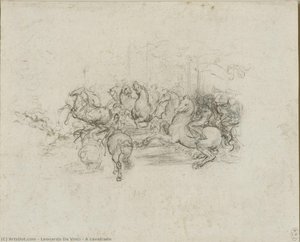
      Witness Leonardo da Vinci's 'Neptun' – a dynamic charcoal sketch of Roman god Neptune & Amphitrite, showcasing his mastery and artistic vision. Explore Renaissance art’s captivating beauty!

      Tutustu Leonardo da Vinciin (1452–1519): Renessanssin nero, Mona Lisan ja Viimeisen illallisen takana! Löydä hänen sfumato-tekniikkansa, anatomiset tutkimuksensa ja mullistavat keksintönsä.

      Käsinmaalattu öljyvärinen jäljennös

      Käsinmaalattu öljyväri kankaalle haluamassasi koossa ja kehyksissä, taiteilijoidemme valmistamana tilauksesta. ( Vaihda tulosteeseen Siirry digitaaliseen kuvaan)

      Corner sample of the P118B picture frame: moulded polystyrene, 5 cm wide and 3 cm thick
      P118B 10
      Corner sample of the P118H picture frame: moulded polystyrene, 5 cm wide and 3 cm thick
      P118H 10
      Corner sample of the P118W picture frame: moulded polystyrene, 5 cm wide and 3 cm thick
      P118W 10
      Corner sample of the P438Z picture frame: moulded polystyrene, 5.5 cm wide and 3.5 cm thick
      P438Z 10
      Corner sample of the P508JH picture frame: moulded polystyrene, 7 cm wide and 3.5 cm thick
      P508JH 12
      Corner sample of the P508YH picture frame: moulded polystyrene, 7 cm wide and 3.5 cm thick
      P508YH 12
      Corner sample of the P805H picture frame: moulded polystyrene, 5 cm wide and 3.5 cm thick
      P805H 10
      Corner sample of the P805Z picture frame: moulded polystyrene, 5 cm wide and 3.5 cm thick
      P805Z 10
      Corner sample of the P919BZ picture frame: moulded polystyrene, 7 cm wide and 3.5 cm thick
      P919BZ 10
      Corner sample of the P919G picture frame: moulded polystyrene, 7 cm wide and 3.5 cm thick
      P919G 10
      Corner sample of the P919XJ picture frame: moulded polystyrene, 7 cm wide and 3.5 cm thick
      P919XJ 10
      Corner sample of the P959ZH picture frame: moulded polystyrene, 5 cm wide and 3 cm thick
      P959ZH 10
      Corner sample of the P968JZ picture frame: moulded polystyrene, 6 cm wide and 4 cm thick
      P968JZ 12
      Corner sample of the W106C picture frame: solid wood, 5 cm wide and 3 cm thick
      W106C 8
      Corner sample of the W218G picture frame: solid wood, 5 cm wide and 3 cm thick
      W218G 10
      Corner sample of the W218JH picture frame: solid wood, 5 cm wide and 3 cm thick
      W218JH 8
      Corner sample of the W218Y picture frame: solid wood, 5 cm wide and 3 cm thick
      W218Y 10
      Corner sample of the W307PJ picture frame: solid wood, 6 cm wide and 3 cm thick
      W307PJ 10
      Corner sample of the W316G picture frame: solid wood, 6 cm wide and 3 cm thick
      W316G 10
      Corner sample of the W316PJ picture frame: solid wood, 6 cm wide and 3 cm thick
      W316PJ 8
      Corner sample of the W316Y picture frame: solid wood, 6 cm wide and 3 cm thick
      W316Y 10
      Corner sample of the W398PJ picture frame: solid wood, 5 cm wide and 3 cm thick
      W398PJ 8
      Corner sample of the W4111J picture frame: solid wood, 6.5 cm wide and 3.5 cm thick
      W4111J 10
      Corner sample of the W500HY picture frame: solid wood, 7 cm wide and 5 cm thick
      W500HY 15
      Corner sample of the W500JH picture frame: solid wood, 7 cm wide and 5 cm thick
      W500JH 15
      Corner sample of the W692G picture frame: solid wood, 8 cm wide and 4 cm thick
      W692G 12
      Corner sample of the W849H picture frame: solid wood, 5 cm wide and 3 cm thick
      W849H 8
      Corner sample of the W940BG picture frame: solid wood, 7.5 cm wide and 4.5 cm thick
      W940BG 15
      Corner sample of the W953PJ picture frame: solid wood, 6 cm wide and 3.5 cm thick
      W953PJ 8

      Vakiokoko
      mittatilaustyö
      CM
      INCH

      Valitse valmiista mitoistamme sellaiset, jotka vastaavat teoksen alkuperäisiä mittasuhteita.

      leveys
      korkeus

      Voit syöttää omat mitat sopimaan tiettyyn kehykseen tai tilaan. Jos valitsemasi koko ei vastaa alkuperäisen kuvan mittasuhteita, rajaamme taideteoksen tai jatkamme maalausta käsin maalatuilla elementeillä. Digitaalinen esikatselu lähetetään hyväksyttäväksi ennen tuotannon aloittamista.
      Huomioithan, että näytöllä oleva esikatselu ei vastaa todellista rajausta tai jatkamista. Vain digitaalinen mallikuva näyttää lopullisen sommittelun tarkasti.
      Vaikka mittatilaustyöt ovat mahdollisia, suosittelemme valitsemaan mitan ennalta määritetystä listasta alkuperäisten mittasuhteiden säilyttämiseksi.

      Esimerkkejä muokattavista asioista: Vaihda kasvot asiakkaan omaan valokuvaan; Lisää lemmikki (esim. korvaa kissa koiralla); Lisää taustalle piilotettu viesti; Muuta taustan maisemaa tai elementtejä.
      Tilauksen jälkeen AllPaintingsStore.com -tiimi lähettää asiakkaalle sähköpostitse ohjeet ja esikatselukuvan.

      Maailmanlaajuinen toimitus () 3–4 viikossa tavallisen 5 viikon sijaan. (11 lokakuu). Laadusta ei tingitä.

      Ilmainen pikatoimitus ympäri maailman
      Korkealaatuinen pellavakangas
      Kattava kuljetusvakuutus
      Tulliveron palautustakuu
      Takuu täydellisestä värien vastaavuudesta
      100 päivän palautusoikeus valmistusvirhetapauksissa
      100% rahat takaisin -takuu
      Määräalennus saatavilla

      Kokonaishinta

      € 222

      Neptun

      Reproduktiotapa

      Replikaatin koko

      -

      Kokonaishinta

      € 222

      Pikaista tietoa

      • Artist: Leonardo da Vinci
      • Title: Neptun
      • Notable elements: Mythological scene
      • Artistic style: Renaissance art
      • Influences: Classical mythology
      • Movement: High Renaissance

      Taidevisakysely

      Jokaisessa kysymyksessä on vain yksi oikea vastaus.

      Kysymys 1:
      What is the primary subject depicted in Leonardo da Vinci’s ‘Neptun’?
      Kysymys 2:
      Based on the image description, what is prominent in the scene depicted in ‘Neptun’?
      Kysymys 3:
      Leonardo da Vinci was primarily active during which historical period?
      Kysymys 4:
      What is a key characteristic of Leonardo da Vinci’s artistic style, as evidenced by ‘Neptun’?
      Kysymys 5:
      The image description mentions the presence of multiple birds. What does this detail likely contribute to the overall interpretation of the artwork?

      Leonardo da Vinci’s “Neptune”: A Dance of Power and Poseidon

      Leonardo da Vinci's "Neptun," often referred to simply as "Neptune," is not merely a painting; it’s a dramatic embodiment of Roman mythology, rendered with an arresting intensity that speaks volumes about the artist’s mastery of composition, light, and psychological depth. Completed around 1482, this charcoal drawing on black chalk offers a glimpse into da Vinci's early explorations of figure work and his fascination with classical themes – specifically, the turbulent power of the sea god Poseidon. Unlike many of his later, more polished works, “Neptun” retains a raw energy, a sense of immediacy that reflects its status as a preliminary study rather than a finished masterpiece.

      The scene depicts Neptune, king of the gods and ruler of the oceans, seated upon a shell-shaped rock. He’s not presented in the idealized form often found in Renaissance sculpture; instead, da Vinci captures him with a palpable sense of authority and even a hint of brooding intensity. His posture is deliberately forceful, his gaze fixed ahead as if commanding the waves themselves. The figure is rendered with rapid, confident strokes – a characteristic of Leonardo’s working method – revealing the underlying structure beneath the surface. Notice how he uses hatching to create texture and volume, particularly in the folds of his drapery and the swirling patterns of the sea.

      A Symphony of Movement: Technique and Composition

      Da Vinci's technique is immediately striking. The charcoal is applied with a remarkable degree of spontaneity, creating a dynamic sense of movement that contrasts sharply with the static quality often associated with Renaissance art. He masterfully employs hatching – closely spaced parallel lines – to build up tones and create an illusion of depth and texture. The use of light and shadow is particularly effective in conveying the drama of the scene; the dark background emphasizes Neptune’s form, while strategically placed highlights draw attention to his face and hands.

      Compositionally, “Neptun” is a tour de force. The figure dominates the frame, yet he's not isolated. The swirling waves, depicted with loose, expressive strokes, create a sense of chaos and power that mirrors Neptune’s dominion over the sea. The inclusion of Amphitrite, Neptune’s consort, riding on his back, adds another layer of visual interest and reinforces the theme of royal authority. The placement of the birds – one soaring above, another diving below – subtly connects the earthly realm with the divine, suggesting a broader cosmic order.

      Symbolism and Mythological Resonance

      “Neptun” is deeply rooted in Roman mythology, drawing upon centuries of tradition surrounding Poseidon. The shell-shaped rock serves as Neptune’s throne, symbolizing his connection to the sea – the very essence of his power. The turbulent waves are not merely decorative; they represent the unpredictable and potentially destructive forces that lie beneath the surface. The presence of birds, often associated with divine messengers or omens, adds a layer of symbolic complexity.

      Interestingly, da Vinci’s depiction deviates slightly from traditional portrayals of Neptune. He doesn't present him as a benevolent protector; instead, he captures a more formidable and even somewhat menacing figure – a god who commands respect through sheer force of will. This nuanced portrayal reflects da Vinci’s broader interest in exploring the complexities of human nature and the darker aspects of the divine.

      A Legacy of Artistic Innovation

      Despite its status as an early study, “Neptun” reveals da Vinci's burgeoning genius and his willingness to experiment with new techniques. It demonstrates his ability to capture not just the physical appearance of a subject but also their psychological state – a skill that would become increasingly central to his later work. Reproductions of this captivating drawing offer a unique opportunity to appreciate da Vinci’s artistic process and to witness firsthand the genesis of one of the most iconic images in Western art history. Its raw energy and dramatic composition continue to resonate with viewers today, reminding us of the enduring power of classical mythology and the boundless creativity of Leonardo da Vinci.

      Kysymykset ja vastaukset

      Kuinka voimakkaita värit ovat teoksessa Leonardo Da Vinci:n "Neptun"?

      Leonardo Da Vinci:n "Neptun" -teoksessa on Vivid väri-intensiteetti.

      Kuka myy käsinmaalattuja kopioita teoksesta Leonardo Da Vinci:n "Neptun"?

      Voit tilata käsin maalatun jäljennöksen teoksesta Leonardo Da Vinci:n "Neptun" suoraan osoitteesta tämä sivu: käsinmaalattu öljyvärireproduktio pellavakankaalle, valmistettuna tilauksesta.

      Miten teoksen "Neptun" aihe liittyy Leonardo Da Vinci'n tavallisiin teemoihin?

      "Neptun" esittää aiheita mythology, sea, neptune, horse, renaissance, figure, composition, marine, kun taas Leonardo Da Vinci tunnetaan teemoistaan classical mythology, renaissance ideals, religious symbolism, divine power, allegorical representation, humanism, da vinci’s exploration of form, masterpiece. Näiden kahden vertaaminen osoittaa, miten teos liittyy taiteilijan tavallisiin aiheisiin.

      Kuka on teoksen "Neptun" tekijä ja mihin taidesuuntaukseen se kuuluu?

      "Neptun" on Leonardo Da Vincin luoma teos, joka edustaa High Renaissance-tyyliä. Taiteilija ja tyylisuunta määrittelevät teoksen perinteet.

      Onko teos "Neptun" saatavilla taidepainoksena?

      "Neptun" on saatavilla muodossa taideteosvedos puuvillakangas- tai arkistoluokan kankaalle painettuna. Tilaukset tehdään osoitteessa tämä sivu valitsemassasi koossa.

      Kuka on luonut "Neptun"?

      "Neptun" on Leonardo Da Vinci:n luoma teos. Tällä sivulla olevat tiedot kuvaavat Leonardo Da Vinci:n alkuperäistä työtä.

      Mikä on teoksen Leonardo Da Vinci:n "Neptun" yleinen tunnelma?

      "Neptun"-teoksessa on Elegant tunnelma.


      Taiteilijan elämäkerta

      Leonardo da Vincin elämä ja perintö.

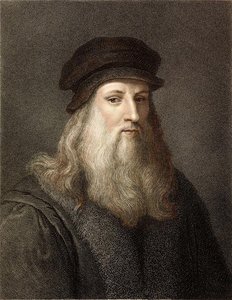
      Leonardo di ser Piero da Vinci, joka syntyi vuonna 1452 lähelle Toscanan Vinci-kylää, on kenties maailman tunnetuin renessanssin hahmo – todellinen polymaatti, jonka nälkäinen uteliaisuus vei häntä läpi eri tieteenalojen ja jätti pysyvän jäljen taiteeseen, tiedeeseen ja insinööritaitoon. Hänen nimensä on tullut synonyymiksi neroudelle, mikä on todistus hänen poikkeuksellisesta lahjakkuudestaan ja visionäärisestä ajattelustaan. Syntynyt aviottomana notaari Piero da Vincin ja talonpoikaisnaisen Caterinan lapsena, Leonardon varhaiset vuodet olivat epätavalliset, mutta ne tarjosivat hänelle pääsyn käytännön maailmaan ja syvän arvostuksen luontoa kohtaan, mikä muovasi hänen taiteellista näkemystään pysyvästi. Vaikka hän sai peruskoulutusta lukemiseen, kirjoittamiseen ja laskemiseen, vasta oppipoika-aika Andrea del Verrocchion työpajassa Firenzessä sytytti hänen luovuutensa todellisen kipinän. Verrocchion työpajassa Leonardo ei ainoastaan oppinut maalaamaan tai kuvanveistoa; hän uppoutui teknisen taidon maailmaan, halliten metallintyöstön, puusepäntyöt, piirtämisen ja taiteellisen luomisen monimutkaisuudet – perustan, jonka päälle hän rakensi monipuolisen neroutensa. Jo tämän muovaavan ajanjakson aikana kiersivät huhut hänen poikkeuksellisesta lahjakkuudestaan, ja kertomusten mukaan Verrocchio itse lopetti maalaamisen todistettuaan Leonardon ylivertaisen kyvyn.

      Milanolaiset innovaatiot ja taiteellinen kukoistus

      Vuonna 1482 Leonardo aloitti uuden luvun astumalla Milanon herttua Ludovico Sforzan palvelukseen. Tämä ei ollut pelkkä taiteellinen nimitys; Leonardo toimi hovin sotilasinsinöörinä, arkkitehtina, kuvanveistäjänä ja suunnittelijana – todiste hänen monipuolisista taidoistaan. Hän kehitti innovatiivisia linnoituksia, suunnitteli näyttäavia lavasteita ja hahmotteli jopa suunnitelmia fantastisille koneille. Kuitenkin juuri tänä aikana hän aloitti työt yhden ikonisimmista mestariteoksistaan: Viimeinen illallinen. Santa Maria delle Grazie -luostarin refektoriin freskona maalattu teos ylittää pelkän esittämisen; se on syvä tutkimusmatka ihmisen tunteisiin ja psykologiseen draamaan, vangiten tarkan hetken, jolloin Kristus ilmoittaa petoksesta. Aikanaan innovatiivinen sommittelu ja mestarillinen perspektiivin käyttö vaikuttaisivat syvästi länsimaiseen taiteeseen vuosisatojen ajan. Vaikka monet veistoprojektit jäivät keskeneräisiksi hänen Milanon aikanaan, Leonardon keksijähenki jatkoi kukoistustaan luoden pohjaa tuleville tieteellisille tutkimuksille.

      Paluu Firenzeen ja täydellisyyden tavoittelu

      Ranskan hyökättyä Milanoon vuonna 1499, Leonardo palasi Firenzeen, kaupunkiin, joka koki taiteellisen kehityksensä huipun. Vaikka hän valmistui tältä ajalta vähemmän teoksia, niiden vaikutus oli valtava. Täällä hän aloitti työt sen parissa, mitä tulee ehkä maailman kuuluisimmaksi maalaukseeksi: Mona Lisa (La Gioconda). Aiheen arvoituksellinen hymy ja vangitseva katse ovat lumonneet katsojia sukupolvien ajan, kun taas Leonardon vallankumouksellinen *sfumato*-tekniikka – valon ja varjon hienovaraiset siirtymät, jotka luovat usvaisia ääriviivoja ja ilmaperspektiiviä – vaikutti merkittävästi maalauksen eteeriseen laatuun. Tämä ajanjakso näki myös hänen anatomisten tutkimustensa jatkuvan hioutumista, jota ajoi järkkymätön halu ymmärtää ihmismuoto tieteellisellä tarkkuudella. Hän dissetoi ruumiita ja dokumentoi huolellisesti lihakset, luut ja elimet sarjassa uskomattoman yksityiskohtaisia piirroksia, jotka olivat vuosisatoja edellä aikaansa.

      Perintö taiteen ulkopuolella: tiede, keksinnöt ja kestävä vaikutus

      Leonardon myöhemmät vuodet leimatuivat matkustelulla Firenzen, Milanon ja Rooman välillä; häntä haettiin aina hänen asiantuntemuksensa vuoksi, mutta projektit jäivät usein keskeneräisiksi – kenties heijastuksena hänen levottomasta älystään ja kiinnostuksen kohteidensa valtavasta laajuudesta. Vuonna 1516 hän hyväksyi kuningas Francis I:n kutsun asua ja työskennellä Château du Clos Lucéssa Amboisen lähellä Ranskassa, missä hän vietti viimeiset vuotensa. Hän kuoli siellä vuonna 1519 jättäen jälkeensä valtavan perinnön, joka ulottuu taiteen rajojen ulkopuolelle. Hänen muistiinpanonsa paljastavat uraauurtavaa työtä anatomiassa, optiikassa, hydrauliikassa, geologiassa ja kartografiassa – ja hän hahmotteli keksintöjä, jotka olivat vuosisatoja edellä aikaansa, mukaan lukien lentokoneet, panssarivaunut ja kehittyneet aseet. Leonardo da Vincin vaikutus taidehistoriaan on mittaamaton. Hän nosti taiteilijoiden aseman taitavista käsityöläisistä älyllisiksi hahmoiksi osoittaen, että taiteellinen luominen voisi perustua tieteelliseen tutkimukseen ja syvään ymmärrykseen luonnonmaailmasta. Hänen maalauksiaan juhlitaan niiden realismin, psykologisen syvyyden ja innovatiivisten tekniikoiden vuoksi. Hän pysyy ihmisen uteliaisuuden, luovuuden ja tiedon loputtoman tavoittelun symbolina – todellisena renessanssin hengen ruumiillistumana, jonka perintö jatkaa ihailun ja lumouksen herättämistä vuosisatoja hänen kuolemansa jälkeen.

      Keskeiset saavutukset ja kestävä vaikutus

      • Maalaus: Mona Lisa, Viimeinen illallinen, Kalliit kalliot, Ilmestys
      • Piirtäminen ja luonnostelu: Laajat anatomiset tutkimukset, Insinööripiirrokset (lentokoneet, aseistus), Kasvitieteelliset kuvitukset
      • Tiede ja tekniikka: Uraauurtava työ anatomiassa, optiikassa, hydrauliikassa, geologiassa ja kartografiassa. Hahmoteltuja keksintöjä, jotka olivat vuosisatoja edellä aikaansa.
      Leonardo Da Vinci

      Leonardo Da Vinci

      1452 - 1519 , Italia

      Tietoa taiteilijasta

      • Artistic Movement Or Style: High Renaissance
      • Artists Or Movements Influenced By This Artist: ['Renaissance art']
      • Artists Who Influenced This Artist: ['Andrea del Verrocchio']
      • Date Of Birth: 15. huhtikuuta 1452
      • Date Of Death: 2. toukokuuta 1519
      • Full Name: Leonardo da Vinci
      • Nationality: Italialainen
      • Notable Artworks:
        • Mona Lisa
        • The Last Supper
      • Place Of Birth: Vinci, Italia
      Tutustu teoksiin, jotka on järjestetty aiheiden, tyylien ja ominaisuuksien mukaan.