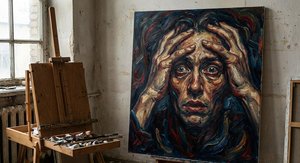
1914. Acrylic.

§ 1Luettelotiedot


Tämä teos on tekijänoikeuden suojaama
Tällä sivulla esitettyä taideteosta suojaa tekijänoikeuslaki, mikä tarkoittaa, ettemme voi laillisesti luoda tai myydä täsmälleen samanlaista jäljennöstä. Tämä suoja toteutetaan kansainvälisten sopimusten, kuten esimerkiksi Berne-konventio ja kansallisilla laeilla, mukaan lukien niillä määritellyt Yhdysvaltain tekijänoikeuslaki – Luku 17. Kaikki oikeudet pidätetään. Luvaton kopiointi tai jäljittely on kielletty.
Kunnioittavana ja laillisena vaihtoehtona tarjoamme alkuperäisestä inspiroituneita, yksilöllisiä ja käsinmaalattuja taideteoksia. Taitavat ja ammattimaiset taiteilijamme tutkivat huolellisesti alkuperäisen teoksen tyyliä, tunnelmaa ja taiteellista ydintä luodakseen uuden, ainutlaatuisen teoksen, joka herättää saman tunteen – säilyttäen samalla oman itsenäisen alkuperäisyytensä.
Tämä menetelmä noudattaa täysin tekijänoikeussäännöksiä, sillä se ei sisällä suojatun taideteoksen kopioimista tai jäljentämistä. Sen sijaan kyseessä on luova uudelleentulkinta – uusi maalaus, joka ammentaa vaikutteita alkuperäisestä, mutta ei ole sen identtinen kopio.
 Lue lisää
§ 2Abstrakti
Keräilykohteen kuvaus
Marc Chagall’s mesmerizing ‘David in profile’ captures a dreamlike musical scene—a man playing the zither amidst fellow musicians and vibrant colors—reflecting his Vitebsk heritage and pioneering Expressionist style. Explore this iconic masterpiece and bring its enchanting vision home.
Taiteilijan elämäkerta
Uppea Marc Chagall (1887-1985): Venäläis-ranskalainen taidemaalari, jonka unenomaiset maalaukset ja juutalaisen perinteen teemat lumoavat! Tutustu hänen perintöönsä!
§ 3Kommentointi
A Symphony of Color and Memory: Exploring Marc Chagall’s “David in Profile”
The painting "David in Profile" by Marc Chagall, completed in 1914, isn't simply a depiction of a musician; it’s an embodiment of Chagall’s distinctive artistic philosophy—a profound meditation on Jewish identity and the enduring influence of folklore. Captured in vibrant hues against a backdrop reminiscent of Vitebsk, Belarus, this artwork speaks volumes about Chagall’s formative years and his unwavering commitment to translating dreams into tangible visual form.- Subject Matter: The central figure is a man seated comfortably, holding a zither—a traditional Jewish instrument—suggesting both musical artistry and contemplation. Surrounding him are other musicians and individuals engaged in social interaction, creating an atmosphere of communal celebration.
- Style: Chagall’s style is undeniably Surrealist, yet it transcends categorization. He employs flattened perspectives, distorted figures, and fantastical imagery to convey emotion rather than precise representation. This approach aligns perfectly with the artist's desire to capture not just what he sees but what he *feels*.
- Technique: Chagall predominantly utilized oil paints on canvas, applying them in thick impasto—a technique characterized by textured brushstrokes—which lends a palpable physicality to the artwork. The bold colors are applied with expressive confidence, creating an illusion of movement and capturing the luminous quality of Vitebsk’s landscapes.
Historical Context: Vitebsk and the Artistic Avant-Garde
Vitebsk in 1914 was a crossroads of cultures—a city grappling with modernization while fiercely preserving its traditions. Chagall's upbringing within Vitebsk’s Hasidic Jewish community profoundly shaped his artistic vision. The painting reflects this duality, mirroring the tensions between faith and reason that permeated European intellectual life at the time. Simultaneously, it aligns with the burgeoning Surrealist movement, spearheaded by André Breton, which sought to liberate art from rational constraints and tap into the subconscious mind. Chagall’s engagement with Vitebsk's cultural landscape served as a catalyst for his artistic experimentation.Symbolism: Flight, Harmony, and Remembrance
The painting overflows with symbolic imagery. The figures appear to float or glide effortlessly, representing liberation from earthly concerns and embodying the artist’s belief in spiritual transcendence—a recurring motif throughout Chagall's oeuvre. The zither itself symbolizes Jewish musical heritage and serves as a conduit for conveying emotion. Furthermore, the luminous colors of Vitebsk – predominantly greens and yellows – evoke memories of Chagall’s childhood home and symbolize hope and renewal.Emotional Impact: A Window into Chagall’s Soul
“David in Profile” isn't merely aesthetically pleasing; it possesses a deep emotional resonance. It captures the spirit of Vitebsk—a place brimming with life, faith, and artistic fervor—and invites viewers to contemplate themes of identity, memory, and the transformative power of imagination. Chagall’s masterful use of color and technique creates an immersive experience that transports us back to his formative years, reminding us that art can serve as a powerful vehicle for conveying profound human emotions. It's a testament to Chagall's ability to distill complex ideas into deceptively simple visual forms—a captivating glimpse into the artist’s inner world.Kysymykset ja vastaukset
Onko Marc Chagall:n "David in profile" vapaasti käytettävissä oleva teos?
Tekijänoikeustiedot teokselle Marc Chagall:n "David in profile": teos on on edelleen tekijänoikeuden alainen. Tämä määrittää, voidaanko kuvasta tehdä vapaasti jäljennöksiä.
Miten teoksen "David in profile" tyyli suhteutuu sen tekijän aikakauteen?
Marc Chagall:n "David in profile" kuuluu Expressionist Surrealism-suuntaukseen ja sijoittuu tekijänsä Modernismi aikakaudelle.
Millä tekniikalla "David in profile" on tehty?
Teoksen Marc Chagall:n "David in profile" tekniikka on Acrylic. Vedosten tavoitteena on jäljitellä tämän tekniikan ulkoasua.
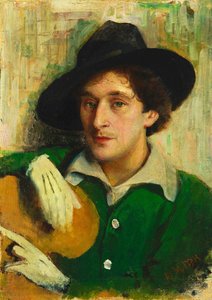


 Vaihda tulosteeseen


 Teoksille tai reproduktioille, joiden mikä tahansa sivu on suurempi kuin 105 cm (noin 41 tuumaa), kehys toimitetaan osina purettuna sarjana. Tämä menetelmä varmistaa turvallisen toimituksen ja ehkäisee vaurioita kuljetuksen aikana.