Rahat takaisin -takuu · 100 päivää Ilmainen toimitus ympäri maailman
449 582teokset 30 618taiteilijat 4 705museot 32kielet
Valuutta
    Kieli
      Ateljee · Perustettu 2015 · Pariisi, Ranska
      AllPaintingsStore
      allpaintingsstore.com
      Katso seinällä Esikatsele AR-tilassa Vaihda tulosteeseen Siirry digitaaliseen kuvaan Lähetä
      Tarkemmat tiedot Opas Lisää suosikkeihin Lataa kuva Samanlaisia kohteita Röntgenkuvaus Diaesitys Tilastot

      Nro 8

      Tutustu Mark Rothkon vaikuttavaan 'Nro 8' -maalaistykseen! Vihreät ja oranssit sävyt luovat syvällisen tunnesävyn. Opi taideteoksen tausta, merkitys ja Rothkon ainutlaatuinen tyyli.

      Tutustu Mark Rothkonin ikoniseen Color Field -maalaukseen ja abstrakti ekspressionismiin. Löydä tämän keskeisen modernin taiteilijan tunteellinen syvyys ja pysyvä vaikutus.

      Tällä sivulla esitettyä taideteosta suojaa tekijänoikeuslaki, mikä tarkoittaa, ettemme voi laillisesti luoda tai myydä täsmälleen samanlaista jäljennöstä. Tämä suoja toteutetaan kansainvälisten sopimusten, kuten esimerkiksi Berne-konventio ja kansallisilla laeilla, mukaan lukien niillä määritellyt Yhdysvaltain tekijänoikeuslaki – Luku 17. Kaikki oikeudet pidätetään. Luvaton kopiointi tai jäljittely on kielletty.

      Kunnioittavana ja laillisena vaihtoehtona tarjoamme alkuperäisestä inspiroituneita, yksilöllisiä ja käsinmaalattuja taideteoksia. Taitavat ja ammattimaiset taiteilijamme tutkivat huolellisesti alkuperäisen teoksen tyyliä, tunnelmaa ja taiteellista ydintä luodakseen uuden, ainutlaatuisen teoksen, joka herättää saman tunteen – säilyttäen samalla oman itsenäisen alkuperäisyytensä.

      Tämä menetelmä noudattaa täysin tekijänoikeussäännöksiä, sillä se ei sisällä suojatun taideteoksen kopioimista tai jäljentämistä. Sen sijaan kyseessä on luova uudelleentulkinta – uusi maalaus, joka ammentaa vaikutteita alkuperäisestä, mutta ei ole sen identtinen kopio.

      Käsinmaalattu öljyvärinen jäljennös

      Käsinmaalattu öljyväri kankaalle haluamassasi koossa ja kehyksissä, taiteilijoidemme valmistamana tilauksesta. ( Vaihda tulosteeseen Siirry digitaaliseen kuvaan)

      Corner sample of the P118B picture frame: moulded polystyrene, 5 cm wide and 3 cm thick
      P118B 10
      Corner sample of the P118H picture frame: moulded polystyrene, 5 cm wide and 3 cm thick
      P118H 10
      Corner sample of the P118W picture frame: moulded polystyrene, 5 cm wide and 3 cm thick
      P118W 10
      Corner sample of the P438Z picture frame: moulded polystyrene, 5.5 cm wide and 3.5 cm thick
      P438Z 10
      Corner sample of the P508JH picture frame: moulded polystyrene, 7 cm wide and 3.5 cm thick
      P508JH 12
      Corner sample of the P508YH picture frame: moulded polystyrene, 7 cm wide and 3.5 cm thick
      P508YH 12
      Corner sample of the P805H picture frame: moulded polystyrene, 5 cm wide and 3.5 cm thick
      P805H 10
      Corner sample of the P805Z picture frame: moulded polystyrene, 5 cm wide and 3.5 cm thick
      P805Z 10
      Corner sample of the P919BZ picture frame: moulded polystyrene, 7 cm wide and 3.5 cm thick
      P919BZ 10
      Corner sample of the P919G picture frame: moulded polystyrene, 7 cm wide and 3.5 cm thick
      P919G 10
      Corner sample of the P919XJ picture frame: moulded polystyrene, 7 cm wide and 3.5 cm thick
      P919XJ 10
      Corner sample of the P959ZH picture frame: moulded polystyrene, 5 cm wide and 3 cm thick
      P959ZH 10
      Corner sample of the P968JZ picture frame: moulded polystyrene, 6 cm wide and 4 cm thick
      P968JZ 12
      Corner sample of the W106C picture frame: solid wood, 5 cm wide and 3 cm thick
      W106C 8
      Corner sample of the W218G picture frame: solid wood, 5 cm wide and 3 cm thick
      W218G 10
      Corner sample of the W218JH picture frame: solid wood, 5 cm wide and 3 cm thick
      W218JH 8
      Corner sample of the W218Y picture frame: solid wood, 5 cm wide and 3 cm thick
      W218Y 10
      Corner sample of the W307PJ picture frame: solid wood, 6 cm wide and 3 cm thick
      W307PJ 10
      Corner sample of the W316G picture frame: solid wood, 6 cm wide and 3 cm thick
      W316G 10
      Corner sample of the W316PJ picture frame: solid wood, 6 cm wide and 3 cm thick
      W316PJ 8
      Corner sample of the W316Y picture frame: solid wood, 6 cm wide and 3 cm thick
      W316Y 10
      Corner sample of the W398PJ picture frame: solid wood, 5 cm wide and 3 cm thick
      W398PJ 8
      Corner sample of the W4111J picture frame: solid wood, 6.5 cm wide and 3.5 cm thick
      W4111J 10
      Corner sample of the W500HY picture frame: solid wood, 7 cm wide and 5 cm thick
      W500HY 15
      Corner sample of the W500JH picture frame: solid wood, 7 cm wide and 5 cm thick
      W500JH 15
      Corner sample of the W692G picture frame: solid wood, 8 cm wide and 4 cm thick
      W692G 12
      Corner sample of the W849H picture frame: solid wood, 5 cm wide and 3 cm thick
      W849H 8
      Corner sample of the W940BG picture frame: solid wood, 7.5 cm wide and 4.5 cm thick
      W940BG 15
      Corner sample of the W953PJ picture frame: solid wood, 6 cm wide and 3.5 cm thick
      W953PJ 8

      Vakiokoko
      mittatilaustyö
      CM
      INCH

      Valitse valmiista mitoistamme sellaiset, jotka vastaavat teoksen alkuperäisiä mittasuhteita.

      leveys
      korkeus

      Voit syöttää omat mitat sopimaan tiettyyn kehykseen tai tilaan. Jos valitsemasi koko ei vastaa alkuperäisen kuvan mittasuhteita, rajaamme taideteoksen tai jatkamme maalausta käsin maalatuilla elementeillä. Digitaalinen esikatselu lähetetään hyväksyttäväksi ennen tuotannon aloittamista.
      Huomioithan, että näytöllä oleva esikatselu ei vastaa todellista rajausta tai jatkamista. Vain digitaalinen mallikuva näyttää lopullisen sommittelun tarkasti.
      Vaikka mittatilaustyöt ovat mahdollisia, suosittelemme valitsemaan mitan ennalta määritetystä listasta alkuperäisten mittasuhteiden säilyttämiseksi.

      Esimerkkejä muokattavista asioista: Vaihda kasvot asiakkaan omaan valokuvaan; Lisää lemmikki (esim. korvaa kissa koiralla); Lisää taustalle piilotettu viesti; Muuta taustan maisemaa tai elementtejä.
      Tilauksen jälkeen AllPaintingsStore.com -tiimi lähettää asiakkaalle sähköpostitse ohjeet ja esikatselukuvan.

      Maailmanlaajuinen toimitus () 3–4 viikossa tavallisen 5 viikon sijaan. (11 lokakuu). Laadusta ei tingitä.

      Ilmainen pikatoimitus ympäri maailman
      Korkealaatuinen pellavakangas
      Kattava kuljetusvakuutus
      Tulliveron palautustakuu
      Takuu täydellisestä värien vastaavuudesta
      100 päivän palautusoikeus valmistusvirhetapauksissa
      100% rahat takaisin -takuu
      Määräalennus saatavilla

      Kokonaishinta

      € 222

      Nro 8

      Reproduktiotapa

      Replikaatin koko

      -

      Kokonaishinta

      € 222

      Pikaista tietoa

      • Dimensions: 173 x 205 cm
      • Notable elements or techniques: Bold orange background; Simple rectangular forms
      • Artistic style: Minimalist abstraction
      • Year: 1952
      • Location: The Museum at The University of York
      • Movement: Color Field Painting
      • Subject or theme: Emotional exploration

      Taidevisakysely

      Jokaisessa kysymyksessä on vain yksi oikea vastaus.

      Kysymys 1:
      What artistic movement is Mark Rothko’s ‘No.8’ primarily associated with?
      Kysymys 2:
      Approximately how large is the canvas of ‘No.8’?
      Kysymys 3:
      What color dominates the background of ‘No.8’?
      Kysymys 4:
      In what year was ‘No.8’ created?
      Kysymys 5:
      Rothko's use of large rectangular color forms is a characteristic technique known as:

      Mark Rothko: No.8 – A Journey Into Color’s Depths

      Mark Rothko, yksi 2000-luvun merkittävimmistä taiteilijoista, tunnetaan syvästi tunteita herättävistä ja pohdiskelevista värimaalauksistaan. Hänen työnsä keskiössä on "No.8", mestariteos, joka täydellisesti edustaa hänen ainutlaatuista tyyliään ja taiteellista filosofiaansa. Tämä suuri öljyvärimaalaus, jonka mitat ovat 173 x 205 cm, ei ole pelkästään värien yhdistelmä, vaan matka syvälle ihmisen tunteiden ja kokemusten maailmaan. Maalauksen ytimessä on voimakas oranssi tausta, joka luo dramaattista kontrastia muihin elementteihin ja luo illuusion syvyyttä ja ulottuvuutta. Rothko oli 1940-luvulla kiinnostunut surrealistisesta taiteesta ja myöhemmin kehitti tunnusomaisen tyylinsä, jossa yksinkertaiset suorakulmiot muodostavat pohjan maalauksilleen.

      Color Field Painting – Värimaalauksen Taika

      "No.8" on keskeinen esimerkki "color field painting” -tyylistä, joka syntyi 1940-luvulla. Tässä tyylissä suuret, yhtenäiset värialueet ovat keskiössä, ja taiteilijat pyrkivät luomaan immersiivisen kokemuksen katsojalle. Rothko ei käyttänyt perinteisiä muotoja tai yksityiskohtia, vaan keskittyi puhtaiden värien voimaan ja niiden väliseen vuorovaikutukseen. Maalauksen oranssi tausta toimii kuin tyhjä kangas, johon muut värit ja muodot on upotettu luoden tunteen syvyydestä ja ulottuvuudesta. Rothko ei halunnut maalata kuvia tai esittää konkreettisia asioita, vaan pyrki välittämään tunteita ja kokemuksia suoraan katsojan sieluun. Maalauksen värit ovat valittu huolellisesti niiden kyvyn herättää voimakkaita tunteita pohjalta.

      Historiallinen Konteksti ja Taiteellinen Kehitys

      Rothkon taiteellinen matka oli monimutkainen ja jatkuva kehitysprosessi. Aluksi hänen maalauksensa heijastivat kaupunkielämää ja myöhemmin hän kokeili mytologisia teemoja ja surrealismia 1940-luvulla. Kuitenkin vasta myöhemmässä vaiheessa, 1940-luvun lopussa, hän kehitti tunnusomaisen tyylinsä, jossa suorakulmiot muodostavat pohjan maalauksilleen. Tämä tyyli oli vastakohta aikaisemmille töille ja heijasti Rothkon syvää pohdiskelua ihmisen olemassaolosta ja elämän tarkoituksesta. Hänen taiteellinen näkökulmansa muuttui, kun hän alkoi keskittyä värien emotionaaliseen voimaan ja niiden kykyyn herättää tunteita katsojissa.

      Symboliikka ja Emotionaalinen Vaikutus

      "No.8” ei ole vain värien yhdistelmä, vaan se on täynnä symboliikkaa ja tunnekuormitusta. Oranssi tausta voi edustaa lämpöä, energiaa ja intohimoa, kun taas muut värit luovat harmonian ja tasapainon. Maalauksen yksinkertaiset muodot voivat herättää ajatuksia rauhasta, surusta tai toivosta. Rothko ei antanut katsojalle valmiita vastauksia, vaan jätti heille tilaa omien tulkintojensa ja kokemustensa pohdintaan. Maalaus on kuin peili, joka heijastaa katsojan sisäistä maailmaa. Se kutsuu katsojaa syventämään itseään värien ja muotojen maailmaan ja löytämään oman merkityksensä taideteoksesta.

      Korkealaatuiset Reproduktiot AllPaintingsStore.com:ssa

      Jos haluat omistaa osan Rothkon perintöstä, AllPaintingsStore.com tarjoaa käsinmaalattuja öljyvärimaalauksia hänen teoksistaan. Nämä korkealaatuiset reproduktiot vangitsevat maalauksen alkuperäisen kauneuden ja tunnelman, tekemällä taideteoksen saataville laajemmalle yleisölle. Voit löytää täydellisen lisäyksen omaan kotiisi tai toimistoon, joka tuo ripauksen modernia taidetta ja syvällistä tunnetta. Tutustu AllPaintingsStore.com:in valikoimaan ja löydä "No.8" -reproduktio, joka inspiroi sinua!

      Kysymykset ja vastaukset

      Mihin tilaan Mark Rothko:n "Nro 8" suositellaan?

      "Nro 8"-teoksen reproduktio sopii hyvin Olohuone-tilaan.

      Kuinka vaalea "Nro 8" on kokonaisuudessaan?

      Kokonaisuudessaan teoksen "Nro 8" kirkkaus on kirjattu arvoon loistava. Koettu kirkkaus kuvaa sitä, kuinka vaaleana tai tummana teos vaikuttaa.

      Mikä on teoksen Mark Rothko:n "Nro 8" valmistumisvuosi?

      Teos Mark Rothko:n "Nro 8" on valmistunut vuonna 1952.

      Kuka on luonut "Nro 8"?

      Teoksen "Nro 8" taiteilija on Mark Rothko. Teos on luetteloitu Mark Rothko nimellä.

      Missä ja mihin tarkoitukseen "Nro 8" suositellaan?

      "Nro 8" on suositeltava Keskeinen teos-tarkoitukseen, ja suositeltu tila teokselle on Olohuone.

      Onko Mark Rothko:n "Nro 8" tekijänoikeusvapaa?

      Tekijänoikeustiedot teokselle Mark Rothko:n "Nro 8": teos on on edelleen tekijänoikeuden suojaama. Tämä määrittää, voidaanko kuvasta tehdä vapaasti jäljennöksiä.

      Kuinka vanha Mark Rothko oli luodessaan "Nro 8" vuonna 1952?

      Mark Rothko oli 49 vuotias luodessaan teoksen "Nro 8" vuonna 1952. Ikä on laskettu taiteilijan syntymävuodesta 1903.


      Taiteilijan elämäkerta

      Early Life and the Seeds of Artistic Vision

      Mark Rothko, born Markus Yakovlevich Rothkowitz in Dvinsk, Latvia, in 1903, carried within him from the outset a sense of displacement that would profoundly shape his artistic journey. His early years were marked by the anxieties of a Jewish family living within the Pale of Settlement, shadowed by pogroms and political unrest. This atmosphere instilled a deep sensitivity to human suffering, a theme that would resonate throughout his oeuvre. The 1913 immigration to Portland, Oregon, represented not just a geographical shift but a cultural upheaval for the young Rothko. While his father, a pharmacist and intellectual with socialist leanings, fostered a home filled with debate and learning, the loss of Jacob Rothkowitz shortly after their arrival cast a long shadow. This early experience of loss, coupled with the challenges of assimilation, fueled a lifelong exploration of existential themes – mortality, trauma, and the search for meaning in a chaotic world. Though he excelled academically at Yale University, Rothko found himself drawn more to the vibrant energy of New York City, abandoning formal studies to pursue his passion for art at the Art Students League. These formative years laid the groundwork for an artistic vision that would ultimately challenge conventional notions of painting and redefine the emotional power of color.

      From Figurative Beginnings to Abstract Expressionism

      Rothko’s initial artistic explorations were firmly rooted in realism, depicting urban scenes and portraits with a keen eye for detail. However, these early works already hinted at the psychological depth that would become his hallmark. As the 1940s unfolded, and the world grappled with the horrors of World War II, Rothko’s art underwent a dramatic transformation. Influenced by Surrealism and mythology, he began to move away from representational imagery, seeking instead to express universal human emotions through symbolic forms. This period saw the emergence of multi-form paintings – canvases populated by ambiguous, biomorphic shapes that seemed to hover between figuration and abstraction. These works were not merely experiments in form; they were deeply felt responses to the anxieties and uncertainties of a world at war. By the late 1940s, Rothko had arrived at his signature style: large-scale canvases featuring rectangular blocks of color that appeared to float and resonate with one another. He stripped away all vestiges of recognizable imagery, focusing instead on the pure emotional impact of color and form. This marked a pivotal moment in the development of Abstract Expressionism, and established Rothko as a leading figure in this groundbreaking movement.

      The Color Field and the Pursuit of Transcendence

      Rothko’s mature work is defined by what came to be known as “Color Field” painting – vast expanses of luminous color that envelop the viewer in an immersive experience. These paintings are not about *what* they depict, but rather *how* they make you feel. Rothko believed that art should engage the viewer viscerally, bypassing intellectual analysis and speaking directly to the emotions. He meticulously layered thin washes of paint, creating subtle variations in tone and texture that seemed to emanate from within the canvas. The edges of his rectangular forms are often blurred, allowing them to blend and interact with one another, creating a sense of depth and movement. Rothko deliberately avoided titles beyond numbers – “No. 1,” “No. 6” – encouraging viewers to confront the paintings without preconceived notions and allow their own emotional responses to guide their experience. He sought to create a space for contemplation, a sanctuary where viewers could connect with something larger than themselves. His ambition was nothing less than to evoke profound spiritual experiences through the language of color.

      Major Achievements and Lasting Legacy

      Among Rothko’s most significant achievements are “No. 10 (1950),” a pivotal work that exemplifies his evolving style, and the Seagram Murals (1958). Commissioned for the Four Seasons restaurant in New York City, these murals were ultimately rejected by Rothko, who felt they would be compromised by their intended environment. He instead donated them to the Tate Gallery in London, where they continue to inspire awe and contemplation. Perhaps his most ambitious project was the Rothko Chapel (1971) in Houston, Texas – a non-denominational sanctuary housing fourteen of his paintings. Designed as a space for quiet reflection, the chapel is considered a sacred place by many, embodying Rothko’s belief in the spiritual power of art. Rothko's influence on subsequent generations of artists has been immense. He paved the way for Minimalist art and continues to inspire contemporary painters who explore the emotional possibilities of abstraction. Despite struggling with depression throughout his life, culminating in his tragic suicide in 1970, Mark Rothko remains one of the most important and influential artists of the 20th century – a master of color whose work continues to resonate with audiences around the world. ## The Enduring Power of Emotional Resonance
      • Rothko’s paintings are celebrated for their ability to convey universal human emotions—tragedy, ecstasy, despair, and hope.
      • His exploration of color as a vehicle for emotional expression revolutionized abstract painting.
      • The Rothko Chapel stands as a testament to his belief in the spiritual power of art.
      • He remains a pivotal figure in Abstract Expressionism and a major influence on contemporary artists.
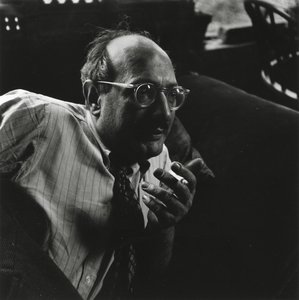
      Mark Rothko

      Mark Rothko

      1903 - 1970 , Latvia

      Tietoa taiteilijasta

      • Artistic Movement Or Style: Abstrakti ekspressionismi
      • Artists Or Movements Influenced By This Artist: ['Minimalismi']
      • Date Of Birth: 25. syyskuuta 1903
      • Date Of Death: 25. helmikuuta 1970
      • Full Name: Mark Rothko
      • Nationality: Venäläinen imperiumi-Amerikan kansalainen
      • Notable Artworks:
        • Ei. 10 (1950)
        • Seagram Murals
        • Rothko Chapel
      • Place Of Birth: Dvinsk, Latvia
      Tutustu teoksiin, jotka on järjestetty aiheiden, tyylien ja ominaisuuksien mukaan.