Esikatselu
 Jaa
Jaa Jaa
Jaa
 Tarkemmat tiedot

 Lataa
Lataa
 Samanlaisia
 Röntgenkuva
 Diaesitys
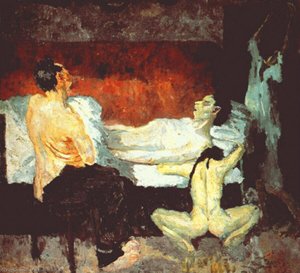
Day and Dream. Magic Mirror
 Acrylic On Canvas
- WallArt
- Expressionist Modernism
 1946
1946- Early Modern
 31.0 x 22.0 cm
 Näytä lisää
Giclée-printit ja taideprintit
Museolaatuisia giclée- tai kankaitaulun tulosteita nopealla tuotannolla ja joustavilla viimeistelyvaihtoehdoilla. ( Osta käsintehty maalaus Osta kuva)




P118B $10

P118H $10

P118W $10

P438Z $10

P508JH $12

P508YH $12

P805H $10

P805Z $10

P919BZ $10

P919G $10

P919XJ $10

P959ZH $10

P968JZ $12

W106C $8

W218G $10

W218JH $8

W218Y $10

W307PJ $10

W316G $10

W316PJ $8

W316Y $10

W398PJ $8

W4111J $10

W500HY $15

W500JH $15

W692G $12

W849H $8

W940BG $15

W953PJ $8




Valitse valmiista mitoistamme sellaiset, jotka vastaavat teoksen alkuperäisiä mittasuhteita.

Voit syöttää omat mitat sopiaksesi tiettyyn kehykseen tai tilaan. Jos valittu koko ei vastaa alkuperäisen kuvan mittasuhteita, rajaamme teosta tai laajennamme kuvaa peilatulla tai yhtenäisellä reunalla. Digitaalinen mallikuva lähetetään hyväksyttäväksi ennen tuotannon aloittamista.
Huomaathan, että näytöllä näkyvä esikatselu ei vastaa lopullista rajausta tai laajennusta. Vain mallikuva näyttää lopullisen sommittelun tarkasti.
Vaikka räätälöityjä kokoja on saatavilla, suosittelemme valitsemaan mitat valmiista listasta alkuperäisten mittasuhteiden säilyttämiseksi.
Toimitus maailmanlaajuisesti () kahdessa viikossa tavallisen 4–5 viikon sijaan. (19 elokuu)

Ilmainen pikatoimitus ympäri maailman

Korkealaatuinen pellavakangas

Kattava kuljetusvakuutus

Tulliveron palautustakuu

Täydellinen värien vastaavuustakuu

60 päivän palautusoikeus (vain valmistusvirheet)

100% rahat takaisin -takuu

Määräalennus tarjous
 Lasivaihtoehto on saatavilla vain alle 110 cm kokoisina teoksina

Day and Dream. Magic Mirror
Giclée-printit ja taideprintit
Replikaatin koko
-


Kokonaishinta
$ 64
Teoksen kuvaus
Max Beckmann's "Day and Dream. Magic Mirror" – A Study in Disquiet
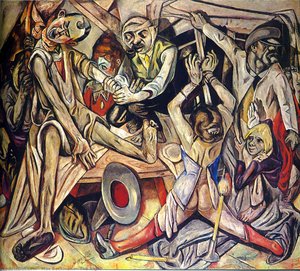
This meticulously crafted hand-painted reproduction of Max Beckmann’s “Day and Dream. Magic Mirror” (1946) offers a profound glimpse into the artist’s intensely personal and psychologically charged vision. Executed on archival quality paper with exacting attention to detail, this artwork transcends mere representation; it is an exploration of identity, reflection, and the unsettling nature of perception itself. Beckmann, born in Leipzig in 1884, was a pivotal figure in 20th-century art, moving from early academic training to a powerfully expressive style marked by distortion and fragmentation – a direct response to his experiences during World War I.
- Subject Matter: The scene depicts a solitary woman confronting her reflection within a mirror. This seemingly simple composition is layered with complex symbolism, inviting viewers to contemplate the nature of self-awareness and the potential for illusion.
- Style & Technique: Beckmann’s technique is characterized by bold lines, flattened perspective, and a deliberate rejection of traditional realism. The use of stark black and white amplifies the emotional intensity, creating a sense of claustrophobia and unease. Notice the meticulous rendering of textures – the smooth surface of the mirror contrasting with the rough fabric of the chairs – adding to the artwork’s tactile quality.
Historical Context & Beckmann's Vision
Created in 1946, “Day and Dream. Magic Mirror” emerged from a period of profound upheaval in Europe following World War II. Beckmann’s artistic trajectory was deeply influenced by the trauma of war and his experiences as a medical orderly during the conflict. This led to a shift in his style – moving away from representational accuracy towards a more subjective and emotionally driven approach. His work echoes the anxieties and uncertainties of the post-war era, reflecting a fractured sense of reality and a questioning of established values. Beckmann’s artistic lineage is equally significant; he drew inspiration from medieval stained glass, particularly the symbolic imagery found in Bosch and Grünewald, alongside influences from Cézanne, Van Gogh, Blake, Rembrandt, and Rubens – creating a unique synthesis that anticipates both Expressionism and Surrealism.
- Medieval Symbolism: The mirror itself is a potent symbol, harking back to medieval iconography where mirrors were often associated with divine revelation and the soul’s journey.
- Expressionist Roots: Beckmann's distortion of form anticipates the key tenets of Expressionism, prioritizing emotional impact over objective representation.
Symbolic Layers & Emotional Resonance
The inclusion of two additional figures – one on either side of the woman – adds another layer of complexity to the scene. These ambiguous presences could represent memories, anxieties, or perhaps even distorted versions of the self. The dining table, a recurring motif in Beckmann’s work, suggests themes of social interaction and isolation. The overall effect is deeply unsettling, prompting viewers to confront uncomfortable questions about identity, perception, and the fragility of human experience. “Day and Dream. Magic Mirror” isn't merely a depiction; it’s an invitation to engage with the darker aspects of the human psyche.
- The Mirror as Metaphor: The mirror serves as a powerful metaphor for self-reflection, but also for the potential for deception and illusion.
- Emotional Impact: This artwork evokes feelings of melancholy, introspection, and perhaps even a sense of dread – qualities that have long defined Beckmann’s most compelling works.
Perfect for Interior Design & Art Collection
This hand-painted reproduction of “Day and Dream. Magic Mirror” is more than just a beautiful image; it's an investment in art history and a statement of sophisticated taste. Its compact size (31 x 22 cm) makes it ideal for a variety of settings, from a study or bedroom to a gallery wall. The high-quality materials and meticulous craftsmanship ensure that this reproduction will retain its beauty and value for years to come. Bring the profound vision of Max Beckmann into your home or office – a timeless piece that continues to challenge and inspire.
Samankaltaisia teoksia


Taiteilijan elämäkerta
early life and artistic development
Max Carl Friedrich Beckmann, a german painter, draftsman, printmaker, sculptor, and writer, was born on february 12, 1884, in leipzig, saxony. His artistic journey began with academically correct depictions—a reflection of the prevailing artistic sensibilities of his time—which later transformed into distorted figures and spaces. This dramatic shift wasn’t merely stylistic; it mirrored Beckmann's profound psychological reckoning following his service as a medical orderly during world war i, an experience that indelibly scarred him and fundamentally altered his perception of humanity. The trauma of the conflict fueled a desire to express the darker aspects of human existence—a preoccupation that would characterize much of his oeuvre.artistic style and influences
Beckmann’s distinctive artistic style emerged from a deep engagement with medieval stained glass imagery, absorbing its symbolic richness and expressive power. However, he wasn't solely bound by tradition; he actively sought inspiration from prominent artists who had shaped the visual landscape of his era. Georges Seurat’s meticulous observation of light and color served as a counterpoint to Vincent van Gogh’s emotionally charged brushstrokes—a dialogue between precision and passion that informed Beckmann’s artistic vision. Furthermore, he drew heavily from the works of Rembrandt, Bosch, Bruegel, and Rubens, artists who excelled in portraying human suffering and spiritual contemplation. These influences instilled in him a commitment to conveying complex emotions through visual language.notable works and exhibitions
Beckmann's artistic output is marked by several seminal pieces that exemplify his stylistic innovations and thematic concerns. “The Bark,” acquired by the national gallery in berlin, stands as a testament to his ability to capture the desolate beauty of nature—a motif recurring throughout his paintings. Equally compelling is “Self-Portrait in Tuxedo,” purchased in 1928, which offers an intimate glimpse into Beckmann’s inner life and artistic introspection. His retrospectives at the städtische kunsthalle mannheim (1928) and in basle and zurich (1930) cemented his reputation as a leading figure of German Expressionism and showcased the breadth of his artistic exploration.later life and exile
Beckmann’s personal trajectory took an abrupt turn with the ascendancy of Adolf Hitler, resulting in his dismissal from the art school in frankfurt—a devastating blow to his ambitions—and the confiscation of over 500 of his artworks by the nazis. Forced into self-imposed exile in amsterdam for ten years, Beckmann wrestled tirelessly for a visa to emigrate to the united states, a pursuit that ultimately proved unsuccessful. Despite these hardships, he continued to produce significant works during his exile period, demonstrating unwavering artistic dedication.legacy
Beckmann’s influence extends beyond his own lifetime, shaping subsequent generations of artists and contributing to the ongoing dialogue about art's role in confronting existential anxieties. He taught at the art schools of washington university in st. louis and the brooklyn museum—passing on his knowledge and fostering a new cohort of talent. His first retrospective in the united states took place in 1948 at the city art museum, saint louis—a pivotal moment recognizing his enduring artistic legacy. Max-slevogt galerie, germany continues to champion Beckmann’s oeuvre, ensuring that his powerful imagery remains accessible to audiences worldwide.
Max Beckmann
1884 - 1950 , Saksa
Pikatiedot
- Artistic Movement Or Style: Expressionismi
- Artists Or Movements Influenced By This Artist: ['Rembrandt']
- Artists Who Influenced This Artist:
- Georges Seurat
- Vincent van Gogh
- Date Of Birth: Helmikuu 12, 1884
- Date Of Death: Joulukuu 27, 1950
- Full Name: Max Carl Friedrich Beckmann
- Nationality: Saksa
- Notable Artworks:
- The Bark
- Itselättö
- Place Of Birth: Leipzig, Saksa
Liittyvät artikkelit

Valkean mestariteoksia: Top 10 kuuluisinta maalausta ja niiden tarinat – AllPaintingsStore.com
Tutustu 10 kuuluisimpaan valkoiseen maalauteen – Monet'sta Rothkoon. Inspiroivat tarinat, taidehistoriaa ja tekniikoita. Löydä täydellinen sisustustaulu AllPaintingsStore.com:ista! Tutki kokoelma verkossa.

Mustan sävyt taiteessa: 10 kuuluisinta mestariteosta ja niiden tarinat
Tutustu 10 kuuluisimpaan mustasävyiseen mestariteokseen! Rembrandtista Manetiin, syvenny taiteen historiaan ja synkkiin tunnetiloihin. Laadukkaat taidevedokset sisustukseesi AllPaintingsStore.com:ssa. Tutustu kokoelmaamme verkossa!

Giclée Prints: Archival Quality & Aesthetic Nuances for the Discerning Collector
Explore the world of giclée prints with AllPaintingsStore. Learn about archival quality, aesthetic nuances & investment potential. Expert guidance for discerning art collectors seeking museum-quality reproductions and lasting value.

Beyond Color: The Timeless Power and Artistry of Black and White Photography
Explore the profound artistry of black and white photography. From the chemistry of gelatin silver to the chiaroscuro of the Old Masters, discover how monochrome captures the eternal essence of light, form, and emotion for the discerning art collector.
Monochrome Visions: Exploring the Aesthetic & Historical Significance of Black & White Photography
Explore the rich history & artistic power of black and white photography. From early techniques to iconic masters like Ansel Adams, discover why monochrome continues to captivate art lovers today. Expert insights for collectors.