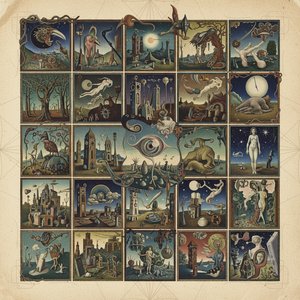
1923. Oil On Canvas.

§ 1Luettelotiedot


Tämä teos on tekijänoikeuden suojaama
Tällä sivulla esitettyä taideteosta suojaa tekijänoikeuslaki, mikä tarkoittaa, ettemme voi laillisesti luoda tai myydä täsmälleen samanlaista jäljennöstä. Tämä suoja toteutetaan kansainvälisten sopimusten, kuten esimerkiksi Berne-konventio ja kansallisilla laeilla, mukaan lukien niillä määritellyt Yhdysvaltain tekijänoikeuslaki – Luku 17. Kaikki oikeudet pidätetään. Luvaton kopiointi tai jäljittely on kielletty.
Kunnioittavana ja laillisena vaihtoehtona tarjoamme alkuperäisestä inspiroituneita, yksilöllisiä ja käsinmaalattuja taideteoksia. Taitavat ja ammattimaiset taiteilijamme tutkivat huolellisesti alkuperäisen teoksen tyyliä, tunnelmaa ja taiteellista ydintä luodakseen uuden, ainutlaatuisen teoksen, joka herättää saman tunteen – säilyttäen samalla oman itsenäisen alkuperäisyytensä.
Tämä menetelmä noudattaa täysin tekijänoikeussäännöksiä, sillä se ei sisällä suojatun taideteoksen kopioimista tai jäljentämistä. Sen sijaan kyseessä on luova uudelleentulkinta – uusi maalaus, joka ammentaa vaikutteita alkuperäisestä, mutta ei ole sen identtinen kopio.
 Lue lisää
§ 2Abstrakti
Keräilykohteen kuvaus
Max Ernst's 'At the First Clear Word' (1923) is a surreal masterpiece blending dreamlike landscapes with symbolic elements like apples and plants. Explore its enigmatic composition and connection to Dada & Surrealism.
Taiteilijan elämäkerta
Tutustu Max Ernstin (1891-1976) surrealistiseen maailmaan! Uppoudu hänen innovatiivisiin tekniikoihinsa, unelmaisiin maalauksiinsa ja symboliikkaan. #MaxErnst #Surrealismi #Dada
§ 3Kommentointi
At the First Clear Word: A Surrealist Enigma by Max Ernst
Max Ernst’s “At the First Clear Word,” painted in 1923, isn't merely a depiction of a scene; it’s an invitation into a dreamscape – a meticulously crafted portal to the subconscious. This oil on canvas masterpiece, now residing within the Kunstsammlung Nordrhein-Westfalen in Düsseldorf, exemplifies Ernst’s signature blend of reality and fantasy, solidifying his place as a pivotal figure in the Surrealist movement. The painting immediately captivates with its unsettling beauty, prompting viewers to ponder the hidden meanings embedded within its carefully constructed elements.
At the heart of the composition stands a solitary figure, partially obscured by an arched window, reaching out with a hand that holds an apple – a potent symbol laden with historical and mythological significance. The apple, echoing both the story of Adam and Eve and the pursuit of knowledge, suggests temptation, wisdom, or perhaps simply the yearning for understanding. Beside this central figure are two potted plants, their presence adding to the painting’s sense of mystery and hinting at themes of growth, fertility, and the cyclical nature of life. The careful arrangement of these elements creates a visual dialogue, inviting interpretation and fostering a profound connection between the viewer and the artwork.
Ernst's technique is as crucial to the painting’s impact as its symbolism. He masterfully employs a muted color palette – predominantly blues, browns, and ochres – to establish an atmosphere of quiet contemplation and dreamlike stillness. The use of light and shadow creates depth and emphasizes certain features, drawing attention to the central figure and the apple in their hand. Furthermore, Ernst’s innovative approach to collage and frottage—techniques he pioneered—is subtly present, contributing to the painting's textured surface and adding layers of visual complexity. These techniques, along with his exploration of grattage, allowed him to create images that seemed to emerge from a subconscious realm.
The context surrounding “At the First Clear Word” is deeply intertwined with the broader Surrealist movement, which sought to liberate art from the constraints of reason and embrace the irrational. Inspired by artists like André Breton, Salvador Dalí, and René Magritte, Ernst aimed to tap into the power of dreams, chance encounters, and the unconscious mind as sources of artistic inspiration. The painting reflects this ethos, presenting a world where logic is suspended and the familiar rules of reality are playfully subverted. It’s important to note that Ernst's work was heavily influenced by Cubism, which he adopted in his early career, but later rejected in favor of Surrealist techniques.
Beyond its immediate aesthetic appeal, “At the First Clear Word” offers a glimpse into the anxieties and uncertainties of the post-World War I era. Ernst’s experiences as a soldier profoundly impacted him, leading to a disillusionment with society and a fascination with the darker aspects of human nature. The painting can be interpreted as an exploration of these themes – a meditation on loss, longing, and the search for meaning in a world seemingly devoid of order. It's a testament to Ernst’s ability to transform personal trauma into powerful and enduring works of art.
AllPaintingsStore offers meticulously crafted, hand-painted reproductions of “At the First Clear Word,” allowing you to bring this extraordinary Surrealist masterpiece into your home or office. Each reproduction is created by skilled artists using traditional oil painting techniques, ensuring that it captures the essence and emotional depth of the original artwork. Consider commissioning a custom size – from intimate prints for personal enjoyment to large-scale reproductions for impactful interior design statements. Explore our collection today and experience the magic of Max Ernst’s “At the First Clear Word” firsthand.
Kysymykset ja vastaukset
Mikä Max Ernst:n "At the first clear word" -tulosteen koko sopii suositeltuun huoneeseen?
Suositeltu tulostuskoko teokselle Max Ernst:n "At the first clear word" tilaan Living Room on Large.
Kuinka kylläinen "At the first clear word"-teoksen väripaletti on?
Teoksen "At the first clear word" väripaletti on kylläisyydeltään Clear Color Presence.
Millainen tunnelma teoksella "At the first clear word" on?
Teoksen Max Ernst:n "At the first clear word" tunnelmaa kuvataan olevan Mystical. Tämä luokittelu voi auttaa löytämään teokselle sopivan ympäristön.



 Vaihda tulosteeseen


 Teoksille tai reproduktioille, joiden mikä tahansa sivu on suurempi kuin 105 cm (noin 41 tuumaa), kehys toimitetaan osina purettuna sarjana. Tämä menetelmä varmistaa turvallisen toimituksen ja ehkäisee vaurioita kuljetuksen aikana.