

Acrylic.

§ 1Catalogue data

Tämä teos on tekijänoikeuden suojaama
Tällä sivulla esitettyä taideteosta suojaa tekijänoikeuslaki, mikä tarkoittaa, ettemme voi laillisesti luoda tai myydä täsmälleen samanlaista jäljennöstä. Tämä suoja toteutetaan kansainvälisten sopimusten, kuten esimerkiksi Berne-konventio ja kansallisilla laeilla, mukaan lukien niillä määritellyt Yhdysvaltain tekijänoikeuslaki – Luku 17. Kaikki oikeudet pidätetään. Luvaton kopiointi tai jäljittely on kielletty.
Kunnioittavana ja laillisena vaihtoehtona tarjoamme alkuperäisestä inspiroituneita, yksilöllisiä ja käsinmaalattuja taideteoksia. Taitavat ja ammattimaiset taiteilijamme tutkivat huolellisesti alkuperäisen teoksen tyyliä, tunnelmaa ja taiteellista ydintä luodakseen uuden, ainutlaatuisen teoksen, joka herättää saman tunteen – säilyttäen samalla oman itsenäisen alkuperäisyytensä.
Tämä menetelmä noudattaa täysin tekijänoikeussäännöksiä, sillä se ei sisällä suojatun taideteoksen kopioimista tai jäljentämistä. Sen sijaan kyseessä on luova uudelleentulkinta – uusi maalaus, joka ammentaa vaikutteita alkuperäisestä, mutta ei ole sen identtinen kopio.
 Lue lisää
§ 2Abstract
Keräilykohteen kuvaus
Max Ernst’s haunting Landscape 1 captures surrealist contemplation amidst weathered rocks and abstracted forms—a Dada-influenced Cubist masterpiece exploring inner landscapes and inviting you to experience the unsettling beauty of this iconic artwork.
Taiteilijan elämäkerta
Tutustu Max Ernstin (1891-1976) surrealistiseen maailmaan! Uppoudu hänen innovatiivisiin tekniikoihinsa, unelmaisiin maalauksiinsa ja symboliikkaan. #MaxErnst #Surrealismi #Dada
§ 3Commentary
A Moment of Observation Amidst the Grainy Embrace of Surrealism
Max Ernst’s “Landscape,” painted in 1957, isn't merely a depiction of a rural scene; it’s an embodiment of the core tenets of Surrealist art – a deliberate disruption of rational thought and a fascination with the subconscious mind. This striking piece showcases Ernst’s signature blend of Cubism and Dada influences, resulting in an image that feels both meticulously crafted and profoundly unsettling.
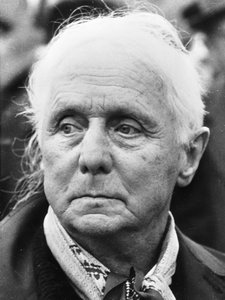
- Subject Matter: The painting captures a solitary man standing before a rugged landscape dominated by weathered rocks and sparse trees. He gazes intently off-camera, suggesting contemplation and perhaps a preoccupation with something unseen – a hidden narrative within the stillness of nature.
- Style & Technique: Ernst employs textured brushstrokes—characteristic of Dada’s rejection of academic conventions—to convey the palpable atmosphere of a cloudy day. The muted palette reinforces this mood, prioritizing tonal variation over vibrant color to heighten emotional resonance.
Decoding Symbolism Within Geometric Forms
Beyond its visual appeal lies a rich tapestry of symbolic references. Ernst’s use of geometric shapes—particularly angular rocks and abstracted tree trunks—reflects the Surrealists' preoccupation with dismantling traditional representations. These forms aren’t meant to mirror reality but rather to evoke psychological states, mirroring the fragmented perceptions inherent in dreams.
- Geometric Composition: The arrangement of rocks and trees isn’t accidental; it adheres to principles of Cubism, fracturing perspective and presenting multiple viewpoints simultaneously. This technique underscores the Surrealists' belief that reality is subjective and that art should explore inner landscapes as much as outer ones.
- Birds in Flight: Two birds—one perched high on a tree branch and another drifting across the sky—represent freedom and aspiration, albeit viewed through a lens of uncertainty. Their positioning reinforces the painting’s contemplative mood and invites viewers to ponder the significance of observation.
Historical Context & Ernst's Artistic Vision
Painted during the height of Surrealism’s influence—a movement born from disillusionment with postwar Europe— “Landscape” speaks to a broader philosophical concern: the exploration of irrationality and the confrontation with anxieties surrounding societal change. Ernst, deeply impacted by Freud’s psychoanalytic theories, sought to liberate art from the constraints of logic, prioritizing intuition and dreamlike imagery.
- Influence of Dada: The painting's rejection of conventional artistic standards aligns perfectly with Dada’s rebellious spirit—a reaction against bourgeois values and a celebration of chance and spontaneity.
- Philosophical Engagement: Ernst wasn’t simply interested in creating beautiful pictures; he aimed to provoke thought, challenging viewers to question their assumptions about the world and embracing the unsettling potential of subconscious revelation.
Emotional Resonance & Artistic Legacy
"Landscape" transcends its formal elements to convey a profound sense of solitude and wonder. It captures the quiet contemplation of someone encountering something extraordinary—a hidden beauty or an unspoken truth—within the seemingly mundane expanse of nature. Ernst’s enduring contribution to art history lies in his unwavering commitment to artistic experimentation and his courageous exploration of the human psyche, cementing “Landscape” as a cornerstone of Surrealist aesthetics.
Kysymykset ja vastaukset
Onko "Landscape 1" tunnettu Surrealist Landscape-tyylisuunnan teos?
Surrealist Landscape-suuntauksen sisällä teoksella "Landscape 1" on Recognized suosio.
Ovatko "Landscape 1" värit voimakkaita vai pehmeitä?
Teoksen Max Ernst:n "Landscape 1" värit ovat Balanced voimakkuudeltaan.
Mikä on suositeltu tulostuskoko ja -suunta teokselle "Landscape 1"?
Max Ernst:n "Landscape 1"-teoksen painattamiseen suositellaan kokoa Large ja Landscape-suuntausta.


 Vaihda tulosteeseen


 Teoksille tai reproduktioille, joiden mikä tahansa sivu on suurempi kuin 105 cm (noin 41 tuumaa), kehys toimitetaan osina purettuna sarjana. Tämä menetelmä varmistaa turvallisen toimituksen ja ehkäisee vaurioita kuljetuksen aikana.


