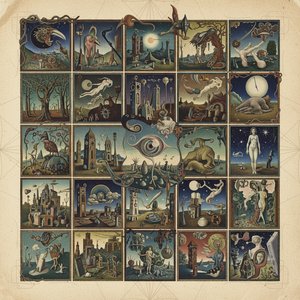
Oil On Panel.

§ 1Luettelotiedot

Tämä teos on tekijänoikeuden suojaama
Tällä sivulla esitettyä taideteosta suojaa tekijänoikeuslaki, mikä tarkoittaa, ettemme voi laillisesti luoda tai myydä täsmälleen samanlaista jäljennöstä. Tämä suoja toteutetaan kansainvälisten sopimusten, kuten esimerkiksi Berne-konventio ja kansallisilla laeilla, mukaan lukien niillä määritellyt Yhdysvaltain tekijänoikeuslaki – Luku 17. Kaikki oikeudet pidätetään. Luvaton kopiointi tai jäljittely on kielletty.
Kunnioittavana ja laillisena vaihtoehtona tarjoamme alkuperäisestä inspiroituneita, yksilöllisiä ja käsinmaalattuja taideteoksia. Taitavat ja ammattimaiset taiteilijamme tutkivat huolellisesti alkuperäisen teoksen tyyliä, tunnelmaa ja taiteellista ydintä luodakseen uuden, ainutlaatuisen teoksen, joka herättää saman tunteen – säilyttäen samalla oman itsenäisen alkuperäisyytensä.
Tämä menetelmä noudattaa täysin tekijänoikeussäännöksiä, sillä se ei sisällä suojatun taideteoksen kopioimista tai jäljentämistä. Sen sijaan kyseessä on luova uudelleentulkinta – uusi maalaus, joka ammentaa vaikutteita alkuperäisestä, mutta ei ole sen identtinen kopio.
 Lue lisää
§ 2Abstrakti
Keräilykohteen kuvaus
Taiteilijan elämäkerta
Tutustu Max Ernstin (1891-1976) surrealistiseen maailmaan! Uppoudu hänen innovatiivisiin tekniikoihinsa, unelmaisiin maalauksiinsa ja symboliikkaan. #MaxErnst #Surrealismi #Dada
§ 3Kommentointi
Le Mont Chauve: A Surreal Echo of Instinct and Observation
Max Ernst’s “Le Mont Chauve,” painted in 1955, stands as a quintessential example of Surrealist exploration—a visual poem grappling with the subconscious mind and challenging conventional perceptions of reality. More than just an image, it's a carefully constructed invitation into a realm where logic yields to dreamlike association, mirroring Ernst’s lifelong fascination with psychoanalysis and his desire to liberate art from rational constraints.
- Composition & Technique: The painting utilizes a strikingly simple yet profoundly impactful format—a circular field dominated by black hues punctuated by an incandescent red eye. Ernst achieved this ethereal effect through layering oil paints, employing a technique known as “frottage,” where he rubbed textured surfaces onto canvas to transfer their patterns and impressions into the artwork. This method reflects Ernst’s belief that artistic inspiration could be found in unexpected sources—the accidental marks of nature itself.
- Symbolism & Subject Matter: The central eye serves as a potent symbol, representing vigilance, awareness, and perhaps even an unsettling gaze directed inward. It's positioned atop a stylized mountain – “Le Mont Chauve” – which evokes images of solitude, contemplation, and the primal forces of nature. Ernst’s deliberate ambiguity invites viewers to project their own anxieties and desires onto this enigmatic landscape.
- Color Palette & Line Work: Despite its darkness, "Le Mont Chauve" incorporates subtle shades of blue within textured areas, hinting at hidden depths and suggesting a connection to the unconscious. Thin, radiating lines emanate from the eye, creating a dynamic visual rhythm that contrasts sharply with the stillness implied by the mountain form. These fractured lines underscore the Surrealist preoccupation with fragmentation and disruption—a rejection of linear perspective in favor of conveying emotional intensity.
- Historical Context: Ernst’s work emerged during the height of Surrealism's influence, a movement born from Dada nihilism and fueled by Freudian psychoanalysis. Artists like Ernst sought to bypass conscious thought and tap into primal instincts—a reaction against the horrors of World War I and a yearning for liberation from societal norms. “Le Mont Chauve” embodies this spirit of rebellion and experimentation.
- Emotional Impact: Viewing "Le Mont Chauve" evokes feelings of unease, mystery, and contemplation. The stark contrast between darkness and light—the eye’s luminous brilliance against the mountain's muted tones—creates a palpable tension that compels viewers to confront their own inner landscapes. It’s a piece designed not merely to depict but to provoke – an enduring testament to Ernst’s artistic vision.
Kysymykset ja vastaukset
Mikä on suositeltu tulostuskoko ja -suunta teokselle "Le mont chauve"?
Teokselle "Le mont chauve" suositeltu tulostusasetus on koko Large ja Landscape-suuntainen asettelu.
Miksi teoksen "Le mont chauve" tekijänoikeustila on sellainen kuin se on?
Max Ernstn teos "Le mont chauve" on on edelleen tekijänoikeuden alainen. Tekijänoikeusajat lasketaan taiteilijan kuolinvuodesta, ja Max Ernst kuoli vuonna 1976.
Kuinka voimakas kontrasti teoksessa Max Ernst:n "Le mont chauve" on?
Teoksen Max Ernst:n "Le mont chauve" kontrastitaso on Serene.



 Vaihda tulosteeseen


 Teoksille tai reproduktioille, joiden mikä tahansa sivu on suurempi kuin 105 cm (noin 41 tuumaa), kehys toimitetaan osina purettuna sarjana. Tämä menetelmä varmistaa turvallisen toimituksen ja ehkäisee vaurioita kuljetuksen aikana.