

Acrylic On Canvas.

§ 1Catalogue data

Tämä teos on tekijänoikeuden suojaama
Tällä sivulla esitettyä taideteosta suojaa tekijänoikeuslaki, mikä tarkoittaa, ettemme voi laillisesti luoda tai myydä täsmälleen samanlaista jäljennöstä. Tämä suoja toteutetaan kansainvälisten sopimusten, kuten esimerkiksi Berne-konventio ja kansallisilla laeilla, mukaan lukien niillä määritellyt Yhdysvaltain tekijänoikeuslaki – Luku 17. Kaikki oikeudet pidätetään. Luvaton kopiointi tai jäljittely on kielletty.
Kunnioittavana ja laillisena vaihtoehtona tarjoamme alkuperäisestä inspiroituneita, yksilöllisiä ja käsinmaalattuja taideteoksia. Taitavat ja ammattimaiset taiteilijamme tutkivat huolellisesti alkuperäisen teoksen tyyliä, tunnelmaa ja taiteellista ydintä luodakseen uuden, ainutlaatuisen teoksen, joka herättää saman tunteen – säilyttäen samalla oman itsenäisen alkuperäisyytensä.
Tämä menetelmä noudattaa täysin tekijänoikeussäännöksiä, sillä se ei sisällä suojatun taideteoksen kopioimista tai jäljentämistä. Sen sijaan kyseessä on luova uudelleentulkinta – uusi maalaus, joka ammentaa vaikutteita alkuperäisestä, mutta ei ole sen identtinen kopio.
 Lue lisää
§ 2Abstract
Keräilykohteen kuvaus
Taiteilijan elämäkerta
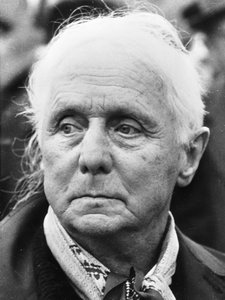
Tutustu Max Ernstin (1891-1976) surrealistiseen maailmaan! Uppoudu hänen innovatiivisiin tekniikoihinsa, unelmaisiin maalauksiinsa ja symboliikkaan. #MaxErnst #Surrealismi #Dada
§ 3Commentary
Les princes dorment mal: An Intriguing Portrait of Surrealist Imagination
“I never impose a title on a picture; I wait for the title to impose itself,” Max Ernst famously declared, encapsulating his artistic philosophy and highlighting the profound connection between artist and artwork. This sentiment perfectly embodies *Les princes dorment mal*, a captivating black and white painting by Ernst created in 1957—a piece that exemplifies the artist’s signature blend of dreamlike imagery and meticulous technique.
The artwork depicts a striking juxtaposition: a cat adorned with spectacles perched before a bird. The feline figure exudes an air of intellectual curiosity, accentuated by a neatly tied bow tie – a whimsical detail that speaks to Ernst's playful engagement with Surrealist conventions. Two birds inhabit the composition, one positioned prominently at the top left corner and another nestled towards the bottom right, contributing to the painting’s sense of depth and spatial arrangement.
Set against a backdrop of stylized trees—a recurring motif in Ernst’s oeuvre—the scene unfolds with an understated elegance. Ernst skillfully employs *grattage*, a technique he pioneered during his Surrealist years, scraping away layers of paint to reveal underlying textures and create a surface that resembles weathered bark or ancient stone. This method wasn't merely stylistic choice; it was a deliberate effort to liberate the image from conventional representation, channeling subconscious impulses into tangible form.
The painting’s historical context is firmly rooted in the late 1950s, a period marked by Ernst’s return to Europe after spending time in Arizona and his subsequent recognition as a leading figure in Surrealism. Following the prestigious Grand Prix awarded at the Venice Biennale in 1954—a pivotal moment signifying Ernst's resurgence on the international stage—the artist embarked on ambitious retrospectives that solidified his reputation and explored new avenues of artistic expression.
Beyond its formal qualities, *Les princes dorment mal* resonates with symbolic significance. The cat’s spectacles represent intellect and observation, while the bird embodies freedom and aspiration – themes central to Surrealist thought. Ernst's masterful manipulation of texture and color—though muted in this monochrome rendition—effectively conveys a mood of quiet contemplation and invites viewers to delve into the complexities of the subconscious mind. It is a testament to Ernst’s ability to transform everyday subjects into vehicles for profound psychological exploration.
The painting’s provenance traces back to Galerie Creuzevault in Paris, followed by The Mayor Gallery in London and Peggy Hennessy before finding its way into the hands of Couturier & Nicolay auction house. It was subsequently exhibited at venues including Tate Gallery London and Louisiana Museum of Modern Art Stockholm, cementing its place within the broader narrative of Ernst’s artistic legacy.
A publication by Werner Spies in 1988 noted that Ernst's work during this period showcased “no sign of complacency,” as he continued to refine his technique and revisit earlier themes. The meticulous detail evident in *Les princes dorment mal*, coupled with its evocative atmosphere, ensures its enduring appeal to collectors and interior designers alike—a timeless masterpiece embodying the spirit of Surrealist innovation.
Kysymykset ja vastaukset
Käyttääkö teos Max Ernst:n "Les princes dorment mal" voimakkaita kontrasteja vai pehmeitä harmonioita?
Max Ernst:n "Les princes dorment mal" teoksen väriyhdistelmä yhdistää Gentle kontrastin ja Softly Mixed Palette harmonian.
Kuinka kylläinen "Les princes dorment mal"-teoksen väripaletti on?
Teoksen "Les princes dorment mal" väripaletti on kylläisyydeltään Subtle Color.
Miten teosta Max Ernst:n "Les princes dorment mal" voidaan käyttää sisustuksessa?
"Les princes dorment mal" sopii erinomaisesti Accent-käyttöön, ja suositeltu tila teokselle on Living Room.


 Vaihda tulosteeseen


 Teoksille tai reproduktioille, joiden mikä tahansa sivu on suurempi kuin 105 cm (noin 41 tuumaa), kehys toimitetaan osina purettuna sarjana. Tämä menetelmä varmistaa turvallisen toimituksen ja ehkäisee vaurioita kuljetuksen aikana.


