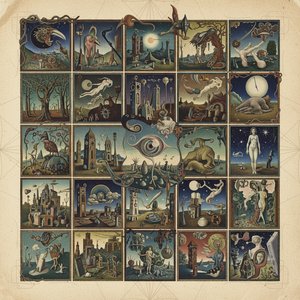
1920. Acrylic, 25.0 x 18.0 cm.

§ 1Luettelotiedot

- 25.0 x 18.0 cm


Tämä teos on tekijänoikeuden suojaama
Tällä sivulla esitettyä taideteosta suojaa tekijänoikeuslaki, mikä tarkoittaa, ettemme voi laillisesti luoda tai myydä täsmälleen samanlaista jäljennöstä. Tämä suoja toteutetaan kansainvälisten sopimusten, kuten esimerkiksi Berne-konventio ja kansallisilla laeilla, mukaan lukien niillä määritellyt Yhdysvaltain tekijänoikeuslaki – Luku 17. Kaikki oikeudet pidätetään. Luvaton kopiointi tai jäljittely on kielletty.
Kunnioittavana ja laillisena vaihtoehtona tarjoamme alkuperäisestä inspiroituneita, yksilöllisiä ja käsinmaalattuja taideteoksia. Taitavat ja ammattimaiset taiteilijamme tutkivat huolellisesti alkuperäisen teoksen tyyliä, tunnelmaa ja taiteellista ydintä luodakseen uuden, ainutlaatuisen teoksen, joka herättää saman tunteen – säilyttäen samalla oman itsenäisen alkuperäisyytensä.
Tämä menetelmä noudattaa täysin tekijänoikeussäännöksiä, sillä se ei sisällä suojatun taideteoksen kopioimista tai jäljentämistä. Sen sijaan kyseessä on luova uudelleentulkinta – uusi maalaus, joka ammentaa vaikutteita alkuperäisestä, mutta ei ole sen identtinen kopio.
 Lue lisää
§ 2Abstrakti
Keräilykohteen kuvaus
Max Ernst’s surrealist masterpiece ‘Pleiades’ captures a mesmerizing woman submerged in the ocean depths, adorned with a bird symbolizing freedom and contemplation—a striking visual testament to his intellectual exploration of psychology and art history.
Taiteilijan elämäkerta
Tutustu Max Ernstin (1891-1976) surrealistiseen maailmaan! Uppoudu hänen innovatiivisiin tekniikoihinsa, unelmaisiin maalauksiinsa ja symboliikkaan. #MaxErnst #Surrealismi #Dada
§ 3Kommentointi
A Vision of Mythic Femininity: Exploring Max Ernst’s “Pleiades”
The painting "Pleiades," created by German Surrealist artist Max Ernst in 1920, transcends mere visual representation; it's a deliberate invocation of myth and psychology, meticulously crafted to unsettle the viewer and provoke contemplation. Measuring 25 x 18 cm, this artwork embodies Ernst’s signature approach – blending disparate elements into a cohesive dreamscape that speaks volumes about the anxieties and aspirations of its time.- Subject Matter: At first glance, “Pleiades” presents a woman bathed in an ethereal glow, her head tilted back as if gazing upwards towards the heavens. This posture immediately establishes a connection to classical mythology, referencing the Pleiades – seven sisters of Greek legend who are said to guide sailors across turbulent seas. The woman’s nudity symbolizes vulnerability and purity, juxtaposed against the presence of a bird perched on her shoulder—a motif frequently employed by Ernst to represent freedom and instinct.
- Style & Technique: Ernst's Surrealist style is characterized by automatism – a technique he pioneered alongside André Breton – where artists attempt to bypass conscious thought and tap into the subconscious mind. This is evident in the collage-like construction of “Pleiades,” incorporating meticulously arranged rocks, fish, and other aquatic creatures. The artist utilized oil paint on canvas, applying it with textured brushstrokes that contribute to the painting’s palpable atmosphere.
Historical Context: Surrealism's Response to Trauma
The creation of “Pleiades” occurred during a period marked by profound upheaval – the aftermath of World War I and the burgeoning influence of psychoanalysis spearheaded by Sigmund Freud. Surrealist artists sought to liberate art from rational constraints, exploring irrationality, dreams, and repressed desires as pathways to artistic expression. Ernst’s preoccupation with mythology reflects this broader intellectual movement's fascination with archetypal narratives and their ability to illuminate the human psyche.
Symbolism Beyond Representation
Beyond its immediate visual elements, “Pleiades” is laden with symbolic significance. The bird symbolizes aspiration and transcendence, mirroring the Pleiades’ celestial journey. The woman's gaze upward suggests a yearning for spiritual enlightenment—a desire to escape the limitations of earthly existence. Furthermore, the rocks represent stability amidst chaos, grounding the ethereal figures within a tangible realm.
Emotional Impact & Artistic Legacy
"Pleiades" isn’t merely aesthetically pleasing; it's designed to elicit an emotional response from the viewer. Ernst’s masterful manipulation of color and texture creates a sense of unease and wonder, inviting contemplation on themes of femininity, mythology, and the subconscious mind. It remains a cornerstone of Surrealist art history, demonstrating Ernst’s ability to distill complex psychological ideas into striking visual imagery—a testament to his enduring influence on subsequent generations of artists.
Kysymykset ja vastaukset
Onko teos "Pleiades" yleisvaikutelmaltaan enemmän vaalea vai tumma?
"Pleiades" on kokonaisuutena bright, ja sen luminanssi on Gentle Luminance.
Millä muilla nimillä tai nimimerkeillä Max Ernst tunnetaan?
Max Ernst tunnetaan myös nimellä Ernst, Max.
Onko teoksesta "Pleiades" saatavilla korkearesoluutioinen lataus?
"Pleiades" on saatavilla muodossa korkearesoluutioinen digitaalinen kuvalataus, ja sen voi ostaa suoraan sivulta Digitaalinen teos.



 Vaihda tulosteeseen


 Teoksille tai reproduktioille, joiden mikä tahansa sivu on suurempi kuin 105 cm (noin 41 tuumaa), kehys toimitetaan osina purettuna sarjana. Tämä menetelmä varmistaa turvallisen toimituksen ja ehkäisee vaurioita kuljetuksen aikana.