Rahat takaisin -takuu · 100 päivää Ilmainen toimitus ympäri maailman
449 582teokset 30 618taiteilijat 4 705museot 32kielet
Valuutta
    Kieli
      Ateljee · Perustettu 2015 · Pariisi, Ranska
      AllPaintingsStore
      allpaintingsstore.com
      Katso seinällä Esikatsele AR-tilassa Vaihda tulosteeseen Siirry digitaaliseen kuvaan Lähetä
      Tarkemmat tiedot Opas Lisää suosikkeihin Lataa kuva Samanlaisia kohteita Röntgenkuvaus Diaesitys Tilastot

      untitled (2260)

      Max Ernst’s "Untitled (2260)" presents a disquieting surreal landscape with clock towers and unsettling harmony, showcasing the artist's innovative frottage techniques and reflecting his engagement with Freud and Nietzsche. Discover this iconic Surrealist artwork and bring its dreamlike vision home.

      Tutustu Max Ernstin (1891-1976) surrealistiseen maailmaan! Uppoudu hänen innovatiivisiin tekniikoihinsa, unelmaisiin maalauksiinsa ja symboliikkaan. #MaxErnst #Surrealismi #Dada

      Tällä sivulla esitettyä taideteosta suojaa tekijänoikeuslaki, mikä tarkoittaa, ettemme voi laillisesti luoda tai myydä täsmälleen samanlaista jäljennöstä. Tämä suoja toteutetaan kansainvälisten sopimusten, kuten esimerkiksi Berne-konventio ja kansallisilla laeilla, mukaan lukien niillä määritellyt Yhdysvaltain tekijänoikeuslaki – Luku 17. Kaikki oikeudet pidätetään. Luvaton kopiointi tai jäljittely on kielletty.

      Kunnioittavana ja laillisena vaihtoehtona tarjoamme alkuperäisestä inspiroituneita, yksilöllisiä ja käsinmaalattuja taideteoksia. Taitavat ja ammattimaiset taiteilijamme tutkivat huolellisesti alkuperäisen teoksen tyyliä, tunnelmaa ja taiteellista ydintä luodakseen uuden, ainutlaatuisen teoksen, joka herättää saman tunteen – säilyttäen samalla oman itsenäisen alkuperäisyytensä.

      Tämä menetelmä noudattaa täysin tekijänoikeussäännöksiä, sillä se ei sisällä suojatun taideteoksen kopioimista tai jäljentämistä. Sen sijaan kyseessä on luova uudelleentulkinta – uusi maalaus, joka ammentaa vaikutteita alkuperäisestä, mutta ei ole sen identtinen kopio.

      Käsinmaalattu öljyvärinen jäljennös

      Käsinmaalattu öljyväri kankaalle haluamassasi koossa ja kehyksissä, taiteilijoidemme valmistamana tilauksesta. ( Vaihda tulosteeseen Siirry digitaaliseen kuvaan)

      Corner sample of the P118B picture frame: moulded polystyrene, 5 cm wide and 3 cm thick
      P118B 10
      Corner sample of the P118H picture frame: moulded polystyrene, 5 cm wide and 3 cm thick
      P118H 10
      Corner sample of the P118W picture frame: moulded polystyrene, 5 cm wide and 3 cm thick
      P118W 10
      Corner sample of the P438Z picture frame: moulded polystyrene, 5.5 cm wide and 3.5 cm thick
      P438Z 10
      Corner sample of the P508JH picture frame: moulded polystyrene, 7 cm wide and 3.5 cm thick
      P508JH 12
      Corner sample of the P508YH picture frame: moulded polystyrene, 7 cm wide and 3.5 cm thick
      P508YH 12
      Corner sample of the P805H picture frame: moulded polystyrene, 5 cm wide and 3.5 cm thick
      P805H 10
      Corner sample of the P805Z picture frame: moulded polystyrene, 5 cm wide and 3.5 cm thick
      P805Z 10
      Corner sample of the P919BZ picture frame: moulded polystyrene, 7 cm wide and 3.5 cm thick
      P919BZ 10
      Corner sample of the P919G picture frame: moulded polystyrene, 7 cm wide and 3.5 cm thick
      P919G 10
      Corner sample of the P919XJ picture frame: moulded polystyrene, 7 cm wide and 3.5 cm thick
      P919XJ 10
      Corner sample of the P959ZH picture frame: moulded polystyrene, 5 cm wide and 3 cm thick
      P959ZH 10
      Corner sample of the P968JZ picture frame: moulded polystyrene, 6 cm wide and 4 cm thick
      P968JZ 12
      Corner sample of the W106C picture frame: solid wood, 5 cm wide and 3 cm thick
      W106C 8
      Corner sample of the W218G picture frame: solid wood, 5 cm wide and 3 cm thick
      W218G 10
      Corner sample of the W218JH picture frame: solid wood, 5 cm wide and 3 cm thick
      W218JH 8
      Corner sample of the W218Y picture frame: solid wood, 5 cm wide and 3 cm thick
      W218Y 10
      Corner sample of the W307PJ picture frame: solid wood, 6 cm wide and 3 cm thick
      W307PJ 10
      Corner sample of the W316G picture frame: solid wood, 6 cm wide and 3 cm thick
      W316G 10
      Corner sample of the W316PJ picture frame: solid wood, 6 cm wide and 3 cm thick
      W316PJ 8
      Corner sample of the W316Y picture frame: solid wood, 6 cm wide and 3 cm thick
      W316Y 10
      Corner sample of the W398PJ picture frame: solid wood, 5 cm wide and 3 cm thick
      W398PJ 8
      Corner sample of the W4111J picture frame: solid wood, 6.5 cm wide and 3.5 cm thick
      W4111J 10
      Corner sample of the W500HY picture frame: solid wood, 7 cm wide and 5 cm thick
      W500HY 15
      Corner sample of the W500JH picture frame: solid wood, 7 cm wide and 5 cm thick
      W500JH 15
      Corner sample of the W692G picture frame: solid wood, 8 cm wide and 4 cm thick
      W692G 12
      Corner sample of the W849H picture frame: solid wood, 5 cm wide and 3 cm thick
      W849H 8
      Corner sample of the W940BG picture frame: solid wood, 7.5 cm wide and 4.5 cm thick
      W940BG 15
      Corner sample of the W953PJ picture frame: solid wood, 6 cm wide and 3.5 cm thick
      W953PJ 8

      Vakiokoko
      mittatilaustyö
      CM
      INCH

      Valitse valmiista mitoistamme sellaiset, jotka vastaavat teoksen alkuperäisiä mittasuhteita.

      leveys
      korkeus

      Voit syöttää omat mitat sopimaan tiettyyn kehykseen tai tilaan. Jos valitsemasi koko ei vastaa alkuperäisen kuvan mittasuhteita, rajaamme taideteoksen tai jatkamme maalausta käsin maalatuilla elementeillä. Digitaalinen esikatselu lähetetään hyväksyttäväksi ennen tuotannon aloittamista.
      Huomioithan, että näytöllä oleva esikatselu ei vastaa todellista rajausta tai jatkamista. Vain digitaalinen mallikuva näyttää lopullisen sommittelun tarkasti.
      Vaikka mittatilaustyöt ovat mahdollisia, suosittelemme valitsemaan mitan ennalta määritetystä listasta alkuperäisten mittasuhteiden säilyttämiseksi.

      Esimerkkejä muokattavista asioista: Vaihda kasvot asiakkaan omaan valokuvaan; Lisää lemmikki (esim. korvaa kissa koiralla); Lisää taustalle piilotettu viesti; Muuta taustan maisemaa tai elementtejä.
      Tilauksen jälkeen AllPaintingsStore.com -tiimi lähettää asiakkaalle sähköpostitse ohjeet ja esikatselukuvan.

      Maailmanlaajuinen toimitus () 3–4 viikossa tavallisen 5 viikon sijaan. (10 lokakuu). Laadusta ei tingitä.

      Ilmainen pikatoimitus ympäri maailman
      Korkealaatuinen pellavakangas
      Kattava kuljetusvakuutus
      Tulliveron palautustakuu
      Takuu täydellisestä värien vastaavuudesta
      100 päivän palautusoikeus valmistusvirhetapauksissa
      100% rahat takaisin -takuu
      Määräalennus saatavilla

      Kokonaishinta

      € 222

      untitled (2260)

      Reproduktiotapa

      Replikaatin koko

      -

      Kokonaishinta

      € 222

      Pikaista tietoa

      • Medium: Painting
      • Notable elements or techniques: Frottage, Collage
      • Subject or theme: Landscape
      • Movement: Surrealism
      • Influences: Dada
      • Artist: Max Ernst

      A Descent into the Surreal Landscape

      To encounter Max Ernst’s "Untitled (2260)" is to step through a threshold where the boundaries of reality begin to dissolve into the fluid logic of a dream. Created around 1937, this enigmatic masterpiece serves as a profound window into the Surrealist psyche, capturing a moment in time when the rational world felt increasingly fragile. The painting presents a landscape that is simultaneously familiar and deeply unsettling, featuring a central architectural structure—a clock tower that stands like a silent sentinel amidst a swirling, dreamlike environment. As the eye wanders across the canvas, it encounters a dynamic interplay of natural and artificial elements: mountains that seem to pulse with life, trees that twist in impossible directions, and a flock of birds that dance through an atmosphere thick with mystery. It is a scene that does not merely ask to be seen, but demands to be felt, pulling the viewer into a psychological labyrinth where every shadow holds a secret.

      The emotional resonance of this work lies in its ability to evoke disquieting harmony. There is a strange, haunting beauty in the way Ernst juxtaposes the monumental stillness of the architecture with the frantic energy of the birds and the scattered human figures. For the collector or the interior designer, this piece offers more than just visual interest; it provides a focal point of intellectual depth. The painting captures the profound anxieties of the pre-war era, reflecting a world on the brink of transformation, yet it does so through a lens of breathtaking imagination. It is an artwork that breathes with the restless energy of the subconscious, making it an ideal centerpiece for spaces designed to inspire contemplation, conversation, and a sense of wonder.

      The Alchemy of Texture and Technique

      What truly distinguishes "Untitled (2260)" is Ernst’s revolutionary approach to the canvas itself. A pioneer of the frottage and grattage techniques, Ernst did not simply paint images; he engineered textures that suggest life beneath the surface. Through the meticulous process of rubbing charcoal or pencil over textured materials to transfer their impressions, he was able to create organic, unpredictable patterns that mimic the grain of wood, the roughness of stone, and the ethereal quality of clouds. In this work, these techniques coalesce to create a palpable sense of atmosphere. The surfaces are not flat; they are layered with a tactile complexity that invites the viewer to lean closer, searching for the hidden forms emerging from the grit and the grain.

      This mastery of texture serves a higher symbolic purpose, bridging the gap between the physical world and the realm of the mind. By utilizing these experimental methods, Ernst bypassed the constraints of traditional representation, allowing the medium to dictate the imagery. This sense of controlled accident mirrors the Surrealist fascination with Freud’s theories of the unconscious—the idea that truth is found not in what we consciously plan, but in the spontaneous impulses that rise from our hidden depths. For those seeking a high-quality reproduction, capturing these subtle nuances of light and texture is essential, as it is within these intricate details that the true soul of Ernst’s vision resides.

      A Legacy of Intellectual Rebellion

      To understand the weight of "Untitled (2260)," one must consider the philosophical currents that shaped Max Ernst’s life. Deeply influenced by the provocative ideas of Nietzsche and the psychoanalytic breakthroughs of Freud, Ernst sought to liberate art from the suffocating grip of rational order. His work was a deliberate rebellion against the societal norms of his time, an attempt to reclaim the primal, irrational power of the human spirit. The landscape in this painting is not a depiction of a real place, but a map of a psychological state—a territory where the mechanical and the organic, the human and the monstrous, exist in a delicate, tension-filled balance.

      Integrating such a profound piece into a modern collection allows for a dialogue between history and contemporary aesthetics. Whether placed in a minimalist gallery setting or a richly textured study, "Untitled (2260)" acts as a portal to another dimension. It remains a testament to the enduring power of Surrealism to challenge our perceptions and remind us that beneath the surface of our structured lives, there exists a vast, beautiful, and infinitely complex universe waiting to be explored.

      Kysymykset ja vastaukset

      Onko teos "untitled (2260)" saatavilla taidepainoksena?

      Tilataksesi painoksen teoksesta Max Ernst:n "untitled (2260)", voit tehdä tilauksen suoraan osoitteessa tämä sivu: taideteosvedos puuvillakangas- tai arkistoluokan kankaalle painettuna.

      Onko Max Ernst:n "untitled (2260)" tunnettu teos?

      "untitled (2260)" on luokiteltu kategoriaan Iconic.

      Mihin Max Ernstin uran vaiheeseen "untitled (2260)" kuuluu?

      Max Ernst'n uralla teos "untitled (2260)" sijoittuu aikakaudelle Mature Period. Tämä vaihe auttaa vertaamaan sitä taiteilijan muihin teoksiin.

      Kenelle taiteilijalle "untitled (2260)" on laitettu tekijyys?

      Teos "untitled (2260)" on yhdistetty Max Ernst.

      Mikä tila sopii yhteen teoksen Max Ernst:n "untitled (2260)" värien kanssa?

      Sen Earthy sävyjen huomioiden "untitled (2260)" sopii erinomaisesti Living Room-tilaan.

      Voinko tilata öljyvärimaalauksen teoksesta "untitled (2260)"?

      Max Ernst:n "untitled (2260)"-teoksen käsinmaalattuja kopioita myydään tämä verkkosivusto-sivustolla: käsinmaalattu öljyvärireproduktio pellavakankaalle, tilattavissa osoitteesta tämä sivu.

      Miltä aikakaudelta Max Ernst:n "untitled (2260)" on peräisin?

      Max Ernst:n "untitled (2260)" on peräisin Modern -kaudelta. Kyseinen aikakausi antaa teokselle historiallisen kontekstin.


      Taiteilijan elämäkerta

      A Life Immersed in the Surreal

      Max Ernst, syntynyt Maximilian Maria Ernst nimellä 1. huhtikuuta 1891 Brühlissä Saksassa, oli levoton henki, jonka kohtalona oli tulla yhdeksi 20-luvun taiteen keskeisimmistä hahmoista. Hänen matkansa ei ollut perinteisen taideopintojen reittiä; se oli itseohjattu tutkimus, joka perustui filosofiseen pohdintaan, psykologiseen kiinnostukseen ja syvään epäuskoon yhteiskunnan normeihin. Ernstin isä, kuurojen opettaja ja harrastemaalari, sisällytti häneen sekä maailmanherkäyden että kapinallisen asenteen perinteisiä auktoriteetteja vastaan. Tämä varhainen kaksoisluonne muotosi taiteellisen vision keskeiseksi piirteeksi.

      Ernstin akateemiset opinnot Bonnissa – filosofian, taidehistorian, kirjallisuuden, psykologian ja psychanterian saralla – eivät olleet pelkästään sivuharrastuksia vaan perusrakenteita, jotka syvästi vaikuttivat myöhempiin töihin. Hän ei ollut kiinnostunut vain *miten* maalata; hän pohdiskelee *miksi*. Tämä älyllinen uteliaisuus johti hänet kohtaamaan modernismin mullistavia teoksia Picasson, Van Goghin ja Gauguin’n kautta Sonderbund-näyttelyssä Kööpenhaminassa vuonna 1912 – hetki, joka muutti hänen taiteellista polkuaan peruuttamattomasti. Modernismin siemenet olivat kylvetty.

      Dada’n Häiriöt ja Surrealististen Visioiden Synty

      Ensimmäisen maailmansodan kauhistus osoittautui Ernstin elämässä merkittäväksi hetkeksi. Sodan kokemukset sekä Itä- että Länsirintamalla jättivät hänet syvästi järkyttyneeksi, mikä johti syvään epäluottamukseen perinteisiin järjestyksiin ja kaipuuseen uusiin ilmaisumuotoihin. Tämä pettymys löysi kasvualustan kehittyvälle Dada-liikkeelle, johon hän omaksui innokkaasti palatessaan Kööpenhakiin vuonna 1918. Hans Arpin – ikuisen ystävänsä ja kollegoitsensä kanssa – Ernstista tuli keskeinen hahmo Kööpenhaminan Dada-ryhmässä, hyläten perinteiset taiteelliset konventiot ja omaksuttaen absurdiutta, sattumanvaraisuutta ja rationaalisuuden vastustusta.

      Dada oli kuitenkin vain välietappi. 1920-luvun alussa Ernst muutti Pariisiin ja liittyi Surrealistisen ryhmän pariin, jonka johti André Breton. Tässä yhteydessä hän tutki unelmien, alitajunnan ja irrationaalisuuden maailmoja. Vaikka hänet inspiroivat Sigmund Freudin psykologian teoriat, Ernst pyrki avaamaan ihmisen syvimpiä kerroksia taiteensa kautta. Hän ei ollut kiinnostunut kuvailemaan todellisuutta sellaisena kuin se näkyy, vaan paljastamaan sen alla olevat psykologiset voimat, jotka muokkaavat sitä.

      Innovatiivisten Tekniikoiden Kehittäminen: Frottage, Grattage ja Collage

      Ernstin taiteellinen innovaatio ulottui myös aiheen ylitse; hän oli loputon kokeilija tekniikoissa. Hän ei vain ottanut olemassa olevia menetelmiä – hän keksi uusia. Hänen tunnetuin panoksistaan on frottage, prosessi, jossa lyödään piirustuspenseliä tai hiiliä teksturoituun pintaan luodakseen odottamattomia ja herättävän näköisiä kuvioita. Tämä tekniikka, joka syntyi hetken tylsyyden seurauksena puunpuun kuviota tarkastellessa, mahdollisti Ernstin pääsyn alitajuntaan ja muodollisten elementtien luomisen, jotka haastoivat tietoisen kontrollin.

      Lähellä tätä oli grattage, jossa maali raaputaan pois kankaalta paljastaen alla olevat kerrokset. Hän myös hallitsi mestarillisesti collagea, kokoamalla erilaisia elementtejä – kuvia lehdistä, tieteellisiä kuvituksia, valokuvia – surrealistisiin kokoonpanoihin, jotka kyseenalaistivat perinteiset esitystavat. Nämä tekniikat eivät olleet pelkästään tyylivalintoja; ne olivat keskeisiä hänen tutkimuksessaan alitajunnan ja hänen pyrkimyksensä haastaa taiteelliset rajat suhteen.

      Vaikutukset ja Perintö

      Toisen maailmansodan puhkeaminen pakotti Ernstin pakenemaan Eurooppaa, löytäen turvapaikan Yhdysvalloista. Hän jatkoi taiteilijan työtään ja kokeili uusia tekniikoita eksiliössä, palaten lopulta Ranskaan sodan jälkeen, jossa hän pysyi aktiivisena kuolemaansa asti 1. huhtikuuta vuonna 1976.

      Ernstin panokset Dadaan ja Surrealismiin olivat peruuttamattomia. Hän haastoi taiteelliset normit, sukelsi ihmisen alitajunnan syvyyksiin ja keksi innovatiivisia tekniikoita, jotka inspiroivat edelleen taiteilijoita tänäkin päivänä. Hän ei ollut pelkästään maalari; hän oli tutkija, provokaattori ja visioiva henkilö, joka laajensi taiteen rajat itsensä.

      • Merkittävät teokset: The Entire City, Euclides, Ofrenda funeraria, Forest and Dove
      • Vaikuttajat: Pablo Picasso, Vincent van Gogh, Paul Gauguin, Sigmund Freud, Giorgio de Chirico
      • Liikkeet: Dada, Surrealismi
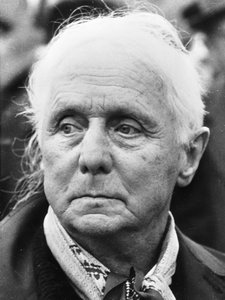
      Max Ernst

      Max Ernst

      1891 - 1976 , Saksa

      Tietoa taiteilijasta

      • Artistic Movement Or Style: Dada ja Surrealismi
      • Artists Or Movements Influenced By This Artist:
        • Surrealismi
        • Dada
      • Artists Who Influenced This Artist:
        • Picasso
        • Van Gogh
        • Gauguin
      • Date Of Birth: 1.4.1891
      • Date Of Death: 1.4.1976
      • Full Name: Max Ernst
      • Nationality: Saksalainen/Amerikkalainen
      • Notable Artworks:
        • Kaupunkikuva
        • Nainen
        • Lintu ja päivä
      • Place Of Birth: Brühl, Saksa
      Tutustu teoksiin, jotka on järjestetty aiheiden, tyylien ja ominaisuuksien mukaan.