


 Esikatselu
 Jaa teos
 Jaa
Jaa
 Tiedot
 Opas
Opas

 Lataa kuva
 Samanlaisia kohteita
 Röntgenkuvaus
 Diaesitys
 Q&A
Q&A Tilastot
untitled (3016)


 Lue lisää
Tällä sivulla esitettyä taideteosta suojaa tekijänoikeuslaki, mikä tarkoittaa, ettemme voi laillisesti luoda tai myydä täsmälleen samanlaista jäljennöstä. Tämä suoja toteutetaan kansainvälisten sopimusten, kuten esimerkiksi Berne-konventio ja kansallisilla laeilla, mukaan lukien niillä määritellyt Yhdysvaltain tekijänoikeuslaki – Luku 17. Kaikki oikeudet pidätetään. Luvaton kopiointi tai jäljittely on kielletty.
Tämä menetelmä noudattaa täysin tekijänoikeussäännöksiä, sillä se ei sisällä suojatun taideteoksen kopioimista tai jäljentämistä. Sen sijaan kyseessä on luova uudelleentulkinta – uusi maalaus, joka ammentaa vaikutteita alkuperäisestä, mutta ei ole sen identtinen kopio.
Giclée- ja taideprintit
Museolaatuisia giclée- tai kankaitaulun tulosteita nopealla tuotannolla ja joustavilla viimeistelyvaihtoehdoilla. ( Osta käsinmaalattu taideteos Siirry digitaaliseen kuvaan)




P118B €10

P118H €10

P118W €10

P438Z €10

P508JH €12

P508YH €12

P805H €10

P805Z €10

P919BZ €10

P919G €10

P919XJ €10

P959ZH €10

P968JZ €12

W106C €8

W218G €10

W218JH €8

W218Y €10

W307PJ €10

W316G €10

W316PJ €8

W316Y €10

W398PJ €8

W4111J €10

W500HY €15

W500JH €15

W692G €12

W849H €8

W940BG €15

W953PJ €8




Valitse valmiista mitoistamme sellaiset, jotka vastaavat teoksen alkuperäisiä mittasuhteita.

Syötä tarvitsemasi leveys ja korkeus, jotta tuloste sopii kehyksiisi tai seinällesi. Tulostetta voidaan vain leikata, sitä ei voida koskaan suurentaa alkuperäistä kuvaa suuremmaksi, joten eri muotoinen koko aiheuttaa osan kuvasta katoamisen. Lähetämme sinulle digitaalisen mallikuvan hyväksyttäväksi ennen kuin aloitamme tulostuksen. Tällä sivulla näkyvä kuva ei näytä lopullista rajausta — vain mallikuva näyttää sen.
Maailmanlaajuinen toimitus () 2 viikossa tavallisen 4–5 viikon sijaan. (30 lokakuu)

Ilmainen pikatoimitus ympäri maailman

Korkealaatuinen pellavakangas

Kattava kuljetusvakuutus

Tulliveron palautustakuu

Takuu täydellisestä värien vastaavuudesta

100 päivän palautusoikeus (vain valmistusvirheet)

100% rahat takaisin -takuu

Määräalennus tarjolla
 Lasivaihtoehto on saatavilla vain alle 110 cm kokoisille teoksille

untitled (3016)
Giclée- ja taideprintit
Replikaatin koko
-


Kokonaishinta
€ 56
A Journey Through the Surreal Landscape
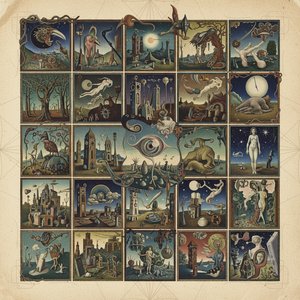
In the enigmatic realm of Max Ernst’s Untitled (3016), the boundaries between reality and dream dissolve into a breathtaking geological tableau. This painting presents a desolate yet captivating landscape dominated by towering rocks, rendered with an unsettling precision that commands the viewer's attention. At first glance, one is struck by the sheer scale of these stone monoliths, which rise from the earth like ancient, silent sentinels. Amidst this stony expanse, a solitary figure is positioned thoughtfully, providing a vital human element to an otherwise otherworldly scene. This presence invites us to step into the frame, acting as our surrogate as we contemplate the strange, textured formations that define this alien terrain.
The technique employed by Ernst is a masterclass in the Surrealist tradition, blending organic forms with geometric complexities to create an unsettling harmony. Utilizing a mixed media approach—likely weaving oil paint with delicate collage elements—the artist achieves a profound textural richness. Every crevice of the rock faces and every shadow within the landscape feels tactile, as if one could reach out and touch the cold, weathered surface of the stone. This skillful manipulation of medium allows Ernst to defy conventional representation, pulling the viewer away from the familiar and into a realm where logic yields to the boundless power of the imagination.
Historical Echoes and Symbolic Depths
To understand the profound weight of this work, one must look back to the interwar period, specifically the years between 1925 and 1930. Created during Ernst’s formative era within the Dada and Surrealist movements, Untitled (3016) reflects the deep-seated anxieties of a world recovering from global conflict. The rejection of rationality and bourgeois values that fueled the Dada movement is palpable here; Ernst uses the canvas to explore subconscious impulses and psychological depths. The painting serves as a window into the artist's fascination with mythology and the primal forces that shape our existence, mirroring the era's broader philosophical shifts toward psychoanalysis and the exploration of the hidden self.
Symbolically, the landscape is heavy with meaning. The rocks themselves serve as potent emblems of permanence, solidity, and the inexorable march of geological time. Their bizarre, almost impossible formations evoke imagery from ancient folklore, suggesting a world shaped by forgotten myths. In contrast, the solitary figure embodies the human condition—a state of perpetual observation and quiet contemplation amidst the vast, indifferent mysteries of the universe. For collectors and interior designers, this piece offers more than mere decoration; it provides a profound focal point for introspection, making it an ideal addition to spaces designed for thought, creativity, and quiet wonder.
An Atmosphere of Wonder and Unease
The emotional impact of Untitled (3016) is a complex tapestry of unease and awe. Ernst utilizes a muted palette, primarily composed of earthy browns and somber greys, to cultivate an atmosphere of bleakness and stillness. Yet, it is precisely this lack of vibrant color that allows the striking, strange shapes of the rock formations to command such intense curiosity. The painting does not offer easy answers; instead, it fosters a sense of mystery that lingers long after one has turned away from the canvas.
For those seeking to elevate their art collection with a high-quality reproduction, this work offers an unparalleled opportunity to bring a piece of art history into the modern home. Whether placed in a minimalist gallery setting or a richly textured study, the painting’s ability to stimulate conversation and provoke deep thought makes it a timeless investment. It is a masterpiece that transcends visual depiction, inviting every viewer into a realm where the impossible becomes visible.
Kysymykset ja vastaukset
Miten teoksen Max Ernst:n "untitled (3016)" värit liittyvät sen välittämään tunteeseen?
Max Ernst:n "untitled (3016)" yhdistää Neutrals väripaletin ja Mysterious tunnelman.
Voinko katsoa teosta "untitled (3016)" koko näytön diashow'na?
Teoksen Max Ernst:n "untitled (3016)" voi katsella diaesityksenä sen Diaesitys -sivulla.
Miltä aikakaudelta "untitled (3016)" on peräisin?
"untitled (3016)" kuuluu Modern aikakauteen.
Samankaltaisia teoksia


Taiteilijan elämäkerta
A Life Immersed in the Surreal
Max Ernst, syntynyt Maximilian Maria Ernst nimellä 1. huhtikuuta 1891 Brühlissä Saksassa, oli levoton henki, jonka kohtalona oli tulla yhdeksi 20-luvun taiteen keskeisimmistä hahmoista. Hänen matkansa ei ollut perinteisen taideopintojen reittiä; se oli itseohjattu tutkimus, joka perustui filosofiseen pohdintaan, psykologiseen kiinnostukseen ja syvään epäuskoon yhteiskunnan normeihin. Ernstin isä, kuurojen opettaja ja harrastemaalari, sisällytti häneen sekä maailmanherkäyden että kapinallisen asenteen perinteisiä auktoriteetteja vastaan. Tämä varhainen kaksoisluonne muotosi taiteellisen vision keskeiseksi piirteeksi.
Ernstin akateemiset opinnot Bonnissa – filosofian, taidehistorian, kirjallisuuden, psykologian ja psychanterian saralla – eivät olleet pelkästään sivuharrastuksia vaan perusrakenteita, jotka syvästi vaikuttivat myöhempiin töihin. Hän ei ollut kiinnostunut vain *miten* maalata; hän pohdiskelee *miksi*. Tämä älyllinen uteliaisuus johti hänet kohtaamaan modernismin mullistavia teoksia Picasson, Van Goghin ja Gauguin’n kautta Sonderbund-näyttelyssä Kööpenhaminassa vuonna 1912 – hetki, joka muutti hänen taiteellista polkuaan peruuttamattomasti. Modernismin siemenet olivat kylvetty.
Dada’n Häiriöt ja Surrealististen Visioiden Synty
Ensimmäisen maailmansodan kauhistus osoittautui Ernstin elämässä merkittäväksi hetkeksi. Sodan kokemukset sekä Itä- että Länsirintamalla jättivät hänet syvästi järkyttyneeksi, mikä johti syvään epäluottamukseen perinteisiin järjestyksiin ja kaipuuseen uusiin ilmaisumuotoihin. Tämä pettymys löysi kasvualustan kehittyvälle Dada-liikkeelle, johon hän omaksui innokkaasti palatessaan Kööpenhakiin vuonna 1918. Hans Arpin – ikuisen ystävänsä ja kollegoitsensä kanssa – Ernstista tuli keskeinen hahmo Kööpenhaminan Dada-ryhmässä, hyläten perinteiset taiteelliset konventiot ja omaksuttaen absurdiutta, sattumanvaraisuutta ja rationaalisuuden vastustusta.
Dada oli kuitenkin vain välietappi. 1920-luvun alussa Ernst muutti Pariisiin ja liittyi Surrealistisen ryhmän pariin, jonka johti André Breton. Tässä yhteydessä hän tutki unelmien, alitajunnan ja irrationaalisuuden maailmoja. Vaikka hänet inspiroivat Sigmund Freudin psykologian teoriat, Ernst pyrki avaamaan ihmisen syvimpiä kerroksia taiteensa kautta. Hän ei ollut kiinnostunut kuvailemaan todellisuutta sellaisena kuin se näkyy, vaan paljastamaan sen alla olevat psykologiset voimat, jotka muokkaavat sitä.
Innovatiivisten Tekniikoiden Kehittäminen: Frottage, Grattage ja Collage
Ernstin taiteellinen innovaatio ulottui myös aiheen ylitse; hän oli loputon kokeilija tekniikoissa. Hän ei vain ottanut olemassa olevia menetelmiä – hän keksi uusia. Hänen tunnetuin panoksistaan on frottage, prosessi, jossa lyödään piirustuspenseliä tai hiiliä teksturoituun pintaan luodakseen odottamattomia ja herättävän näköisiä kuvioita. Tämä tekniikka, joka syntyi hetken tylsyyden seurauksena puunpuun kuviota tarkastellessa, mahdollisti Ernstin pääsyn alitajuntaan ja muodollisten elementtien luomisen, jotka haastoivat tietoisen kontrollin.
Lähellä tätä oli grattage, jossa maali raaputaan pois kankaalta paljastaen alla olevat kerrokset. Hän myös hallitsi mestarillisesti collagea, kokoamalla erilaisia elementtejä – kuvia lehdistä, tieteellisiä kuvituksia, valokuvia – surrealistisiin kokoonpanoihin, jotka kyseenalaistivat perinteiset esitystavat. Nämä tekniikat eivät olleet pelkästään tyylivalintoja; ne olivat keskeisiä hänen tutkimuksessaan alitajunnan ja hänen pyrkimyksensä haastaa taiteelliset rajat suhteen.
Vaikutukset ja Perintö
Toisen maailmansodan puhkeaminen pakotti Ernstin pakenemaan Eurooppaa, löytäen turvapaikan Yhdysvalloista. Hän jatkoi taiteilijan työtään ja kokeili uusia tekniikoita eksiliössä, palaten lopulta Ranskaan sodan jälkeen, jossa hän pysyi aktiivisena kuolemaansa asti 1. huhtikuuta vuonna 1976.
Ernstin panokset Dadaan ja Surrealismiin olivat peruuttamattomia. Hän haastoi taiteelliset normit, sukelsi ihmisen alitajunnan syvyyksiin ja keksi innovatiivisia tekniikoita, jotka inspiroivat edelleen taiteilijoita tänäkin päivänä. Hän ei ollut pelkästään maalari; hän oli tutkija, provokaattori ja visioiva henkilö, joka laajensi taiteen rajat itsensä.
- Merkittävät teokset: The Entire City, Euclides, Ofrenda funeraria, Forest and Dove
- Vaikuttajat: Pablo Picasso, Vincent van Gogh, Paul Gauguin, Sigmund Freud, Giorgio de Chirico
- Liikkeet: Dada, Surrealismi

Max Ernst
1891 - 1976 , Saksa
Pähkinänkuoressa
- Artistic Movement Or Style: Dada ja Surrealismi
- Artists Or Movements Influenced By This Artist:
- Surrealismi
- Dada
- Artists Who Influenced This Artist:
- Picasso
- Van Gogh
- Gauguin
- Date Of Birth: 1.4.1891
- Date Of Death: 1.4.1976
- Full Name: Max Ernst
- Nationality: Saksalainen/Amerikkalainen
- Notable Artworks:
- Kaupunkikuva
- Nainen
- Lintu ja päivä
- Place Of Birth: Brühl, Saksa
Aiheeseen liittyvät artikkelit
Max Ernstin 25 mestariteosta: Surrealismin syvyydet ja taidekodin inspiraatio
Tutustu Max Ernstin 25 vaikuttavimpaan mestariteokseen! Uppoudu surrealismin maailmaan, dadaismin juuriin ja taiteilijan psykologisiin visioihin. Löydä inspiraatiota kotiisi AllPaintingsStore.com:sta – laadukkaat taideprintit ja julisteet.

John Constablein 25 mestariteosta: Taidetta ja tunnelmaa kotiisi – AllPaintingsStore.com
Tutustu John Constable'n 25 mestariteokseen – romanttisia maisemamaalauksia, jotka vangitsevat englantilaisen luonnon tunnelman. Taidehistoriaa ja inspiraatiota kotiisi AllPaintingsStore.com:ssa. Löydä kaikki taideteokset verkossa!

Romanttisen maisemamaalauksen mestariteokset: Taidetta ja inspiraatiota kotiin
Uppoudu romanttisen maisemamaalauksen maailmaan! Tutustu Caspar David Friedrichin, Turnerin ja muiden mestareiden ikonisiin teoksiin. Löydä inspiraatiota kotiisi taiteen avulla AllPaintingsStore.comista – laadukkaat taideprintit ja sisustusideoita.

Saksan ekspressionismin 10 mestariteosta: Taidetta ja tunnetta kotiisi
Uppoudu Saksan ekspressionismin maailmaan! Tutustu 10 mestariteokseen – Kirchnerin voimakkaista väreistä Munchin tunteisiin. Löydä taidemaalauksien tarinat ja inspiroi sisustusta AllPaintingsStore.com:ssa. Explore the full collection online!

Evocations of Place: A Historical Journey Through Landscape Art
Explore the rich history of landscape art with AllPaintingsStore. Discover renowned artists, movements like Impressionism & Romanticism, and expert guidance for collecting timeless pieces. Find your perfect serene escape today!


