

1900. Oil On Canvas, 65.0 x 81.0 cm.

§ 1Catalogue data

- 65.0 x 81.0 cm


§ 2Abstract
 Lue lisää
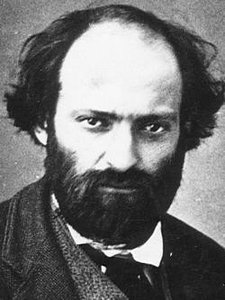
Taiteilijan elämäkerta
Paul Cézanne: Post-impressionismin pioneeri, joka yhdisti impressionismin kubismiin. Tutustu geometrisiin muotoihin ja taiteen vallankumoukselliseen visioon! #Cézanne
§ 3Commentary
A Revolutionary Vision: Exploring Paul Cézanne’s Bibemus Quarry
Paul Cézanne, born in Aix-en-Provence in 1839, stands as a monumental figure bridging the gap between the fleeting impressions of Impressionism and the fragmented forms of Cubism. His journey was not one of immediate acclaim; rather, it was a slow burn of artistic exploration, marked by periods of self-doubt and critical dismissal, ultimately culminating in a legacy that would irrevocably alter the course of modern art. Though initially steered towards a legal career by his father’s ambitions, the pull of artistic expression proved too strong, and he eventually abandoned law to pursue painting, a decision that would define his life. Early influences included the landscapes of Jean-François Millet and Eugène Boudin, artists who championed capturing the essence of rural life with honest observation—a foundational principle Cézanne would carry throughout his career.- Subject Matter: Cézanne’s Bibemus Quarry depicts a deceptively simple hillside scene – a rocky outcrop punctuated by scattered trees. However, beneath this tranquil exterior lies a profound exploration of form and perspective, pushing the boundaries of traditional representation.
- Style & Technique: The painting exemplifies Cézanne's distinctive style, characterized by geometric simplification and an unwavering commitment to conveying the underlying structure of nature. He employed thick impasto brushstrokes—heavy layers of paint applied directly onto the canvas—creating a tactile surface that captures the physicality of the stone and foliage.
The Proto-Cubist Breakthrough
Bibemus Quarry represents a pivotal moment in Cézanne’s artistic development, foreshadowing the revolutionary ideas that would soon propel him to the forefront of Cubism alongside Georges Braque and Pablo Picasso. While Impressionists sought to capture fleeting moments of light and color, Cézanne deliberately rejected this approach, prioritizing instead the depiction of solid forms—particularly cubes and cones—as seen through multiple viewpoints simultaneously. This technique anticipates the core tenets of Cubism, where objects are dissected into geometric planes and reconstructed on a flattened surface, challenging viewers’ perception of space and dimensionality.Historical Context & Influence
Painted in 1900 during Cézanne's later period, Bibemus Quarry arrived at a time when Impressionism was waning influence, paving the way for new artistic movements. The painting’s deliberate disregard for conventional perspective—a hallmark of Renaissance art—reflects a broader shift towards abstraction and an interest in exploring the fundamental building blocks of visual experience. Cézanne's work profoundly impacted subsequent generations of artists, inspiring Orphism, abstract art, and Purism, and establishing him as a cornerstone of modern artistic innovation. Its influence extended far beyond France, resonating across Europe and shaping the aesthetic sensibilities of movements like Futurism and Suprematism.Emotional Resonance & Artistic Legacy
More than just a landscape painting, Bibemus Quarry embodies Cézanne’s unwavering belief in art's ability to convey emotion and psychological depth. The textured surface of the canvas invites contemplation, encouraging viewers to engage with the scene on a visceral level—to feel the solidity of the stone, the stillness of the hillside, and the quiet grandeur of nature. Cézanne’s enduring legacy lies not only in his groundbreaking technique but also in his unwavering conviction that art should strive for an honest representation of reality, transforming our understanding of how we perceive and experience the world around us. It remains a testament to Cézanne's revolutionary vision—a vision that continues to inspire artists and captivate audiences worldwide.Kysymykset ja vastaukset
Minkä tunnelman ja tunteen "Bibemus Quarry" yhdistää?
Teoksen Paul Cézanne:n "Bibemus Quarry" tunnelma on Calm, ja sen emotionaalinen sävy on Reflective.
Onko Paul Cézanne:n "Bibemus Quarry" vapaasti käytettävissä oleva teos?
Paul Cézanne:n "Bibemus Quarry" on vapaasti käytettävissä – tekijänoikeussuoja on päättynyt. Tämä tila määrittää, miten teoksen kuvaa saa käyttää uudelleen.
Kuinka voimakkaita värit ovat teoksessa Paul Cézanne:n "Bibemus Quarry"?
Teoksen "Bibemus Quarry" väri-intensiteetti on Vivid. Intensiteetti kuvaa värien voimakkuutta.


 Vaihda tulosteeseen


 Teoksille tai reproduktioille, joiden mikä tahansa sivu on suurempi kuin 105 cm (noin 41 tuumaa), kehys toimitetaan osina purettuna sarjana. Tämä menetelmä varmistaa turvallisen toimituksen ja ehkäisee vaurioita kuljetuksen aikana.


