


 Esikatselu
 Jaa
Jaa Jaa
Jaa
 Tarkemmat tiedot

 Lataa
Lataa
 Samanlaisia
 Röntgenkuva
 Diaesitys
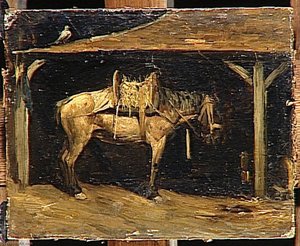
Spring Light

 Näytä lisää
Giclée-printit ja taideprintit
Museolaatuisia giclée- tai kankaitaulun tulosteita nopealla tuotannolla ja joustavilla viimeistelyvaihtoehdoilla. ( Osta käsintehty maalaus Osta kuva)




































Valitse valmiista mitoistamme sellaiset, jotka vastaavat teoksen alkuperäisiä mittasuhteita.

Voit syöttää omat mitat sopiaksesi tiettyyn kehykseen tai tilaan. Jos valittu koko ei vastaa alkuperäisen kuvan mittasuhteita, rajaamme teosta tai laajennamme kuvaa peilatulla tai yhtenäisellä reunalla. Digitaalinen mallikuva lähetetään hyväksyttäväksi ennen tuotannon aloittamista.
Huomaathan, että näytöllä näkyvä esikatselu ei vastaa lopullista rajausta tai laajennusta. Vain mallikuva näyttää lopullisen sommittelun tarkasti.
Vaikka räätälöityjä kokoja on saatavilla, suosittelemme valitsemaan mitat valmiista listasta alkuperäisten mittasuhteiden säilyttämiseksi.
Toimitus maailmanlaajuisesti () kahdessa viikossa tavallisen 4–5 viikon sijaan. (19 elokuu)

Ilmainen pikatoimitus ympäri maailman

Korkealaatuinen pellavakangas

Kattava kuljetusvakuutus

Tulliveron palautustakuu

Täydellinen värien vastaavuustakuu

60 päivän palautusoikeus (vain valmistusvirheet)

100% rahat takaisin -takuu

Määräalennus tarjous
 Lasivaihtoehto on saatavilla vain alle 110 cm kokoisina teoksina

Spring Light
Giclée-printit ja taideprintit
Replikaatin koko
-


Kokonaishinta
$ 64
Samankaltaisia teoksia




Taiteilijan elämäkerta
Early Life and Artistic Beginnings
Paul Madeline was born on October 7, 1863, in Paris, France—a city already brimming with artistic fervor during the Belle Époque. His upbringing within this cultural epicenter instilled in him a profound appreciation for beauty and creativity from his earliest years. Unlike many of his peers who pursued conventional paths toward stability, Madeline harbored an unwavering passion for art that defied societal expectations. Initially drawn to commerce as a means of securing financial independence—a common aspiration among families during the period—his artistic inclinations persisted, ultimately guiding him towards a transformative vocation. He enrolled in the École des Beaux-Arts of Paris, marking the commencement of his formal artistic education and setting the stage for his remarkable career.Formal Training and Influences
Madeline’s studies at the École des Beaux-Arts provided him with invaluable grounding in classical artistic principles—a cornerstone of French art education throughout the 19th century. However, it was his exposure to the burgeoning movements of Impressionism and Post-Impressionism that irrevocably shaped his artistic vision. The bold colors and innovative techniques championed by these trailblazing artists resonated deeply within Madeline’s soul, prompting him to experiment with his own style and forge a distinctive path. Artists like Claude Monet and Camille Pissarro—whose canvases captured the fleeting effects of light and atmosphere—served as pivotal inspirations, encouraging Madeline to explore similar themes in his oeuvre.The Landscape Painter's Vision
Madeline’s artistic focus centered predominantly on landscape painting—a genre particularly favored by Impressionists and Post-Impressionists who sought to depict the grandeur and serenity of the natural world. He embarked upon numerous expeditions throughout France, meticulously documenting scenes from regions such as Brittany, Auvergne, and the Creuse Valley. These journeys fueled his creative imagination and honed his observational skills, resulting in paintings characterized by their luminous quality and vibrant hues—a testament to Madeline’s ability to convey both realism and emotion simultaneously.Notable Works and Artistic Style
Among Madeline's most celebrated creations is “The Banks of the Creuse,” a painting that exemplifies his masterful blending of classical technique with Impressionistic color palettes. The composition—balanced and harmonious—guides the viewer’s gaze through the landscape, while the interplay of light and shadow generates an ethereal atmosphere. Similarly, “Les Lavandières” captures the essence of rural French life with delicate brushstrokes and soft lighting—a hallmark of Madeline's artistic style. His canvases frequently depict scenes from Brittany and Auvergne, showcasing his unwavering dedication to portraying the beauty of the French countryside.Legacy and Historical Significance
Paul Madeline’s contribution to French art history extends far beyond his individual masterpieces. He stood as a prominent figure within “La Société Moderne,” alongside fellow artists Lebasque, Raffaelli, Aman, and Chabas—a collective committed to advancing artistic innovation during the Belle Époque. Madeline's annual participation in prestigious salons—including the Salon des Artistes, the Salon d’Automne, and the Salon de la Nationale des Beaux-Arts—solidified his reputation as a respected artist and ensured that his work would endure for generations to come. His enduring influence can be discerned in subsequent artistic endeavors, cementing Madeline's place as a luminary of Post-Impressionism and a symbol of French cultural heritage.
paul madeline
1863 - 1920 , France
Pikatiedot
- Artistic Movement Or Style: Post-Impressionism
- Artists Or Movements Influenced By This Artist: ['Impressionism']
- Artists Who Influenced This Artist:
- Claude Monet
- Camille Pissarro
- Date Of Birth: October 7, 1863
- Date Of Death: 1920
- Full Name: Paul Madeline
- Nationality: French
- Notable Artworks:
- Les Lavandières
- Un Quai Á Taillebourg
- Place Of Birth: Paris, France
Liittyvät artikkelit
Paul Cézannen 25 mestariteosta: Taidetta kotiisi – AllPaintingsStore.com
Tutustu Paul Cézannen 25 vaikuttavinta mestariteosta! Postimpressionismin huipputeoksia, still life -maalauksia ja ikonisia maisemia. Löydä taiteen tarinat ja inspiroi kotisi sisustusta AllPaintingsStore.com:ssa. Tutki kokoelma verkossa!

John Constablein 25 mestariteosta: Taidetta ja tunnelmaa kotiisi – AllPaintingsStore.com
Tutustu John Constable'n 25 mestariteokseen – romanttisia maisemamaalauksia, jotka vangitsevat englantilaisen luonnon tunnelman. Taidehistoriaa ja inspiraatiota kotiisi AllPaintingsStore.com:ssa. Löydä kaikki taideteokset verkossa!

Paul Kleen mestariteokset: 25 taideteosta, jotka inspiroivat kotiisi – AllPaintingsStore.com
Tutustu Paul Kleen 25 mestariteokseen! Uppoudu sveitsiläisen taiteilijan abstraktiin maailmaan – ekspressionismista kubismiin. Löydä inspiraatiota kotiisi ja osta korkealaatuisia taide-reproduktioita AllPaintingsStore.comissa. Tutki kokoelma verkossa!

Whispers of Rural Serenity: A Journey Through the Enchanting Village Landscapes of Impressionism
Immerse yourself in the tranquil beauty of Impressionist village landscapes. Explore our exquisite collection of hand-painted oil reproductions, capturing the light and soul of masters like Monet and Pissarro. Bring a piece of art history into your home with AllPaintingsStore.com.

Maisemataiteen mestariteokset: 10 inspiroivaa taideteosta kotiisi
Uppoudu maisemataiteen maailmaan! Tutustu 10 inspiroivaan teokseen Monet'sta van Goghiin. Taideteosten tarinat, tekniikat ja tunnelmat – löydä täydellinen taulu kotiisi AllPaintingsStore.comista. Explore the full collection online!



