

 Esikatselu
 Jaa teos
 Jaa
Jaa
 Tiedot
 Opas
Opas

 Lataa kuva
 Samanlaisia kohteita
 Röntgenkuvaus
 Diaesitys
 Kysymykset ja vastaukset
 Tilastot
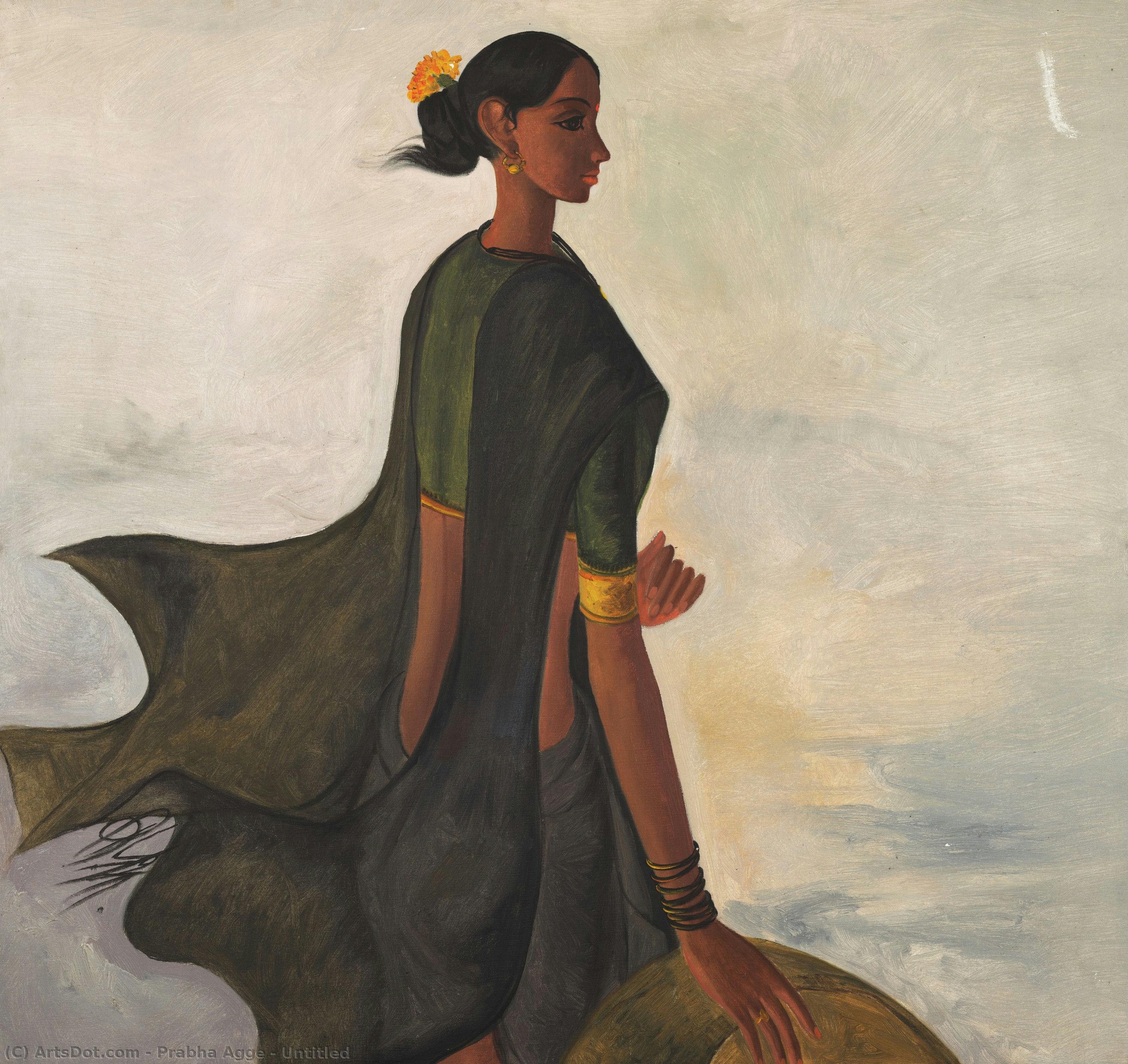
Untitled

- 100.0 x 106.0 cm

 Lue lisää
Tällä sivulla esitettyä taideteosta suojaa tekijänoikeuslaki, mikä tarkoittaa, ettemme voi laillisesti luoda tai myydä täsmälleen samanlaista jäljennöstä. Tämä suoja toteutetaan kansainvälisten sopimusten, kuten esimerkiksi Berne-konventio ja kansallisilla laeilla, mukaan lukien niillä määritellyt Yhdysvaltain tekijänoikeuslaki – Luku 17. Kaikki oikeudet pidätetään. Luvaton kopiointi tai jäljittely on kielletty.
Tämä menetelmä noudattaa täysin tekijänoikeussäännöksiä, sillä se ei sisällä suojatun taideteoksen kopioimista tai jäljentämistä. Sen sijaan kyseessä on luova uudelleentulkinta – uusi maalaus, joka ammentaa vaikutteita alkuperäisestä, mutta ei ole sen identtinen kopio.
Giclée- ja taideprintit
Museolaatuisia giclée- tai kankaitaulun tulosteita nopealla tuotannolla ja joustavilla viimeistelyvaihtoehdoilla. ( Osta käsinmaalattu taideteos Siirry digitaaliseen kuvaan)




































Valitse valmiista mitoistamme sellaiset, jotka vastaavat teoksen alkuperäisiä mittasuhteita.

Syötä tarvitsemasi leveys ja korkeus, jotta tuloste sopii kehyksiisi tai seinällesi. Tulostetta voidaan vain leikata, sitä ei voida koskaan suurentaa alkuperäistä kuvaa suuremmaksi, joten eri muotoinen koko aiheuttaa osan kuvasta katoamisen. Lähetämme sinulle digitaalisen mallikuvan hyväksyttäväksi ennen kuin aloitamme tulostuksen. Tällä sivulla näkyvä kuva ei näytä lopullista rajausta — vain mallikuva näyttää sen.
Maailmanlaajuinen toimitus () 2 viikossa tavallisen 4–5 viikon sijaan. (7 marraskuu)

Ilmainen pikatoimitus ympäri maailman

Korkealaatuinen pellavakangas

Kattava kuljetusvakuutus

Tulliveron palautustakuu

Takuu täydellisestä värien vastaavuudesta

100 päivän palautusoikeus (vain valmistusvirheet)

100% rahat takaisin -takuu

Määräalennus tarjolla
 Lasivaihtoehto on saatavilla vain alle 110 cm kokoisille teoksille

Untitled
Giclée- ja taideprintit
Replikaatin koko
-


Kokonaishinta
€ 58
Kysymykset ja vastaukset
Miten kontrasti ja harmonia yhdistyvät teoksessa "Untitled"?
Prabha Agge:n "Untitled" teoksen väriyhdistelmä yhdistää Statement kontrastin ja Strong Color Unity harmonian.
Mitkä värit hallitsevat teosta Prabha Agge:n "Untitled"?
Prabha Agge:n "Untitled"-teoksen väri-identiteetti: Neutrals paletti, jota hallitsee Espresso (#423a30).
Mistä Prabha Agge:n "Untitled" -teoksen vierailijat ovat kotoisin?
Teoksen Prabha Agge:n "Untitled" tilastot löytyvät sen Tilastot -sivulta: teoksen kuukausittaiset käynnit, taiteilijan muiden teosten käynnit sekä viimeisimpien kävijöiden maa- ja kielijakauma.
Samankaltaisia teoksia


Taiteilijan elämäkerta
The Silent Resonance of Rural Grace
In the vast and vibrant tapestry of Indian modernism, few voices resonate with as much quiet, poignant dignity as that of Prabha Agge. Born in 1933 in the small village of Bela, near Nagpur, Maharashtra, Agge emerged during a transformative era when the foundations of contemporary Indian art were being laid. Her journey was one of profound empathy, moving from the intimate landscapes of her childhood to the prestigious halls of the Sir J.J. School of Art in Bombay. It was within this academic crucible that she refined a style that would eventually become instantly recognizable across the globe—a style defined not by grand, sweeping gestures, but by the soulful, elongated silhouettes of women navigating the complexities of rural existence.
The artistic soul of Agge was deeply nurtured by the pioneering spirit of Amrita Sher-Gil. Much like her predecessor, Agge looked toward the marginalized and the everyday, finding extraordinary beauty in the pensive expressions of those often overlooked by history. This influence manifested in a technique that favored emotional depth over mere anatomical precision. Her canvases became stages for solitary figures, rendered with a graceful simplicity that captured the weight of existence. Through her eyes, the rural Indian woman was not merely a subject of study, but a symbol of resilience and quiet strength, standing as a testament to a life lived with unyielding dignity amidst hardship.
A Symphony of Single Hues and Social Truths
To encounter a painting by B. Prabha is to enter a world of meditative stillness. Her mastery of oil on canvas allowed her to experiment with a unique chromatic language, where each composition was often dominated by a single, powerful hue. Whether it was the warmth of an earthy ochre or the somber depth of terracotta, these monochromatic foundations served to intensify the emotional atmosphere of her work. This deliberate use of color did more than just decorate; it enveloped her subjects in a specific mood, mirroring the internal landscapes of the women she portrayed. Her figures, characterized by their elegant, elongated forms, seemed to emerge from these colored veils, caught in moments of profound contemplation.
Beyond the aesthetic beauty of her portraits, Agge’s work was deeply rooted in a compassionate social realism. She did not shy away from the harsher realities of the Indian countryside, using her brush to address the pressing issues of drought, hunger, and homelessness. There was a haunting honesty in her observation; she famously remarked in an interview that she had yet to see one truly happy woman, a sentiment that echoed through the weary but resolute eyes of her subjects. Her landscapes, while occasionally serving as serene backdrops, often functioned as extensions of this social narrative, reflecting the environmental and economic pressures that shaped the lives of the rural communities she so tenderly documented.
Legacy and the Enduring Impression
The career of Prabha Agge was marked by a prolific output and an unwavering commitment to her vision. By the time of her passing in 2001, her work had been showcased in over fifty exhibitions, securing her place in the pantheon of significant Indian modernists. Her legacy is preserved within some of the most prestigious institutions in India, ensuring that her depictions of rural life continue to inspire future generations of artists and scholars alike. Her contributions include:
- Institutional Recognition: Her masterpieces are held in esteemed collections such as the National Gallery of Modern Art, the TIFR Art Collection, and the Air India Art Collection.
- Stylistic Innovation: The development of a signature aesthetic involving elongated figures and monochromatic emotional landscapes.
- Social Advocacy: A lifelong dedication to representing the marginalized through a lens of dignity rather than pity.
Ultimately, the significance of Prabha Agge lies in her ability to transform the mundane into the monumental. She took the quiet, often invisible struggles of rural women and elevated them to the realm of high art, creating a visual language that speaks across borders and generations. Her work remains a profound meditation on the human condition, reminding us that within the simplest of forms and the most singular of colors, there lies an infinite depth of emotion.

Prabha Agge
1933 - 2001 , India
Pähkinänkuoressa
- Full Name: prabha agge
- Nationality: Indian
- Date Of Birth: 1933
- Date Of Death: 2001
- Place Of Birth: Belo Horizonte, India
- Notable Artworks: ['Untitled']
- Artistic Movement Or Style: Oil on canvas; Modern Indian art
- Artists Who Influenced This Artist: Amrita Sher-Gil
Aiheeseen liittyvät artikkelit

Rustic Charm: 10 Masterpieces That Capture the Beauty of Rural Life
Journey through timeless pastoral landscapes and iconic Impressionist masterpieces. Discover the stories behind 10 legendary artworks capturing the soul of rural life. Find museum-quality art reproductions and curated decor inspiration at AllPaintingsStore.com. Explore the full collection online.

Empowered & Ethereal: 10 Iconic Artworks That Celebrate Women
Journey through history with 10 iconic artworks celebrating women. From Renaissance portraits to modern masterpieces, explore the stories behind these timeless pieces and find museum-quality reproductions for your decor. Discover all masterpieces on AllPaintingsStore.com.

25 Vibrant Masterpieces by Ágatha Ruiz de la Prada: A Kaleidoscope of Joy
Immerse yourself in the vibrant world of Ágatha Ruiz de la Prada. Explore 25 iconic artworks defined by bold colors and joyful pop art energy. Find inspiration for museum-quality decor and fine art reproductions. Discover all masterpieces on AllPaintingsStore.com.