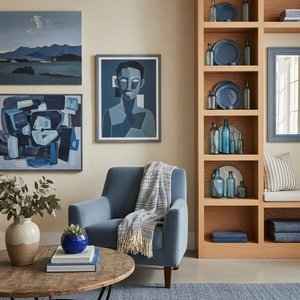
Acrylic On Canvas.

§ 1Luettelotiedot

Tämä teos on tekijänoikeuden suojaama
Tällä sivulla esitettyä taideteosta suojaa tekijänoikeuslaki, mikä tarkoittaa, ettemme voi laillisesti luoda tai myydä täsmälleen samanlaista jäljennöstä. Tämä suoja toteutetaan kansainvälisten sopimusten, kuten esimerkiksi Berne-konventio ja kansallisilla laeilla, mukaan lukien niillä määritellyt Yhdysvaltain tekijänoikeuslaki – Luku 17. Kaikki oikeudet pidätetään. Luvaton kopiointi tai jäljittely on kielletty.
Kunnioittavana ja laillisena vaihtoehtona tarjoamme alkuperäisestä inspiroituneita, yksilöllisiä ja käsinmaalattuja taideteoksia. Taitavat ja ammattimaiset taiteilijamme tutkivat huolellisesti alkuperäisen teoksen tyyliä, tunnelmaa ja taiteellista ydintä luodakseen uuden, ainutlaatuisen teoksen, joka herättää saman tunteen – säilyttäen samalla oman itsenäisen alkuperäisyytensä.
Tämä menetelmä noudattaa täysin tekijänoikeussäännöksiä, sillä se ei sisällä suojatun taideteoksen kopioimista tai jäljentämistä. Sen sijaan kyseessä on luova uudelleentulkinta – uusi maalaus, joka ammentaa vaikutteita alkuperäisestä, mutta ei ole sen identtinen kopio.
 Lue lisää
§ 2Abstrakti
Keräilykohteen kuvaus
Arctic Landscape by Roy Lichtenstein embodies Pop Art's fascination with everyday subjects and bold color palettes. This abstract depiction of mountains utilizes vibrant blues, yellows, and white clouds to create a dynamic composition reminiscent of Lichtenstein’s signature style.
Taiteilijan elämäkerta
Roy Lichtensteinin häikäisevä *Woman III* tuo Pop Artin dynamiikan ja abstraktin feminiiniteeman sisään. Boldit värit, geometriset muodot ja katsojan näkökulmasta kysyvät – täydellinen modernille taidekodille!
§ 3Kommentointi
A Bold Vision of the Frozen North
Roy Lichtenstein’s “Arctic Landscape,” painted in 1964, stands as a cornerstone of Pop Art—a movement that deliberately rejected the emotional seriousness of Abstract Expressionism and instead embraced imagery derived from popular culture. More than just a depiction of a desolate Arctic environment, it's a meticulously crafted illusion designed to provoke contemplation about perception and representation.
- Subject Matter: The painting captures a stylized mountain range bathed in an ethereal blue sky punctuated by fluffy white clouds.
- Style: Lichtenstein’s signature style—characterized by bold outlines, halftone printing techniques, and vibrant color palettes—transforms the familiar landscape into something strikingly unfamiliar.
The technique employed is remarkably precise for Pop Art. Lichtenstein utilized halftone dots to simulate shading and texture, a process borrowed from commercial printing where images are reproduced using multiple shades of gray. This method lends an almost photographic quality to the artwork while simultaneously maintaining its artistic integrity.
Historical Context: Challenging Artistic Conventions
Painted during the height of the Cold War era, “Arctic Landscape” reflects anxieties about geopolitical tensions and the perceived threat posed by Soviet expansionism. However, Lichtenstein wasn’t simply responding to political concerns; he was actively dismantling established artistic hierarchies. By appropriating imagery from advertising and comic strips—sources considered lowbrow by critics of the time—he asserted that art could derive inspiration from anywhere.
This deliberate provocation aimed to disrupt the prevailing aesthetic sensibilities of the 1960s, where artists were striving for profound emotional expression. Lichtenstein’s approach was deliberately antithetical to this trend, prioritizing visual impact and intellectual engagement over sentimental sentimentality.
Symbolism Beyond the Surface
While seemingly straightforward, “Arctic Landscape” is laden with symbolic significance. The blue sky represents serenity and vastness—a deliberate contrast to the harsh realities of the Arctic wilderness. Yet, it’s also a color associated with authority and stability, subtly reinforcing Lichtenstein's critique of traditional artistic values.
The stylized mountains themselves serve as visual anchors, grounding the composition while simultaneously emphasizing the artist’s manipulation of perspective. The small figures positioned at the base of the mountains are deliberately ambiguous—they could represent explorers or simply points of reference—further enhancing the artwork's enigmatic quality.
Emotional Resonance: A Quiet Discomfort
Despite its vibrant colors, “Arctic Landscape” evokes a feeling of quiet discomfort. Lichtenstein’s masterful use of halftone printing creates an illusion of depth and texture that draws the viewer into the scene—but simultaneously reinforces the idea that what we see is merely a constructed representation.
Ultimately, Lichtenstein's Arctic Landscape compels us to question our assumptions about art and perception. It remains a testament to his innovative spirit and a powerful emblem of Pop Art’s enduring legacy – a celebration of visual pleasure tempered by intellectual curiosity.
Kysymykset ja vastaukset
Onko teoksesta Roy Lichtenstein:n "Arctic landscape" saatavilla diashow-esitystä?
Katso kuvagalleria: Roy Lichtenstein:n "Arctic landscape" -teoksen Diaesitys -sivu.
Miten teoksen Roy Lichtenstein:n "Arctic landscape" värit liittyvät sen välittämään tunteeseen?
Teoksessa "Arctic landscape" Dark värit yhdistyvät Calm tunnelmaan.
Mistä voin löytää teoksia, jotka muistuttavat teosta Roy Lichtenstein:n "Arctic landscape"?
Teokset, jotka muistuttavat teosta "Arctic landscape", löytyvät sen Samankaltaisia teoksia -sivulta.


 Vaihda tulosteeseen


 Teoksille tai reproduktioille, joiden mikä tahansa sivu on suurempi kuin 105 cm (noin 41 tuumaa), kehys toimitetaan osina purettuna sarjana. Tämä menetelmä varmistaa turvallisen toimituksen ja ehkäisee vaurioita kuljetuksen aikana.