


 Katso seinällä
 Lähetä
 Jaa
Jaa
 Tarkemmat tiedot
 Opas
Opas

 Lataa kuva
 Samanlaisia kohteita
 Röntgenkuvaus
 Diaesitys
 Tilastot
rising

 Lue lisää
Giclée- ja taideprintit
Museolaatuisia giclée- tai kankaitaulun tulosteita nopealla tuotannolla ja joustavilla viimeistelyvaihtoehdoilla. ( Tilaa käsinmaalattu jäljennös Siirry digitaaliseen kuvaan)




P118B €10

P118H €10

P118W €10

P438Z €10

P508JH €12

P508YH €12

P805H €10

P805Z €10

P919BZ €10

P919G €10

P919XJ €10

P959ZH €10

P968JZ €12

W106C €8

W218G €10

W218JH €8

W218Y €10

W307PJ €10

W316G €10

W316PJ €8

W316Y €10

W398PJ €8

W4111J €10

W500HY €15

W500JH €15

W692G €12

W849H €8

W940BG €15

W953PJ €8




Valitse valmiista mitoistamme sellaiset, jotka vastaavat teoksen alkuperäisiä mittasuhteita.

Kirjoita tarvitsemasi leveys ja korkeus, jotta tuloste sopii kehyskokoon tai seinällesi. Tulostetta voidaan vain leikata, sitä ei voi koskaan tehdä suuremmaksi kuin alkuperäinen kuva, joten eri muotoinen koko aiheuttaa osan kuvasta katoamisen. Lähetämme sinulle digitaalisen mallikuvan hyväksyttäväksi ennen kuin aloitamme tulostuksen. Tällä sivulla näkyvä kuva ei näytä lopullista leikkausta — vain mallikuva näyttää sen.
Maailmanlaajuinen toimitus () 2 viikossa tavallisen 4–5 viikon sijaan. (23 lokakuu)

Ilmainen pikatoimitus ympäri maailman

Korkealaatuinen pellavakangas

Kattava kuljetusvakuutus

Tulliveron palautustakuu

Takuu täydellisestä värien vastaavuudesta

100 päivän palautusoikeus valmistusvirhetapauksissa

100% rahat takaisin -takuu

Määräalennus saatavilla
 Lasivaihtoehto on saatavilla vain alle 110 cm kokoisille teoksille

rising
Giclée- ja taideprintit
Replikaatin koko
-


Kokonaishinta
€ 56
A Moment of Divine Ascent: Exploring Botticelli’s “Rising”
Sandro Botticelli's "Rising," a painting shrouded in the mystery of its original commission and subject, stands as a poignant testament to the complexities of faith, hope, and the human condition during the Florentine Renaissance. While details regarding the precise narrative remain debated – though often linked to the story of the Annunciation or even a symbolic representation of Christ’s resurrection – what is undeniable is the painting's profound emotional resonance and Botticelli’s masterful command of line, color, and classical form. The work, likely created around 1480-1482, exemplifies the artist’s signature style: an elegant blend of Byzantine influence, Neoplatonic philosophy, and a deep appreciation for the beauty of the human figure.
Botticelli's technique is immediately striking. He employs a delicate, almost ethereal quality, achieved through meticulous layering of thin glazes—a hallmark of his approach. The figures are rendered with an exquisite grace, their bodies elongated and flowing, reminiscent of Byzantine icons but imbued with a distinctly Renaissance sensibility. Note the subtle modeling of flesh, the careful attention to drapery, and the way light seems to caress the forms. The background is deliberately hazy, drawing focus entirely onto the central scene and contributing to the overall sense of otherworldly serenity. The use of tempera on panel—a traditional medium for Florentine artists at the time—allowed Botticelli to achieve a luminous quality rarely seen in other media.
Decoding Symbolism: Angels, Mourners, and the Promise of Resurrection
The composition itself is rich with symbolic meaning. At the heart of the scene are angels, depicted not as imposing figures of power but rather as gentle guides, carefully lifting Christ from the tomb. Their wings, rendered in delicate brushstrokes, suggest a sense of lightness and ascension. Surrounding the tomb are individuals – some weeping, others gazing upwards in awe or celebration—representing the diverse human responses to this momentous event. The presence of a figure holding a book is particularly intriguing; it’s often interpreted as referencing scripture, emphasizing the theological significance of Christ's resurrection. The arrangement of these figures creates a dynamic interplay between grief and joy, despair and hope, reflecting the multifaceted nature of faith.
Botticelli’s artistic choices also resonate with Neoplatonic philosophy, prevalent during the Renaissance. The painting can be viewed as an allegory for the soul's journey towards enlightenment—the descent into darkness (represented by death) followed by a triumphant ascent to divine light (symbolized by Christ’s resurrection). The figures themselves are not merely representations of biblical characters but embodiments of universal human experiences and aspirations.
A Renaissance Masterpiece: Context and Legacy
“Rising” is inextricably linked to the broader artistic and intellectual landscape of Florence during the High Renaissance. Botticelli’s work, alongside that of Leonardo da Vinci and Michelangelo, helped define the era's aesthetic ideals—a focus on humanism, classical inspiration, and a celebration of beauty. His paintings were commissioned by powerful families like the Medici, who recognized his talent and sought to adorn their palaces with works that reflected their wealth and status. “Rising” itself likely served as a devotional image for a private chapel or a grand hall, intended to inspire contemplation and reinforce religious beliefs.
Botticelli’s legacy endures through the profound impact of his art on subsequent generations of artists. His graceful figures, lyrical compositions, and masterful use of color continue to captivate viewers centuries later. AllPaintingsStore's hand-painted reproductions offer a unique opportunity to experience the beauty and emotional depth of “Rising” in stunning detail, preserving Botticelli’s artistic vision for future appreciation.
Kysymykset ja vastaukset
Onko Sandro Botticelli:n "rising" vaalea vai tumma teos?
Teoksen Sandro Botticelli:n "rising" kirkkaus on shadow ja luminanssi Soft Shadow.
Onko Sandro Botticelli:n "rising" tunnettu teos?
Teoksella Sandro Botticelli:n "rising" on Iconic suosioaste. Tämä luokitus heijastaa teoksen tunnettuutta.
Mistä "rising" kertoo?
Teoksen Sandro Botticelli:n "rising" teemoihin kuuluvat jesus, resurrection, angels, tomb, mourning, celebration, biblical scene, renaissance. Yhdessä ne tiivistävät teoksen aiheen.
Samankaltaisia teoksia


Taiteilijan elämäkerta
Early Life and Florentine Beginnings
Sandro Botticelli, syntymänimi Alessandro di Mariano di Vanni Filipepi, nousi esiin poikkeuksellisen kulttuurikauden keskellä – varhaisrenessanssin (Quattrocento) aikana. Hänen elämänsä oli syvään juurtunut Firenzessä, kaupunkiin, joka oli tunnettu taiteellisesta ja sosiaalisesta elämästään; hän ei koskaan poistunut kotoaan Ognissanti -alueelta, mikä todistaa sekä perheen siteistä että luovaan ekosysteemiin, joka ruokki häntä. Hänen isänsä, Mariano Filipepi, oli aluksi kultaseppä ja myöhemmin tanner, mikä tarjosi hänelle varhaisen altistuksen käsityölle ja huolellisuudelle – ominaisuuksille, jotka vaikuttivat syvästi Botticellin taiteelliseen lähestymistapaan. Vaikka aluksi huhuttiin hänen harjoittelevan kultaseppänä, hän pian löysi kutsuntonsa Fra Filippo Lippin opettajuuden, merkittävän ajan Firenzen maalarin. Tämä harjoitus oli ratkaiseva, sillä se upposi hänet Firenzen koulun tekniikoihin ja esteettisiin arvoihin samalla kun se yhdisti hänet vaikutusvaltaisten sukunimiin, kuten Medicien sukuun.A Style Defined by Grace and Myth
Botticellin taiteellinen tyyli on heti tunnistettavissa sen liriseen kauneuteen, johon kuuluu elegantti linjaisuus, virtaavat muodot ja herkkiä värejä. Hän mestarillisesti yhdisti myöhäisen goottilaisten traditioiden ja renessanssin nousun aikaa, ottaen vaikutteita taiteilijoista kuten Fra Angelico ja Paolo Uccello, mutta luoden samalla oman ainutlaatuisen näkökulmansa. Hänen hahmonsa ovat eteerisiä, usein kuvattuna pitkissä mittasuhteissa ja sulavissa asennoissa, jotka välittävät sekä rauhaa että hienovaraista melankoliaa. Työnsä keskeinen piirre on usein klassisen mytologian sisällyttäminen – heijastuksena renessanssin humanististen kiinnostusten koettelemisesta Firenzessä. Hän ei ainoastaan kuvannut näitä muinaisia tarinoita; hän upotti ne uusiin merkityksiin, tutkien teemoja kuten rakkautta, kauneutta ja hengellistä kaipuuta. Botticelli oli innovatiivinen aikansa standardeihin verrattuna. Hän käytti usein hopeakynän piirustusta alustuksena maalauksilleen, mikä edesauttoi niiden hehkua ja herkkiä yksityiskohtia. Hänen temperan maalin käyttönsä mahdollisti tarkat esitykset ja eloisat värit, kun taas myöhemmät kokeilut öljymaaleilla laajensivat hänen ilmaisukykyään.Iconic Masterpieces and Artistic Development
Botticelli’n perintö perustuu muutamiin ikonisiin maalauksiin, jotka vangitsevat edelleen yleisön huomion vuosisatojen jälkeen. Venuksen syntymä (c. 1486), luotu esimerkiksi, on ikoninen teos, joka esittää jumalatar Venusta syntymässä meren vaahdosta, ja se symboloi renessanssin aikakauden ihanteita kauneudesta ja harmoniasta. Sen elegantti kompositiot, herkät väripaletit ja herättävät symboliikat ovat tehneet siitä ikuisen symbolin ajanjaksona. Samoin tunnettu Kevät (c. 1482), luotu esimerkiksi, on monimutkainen allegorinen maalaus keväästä ja rakkaudesta, joka on täynnä symbolisia hahmoja klassisen mytologian hahmoista. Kevät on kooltaan varsin suuri, noin kaksi metriä korkea ja runsaat kolme metriä leveä. Botticelli’n taiteellinen matka kehittyi selkeisiin vaiheisiin. Varhaiset 1470-luvun vuodet näkivät hänet keskittyneen uskonnollisiin aiheisiin, hioen teknisiä taitojaan ja vakiinnuttaen mainetta taitavana suorittajana. 1480-luvulla tapahtui hänen luovuutensa huippu, kun hän loi tunnetuimmat mytologiset maalauksensa. Myöhemmin 1490-luvulla hänen tyylinsä muuttui kuitenkin vaikutteesta Girolamo Savonarolan intohimoiseen opetukseen – Dominikaaniluostarin munkki, joka tuomitsi mitä hän näki dekadenssin ja moraalin korruptioksi Firenzessä. Tämä aika johti synkempien ja tunteellisesti latautuneempiin teoksiin, jotka heijastivat kasvavaa hengellistä intensiteettiä.Major Works
- Venuksen syntymä (c. 1486): Ikoninen teos, joka edustaa renessanssin aikakauden ihanteita kauneudesta ja harmoniasta.
- Kevät (c. 1482): Monimutkainen allegorinen maalaus keväästä ja rakkaudesta.
- Adoration of the Magi (1475-1476): Osoittaa varhaista mestarillisuutta kompositiossa ja perspektiivissä.
- Mystic Nativity (1501): Heijastaa muutosta hengellisiin teemoihin hänen myöhemmässä urassaan.
Influences and Legacy
Botticelli’n taiteen kehitykseen vaikuttivat merkittävästi varhaiset renessanssimaalarit kuten Fra Filippo Lippi ja Paolo Uccello, sekä antiikin kreikkalaisen ja roomalaisten taiteilijoiden vaikutus. Hänen tyylinsä yhdisti goottilaista ja renessanssimuotoa, mikä johti uuteen ja ainutlaatuiseen visioon. Botticelli’n teoksissa on usein nähtävissä klassisen mytologian hahmoja, kuten Venuksen, Cupidon ja Zephyrin, jotka edustavat antiikin jumaluuksia ja ihanteita. Hänen tyylinsä vaikutti myös Pre-Raphaeliteihin, jotka olivat 1800-luvun lopulla ja 1900-luvun alussa vaikuttanut taidekollektiivi, joka arvosti Botticelli’n linjaista tyyliä ja hänen luovaa näkemystään. Botticelli’n teokset ovat edelleen inspiraation lähde monille taiteilijoille ympäri maailmaa. Hänen työnsä on todiste Firenzen taiteellisesta saavutuksesta ja renessanssin humanismin voimasta.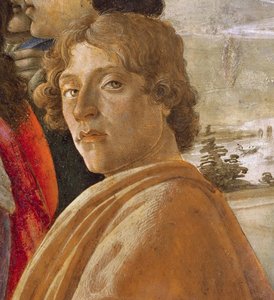
Sandro Botticelli
1445 - 1510 , Italia
Tietoa taiteilijasta
- Artistic Movement Or Style: Varhaisrenesanssi
- Artists Or Movements Influenced By This Artist: ['Pre-Raphaelistit']
- Artists Who Influenced This Artist:
- Fra Filippo Lippi
- Paolo Uccello
- Date Of Birth: 1445
- Date Of Death: 1510
- Full Name: Alessandro di Mariano Filipepi
- Nationality: Italian
- Notable Artworks:
- Venuksen syntymä
- Kevät
- Madonnat
- Place Of Birth: Firenze, Italia
Aiheeseen liittyvät artikkelit
Varhaisen renessanssin 10 mestariteosta: Taidetta kotiin AllPaintingsStoreilta
Tutustu varhaisen renessanssin 10 ikonisinta mestariteosta! Leonardo da Vinci, Michelangelo ja Botticelli – taideteokset, jotka muuttivat maailmaa. Löydä inspiraatiota kotiisi AllPaintingsStoreilta. Tutki kokoelma verkossa!

Celestial Messengers: Angels in Painting – A Historical & Artistic Exploration
Explore the captivating history of angels in painting! Discover symbolism, iconic Renaissance & Byzantine masterpieces, and renowned artists. Expert insights for art lovers & collectors at AllPaintingsStore.

Sandro Botticellin 25 mestariteosta: Renessanssin kauneutta kotiisi – AllPaintingsStore.com
Tutustu Sandro Botticellin 25 upeimpaan mestariteokseen! Uppoudu renessanssin kauneuteen, mystisiin tarinoihin ja taiteilijan ainutlaatuiseen tyyliin. Taideprintit ja korkealaatuiset kopiot kotiisi AllPaintingsStore.com:ssa. Tutustu kokoelma!

Divine Beauty: A Curated Guide to the Celestial Majesty of Angelic Figures in Art History
Explore the profound beauty of angelic figures in art history. From Renaissance masterpieces to celestial symbolism, our expert guide offers a sophisticated journey through the divine imagery of the Old Masters for discerning collectors and art enthusiasts.

Celestial Messengers: A Comprehensive Exploration of Angelic Representation in Art History
Explore the captivating history of angels in art! Discover symbolism, iconic Renaissance masterpieces & renowned artists. Expert insights for art lovers & collectors at AllPaintingsStore.


