Rahat takaisin -takuu · 100 päivää Ilmainen toimitus ympäri maailman
449 582teokset 30 618taiteilijat 4 705museot 32kielet
Valuutta
    Kieli
      Ateljee · Perustettu 2015 · Pariisi, Ranska
      AllPaintingsStore
      allpaintingsstore.com
      Katso seinällä Esikatsele AR-tilassa Vaihda tulosteeseen Siirry digitaaliseen kuvaan Lähetä
      Tarkemmat tiedot Opas Lisää suosikkeihin Lataa kuva Samanlaisia kohteita Röntgenkuvaus Diaesitys Tilastot

      Hekate

      William Blake’n mystinen Hekate-kuva: kolmifacesinen jumalatar, joka symboloi muodonmuutosta ja salattua tietoa. Romantiikan aikaisen taideteoksen syvälliset symbolit herättävät ajatuksia.

      William Blake’n mystinen Hekate-kuva: kolmifacesinen jumalatar, joka symboloi muodonmuutosta ja salattua tietoa. Romantiikan aikaisen taideteoksen syvälliset symbolit herättävät ajatuksia.

      Käsinmaalattu öljyvärinen jäljennös

      Käsinmaalattu öljyväri kankaalle haluamassasi koossa ja kehyksissä, taiteilijoidemme valmistamana tilauksesta. ( Vaihda tulosteeseen Siirry digitaaliseen kuvaan)

      Corner sample of the P118B picture frame: moulded polystyrene, 5 cm wide and 3 cm thick
      P118B 10
      Corner sample of the P118H picture frame: moulded polystyrene, 5 cm wide and 3 cm thick
      P118H 10
      Corner sample of the P118W picture frame: moulded polystyrene, 5 cm wide and 3 cm thick
      P118W 10
      Corner sample of the P438Z picture frame: moulded polystyrene, 5.5 cm wide and 3.5 cm thick
      P438Z 10
      Corner sample of the P508JH picture frame: moulded polystyrene, 7 cm wide and 3.5 cm thick
      P508JH 12
      Corner sample of the P508YH picture frame: moulded polystyrene, 7 cm wide and 3.5 cm thick
      P508YH 12
      Corner sample of the P805H picture frame: moulded polystyrene, 5 cm wide and 3.5 cm thick
      P805H 10
      Corner sample of the P805Z picture frame: moulded polystyrene, 5 cm wide and 3.5 cm thick
      P805Z 10
      Corner sample of the P919BZ picture frame: moulded polystyrene, 7 cm wide and 3.5 cm thick
      P919BZ 10
      Corner sample of the P919G picture frame: moulded polystyrene, 7 cm wide and 3.5 cm thick
      P919G 10
      Corner sample of the P919XJ picture frame: moulded polystyrene, 7 cm wide and 3.5 cm thick
      P919XJ 10
      Corner sample of the P959ZH picture frame: moulded polystyrene, 5 cm wide and 3 cm thick
      P959ZH 10
      Corner sample of the P968JZ picture frame: moulded polystyrene, 6 cm wide and 4 cm thick
      P968JZ 12
      Corner sample of the W106C picture frame: solid wood, 5 cm wide and 3 cm thick
      W106C 8
      Corner sample of the W218G picture frame: solid wood, 5 cm wide and 3 cm thick
      W218G 10
      Corner sample of the W218JH picture frame: solid wood, 5 cm wide and 3 cm thick
      W218JH 8
      Corner sample of the W218Y picture frame: solid wood, 5 cm wide and 3 cm thick
      W218Y 10
      Corner sample of the W307PJ picture frame: solid wood, 6 cm wide and 3 cm thick
      W307PJ 10
      Corner sample of the W316G picture frame: solid wood, 6 cm wide and 3 cm thick
      W316G 10
      Corner sample of the W316PJ picture frame: solid wood, 6 cm wide and 3 cm thick
      W316PJ 8
      Corner sample of the W316Y picture frame: solid wood, 6 cm wide and 3 cm thick
      W316Y 10
      Corner sample of the W398PJ picture frame: solid wood, 5 cm wide and 3 cm thick
      W398PJ 8
      Corner sample of the W4111J picture frame: solid wood, 6.5 cm wide and 3.5 cm thick
      W4111J 10
      Corner sample of the W500HY picture frame: solid wood, 7 cm wide and 5 cm thick
      W500HY 15
      Corner sample of the W500JH picture frame: solid wood, 7 cm wide and 5 cm thick
      W500JH 15
      Corner sample of the W692G picture frame: solid wood, 8 cm wide and 4 cm thick
      W692G 12
      Corner sample of the W849H picture frame: solid wood, 5 cm wide and 3 cm thick
      W849H 8
      Corner sample of the W940BG picture frame: solid wood, 7.5 cm wide and 4.5 cm thick
      W940BG 15
      Corner sample of the W953PJ picture frame: solid wood, 6 cm wide and 3.5 cm thick
      W953PJ 8

      Vakiokoko
      mittatilaustyö
      CM
      INCH

      Valitse valmiista mitoistamme sellaiset, jotka vastaavat teoksen alkuperäisiä mittasuhteita.

      leveys
      korkeus

      Voit syöttää omat mitat sopimaan tiettyyn kehykseen tai tilaan. Jos valitsemasi koko ei vastaa alkuperäisen kuvan mittasuhteita, rajaamme taideteoksen tai jatkamme maalausta käsin maalatuilla elementeillä. Digitaalinen esikatselu lähetetään hyväksyttäväksi ennen tuotannon aloittamista.
      Huomioithan, että näytöllä oleva esikatselu ei vastaa todellista rajausta tai jatkamista. Vain digitaalinen mallikuva näyttää lopullisen sommittelun tarkasti.
      Vaikka mittatilaustyöt ovat mahdollisia, suosittelemme valitsemaan mitan ennalta määritetystä listasta alkuperäisten mittasuhteiden säilyttämiseksi.

      Esimerkkejä muokattavista asioista: Vaihda kasvot asiakkaan omaan valokuvaan; Lisää lemmikki (esim. korvaa kissa koiralla); Lisää taustalle piilotettu viesti; Muuta taustan maisemaa tai elementtejä.
      Tilauksen jälkeen AllPaintingsStore.com -tiimi lähettää asiakkaalle sähköpostitse ohjeet ja esikatselukuvan.

      Maailmanlaajuinen toimitus () 3–4 viikossa tavallisen 5 viikon sijaan. (11 lokakuu). Laadusta ei tingitä.

      Ilmainen pikatoimitus ympäri maailman
      Korkealaatuinen pellavakangas
      Kattava kuljetusvakuutus
      Tulliveron palautustakuu
      Takuu täydellisestä värien vastaavuudesta
      100 päivän palautusoikeus valmistusvirhetapauksissa
      100% rahat takaisin -takuu
      Määräalennus saatavilla

      Kokonaishinta

      € 244

      Hekate

      Reproduktiotapa

      Replikaatin koko

      -

      Kokonaishinta

      € 244

      Pikaista tietoa

      • medium: Watercolor
      • notable elements: Three-faced figure symbolizing the moon's phases
      • artist: William Blake
      • influences: Classical mythology, personal spiritual beliefs
      • style: Romanticism
      • title: Hecate

      Taidevisakysely

      Jokaisessa kysymyksessä on vain yksi oikea vastaus.

      Kysymys 1:
      What goddess is depicted in William Blake's 'Hecate'?
      Kysymys 2:
      The three faces of Hecate in the painting symbolize what?
      Kysymys 3:
      What artistic movement is William Blake most closely associated with?
      Kysymys 4:
      Which medium did Blake primarily use to create 'Hecate'?
      Kysymys 5:
      The image description notes a dominant animal in the foreground. Which one is it?

      William Blakeen Hecate – Mystiikan ja Muutoksen Kuva

      William Blakeen *Hecate* on enemmän kuin pelkkä maalaus; se on syväluotaava matka mystisen maailman sydäelle. Luotu vuosina 1823-1825, tämä kolmen kasvot ja kolme kuukautta edustava Hecaten hahmo ei ole vain jumalattaren esitys, vaan Blakeen henkilökohtaisen vision ja syvällisen henkisen pohdinnan ilmentymä. Maalaus on kuin kirja, jonka sivut ovat täynnä symboliikkaa, jotka kutsuvat katsojaa pohtimaan olemassaolon salaisuuksia ja ihmisluonnon monimutkaisia piirteitä. Blakeen taiteessa ei ole kyse yksiselitteisestä kuvaamisesta, vaan pikemminkin tunteiden, ideoiden ja uskomusten välittämisestä. *Hecate* on tästä erinomainen esimerkki: se on kuin unenominen unelma, jossa muinainen jumalattaren voima yhdistyy romanttisen ajan henkiseen pohdiskeluun. Maalaus on kuin ikkunaksi toiseen todellisuuteen, johon pääsee vain avoimen mielenteröhnä ja valmius ymmärtää symboliikan syvällistä merkitystä.

      Hecaten Symbolismi – Kolmen Kasvojen Salaisuus

      Hecateen liittyy monia merkityksiä: hän on muun muassa matkoja vartioiva, yö jumalatar, taikuuden ja noituuden edustaja sekä kuun hallitsija. Blakeen maalauksessa Hecaten kolme kasvot symboloivat kuukautiskierron vaiheita – kasvavaa, täyttä ja välistymistä. Tämä ei ole vain kuvallinen tarkkuus, vaan syvempi merkitys: Hecate edustaa muutosta, siirtymää ja piileviä tiedon lähteitä. Hänen ympärillään oleva elävä maisema on täynnä symboleita, jotka lisäävät maalauksen mystiikkaa. Suuri valkoinen karhu, joka edustaa suojelua ja villiä voimaa, seisoo etualalla, kun taas viisas pöllö vartioi hänen vierellään. Korpien serpentiini viittaa houkutteleviin mutta vaarallisiin voimiin, ja keskellä oleva loistava hahmo voi tulkita joko jumalallisena voimana tai demonisena olentona. Avoin kirja Hecaten käsissä symboloi salattua tietoa ja tulevaisuuden ennustamista.

      Romanttisen Aikakauden Henki – Taiteen ja Uskon Yhdistyminen

      *Hecate* on luotu aikakaudella, jolloin taide ja filosofia olivat voimakkaasti yhteydessä toisiinsa. Blakeen taiteessa näkyy romanttismin keskeiset piirteet: tunteiden korostaminen, mielikuvituksen vapaus ja yliluonnollisen ihmeen tavoittelu. Hän hylkäsi Neoklassisen tyylin, joka oli vallalla tuolloin, ja keskittyi sen sijaan henkilökohtaiseen ja symboliseen lähestymistapaan taiteeseen. Blake sai inspiraatiota kreikkalaisesta mytologiasta, mutta filtteröi sen oman henkisen uskomuksensa läpi, joka yhdisteli kristinuskon, gnostilaisen ajattelun ja kabbalaa. Maalaus ei ole tarkoitettu vain kuvaamaan Hecatea, vaan pikemminkin tutkimaan hänen olemustaan – visuaalinen runo olemassaolon mysteereistä.

      William Blakeen Tekniikka – Vedenvärin Taikuutta

      Blakeen taiteelliset taidot näkyvät vedenvärimaalauksen hienovaraisessa käsittelyssä. Hän saavuttaa valovoimaisia värien siirtymiä ja monimutkaisia yksityiskohtia uskomattomalla tarkkuudella. Vedenvärin juokseva tyyli luo liikkeen ja energian tunteen, kun taas kirkkaat sävyt lisäävät maalauksen taianomaista tunnelmaa. Hänen tyylinsä on karakterisoitu vahvoilla viivoilla, tasaisella perspektiivillä ja linjauskuvioiden korostamisesta – kaikki nämä elementit yhdessä luovat unenomaisen vaikutelman. Tekstiura näyttää rikkaalta ja kerrokselliselta, mikä viittaa havaittavaan syvyyteen, vaikka maalaus onkin tehty vedenvärillä.

      Sisäinen Vaikutus – Inspiraation Lähde

      *Hecate* ei ole lohdullinen kuva; se on häiritsevää, provosoivaa ja syvästi herättävää. Se kutsuu katsojaa pohtimaan valtaa, tietoa, transformaatiota ja ihmisluonnon synkempiä puolia. Sen dramaattinen kompositiot ja runsaat symbolit tekevät siitä kiehtovan keskipisteen mille tahansa sisätilalle. *Hecaten* intensiteetti sopisi hyvin opiskelutilaan, kirjastoon tai taidegalleriaan, herättäen keskusteluja ja inspiroiden pohdintaa.

      Osta Oma Legacy – Reproduktiot ja Arvostus

      Koe William Blakeen näkemys omassa kodissasi huolellisesti valmistetun öljyvärimaalauksen reproduktion avulla. Taitelijamme vangitsevat jokaisen alkuperäisen yksityiskohdan, varmistaen poikkeuksellisen laadun ja kestävän kauneuden. Reproduktion hankkiminen mahdollistaa yhteyden taiteen historiaan ja tukee käsityöläisyyttä.

      Kysymykset ja vastaukset

      Miten kontrasti ja harmonia yhdistyvät teoksessa "Hekate"?

      William Blake:n "Hekate" teoksen väriyhdistelmä yhdistää Väripaletin kontrasti kontrastin ja Vahva väriharmonia harmonian.

      Kenelle taiteilijalle "Hekate" on laitettu tekijyys?

      Teos "Hekate" on yhdistetty William Blake.

      Mistä voin ostaa painoksen teoksesta William Blake:n "Hekate"?

      "Hekate" on saatavilla muodossa taideteosvedos puuvillakangas- tai arkistoluokan kankaalle painettuna. Tilaukset tehdään osoitteessa tämä sivu valitsemassasi koossa.

      Mihin taidesuuntaukseen William Blake:n "Hekate" kuuluu?

      William Blake:n "Hekate" kuuluu Romanticism-suuntaukseen. Tämä tyylisuunta antaa teokselle sen tyylillisen kontekstin.

      Voiko teoksen William Blake:n "Hekate" kuvaa käyttää vapaasti jäljentämiseen?

      Tekijänoikeuksien osalta teos "Hekate" on tekijänoikeusvapaa – sen tekijänoikeussuoja on päättynyt.

      Minkä tunnelman ja tunteen "Hekate" yhdistää?

      Teoksen William Blake:n "Hekate" tunnelma on Mystinen, ja sen emotionaalinen sävy on Salaperäinen.

      Kuka myy käsinmaalattuja kopioita teoksesta William Blake:n "Hekate"?

      William Blake:n "Hekate"-teoksen käsinmaalattuja kopioita myydään tämä verkkosivusto-sivustolla: käsinmaalattu öljyvärireproduktio pellavakankaalle, tilattavissa osoitteesta tämä sivu.


      Taiteilijan elämäkerta

      William Blake – Visionary’s Journey: The Life and Art of William Blake

      William Blake, born in London on November 28, 1757, was a figure perpetually out of step with his time, yet destined to become one of the most celebrated artists and poets of the Romantic Age. His life unfolded against the backdrop of a rapidly changing England—a world grappling with industrialization, political upheaval, and shifting spiritual beliefs. From humble beginnings as the son of a hosier, Blake’s early years were marked by an intensely vivid imagination and a propensity for visionary experiences that would profoundly shape his artistic trajectory. Though largely self-taught in formal academics, he received drawing instruction at a young age, quickly revealing a talent that hinted at the extraordinary path ahead. His apprenticeship with engraver James Basire proved pivotal, providing him not only with technical mastery but also an understanding of printmaking techniques he would later revolutionize. These early influences—the Gothic grandeur of Westminster Abbey, the classical forms of Raphael and Michelangelo—served as foundational elements in his developing aesthetic, though Blake was never one to remain bound by convention.

      Early Life and Artistic Training

      Blake’s formative years instilled within him a deep fascination with mythology and folklore, alongside an acute sensitivity to visual beauty. Despite lacking formal artistic education, he possessed an innate ability to capture the essence of observed subjects—a gift that would prove invaluable in his subsequent endeavors. His apprenticeship under James Basire honed his engraving skills, equipping him with precision and technical proficiency while simultaneously exposing him to the intricacies of printmaking processes. This experience fostered a critical awareness of prevailing artistic trends—particularly the idealized depictions favored by Neoclassical painters—which Blake deliberately rejected as sterile and lacking in spiritual depth. He sought inspiration from sources beyond the mainstream, immersing himself in the writings of philosophers like Erasmus Darwin and Milton, whose imaginative visions mirrored his own inner landscape.

      Illuminated Printing: A Revolutionary Technique

      Blake’s artistic innovation wasn't merely about subject matter; it resided fundamentally in *how* he created. Dissatisfied with conventional engraving methods—which he considered reductive and incapable of conveying the subtleties of emotion—he developed a unique process known as “illuminated printing.” This involved etching both text and illustrations onto copper plates, then painstakingly hand-coloring the resulting prints—a laborious but deeply personal approach that allowed for complete artistic control. This wasn’t simply illustration accompanying poetry; it was an integrated art form where image and verse were inextricably linked, each enhancing the meaning of the other. He achieved this remarkable feat by combining etching with watercolor pigments, creating images imbued with luminous color and textural richness—a technique that stood apart from prevailing artistic practices of his era. This revolutionary method enabled Blake to express his visionary ideas in a way that transcended the limitations of traditional printmaking, forging a path toward a new aesthetic dimension.

      Major Works and Artistic Style

      Blake’s oeuvre encompasses poetry, engravings, watercolors, and illuminated books—each reflecting his distinctive artistic vision. Among his most celebrated works are *Songs of Innocence & Experience* (1789), a dual collection exploring themes of childhood innocence and adult corruption; *The Marriage of Heaven & Hell* (1793), a provocative prose poem challenging moral conventions; and *Jerusalem*, an ambitious epic poem celebrating the spiritual redemption of Albion—the ancient name for Britain. His engravings, particularly those inspired by Dante’s *Divine Comedy*, demonstrate his mastery of printmaking techniques and his ability to translate complex narratives into powerful visual imagery. Blake's artistic style is characterized by a deliberate rejection of linear perspective in favor of flattened planes and symbolic representations—a stylistic choice that prioritized emotional impact over realistic depiction. He favored tempera paints for certain canvases, reflecting his admiration for the Renaissance aesthetic, and employed watercolor pigments with exceptional skill to achieve luminous effects and capture fleeting impressions.

      Legacy and Influence

      William Blake’s artistic legacy extends far beyond his own lifetime, profoundly influencing subsequent generations of artists and writers. The Pre-Raphaelites embraced him as a kindred spirit—a champion of imaginative vision and symbolic expression—drawing inspiration from his groundbreaking technique and thematic concerns. Later movements—Symbolism and Modernism—recognized in Blake's work an affirmation of subjectivity and spiritual exploration—values that resonated deeply with the anxieties and aspirations of their time. Today, William Blake is revered as a pivotal figure in Romantic art and literature—an artist whose uncompromising commitment to creative freedom continues to inspire artists and thinkers worldwide. His enduring influence testifies to the transformative power of imagination and the importance of questioning conventional dogma—a testament to Blake’s timeless relevance as a visionary voice within the history of art.
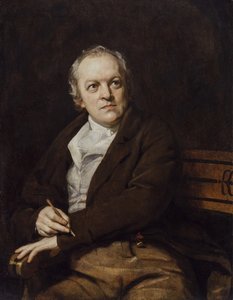
      William Blake

      William Blake

      1757 - 1827 , Englanti

      Tietoa taiteilijasta

      • Artistic Movement Or Style: Romantiikka
      • Artists Who Influenced This Artist:
        • Raphael
        • Michelangelo
      • Date Of Birth: 1757
      • Full Name: William Blake
      • Nationality: Englanti
      • Notable Artworks:
        • Songs of Innocence & Exp.
        • The Tyger
        • Jerusalem
      • Place Of Death: Londoo
      Tutustu teoksiin, jotka on järjestetty aiheiden, tyylien ja ominaisuuksien mukaan.