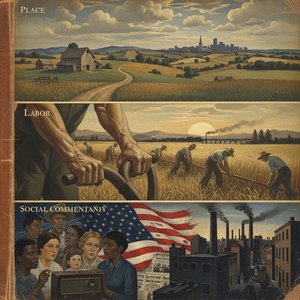
1942. Oil On Canvas. Gibbes Museum of Art.

§ 1Catalogue data


Tämä teos on tekijänoikeuden suojaama
Tällä sivulla esitettyä taideteosta suojaa tekijänoikeuslaki, mikä tarkoittaa, ettemme voi laillisesti luoda tai myydä täsmälleen samanlaista jäljennöstä. Tämä suoja toteutetaan kansainvälisten sopimusten, kuten esimerkiksi Berne-konventio ja kansallisilla laeilla, mukaan lukien niillä määritellyt Yhdysvaltain tekijänoikeuslaki – Luku 17. Kaikki oikeudet pidätetään. Luvaton kopiointi tai jäljittely on kielletty.
Kunnioittavana ja laillisena vaihtoehtona tarjoamme alkuperäisestä inspiroituneita, yksilöllisiä ja käsinmaalattuja taideteoksia. Taitavat ja ammattimaiset taiteilijamme tutkivat huolellisesti alkuperäisen teoksen tyyliä, tunnelmaa ja taiteellista ydintä luodakseen uuden, ainutlaatuisen teoksen, joka herättää saman tunteen – säilyttäen samalla oman itsenäisen alkuperäisyytensä.
Tämä menetelmä noudattaa täysin tekijänoikeussäännöksiä, sillä se ei sisällä suojatun taideteoksen kopioimista tai jäljentämistä. Sen sijaan kyseessä on luova uudelleentulkinta – uusi maalaus, joka ammentaa vaikutteita alkuperäisestä, mutta ei ole sen identtinen kopio.
 Lue lisää
§ 2Abstract
Keräilykohteen kuvaus
Vibrant rural life captured by William H. Johnson's 1942 painting Sowing, showcasing dynamic color and folk tradition; discover this piece of Harlem Renaissance art today.
Taiteilijan elämäkerta
William H. Johnson (1901-1970) oli merkittävä Harlem-renessanssin taidemaalari, tunnettu ekspressiivisistä muotokuvistaan ja afrikkalaisamerikkalaista elämää kuvaavasta kansantaiteellisesta tyylistään. Tutustu hänen voimakkaisiin modernistisiin teoksiinsa!
§ 3Commentary
A Journey Through Rural Life: The Spirit of Sowing
William H. Johnson’s painting, Sowing (1942), transports the viewer into a sun-drenched tableau of rural existence. It is more than just a depiction of figures walking through the countryside; it is a vibrant narrative steeped in the resilience and enduring rhythm of agricultural life. The composition immediately draws the eye to the central grouping: a man on the left, a woman on the right, moving together with their donkey. They are laden not only with the tools of their trade—a plow visible among their belongings—but also with everyday necessities, suggesting a journey both literal and metaphorical.
Technique and Vibrancy in Color
Johnson employs a palette that sings with life. The colors are rich, saturated, and applied with a palpable energy that speaks to the artist's mastery of paint. One can almost feel the warmth of the sun beating down on this scene. Beyond the main subjects, the environment breathes through carefully placed details. In the background, a tree anchors the left side, lending depth, while the sky above is animated by the presence of two birds—one near the upper left corner and another drifting toward the center-right. These elements are not mere decoration; they are integral parts of the atmosphere, contributing to the overall dynamic and captivating quality of the piece.
Historical Echoes and Cultural Resonance
Painted in 1942, this work emerges from a period of immense global tension, yet it grounds itself firmly in enduring American traditions. William H. Johnson’s own life—a journey marked by study in Paris and deep roots in African American culture—informs the symbolic weight carried within the canvas. While the scene depicts labor, there is an undercurrent of profound cultural continuity. The depiction of community effort, symbolized by the shared passage with the donkey, speaks to a collective perseverance that transcends the immediate historical moment.
Symbolism of Labor and Connection
The act of sowing itself carries universal symbolism: hope, renewal, and the promise of future harvest. The plow represents industry and the necessary work required for sustenance, while the pairing of man and woman suggests partnership—a harmonious collaboration essential to both farming and life itself. Johnson masterfully weaves together these elements, creating a visual poem about interdependence. For the collector or designer, this piece offers more than just decoration; it offers an infusion of grounded optimism, reminding us that beauty and strength are often found in the steady rhythm of shared effort.
Kysymykset ja vastaukset
Kenen teokseksi "Sowing" on merkitty?
Teoksen "Sowing" taiteilija on William H. Johnson. Teos on luetteloitu William H. Johnson nimellä.
Mikä on teoksen William H. Johnson:n "Sowing" valmistumisvuosi ja tyylisuunta?
"Sowing" on tehty vuonna 1942 Harlem Renaissance-suuntauksen piirissä.
Onko William H. Johnson:n "Sowing" vaalea vai tumma teos?
Teoksen William H. Johnson:n "Sowing" kirkkaus on brilliant ja luminanssi Bright Balance.


 Vaihda tulosteeseen


 Teoksille tai reproduktioille, joiden mikä tahansa sivu on suurempi kuin 105 cm (noin 41 tuumaa), kehys toimitetaan osina purettuna sarjana. Tämä menetelmä varmistaa turvallisen toimituksen ja ehkäisee vaurioita kuljetuksen aikana.