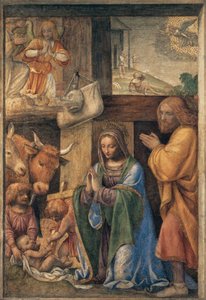
Aperçu en situation
 Partager
 Partager
 Détails
 Guide
Guide

 Télécharger
 Articles similaires
 Radiographie
 Voir le diaporama
 Statistiques
Salome with the Head of St John the Baptist
 Oil On Panel
- WallArt
- Renaissance Luminosity
 Renaissance
 62.0 x 51.0 cm
 Musée des Beaux-Arts (Boston)
 Afficher la suite
Reproduction à l'huile faite à la main
Huile sur toile peinte à la main, avec cadre et dimensions personnalisés, réalisée sur commande par nos artistes. ( Passer au format impression Passer au format image numérique)




P118B $10

P118H $10

P118W $10

P438Z $10

P508JH $12

P508YH $12

P805H $10

P805Z $10

P919BZ $10

P919G $10

P919XJ $10

P959ZH $10

P968JZ $12

W106C $8

W218G $10

W218JH $8

W218Y $10

W307PJ $10

W316G $10

W316PJ $8

W316Y $10

W398PJ $8

W4111J $10

W500HY $15

W500JH $15

W692G $12

W849H $8

W940BG $15

W953PJ $8




Choisissez parmi nos formats prédéfinis qui respectent les proportions originales de l’œuvre.

Vous pouvez saisir vos propres dimensions pour l'adapter à un cadre ou à un espace spécifique. Si la taille sélectionnée ne correspond pas aux proportions de l'image d'origine, nous recadrerons l'œuvre ou prolongerons la peinture avec des éléments peints à la main supplémentaires. Une maquette numérique vous sera envoyée pour approbation avant le début de la production.
Veuillez noter que l'aperçu à l'écran ne reflète pas le recadrage ou l'extension réels. Seule la maquette montrera fidèlement la composition finale.
Bien que des tailles personnalisées soient disponibles, nous vous recommandons de sélectionner une dimension dans la liste prédéfinie afin de préserver les proportions d'origine.
Après la commande, l’équipe AllPaintingsStore.com contactera le client par e-mail pour recueillir ses instructions et lui fournira une maquette d’aperçu
Livraison dans le monde entier () en 3 à 4 semaines au lieu des 5 semaines habituelles. (21 septembre). Aucun compromis sur la qualité.

Livraison express gratuite dans le monde entier

Toile de lin de haute qualité

Assurance transport complète

Garantie de remboursement des droits de douane

Garantie de fidélité des couleurs

Garantie de retour de 100 jours (uniquement en cas de défaut)

Garantie de remboursement à 100%

Tarifs dégressifs sur quantité
 L'option verre n'est disponible que pour les dimensions inférieures à 110 cm.

Salome with the Head of St John the Baptist
Technique de reproduction
Format de la reproduction
-


Prix total final
$ 258
A Chilling Tableau of Renaissance Drama
In the quiet intensity of Bernardino Luini’s Salome with the Head of St John the Baptist, we encounter one of the most visceral and haunting narratives of the biblical era. Completed around 1527, this masterpiece does not merely depict a moment of historical violence; it captures the heavy, breathless tension that precedes a revelation. The scene centers on Salome, the daughter of Herodias, as she presents the severed head of John the Baptist upon a silver platter. While the subject matter is undeniably macabre, Luini transcends the shock of decapitation to explore the complex psychological layers of betrayal, power, and the chilling weight of a fulfilled, albeit bloody, request.
The composition draws the viewer into a tight, intimate circle of figures, where every gaze and gesture carries profound narrative weight. As Salome holds the platter, her presence is marked by a certain ethereal grace that stands in stark, unsettling contrast to the grisly offering she bears. This juxtaposition creates a sense of cognitive dissonance—a hallmark of high Renaissance drama—where beauty and horror coexist within the same frame, forcing the observer to confront the duality of human nature.
The Mastery of the Luinesque Style
To look upon this work is to witness the profound influence of Leonardo da Vinci upon the Lombard school. Luini, a master of the sfumato technique, employs a subtle, smoky haze to soften the contours of his figures, lending them an otherworldly, dreamlike quality. This delicate treatment of light and shadow—the interplay of chiaroscroll—serves to blur the lines between reality and myth, making the scene feel less like a historical record and more like a haunting vision. The skin tones are rendered with a luminous realism, yet there is an unmistakable softness that permeates the atmosphere, enveloping the characters in a veil of quietude.
The technical execution is nothing short of sublime. Luini’s ability to render textures—the heavy drape of fabric, the cold sheen of the metal platter, and the tragic stillness of the severed head—demonstrates a virtuosity that captivated even the most discerning collectors of his era. For the modern connoisseur or interior designer, this painting offers a sophisticated balance of tonal depth and classical elegance. It is a work that commands attention through its subtlety rather than through overt aggression, making it an exquisite focal point for a curated collection or a grand, contemplative space.
Symbolism and Eternal Resonance
Beyond the literal depiction of the biblical tragedy, the painting is a labyrinth of symbolic meaning. The positioning of the figures—the watchful presence of the guards and the focused attention of the onlookers—suggests a larger political and moral framework. It is a study in feminine agency and its darker implications; Salome becomes a vessel for a vengeance that is both personal and political. The painting reflects the humanist spirit of the Renaissance, where religious stories were utilized as mirrors to examine human psychology, morality, and the consequences of unchecked ambition.
For those seeking to bring a piece of art history into their homes, a high-quality reproduction of this Luini masterpiece offers more than just decoration. It provides an opportunity to inhabit a moment of profound historical significance. The painting’s enduring emotional impact lies in its ability to provoke thought and conversation, inviting viewers to linger on the delicate interplay of light, shadow, and the eternal struggle between grace and cruelty. It is a timeless addition to any environment that values depth, narrative complexity, and the breathtaking beauty of the Italian Renaissance.
Œuvres similaires


Biographie de l'artiste
Début de vie et formation
Bernardino Luini, un peintre important du nord de l'Italie, est né à Runo, près du lac Majeur, vers 1480. Sa jeunesse n'est pas bien documentée, mais on sait qu'il a déménagé à Milan avec son père en 1500. Selon certaines sources, Luini s'est formé auprès de Giovan Stefano Scotto, tandis que d'autres suggèrent qu'il était un élève d'Ambrogio Bergognone.
Style artistique et influences
L'œuvre de Luini a été fortement influencée par Leonardo da Vinci, avec qui il aurait travaillé directement. Cette influence se voit dans son utilisation du sfumato, une technique qui crée un effet doux et brumeux en superposant de fines couches de peinture. Le style de Luini reflète également le mouvement maniériste, caractérisé par ses qualités dramatiques et émotionnelles.
Œuvres notables
- L'Adoration des mages (vers 1505) à San Pietro, Luino
- Saint Antoine de Padoue (années 1510) au Museo Poldi Pezzoli, influencé par le polyptyque de Cantù de Bernardino Zenale
- Fresques pour la Villa Pelucca (1509-1514), maintenant à la Pinacoteca di Brera, Milan
Collections muséales et ressources en ligne
- Pinacoteca di Brera, Milan: présente plusieurs œuvres de Luini, dont ses fresques pour la Villa Pelucca.
- AllPaintingsStore.com: Bernardino Luini: offre une collection complète des œuvres de Luini, y compris des reproductions de haute qualité et des informations détaillées.
- Découvrez-en davantage sur la vie et l'œuvre de Luini sur Wikipédia
- Explorez le musée du Duomo de Sienne, en Italie, qui abrite certaines des œuvres d'art les plus belles et les plus importantes du Moyen Âge, notamment des œuvres contemporaines de Luini.
- Apprenez-en davantage sur le mouvement artistique maniériste, un style apparu au XVIe siècle en Italie et s'étant répandu dans toute l'Europe, caractérisé par ses qualités dramatiques et émotionnelles.
Héritage
La contribution de Luini à la peinture du nord de l'Italie est indéniable. Son œuvre, marquée par ses élégantes figures féminines aux yeux allongés, connues sous le nom de "luinesques", a été largement admirée et imitée. Le fils de Luini, Aurelio, est également devenu un peintre accompli, perpétuant l'héritage artistique familial.
Dates importantes:
- Né: vers 1480, Runo, Italie
- Décédé: juin 1532, Milan, Italie

Bernardino Luini
1480 - 1532 , Italie
En bref
- Artistes Influents: ['Léonard de Vinci']
- Date De Décès: Juin 1532
- Date De Naissance: vers 1480
- Influencé Par Cet Artiste: Aurelio Luini
- Lieu De Naissance: Runo, Italie
- Mouvement Artistique: Renaissance italienne
- Nationalité: Italienne
- Nom Complet: Bernardino Luini
- Œuvres Notables:
- Adoration des mages
- Saint Antoine de Padoue
- Fresques Villa Pelucca
Articles similaires

The Renaissance Masters: A Comparative Study of Leonardo, Michelangelo, and Raphael
Explore the profound technical and philosophical differences between Leonardo, Michelangelo, and Raphael. A deep dive into High Renaissance mastery, from sfumato to anatomical precision, designed for art students and scholars seeking academic depth.