


 Aperçu en situation
 Envoyer
 Partager
 Détails de l'œuvre

 Télécharger
 Articles similaires
 Radiographie
 Diaporama
Queensborough-Bridge
 Oil On Canvas
- WallArt
- New Realism
 1913
1913- Modern
 152.0 x 88.0 cm
 Lire la suite
Giclées et impressions d'art
Impressions giclées ou sur toile de qualité musée, avec une production rapide et des finitions au choix. ( Commander la reproduction peinte à la main Télécharger l'image haute résolution)




P118B $10

P118H $10

P118W $10

P438Z $10

P508JH $12

P508YH $12

P805H $10

P805Z $10

P919BZ $10

P919G $10

P919XJ $10

P959ZH $10

P968JZ $12

W106C $8

W218G $10

W218JH $8

W218Y $10

W307PJ $10

W316G $10

W316PJ $8

W316Y $10

W398PJ $8

W4111J $10

W500HY $15

W500JH $15

W692G $12

W849H $8

W940BG $15

W953PJ $8




Choisissez parmi nos formats prédéfinis qui respectent les proportions originales de l’œuvre.

Vous pouvez saisir vos propres dimensions pour vous adapter à un cadre ou à un espace spécifique. Si la taille sélectionnée ne correspond pas aux proportions de l'image originale, nous recadrerons l'œuvre ou étendrons l'image avec une bordure en miroir ou une couleur unie. Une maquette numérique vous sera envoyée pour approbation avant le début de la production.
Veuillez noter que l'aperçu à l'écran ne reflète pas le recadrage ou l'extension réelle. Seule la maquette montrera avec précision la composition finale.
Bien que des tailles personnalisées soient disponibles, nous vous recommandons de choisir une dimension dans la liste prédéfinie afin de préserver les proportions originales.
Livraison dans le monde entier () en 2 semaines au lieu des 4/5 semaines habituelles. (22 août)

Livraison express gratuite dans le monde entier

Toile de lin de qualité supérieure

Assurance transport complète

Garantie de remboursement des droits de douane

Garantie de fidélité des couleurs

Politique de retour de 60 jours (uniquement en cas de défaut)

Garantie de remboursement à 100%

Offre de tarifs dégressifs
 L'option verre n'est disponible que pour les dimensions inférieures à 110 cm.

Queensborough-Bridge
Giclées et impressions d'art
Format de la reproduction
-


Prix total
$ 64
Description de la pièce
A Symphony of Steel and Solitude
In the vast landscape of American modernism, few images capture the quiet tension of urban existence as poignantly as Edward Hopper’s Queensborough Bridge. Painted in 1913, this monumental oil on canvas serves as more than a mere architectural study; it is a profound meditation on the intersection of industrial progress and human isolation. As the eye travels across the expansive 152 x 88 cm frame, one is immediately struck by the sheer scale of the bridge, which spans the width of the composition like a heavy, structural heartbeat connecting two distant shores. Hopper, a master of capturing the psychological weight of a scene, uses the massive arches of the bridge to create a sense of both grandeur and enclosure, inviting the viewer into a world where the bustling energy of New York City is distilled into a single, breathless moment of stillness.
The technique employed in this masterpiece reveals Hopper’s early command of New Realism. Eschewing the fleeting, light-drenched whimsy of Impressionism, Hopper opts for a more deliberate and grounded approach. He meticulously renders the structural integrity of the bridge, using a masterful blending of light and shadow to sculpt its massive forms. The water beneath the arches is not merely a surface but a mirror, where broken brushstrokes capture the subtle, ethereal dance of reflected light, creating a soft contrast against the rigid, unyielding steel above. This interplay between the solidity of the man-made structure and the fluid, ever-changing nature of the river creates a visual rhythm that keeps the viewer’s gaze moving, searching for meaning within the shadows.
The Poetics of Urban Isolation
Beyond its technical brilliance, Queensborough Bridge is a deeply symbolic work that resonates with the anxieties of the early 20th century. During this era of rapid industrialization and urban expansion, the sense of the individual being dwarfed by the growing metropolis was palpable. Hopper captures this perfectly through his strategic placement of elements: two small boats glide silently through the water, acting as anchors for the composition while simultaneously emphasizing the vastness of the environment. A solitary house, perched quietly on the right side of the canvas, introduces a touch of human presence that feels both intimate and profoundly distant. This juxtaposition—the massive, impersonal bridge against the small, vulnerable signs of life—serves as a powerful metaphor for the alienation often found within the heart of a crowded city.
For the discerning collector or interior designer, this painting offers an unparalleled emotional depth that can transform a space. It does not merely decorate a wall; it establishes an atmosphere of contemplative tranquility and sophisticated melancholy. The muted palette and the careful balance of light and dark provide a neutral yet emotionally charged focal point that complements both contemporary and classic interiors. To possess a reproduction of this work is to invite a piece of American history into one's home—a piece that celebrates the beauty found in the quiet, overlooked moments of modern life and reminds us of the enduring power of solitude amidst the machine age.
Œuvres similaires


Biographie de l'artiste
**jeunesse et influences**
Edward Hopper, peintre et graveur américain réaliste de premier plan, est né le 22 juillet 1882 à Upper Nyack, New York. Sa famille, d'ascendance principalement néerlandaise, lui a offert une éducation confortable qui lui a permis de poursuivre ses inclinations artistiques dès son plus jeune âge. - **inspirations :** L’œuvre de Hopper a été influencée par les écrits de Ralph Waldo Emerson et des maîtres impressionnistes français Édouard Manet et Edgar Degas. - **formation précoce :** Il a commencé à étudier l'art grâce à un cours par correspondance en 1899, puis est passé à l’École d'Art et de Conception de New York.**style artistique et thèmes**
Edward Hopper's rendus sobres et soigneusement calculés reflétaient sa vision personnelle de la vie américaine moderne. Son travail peut être caractérisé par : - **scènes urbaines et rurales :** Les deux ensembles étaient dépeints avec un mélange unique de réalisme et d’émotion profonde. - **lumière :** Maîtrise de la lumière, souvent utilisée pour évoquer des sentiments d'isolement ou de contemplation. - **figures :** Souvent sans visage ou en arrière-plan, mettant l'accent sur l'environnement plutôt que sur les figures.**œuvres notables et leur signification**
- House by the Railroad (Musée d'Art Moderne, New York, États-Unis), un exemple de la capacité de Hopper à évoquer un sentiment de mélancolie grâce à une composition simple mais puissante. - Reclining Nude (50 x 35 cm, Nouveau Réalisme, aquarelle), mettant en valeur sa versatilité pour capturer la forme humaine.**Héritage et influence**
- **Influence sur les artistes futurs :** Le style unique de Hopper a influencé de nombreux artistes, dont Pierre Sanford Ross, connu pour ses scènes urbaines et rurales. - **Popularité durable :** Ses œuvres continuent de captiver le public par leurs thèmes intemporels de solitude et de la condition humaine.**Explorez davantage sur AllPaintingsStore**
- [https://AllPaintingsStore.com/@/edward-hopper](Œuvres d'Edward Hopper) - /fr/art/show/art-8xyffg-fr/Achetez de l'art inspiré par les maîtres]- Plongez dans le monde de l'art grâce à la vaste collection de AllPaintingsStore.
- Découvrez comment l'héritage d' Edward Hopper continue d'inspirer les artistes et les amateurs d'art.
**Références**
- [https://AllPaintingsStore.com/@/edward-hopper](Wikipedia : Edward Hopper) - [https://en.wikipedia.org/wiki/edward_hopper](Biographie d'Edward Hopper sur Wikipédia)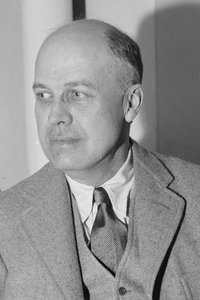
Edward Hopper
1931 - 1967 , États-Unis d'Amérique
L'essentiel de l'artiste
- Artistes Influents:
- Ralph Waldo Emerson
- Édouard Manet
- Edgar Degas
- Date De Décès: 1967
- Date De Naissance: 22 juillet 1882
- Influence Sur Les Artistes: ['Pierre Sanford Ross']
- Lieu De Naissance: Upper Nyack, États-Unis
- Nationalité: Américaine
- Nom Complet: Edward Hopper
- Oeuvres Notables:
- House by the Railroad
- Nighthawks
- Gas
- Chop Suey
- Summertime
- Style Artistique: Réalisme américain
Articles connexes

Edward Hopper : Les 25 Œuvres Maîtresses d'un Artiste Américain Intemporel | AllPaintingsStore
Plongez dans l'univers poignant d'Edward Hopper avec les 25 œuvres incontournables du maître américain. Découvrez la lumière, l'isolation et le réalisme unique de ses tableaux iconiques. Reproductions de qualité muséale sur AllPaintingsStore.com. Explorez la collection en ligne.
Réalisme Américain : 10 Chefs-d'œuvre Incontournables pour une Déco Inspirée
Plongez au cœur du Réalisme Américain avec 10 chefs-d'œuvre d'Edward Hopper, Andrew Wyeth et plus. Découvrez l'histoire et les techniques de ces artistes emblématiques. Reproductions de tableaux de qualité musée sur AllPaintingsStore.com !

Concrete Visions: Exploring the Urban Landscape in Painting – From Realism to Contemporary Art
Explore the evolution of cityscape painting from Realism to contemporary art with AllPaintingsStore. Discover key artists & invest in timeless urban visions. Expert guidance, museum-quality reproductions.

Constable : Les 25 Chefs-d'Œuvre du Maître Anglais | AllPaintingsStore
Plongez dans l'univers de John Constable avec les 25 œuvres incontournables du maître anglais. Découvrez l'histoire, la technique et l'émotion derrière ses paysages romantiques. Reproductions de qualité muséale sur AllPaintingsStore.com.

Romantic Realism's Finest: 10 Masterpieces for Your Home | AllPaintingsStore
Explore 10 defining masterpieces of Romantic Realism! Discover Courbet, Millet & Daumier's powerful paintings—capturing emotion and social realities. Find museum-quality reproductions for your home at AllPaintingsStore.com.


