


 Aperçu en situation
 Envoyer
 Partager
 Détails de l'œuvre

 Télécharger
 Articles similaires
 Radiographie
 Diaporama
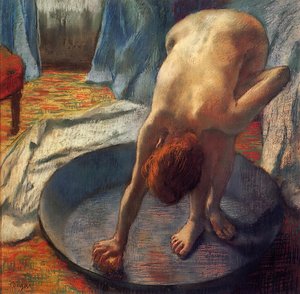
Helping Hand
 Lire la suite
Giclées et impressions d'art
Impressions giclées ou sur toile de qualité musée, avec une production rapide et des finitions au choix. ( Commander la reproduction peinte à la main Télécharger l'image haute résolution)




































Choisissez parmi nos formats prédéfinis qui respectent les proportions originales de l’œuvre.

Vous pouvez saisir vos propres dimensions pour vous adapter à un cadre ou à un espace spécifique. Si la taille sélectionnée ne correspond pas aux proportions de l'image originale, nous recadrerons l'œuvre ou étendrons l'image avec une bordure en miroir ou une couleur unie. Une maquette numérique vous sera envoyée pour approbation avant le début de la production.
Veuillez noter que l'aperçu à l'écran ne reflète pas le recadrage ou l'extension réelle. Seule la maquette montrera avec précision la composition finale.
Bien que des tailles personnalisées soient disponibles, nous vous recommandons de choisir une dimension dans la liste prédéfinie afin de préserver les proportions originales.
Livraison dans le monde entier () en 2 semaines au lieu des 4/5 semaines habituelles. (19 août)

Livraison express gratuite dans le monde entier

Toile de lin de qualité supérieure

Assurance transport complète

Garantie de remboursement des droits de douane

Garantie de fidélité des couleurs

Politique de retour de 60 jours (uniquement en cas de défaut)

Garantie de remboursement à 100%

Offre de tarifs dégressifs
 L'option verre n'est disponible que pour les dimensions inférieures à 110 cm.

Helping Hand
Giclées et impressions d'art
Format de la reproduction
-


Prix total
$ 64
Œuvres similaires


Biographie de l'artiste
Edwin Willard Deming: Bridging Realism and Romantic Symbolism
Edwin Willard Deming (August 26, 1860 – October 15, 1942) was an American painter and sculptor whose work captivated audiences with its blend of meticulous realism and deeply felt symbolism. Born in Ashland, Ohio, he embarked on a prolific artistic journey that spanned decades, leaving behind a legacy celebrated for its evocative landscapes and poignant portrayals of Native American culture. His distinctive style—often termed “Romantic Realism”—established him as one of the foremost artists documenting the American West during the late 19th and early 20th centuries.Early Life and Artistic Beginnings
Deming’s formative years were marked by a profound connection to the natural world, nurtured in his family's Ohio homestead. This upbringing instilled within him an unwavering appreciation for observation and detail—qualities that would become hallmarks of his artistic practice. Despite facing challenges securing formal training due to financial constraints, Deming persevered through self-study and mentorship, honing his skills in drawing and painting before venturing eastward to New York City in 1886. It was here he began to establish himself as a professional artist, exhibiting his work alongside prominent figures of the American Impressionist movement.Influences and Artistic Style
Deming’s artistic vision drew inspiration from diverse sources—including Japanese prints (Japonisme), Romantic literature, and the burgeoning Symbolist aesthetic championed by artists like Edvard Munch and Gustave Moreau. He meticulously studied these influences, incorporating elements of tonal harmony and expressive brushwork into his canvases. However, Deming distinguished himself through a singular approach: he rejected purely objective representation, instead striving to convey emotional depth and spiritual resonance. This commitment resulted in landscapes imbued with melancholic beauty—often depicting solitary figures contemplating vast vistas—and portraits that captured not merely physical likeness but also psychological nuance.Notable Works and Artistic Achievements
Deming’s oeuvre encompasses a remarkable range of subjects—primarily landscapes of the American West, particularly Montana and Wyoming—but he also produced sculptures celebrating Native American heritage. Among his most celebrated paintings are “Dog Travois Blackfoot Camp,” “The Mourning Brave,” and “Indian Procession.” These works exemplify his masterful technique and profound understanding of color and composition. The Smithsonian American Art Museum recognizes Deming’s contribution to American art history, showcasing several pieces from his collection. His depictions of Native American life—characterized by sensitivity and respect—became influential in shaping public perception of Indigenous cultures during a period marked by westward expansion and cultural clashes.Legacy and Historical Significance
Edwin Willard Deming's artistic legacy extends beyond the individual canvases he created; it resides in his role as a pivotal figure documenting the visual culture of the American West. His paintings captured the grandeur of the landscape alongside intimate portraits of Native Americans, offering invaluable insights into their traditions and beliefs. Furthermore, Deming’s stylistic innovations—particularly his blending of realism with Symbolist principles—influenced subsequent generations of artists. He remains remembered as a visionary artist who elevated painting to an art form capable of conveying profound emotional truths and fostering empathy for diverse cultures.
L'essentiel de l'artiste
- Artistic Movement Or Style: Romantic/Symbolist
- Artists Who Influenced This Artist:
- Thomas Moran
- Winslow Homer
- Date Of Birth: August 26, 1860
- Date Of Death: October 15, 1942
- Full Name: Edwin Willard Deming
- Nationality: American
- Notable Artworks:
- Dog Travois Blackfoot Camp
- The Mourning Brave
- Indian Procession
- Place Of Birth: Ashland, Ohio



