


 Aperçu en situation
 Partager
 Partager
 Détails
 Guide imprimable

 Télécharger
 Articles similaires
 Radiographie
 Voir le diaporama
 Statistiques
Study for Cinematic Mural, Study I


 Afficher la suite
Giclées et impressions d'art
Impressions giclées ou sur toile de qualité musée, avec une production rapide et des finitions au choix. ( Acheter la peinture faite à la main Passer au format image numérique)




P118B $10

P118H $10

P118W $10

P438Z $10

P508JH $12

P508YH $12

P805H $10

P805Z $10

P919BZ $10

P919G $10

P919XJ $10

P959ZH $10

P968JZ $12

W106C $8

W218G $10

W218JH $8

W218Y $10

W307PJ $10

W316G $10

W316PJ $8

W316Y $10

W398PJ $8

W4111J $10

W500HY $15

W500JH $15

W692G $12

W849H $8

W940BG $15

W953PJ $8




Choisissez parmi nos formats prédéfinis qui respectent les proportions originales de l’œuvre.

Vous pouvez saisir vos propres dimensions pour vous adapter à un cadre ou à un espace spécifique. Si la taille sélectionnée ne correspond pas aux proportions de l'image originale, nous recadrerons l'œuvre ou étendrons l'image avec une bordure en miroir ou une couleur unie. Une maquette numérique vous sera envoyée pour approbation avant le début de la production.
Veuillez noter que l'aperçu à l'écran ne reflète pas le recadrage ou l'extension réelle. Seule la maquette montrera avec précision la composition finale.
Bien que des tailles personnalisées soient disponibles, nous vous recommandons de choisir une dimension dans la liste prédéfinie afin de préserver les proportions originales.
Livraison dans le monde entier () en 2 semaines au lieu des 4/5 semaines habituelles. (25 septembre)

Livraison express gratuite dans le monde entier

Toile de lin de haute qualité

Assurance transport complète

Garantie de remboursement des droits de douane

Garantie de fidélité des couleurs

Garantie de retour de 100 jours (uniquement en cas de défaut)

Garantie de remboursement à 100%

Tarifs dégressifs sur quantité
 L'option verre n'est disponible que pour les dimensions inférieures à 110 cm.

Study for Cinematic Mural, Study I
Giclées et impressions d'art
Format de la reproduction
-


Prix total final
$ 64
A Symphony of Form and Light: Exploring Fernand Léger’s Study for Cinematic Mural
In the heart of the late 1930s, as the world stood on the precipice of profound global transformation, Fernand Léger captured the pulse of a changing era in his Study for Cinematic Mural, Study I. Painted between 1938 and 1939, this evocative work is far more than a mere preparatory sketch; it is an orchestrated tableau that breathes with the dynamism of the machine age. Through a masterful use of gouache and pencil on board, Léger invites us into a meticulously constructed urban landscape where the boundaries between human aspiration and industrial precision begin to blur. The piece serves as a window into a moment in history when the roar of engines and the geometric rhythm of growing cities were redefining the very essence of modern existence.
The composition is anchored by a monumental, almost mythic presence: a statue of a woman wielding a torch. This central figure acts as a beacon of enlightenment amidst the structured chaos of the cityscape, her silhouette standing as a symbol of hope and guidance through the complexities of a technological future. Surrounding this icon, the landscape unfolds in a rhythmic dance of geometric shapes—rectangles, squares, and triangles that echo the repetitive, powerful patterns found in factories and urban planning. Léger’s unique Constructivist approach allows these forms to exist as both architectural elements and abstract symbols, creating a visual language that feels simultaneously grounded in reality and elevated by imagination.
The Artistry of the Machine Age: Technique and Texture
To behold this study is to witness Léger’s profound command over medium and movement. By employing gouache, a pigment celebrated for its rich opacity and smooth blending capabilities, the artist achieves a striking textural depth. This fluidity is brilliantly contrasted by the sharp, precise pencil lines that define the structural integrity of the buildings and vehicles. This duality in technique mirrors the subject matter itself: the tension between the organic flow of human life and the rigid, unyielding nature of industrial production. The way light interacts with the flattened planes creates a sense of depth without relying on traditional illusionism, offering a modern perspective that feels strikingly contemporary even decades after its creation.
The bustling energy of the scene is further animated by the inclusion of various mechanical elements—cars, trucks, and trains—that weave through the urban fabric. These details are not merely decorative; they are the lifeblood of the composition, representing the relentless momentum of progress. For the discerning collector or interior designer, this artwork offers a sophisticated balance of structural clarity and vibrant energy. It is a piece that commands attention through its bold geometry while providing a contemplative space for reflecting on the intersection of humanity and technology.
A Timeless Vision for Modern Interiors
For those seeking to infuse a space with intellectual depth and historical significance, Léger’s study offers unparalleled inspiration. Its palette and composition possess a versatile elegance that complements both minimalist modern settings and more eclectic, curated environments. The artwork does not merely decorate a wall; it initiates a dialogue about the beauty found in order, the strength found in industry, and the enduring light of human progress. Owning a high-quality reproduction of this masterpiece allows one to bring the transformative spirit of the Parisian avant-garde into the home, serving as a permanent tribute to an era that dared to reimagine the world through the lens of form, function, and light.
Œuvres similaires


Biographie de l'artiste
jeune vie et formation
fernand léger, peintre, sculpteur et cinéaste français, est né le 4 février 1881 à Argentan, Orne, en Normandie inférieure. Son père élevait du bétail, et léger a initialement été formé à l'architecture de 1897 à 1899. Il s’est ensuite installé à Paris en 1900, se débrouillant comme dessinateur architectural.développement artistique
Le travail précoce de léger a été influencé par l'impressionnisme, comme le montrent le jardin de ma mère (mon jardin) (1905). Après avoir fréquenté l'école des beaux-arts et l’académie Julian, il a commencé à travailler sérieusement comme peintre à 25 ans. Son style s'est développé en une forme personnelle de cubisme, que les critiques ont qualifié de "tubisme" pour son accent sur les formes cylindriques.cubisme et le groupe des Puteaux
En 1910, léger a exposé au Salon d’automne aux côtés de jean metzinger et henri le fauconnier. Il a rejoint le groupe des Puteaux, également connu sous le nom de section d’or (la section dorée), avec d'autres artistes tels que francis picabia et marcel duchamp.guerre et son influence sur le travail de léger
Les expériences de léger à la Première Guerre mondiale ont eu un impact significatif sur son œuvre. Pendant son séjour au front, il a produit des croquis d'artillerie, d'avions et de soldats. Sa peinture soldier avec un tuyau (1916) reflète cette période.œuvre ultérieure et héritage
L'œuvre post-guerre de léger, caractérisée par des formes machine-like élégantes, le lia à la tradition de la peinture figurative française. Ses paysages animés de 1921 ont présenté des figures et des animaux dans des formes harmonieuses et rationalisées.- voir les œuvres de fernand léger sur AllPaintingsStore
- en savoir plus sur fernand léger sur wikipedia
- découvrez le musée national fernand léger (france) avec AllPaintingsStore
- la femme assise (100 x 81 cm, tubisme)
- élément de machine (cubisme)
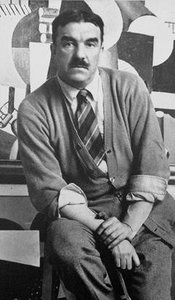
Fernand Léger
1881 - 1955 , France
En bref
- Artistes Influents:
- Cézanne
- Impressionnisme
- Date De Décès: 1955
- Date De Naissance: 4 février 1881
- Influences Artistiques: ['Pop Art']
- Lieu De Naissance: Argentan, France
- Mouvement Artistique: Cubisme, Tubisme
- Nationalité: Française
- Nom Complet: Fernand Léger
- Oeuvres Notables:
- La Grande Parade
- Machine Élément
- Femme assise
- Paysages animés
Articles similaires

Contemporary Abstract Art: A Professional Buyer's Guide to Large-Scale Modern Decor for Hospitality and Corporate Interiors
A professional procurement guide for hotel designers and architects. Discover how to integrate large-scale contemporary abstract art into hospitality projects through high-volume, custom-sized oil reproductions, multi-panel layouts, and reliable global logistics.

Modern Geometry & Machine Age Beauty: A Collector's Guide to the Cubist Vision of Fernand Léger
Explore the profound geometric mastery of Fernand Léger. Discover how his 'Tubism' and Machine Age aesthetics redefined modern art, offering timeless inspiration for discerning collectors seeking to integrate Cubist dynamism into sophisticated contemporary interiors.


