


 Aperçu en situation
 Partager
 Partager
 Détails
 Guide imprimable

 Télécharger
 Articles similaires
 Radiographie
 Voir le diaporama
 Statistiques
The pool


 Afficher la suite
Reproduction à l'huile faite à la main
Huile sur toile peinte à la main, avec cadre et dimensions personnalisés, réalisée sur commande par nos artistes. ( Passer au format impression Passer au format image numérique)




P118B €10

P118H €10

P118W €10

P438Z €10

P508JH €12

P508YH €12

P805H €10

P805Z €10

P919BZ €10

P919G €10

P919XJ €10

P959ZH €10

P968JZ €12

W106C €8

W218G €10

W218JH €8

W218Y €10

W307PJ €10

W316G €10

W316PJ €8

W316Y €10

W398PJ €8

W4111J €10

W500HY €15

W500JH €15

W692G €12

W849H €8

W940BG €15

W953PJ €8




Choisissez parmi nos formats prédéfinis qui respectent les proportions originales de l’œuvre.

Saisissez la largeur et la hauteur souhaitées, pour s'adapter à votre cadre ou à votre mur. Cette œuvre est peinte à la main ; ainsi, pour un format de forme différente, l'artiste peut peindre un peu plus autour du tableau ou réduire légèrement les bords — c'est vous qui choisissez. Nous vous envoyons une maquette numérique pour approbation avant que la peinture ne commence. L'image présentée sur cette page ne reflète pas le résultat réel — seule la maquette le fait.
Après la commande, l’équipe AllPaintingsStore.com contactera le client par e-mail pour recueillir ses instructions et lui fournira une maquette d’aperçu
Livraison dans le monde entier () en 3 à 4 semaines au lieu des 5 semaines habituelles. (23 octobre). Aucun compromis sur la qualité.

Livraison express gratuite dans le monde entier

Toile de lin de haute qualité

Assurance transport complète

Garantie de remboursement des droits de douane

Garantie de fidélité des couleurs

Garantie de retour de 100 jours (uniquement en cas de défaut)

Garantie de remboursement à 100%

Tarifs dégressifs sur quantité
 L'option verre n'est disponible que pour les dimensions inférieures à 110 cm.

The pool
Technique de reproduction
Format de la reproduction
-


Prix total final
€ 227
A Symphony of Summer and Steel
In the vibrant tapestry of early 20th-century modernism, few works capture the rhythmic pulse of life quite like Fernand Léger’s "The Pool." This masterpiece serves as a radiant window into an idyllic summer afternoon, where the boundaries between human leisure and industrial energy begin to blur. At first glance, the viewer is swept into a sun-drenched scene of beachside relaxation; figures are scattered across the sand, some lost in playful ball games, others drifting through the water or engaged in quiet conversation. A solitary boat and a simple chair anchor the composition, grounding the dreamlike atmosphere in the tangible comforts of a seaside retreat. Yet, beneath this surface of carefree enjoyment lies a profound exploration of form that makes the painting much more than a mere landscape.
Léger’s unique aesthetic language—often described as a fusion of geometric abstraction and recognizable realism—is on full display here. He does not merely depict people; he reconstructs them through a lens of modern dynamism. The figures are rendered with a bold, structural clarity that echoes the precision of the machine age, yet they retain enough organic essence to remain deeply relatable. This tension between the soft spontaneity of a holiday and the rigid geometry of circles, squares, and rectangles creates a visual rhythm that is both hypnotic and invigorating. For the collector or interior designer, this balance makes the piece an extraordinary focal point, capable of injecting a sense of structured vitality into any sophisticated space.
Technique and the Texture of Modernity
The physical presence of "The Pool" is defined by Léger’s masterful command of color and texture. He employs a primary-driven palette—striking yellows, deep reds, and brilliant blues—to evoke the heat of the sun and the coolness of the water. This is not a delicate or whispered application of paint; rather, Léger utilizes thick impasto strokes to build a surface that possesses its own sculptural weight. The heavy texture mirrors the very subject he often celebrated: the physicality of industrial production and the raw materiality of the modern world. Each stroke contributes to an overall sense of movement, as if the energy of the beachgoers is vibrating through the canvas itself.
Historically, this work sits at a fascinating crossroads, breathing the same air as Futurism and Constructivism. During an era when European society was being radically transformed by technology and speed, Léger sought to find beauty in the mechanical. In "The Pool," he achieves a remarkable feat: he uses the language of progress—the hard edges and bold outlines—to celebrate the timeless human need for connection and joy. The painting symbolizes an optimistic vision of the future, where the order of geometric stability provides a perfect stage for the beautiful chaos of human existence.
An Emotional Resonance for the Modern Home
To live with a reproduction of "The Pool" is to invite a sense of perpetual motion and optimism into one's environment. The emotional impact of the work is undeniably uplifting; it evokes the spontaneous joy of a summer day and the invigorating spirit of discovery. It is a piece that speaks to the soul of the modern dweller, offering a sophisticated way to celebrate color and form without sacrificing warmth or narrative depth.
Whether placed in a sunlit gallery, a contemporary living room, or a curated professional studio, this artwork serves as an enduring testament to Léger's belief in the beauty of the modern condition. It is an investment in a vision where humanity and progress dance together in perfect, colorful harmony.
Questions et réponses
À quel sentiment "The pool" est-il associé ?
«The pool» est associé à un sentiment Joyful. La tonalité émotionnelle décrit l'impression que dégage l'œuvre.
Est-ce que «The pool» de Fernand Léger est dans le domaine public ?
«The pool» de Fernand Léger est dans le dans le domaine public - ses droits d'auteur ont expiré. Ce statut régit les modalités de reproduction de l'image de l'œuvre.
Quelle est l'intensité des couleurs de «The pool» de Fernand Léger ?
L'intensité des couleurs de « The pool » est Balanced. L'intensité décrit la force avec laquelle les couleurs apparaissent.
Œuvres similaires


Biographie de l'artiste
jeune vie et formation
fernand léger, peintre, sculpteur et cinéaste français, est né le 4 février 1881 à Argentan, Orne, en Normandie inférieure. Son père élevait du bétail, et léger a initialement été formé à l'architecture de 1897 à 1899. Il s’est ensuite installé à Paris en 1900, se débrouillant comme dessinateur architectural.développement artistique
Le travail précoce de léger a été influencé par l'impressionnisme, comme le montrent le jardin de ma mère (mon jardin) (1905). Après avoir fréquenté l'école des beaux-arts et l’académie Julian, il a commencé à travailler sérieusement comme peintre à 25 ans. Son style s'est développé en une forme personnelle de cubisme, que les critiques ont qualifié de "tubisme" pour son accent sur les formes cylindriques.cubisme et le groupe des Puteaux
En 1910, léger a exposé au Salon d’automne aux côtés de jean metzinger et henri le fauconnier. Il a rejoint le groupe des Puteaux, également connu sous le nom de section d’or (la section dorée), avec d'autres artistes tels que francis picabia et marcel duchamp.guerre et son influence sur le travail de léger
Les expériences de léger à la Première Guerre mondiale ont eu un impact significatif sur son œuvre. Pendant son séjour au front, il a produit des croquis d'artillerie, d'avions et de soldats. Sa peinture soldier avec un tuyau (1916) reflète cette période.œuvre ultérieure et héritage
L'œuvre post-guerre de léger, caractérisée par des formes machine-like élégantes, le lia à la tradition de la peinture figurative française. Ses paysages animés de 1921 ont présenté des figures et des animaux dans des formes harmonieuses et rationalisées.- voir les œuvres de fernand léger sur AllPaintingsStore
- en savoir plus sur fernand léger sur wikipedia
- découvrez le musée national fernand léger (france) avec AllPaintingsStore
- la femme assise (100 x 81 cm, tubisme)
- élément de machine (cubisme)
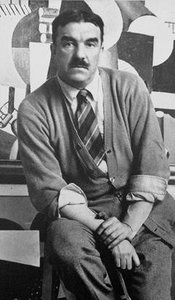
Fernand Léger
1881 - 1955 , France
En bref
- Artistes Influents:
- Cézanne
- Impressionnisme
- Date De Décès: 1955
- Date De Naissance: 4 février 1881
- Influences Artistiques: ['Pop Art']
- Lieu De Naissance: Argentan, France
- Mouvement Artistique: Cubisme, Tubisme
- Nationalité: Française
- Nom Complet: Fernand Léger
- Oeuvres Notables:
- La Grande Parade
- Machine Élément
- Femme assise
- Paysages animés
Articles connexes

Neo-Abstract Art Trend Forecast: High-Impact Geometric Compositions for Contemporary Commercial Interiors
Elevate commercial interiors with Neo-Abstract art. Discover how high-impact geometric compositions and custom oil reproductions provide scalable, sophisticated design solutions for hotels, restaurants, and corporate spaces. Expert procurement for large-scale hospitality projects.


