


 Aperçu en situation
 Envoyer
 Partager
 Détails de l'œuvre

 Télécharger
 Articles similaires
 Radiographie
 Diaporama
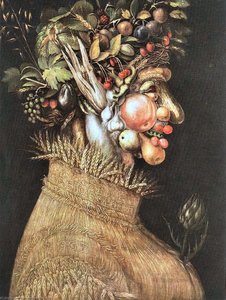
Composite Head
 1610
1610 65.0 x 48.0 cm
 Musée National de Capodimonte
 Lire la suite
Reproduction à l'huile faite à la main
Huile sur toile peinte à la main, avec cadre et dimensions personnalisés, réalisée sur commande par nos artistes. ( Commander l'impression Télécharger l'image haute résolution)




































Choisissez parmi nos formats prédéfinis qui respectent les proportions originales de l’œuvre.

Vous pouvez saisir vos propres dimensions pour l'adapter à un cadre ou à un espace spécifique. Si la taille sélectionnée ne correspond pas aux proportions de l'image d'origine, nous recadrerons l'œuvre ou prolongerons la peinture avec des éléments peints à la main supplémentaires. Une maquette numérique vous sera envoyée pour approbation avant le début de la production.
Veuillez noter que l'aperçu à l'écran ne reflète pas le recadrage ou l'extension réels. Seule la maquette montrera fidèlement la composition finale.
Bien que des tailles personnalisées soient disponibles, nous vous recommandons de sélectionner une dimension dans la liste prédéfinie afin de préserver les proportions d'origine.
Après la commande, l’équipe AllPaintingsStore.com contactera le client par e-mail pour recueillir ses instructions et lui fournira une maquette d’aperçu
Livraison dans le monde entier () en 3 à 4 semaines au lieu des 5 semaines habituelles. (15 août). Aucun compromis sur la qualité.

Livraison express gratuite dans le monde entier

Toile de lin de qualité supérieure

Assurance transport complète

Garantie de remboursement des droits de douane

Garantie de fidélité des couleurs

Politique de retour de 60 jours (uniquement en cas de défaut)

Garantie de remboursement à 100%

Offre de tarifs dégressifs
 L'option verre n'est disponible que pour les dimensions inférieures à 110 cm.

Composite Head
Technique de reproduction
Format de la reproduction
-


Prix total
$ 258
Description de l'œuvre
Composition and Symbolism
The central figure of the Composite Head is formed by a variety of produce, including apples, oranges, and berries. The arrangement of these items creates a sense of depth and dimensionality, drawing the viewer's eye into the painting. The use of bright colors and intricate details adds to the overall sense of realism, making the Composite Head a captivating piece. You can discover more about this artwork on AllPaintingsStore.com.Artist and Style
Francesco Zucchi was a skilled artist known for his still-life paintings, which often featured intricate arrangements of fruits, vegetables, and other objects. The Composite Head is a prime example of his work, showcasing his attention to detail and ability to create complex compositions. To learn more about the artist and his style, visit the Francesco Zucchi page on AllPaintingsStore.com.- The painting is a testament to Zucchi's skill as an artist and his ability to create unique and captivating works of art.
- The use of oil on canvas allows for a level of detail and realism that is characteristic of Zucchi's style.
- The Composite Head is a must-see for anyone interested in still-life paintings or the work of Francesco Zucchi.
For more information about the Museo Nazionale di Capodimonte and its collection, you can visit the museum's page on Wikipedia.
Œuvres similaires


Biographie de l'artiste
Francesco Zucchi: Venetian Painter of Myth and Light
Francesco Zucchi (1692 – 1764) stands as a pivotal figure in the Venetian Baroque, embodying the grandeur and intellectual fervor of his era. Born into a family steeped in artistic tradition—his father was also an engraver—Zucchi’s formative years were spent absorbing the stylistic precepts of Alessandro Galli Bibiena and Giovanni Battista Piranesi, shaping him into a master craftsman deeply attuned to both classical ideals and theatrical spectacle. His output spanned frescoes, etchings, and decorative commissions, cementing his reputation as one of Venice's foremost artists.Early Life and Artistic Training
Zucchi’s formal training commenced at the Accademia Veneziana in Venice, where he honed his skills under the tutelage of Giuseppe Cibernetti and Giovanni Battista Piranesi. This exposure to Piranesi’s meticulous architectural drawings instilled a fascination with perspective and spatial illusion—elements that would become hallmarks of Zucchi's artistic style. Notably, he collaborated closely with Antonio Canaletto, establishing a fruitful partnership that produced celebrated depictions of Venetian life and landscapes. Their combined vision elevated Venetian art to new heights of realism and elegance.The Frescoes of Palazzo Labia
Zucchi’s most ambitious undertaking was the decoration of Palazzo Labia in Venice, commissioned by Cardinal Giovanni Battista Castelli. Between 1736 and 1740, he executed a monumental cycle of frescoes depicting mythological scenes—primarily inspired by Virgil's Aeneid—that showcased his mastery of color, composition, and dramatic storytelling. The frescoes are renowned for their luminous palette and masterful use of chiaroscuro, capturing the ethereal beauty of classical narratives with unparalleled sensitivity. This project solidified Zucchi’s position as a leading exponent of Venetian Baroque painting.Engraving and Decorative Commissions
Beyond fresco painting, Zucchi excelled as an engraver, producing exquisitely detailed prints that complemented his paintings and disseminated his artistic ideas throughout Europe. He undertook numerous commissions for aristocratic patrons, adorning villas and palaces with decorative panels featuring mythological subjects and architectural fantasies. His etchings—particularly those produced during his travels to London—demonstrated a remarkable ability to capture atmospheric effects and convey the grandeur of urban landscapes. Collaborations with Robert Adam further expanded Zucchi’s influence in the burgeoning Neoclassical movement, establishing him as an artist who bridged the gap between Baroque theatricality and Enlightenment rationalism.Legacy and Influence
Francesco Zucchi's artistic legacy extends far beyond his individual works. He championed a humanist aesthetic rooted in classical scholarship—a conviction that profoundly impacted Venetian art and culture. His meticulous attention to detail, combined with his profound understanding of perspective and illusion, established him as an exemplar for subsequent generations of painters. Though overshadowed by contemporaries like Canaletto and Tiepolo, Zucchi’s frescoes continue to captivate audiences today, serving as enduring monuments to Venetian Baroque artistry and demonstrating the transformative power of artistic vision. His influence can be seen in the works of artists who followed him, ensuring that his contribution to Italian art history remains vividly alive.
francesco zucchi
1692 - 1764 , Italy
L'essentiel de l'artiste
- Artistic Movement Or Style: Neoclassical
- Artists Or Movements Influenced By This Artist: ['Robert Adam']
- Artists Who Influenced This Artist:
- Francesco Fontebasso
- Jacopo Amigoni
- Date Of Birth: Venice, Italy (1692)
- Full Name: Francesco Zucchi
- Nationality: Italian
- Notable Artworks:
- Composite Head
- San Francesco
- Place Of Birth: Venice



