Aperçu en situation
 Partager
 Partager
 Détails
 Guide
Guide

 Télécharger
 Articles similaires
 Radiographie
 Voir le diaporama
 Statistiques
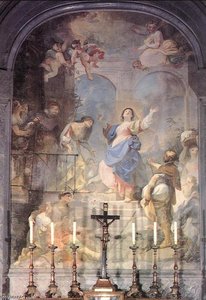
Allegory on the Fate of Art
 Oil On Canvas
- WallArt
- Rococo Art
 1770
1770- 19th Century
 105.0 x 72.0 cm
 Académie des Beaux-Arts de Vienne
 Afficher la suite
Reproduction à l'huile faite à la main
Huile sur toile peinte à la main, avec cadre et dimensions personnalisés, réalisée sur commande par nos artistes. ( Passer au format impression Passer au format image numérique)




P118B $10

P118H $10

P118W $10

P438Z $10

P508JH $12

P508YH $12

P805H $10

P805Z $10

P919BZ $10

P919G $10

P919XJ $10

P959ZH $10

P968JZ $12

W106C $8

W218G $10

W218JH $8

W218Y $10

W307PJ $10

W316G $10

W316PJ $8

W316Y $10

W398PJ $8

W4111J $10

W500HY $15

W500JH $15

W692G $12

W849H $8

W940BG $15

W953PJ $8




Choisissez parmi nos formats prédéfinis qui respectent les proportions originales de l’œuvre.

Vous pouvez saisir vos propres dimensions pour l'adapter à un cadre ou à un espace spécifique. Si la taille sélectionnée ne correspond pas aux proportions de l'image d'origine, nous recadrerons l'œuvre ou prolongerons la peinture avec des éléments peints à la main supplémentaires. Une maquette numérique vous sera envoyée pour approbation avant le début de la production.
Veuillez noter que l'aperçu à l'écran ne reflète pas le recadrage ou l'extension réels. Seule la maquette montrera fidèlement la composition finale.
Bien que des tailles personnalisées soient disponibles, nous vous recommandons de sélectionner une dimension dans la liste prédéfinie afin de préserver les proportions d'origine.
Après la commande, l’équipe AllPaintingsStore.com contactera le client par e-mail pour recueillir ses instructions et lui fournira une maquette d’aperçu
Livraison dans le monde entier () en 3 à 4 semaines au lieu des 5 semaines habituelles. (21 septembre). Aucun compromis sur la qualité.

Livraison express gratuite dans le monde entier

Toile de lin de haute qualité

Assurance transport complète

Garantie de remboursement des droits de douane

Garantie de fidélité des couleurs

Garantie de retour de 100 jours (uniquement en cas de défaut)

Garantie de remboursement à 100%

Tarifs dégressifs sur quantité
 L'option verre n'est disponible que pour les dimensions inférieures à 110 cm.

Allegory on the Fate of Art
Technique de reproduction
Format de la reproduction
-


Prix total final
$ 258
The Agony of Creation: Unveiling Franz Anton Maulbertsch’s *Allegory on the Fate of Art*
Franz Anton Maulbertsch's 1770 painting, *Allegory on the Fate of Art*, is not merely a depiction of a scene; it’s an intensely felt meditation on the precariousness of artistic endeavor. Executed in oil on canvas and measuring 105 x 72 cm, this work immediately arrests the viewer with its dramatic chiaroscuro – a masterful manipulation of light and shadow that plunges the composition into a palpable sense of unease and profound contemplation. The painting’s dark palette, dominated by deep browns and blacks, serves to heighten the emotional impact, contrasting sharply with the luminous skin of the central figure, a nude woman caught in what appears to be an agonizing state. This immediate visual tension – light against darkness, beauty against suffering – is characteristic of Maulbertsch's style and speaks directly to the painting’s core theme: the vulnerability of artistic expression.
- Rococo Drama: Rooted firmly in the Rococo period, *Allegory on the Fate of Art* transcends the typical frivolousness often associated with the style. While retaining the elegance and decorative flourishes of the era, Maulbertsch imbues his work with a deeply serious and almost operatic quality.
- Technical Brilliance: The artist’s command of technique is evident in every brushstroke. The meticulous rendering of textures – from the flowing drapery to the delicate musculature of the figures – demonstrates a profound understanding of anatomy and material properties.
- A Symphony of Contrasts: Maulbertsch expertly employs chiaroscuro not just for dramatic effect, but also to guide the viewer’s eye through the complex composition, drawing attention to the central figure while simultaneously creating a sense of depth and movement within the scene.
Decoding the Symbolism: Figures in Flux
The painting's power lies not just in its technical execution but also in its rich symbolism. The nude woman at the heart of the composition is often interpreted as representing Art itself – beautiful, vulnerable, and susceptible to forces beyond her control. Surrounding her are a cast of figures engaged in a dynamic interplay: angels or cherubs reaching out with both offering hands and grasping claws; mythological beings seemingly attempting to either uplift or drag her down. This chaotic arrangement suggests the multifaceted nature of artistic influence – the patronage of powerful individuals, the critical judgment of audiences, and the ever-present threat of oblivion.
- The Angels & Demons: The presence of both benevolent and malevolent figures underscores the dual nature of inspiration and criticism. Are they guiding forces or destructive influences?
- Mythological Echoes: The inclusion of mythological elements – a clear nod to classical allegories – adds layers of meaning, suggesting that art has always been intertwined with timeless themes of creation, destruction, and redemption.
- A Dialogue with the Viewer: Maulbertsch deliberately leaves the interpretation open-ended, inviting viewers to contemplate their own relationship with art and its role in society.
Historical Context & Artistic Legacy
Created in 1770, *Allegory on the Fate of Art* reflects a period of significant artistic transition. Maulbertsch was working at the cusp of the late Baroque and Rococo styles, inheriting the dramatic intensity of the former while embracing the elegance and decorative sensibilities of the latter. His work is considered a key example of Viennese Rococo painting, showcasing his unique ability to blend emotional depth with refined aesthetic qualities. Maulbertsch’s influence extended beyond Vienna; his works were exhibited throughout Central Europe, contributing to the spread of the Rococo style.
Franz Anton Maulbertsch (1724-1796): A master of allegory and chiaroscuro, Maulbertsch's career spanned several decades, during which he produced a remarkable body of work characterized by its dramatic intensity, technical virtuosity, and profound philosophical underpinnings. His legacy continues to inspire artists and art lovers alike, solidifying his place as one of the most important figures in the history of Rococo painting.A Hand-Painted Reproduction: Capturing the Essence
AllPaintingsStore.com is proud to offer a meticulously crafted hand-painted reproduction of *Allegory on the Fate of Art*. Our team of skilled artists, drawing upon Maulbertsch’s original techniques and artistic vision, painstakingly recreate every detail of this iconic masterpiece. Each reproduction is created using archival quality materials, ensuring that it will retain its beauty and vibrancy for generations to come. This isn't simply a print; it's an authentic work of art, imbued with the same emotional power and technical brilliance as the original.
Œuvres similaires


Biographie de l'artiste
Franz Anton Maulbert : Vie et Héritage
Jeunesse et Formation
Franz Anton Maulbert est né à Langenargen, en Allemagne, en 1724. Il a manifesté un talent artistique dès son plus jeune âge, ce qui l'a conduit à poursuivre une formation formelle à l'Académie de Vienne. Cette éducation fondamentale s'est avérée cruciale pour façonner son style et sa carrière futurs.
Influences et Développement Artistique
Le développement artistique de Maulbert a été significativement influencé par plusieurs figures clés. Il a étudié sous la direction de Paul Troger, un peintre baroque autrichien de premier plan, et a absorbé le style dramatique caractéristique de cette époque. Il a également puisé l'inspiration auprès des maîtres vénitiens tels que Giovanni Battista Pittoni et Piazzetta, dont l'utilisation de la lumière et de la couleur ont profondément influencé son travail. Il a également examiné attentivement les fresques de Sebastiano Ricci au Palais de Schönbrunn à Vienne. Un moment décisif a été sa rencontre avec Giambattista Tiepolo lorsqu’il était actif à Würzburg vers 1750 ; cette rencontre a élargi les horizons artistiques de Maulbert.
Style Artistique et Œuvres Majeures
Maulbert est devenu l'un des représentants les plus renommés du style rococo en peinture dans la région germanophone. Son style se caractérise par des couleurs vives, des compositions dynamiques et un sentiment de théâtralité. Il excellait comme peintre de fresques, recevant de nombreuses commandes pour des œuvres religieuses et séculaires.
- Commandes Églantières : Maulbert a décoré des églises à Bicske, Kalocsa, la Michaelerkirche et la Piaristenkirche Maria Treu de Vienne, Porta Coeli en Moravie, le palais du prince-archevêque de Kroměříž et la Villa de Halbturn.
- Peintures Notables : Il a également créé des peintures telles que “Jupiter et Antiope”, “Saint Philippe Baptise un Eunuch”, “Un barbier-chirurgien au travail” et “Serenade pastorale”.
Réalisations et Reconnaissance
Le talent de Maulbert en tant que peintre de fresques a conduit à une large reconnaissance et à de nombreuses commandes prestigieuses. Sa capacité à créer des œuvres visuellement époustouflantes et émotionnellement engageantes a consolidé sa réputation de peintre de premier plan de son temps. Il a réussi à fusionner le drame baroque avec l’élégance et la légèreté du rococo, créant une voix artistique unique.
Signification Historique
Franz Anton Maulbert a joué un rôle essentiel dans le fait de combler le fossé entre le baroque tardif et les débuts de la période classique. Son œuvre reflète les changements de goûts du 18e siècle tout en maintenant une forte connexion aux techniques traditionnelles. Il a contribué à établir un style rococo autrichien distinct, influençant les générations suivantes d'artistes. Ses fresques restent des exemples importants d'art religieux et de peinture décorative de cette époque.
Vie Tardive et Décès
Maulbert a continué à travailler avec assiduité tout au long de sa carrière, maintenant un niveau artistique élevé jusqu’à son décès à Vienne en 1796. Son héritage est célébré aujourd'hui par la préservation et l'étude de ses remarquables œuvres d'art.

Franz Anton Maulbertsch
1724 - 1796 , Allemagne
En bref
- Artistic Movement Or Style: Rococo
- Artists Who Influenced This Artist:
- Paul Troger
- Giovanni Battista Pittoni
- Giambattista Tiepolo
- Date Of Birth: 1724
- Date Of Death: 1796
- Full Name: Franz Anton Maulbertsch
- Nationality: Allemand/Autriche
- Notable Artworks:
- Jupiter et Antiope
- Saint Philippe Baptise un Eunuch
- Un barbier-chirurgien au travail
- Place Of Birth: Langenargen, Allemagne
Articles similaires

Giclée Prints Explained: The Ultimate Guide to Museum-Quality Art Reproductions
Master the nuances of Giclée printing with our expert guide. Discover how pigment-based inks and museum-grade substrates create fade-resistant, high-fidelity art reproductions designed for discerning collectors seeking unparalleled quality and longevity.

Les 10 Chefs-d'Œuvre du Rococo : Artistes, Histoire & Décor Intérieur
Plongez dans l'univers raffiné du Rococo avec les 10 chefs-d'œuvre de Fragonard, Boucher & Watteau. Découvrez l'histoire, les techniques et la magie de ce mouvement artistique. Reproductions tableaux de qualité muséale sur .

Harmonie des Couleurs et des Histoires : Guide Complet pour Accorder les Reproductions d'Art aux Styles de Décoration Intérieure
Guide expert pour accorder vos reproductions d'art à votre intérieur ! Découvrez comment choisir les styles, couleurs et cadres parfaits pour une décoration harmonieuse et personnalisée. Qualité muséale garantie.

Paul Klee : Les 25 Œuvres Maîtresses d'un Génie de la Couleur | AllPaintingsStore
Plongez dans l'univers coloré de Paul Klee ! Découvrez les 25 œuvres maîtresses du peintre suisse, figures clés de l'art abstrait et du Bauhaus. Inspirez votre décoration intérieure avec AllPaintingsStore.com – reproductions de qualité muséale & collection exclusive.

Giclée Prints: Archival Quality & Aesthetic Nuances for the Discerning Collector
Explore the world of giclée prints with AllPaintingsStore. Learn about archival quality, aesthetic nuances & investment potential. Expert guidance for discerning art collectors seeking museum-quality reproductions and lasting value.