


 Aperçu en situation
 Partager
 Partager
 Détails
 Guide
Guide

 Télécharger
 Articles similaires
 Radiographie
 Voir le diaporama
 Statistiques
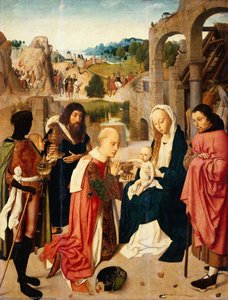
The Holy Kinship (detail) (11)


 Afficher la suite
Reproduction à l'huile faite à la main
Huile sur toile peinte à la main, avec cadre et dimensions personnalisés, réalisée sur commande par nos artistes. ( Passer au format impression Passer au format image numérique)




P118B $10

P118H $10

P118W $10

P438Z $10

P508JH $12

P508YH $12

P805H $10

P805Z $10

P919BZ $10

P919G $10

P919XJ $10

P959ZH $10

P968JZ $12

W106C $8

W218G $10

W218JH $8

W218Y $10

W307PJ $10

W316G $10

W316PJ $8

W316Y $10

W398PJ $8

W4111J $10

W500HY $15

W500JH $15

W692G $12

W849H $8

W940BG $15

W953PJ $8




Choisissez parmi nos formats prédéfinis qui respectent les proportions originales de l’œuvre.

Vous pouvez saisir vos propres dimensions pour l'adapter à un cadre ou à un espace spécifique. Si la taille sélectionnée ne correspond pas aux proportions de l'image d'origine, nous recadrerons l'œuvre ou prolongerons la peinture avec des éléments peints à la main supplémentaires. Une maquette numérique vous sera envoyée pour approbation avant le début de la production.
Veuillez noter que l'aperçu à l'écran ne reflète pas le recadrage ou l'extension réels. Seule la maquette montrera fidèlement la composition finale.
Bien que des tailles personnalisées soient disponibles, nous vous recommandons de sélectionner une dimension dans la liste prédéfinie afin de préserver les proportions d'origine.
Après la commande, l’équipe AllPaintingsStore.com contactera le client par e-mail pour recueillir ses instructions et lui fournira une maquette d’aperçu
Livraison dans le monde entier () en 3 à 4 semaines au lieu des 5 semaines habituelles. (21 septembre). Aucun compromis sur la qualité.

Livraison express gratuite dans le monde entier

Toile de lin de haute qualité

Assurance transport complète

Garantie de remboursement des droits de douane

Garantie de fidélité des couleurs

Garantie de retour de 100 jours (uniquement en cas de défaut)

Garantie de remboursement à 100%

Tarifs dégressifs sur quantité
 L'option verre n'est disponible que pour les dimensions inférieures à 110 cm.

The Holy Kinship (detail) (11)
Technique de reproduction
Format de la reproduction
-


Prix total final
$ 258
The Holy Kinship (Detail): A Window into Northern Renaissance Spirituality
Geertgen tot Sint Jans’ “The Holy Kinship (detail)” – a captivating fragment from the larger 1485 masterpiece housed in the Rijksmuseum, Amsterdam – offers a profound glimpse into the heart of early Netherlandish painting and the devotional practices of its time. This particular detail, focusing on Mary, mother of Jesus, is not merely a portrait; it’s an intimate tableau brimming with symbolic weight and quiet reverence. The scene unfolds within a meticulously rendered domestic interior, suggesting a moment of respite and familial connection amidst the complexities of Christian faith. Notice immediately the earthy palette – predominantly browns, greens, and ochres – characteristic of Northern Renaissance artists who prioritized atmospheric depth and realistic texture over vibrant color schemes. This restrained use of hue contributes to an overall sense of solemnity and timelessness.
The central figure of Mary is presented as a nun, instantly conveying her spiritual authority and dedication. Her posture is graceful yet grounded, holding a book – likely representing the Holy Scriptures or a devotional text – with a serene expression. The white head covering further emphasizes her role as a devoted servant of God. Observe the intricate detail in her robe, the subtle folds and textures meticulously rendered to create a convincing illusion of fabric. To the left, a child is held by another figure, likely one of Jesus’ siblings, their face turned towards Mary – a gesture of adoration and seeking comfort within her presence. This intimate interaction speaks volumes about the importance of family and lineage within the Christian narrative.
A Domestic Sanctuary: Setting and Composition
The architectural setting is crucial to understanding the painting's emotional impact. The interior, with its columns and arches, evokes a sense of a private chapel or domestic space imbued with religious significance. This wasn’t simply a secular room; it was deliberately designed to foster contemplation and connection with the divine. The inclusion of everyday objects – notably the basket filled with fruit and vegetables in the foreground – subtly anchors the scene in the realities of daily life, reminding us that faith permeated every aspect of existence. It's a masterful juxtaposition of the sacred and the mundane, elevating the ordinary to a realm of spiritual contemplation.
Joseph, identifiable by his carpentry tools, stands to the left, further reinforcing the theme of earthly vocation intertwined with divine purpose. The composition itself is carefully balanced, drawing the viewer’s eye towards Mary at its center while subtly incorporating the other figures and elements within the scene. The use of light and shadow – a hallmark of Northern Renaissance painting – creates a sense of depth and volume, highlighting key features and contributing to the overall atmosphere of solemnity.
Symbolism and Artistic Technique
“The Holy Kinship” is deeply rooted in symbolism, reflecting the prevalent theological concerns of the late 15th century. The depiction of Mary as a nun underscores her role as the Virgin Mother, a central figure in Christian iconography. The book she holds represents not just scripture but also her role as a conduit between God and humanity. The child’s gaze towards Mary symbolizes faith, trust, and the promise of salvation. Geertgen tot Sint Jans' mastery lies in his ability to imbue these symbols with profound meaning through meticulous observation and skillful execution.
The artist’s technique is equally noteworthy. He employed oil paints on panel, a medium that allowed for incredible detail and subtle gradations of tone. The rendering of textures – from the folds of Mary's robe to the rough surface of the basket – is remarkably realistic, creating a convincing illusion of three-dimensionality. This attention to detail, combined with his masterful use of light and shadow, elevates the painting beyond mere representation, transforming it into a powerful expression of faith and devotion. Consider the subtle variations in color within Mary’s robe; these nuances contribute significantly to the overall sense of depth and realism.
A Legacy of Mystery and Artistic Brilliance
Geertgen tot Sint Jans remains an enigmatic figure, his life shrouded in mystery. Yet, through works like “The Holy Kinship,” we can appreciate the extraordinary quality of his art. His paintings are not simply beautiful images; they are windows into a specific cultural and spiritual context – a world where faith, family, and craftsmanship converged to create enduring expressions of artistic brilliance. A reproduction of this detail offers an opportunity to bring this profound work of Northern Renaissance art into your home, allowing you to contemplate its timeless themes and appreciate the skill of one of history’s most intriguing artists.
Œuvres similaires




Biographie de l'artiste
Geertgen tot Sint Jans
Geertgen tot Sint Jans, en français Gérard de Saint-Jean, tire son nom de la confrérie de Saint-Jean, où il passa ses dernières années. Probablement né en 1465 à Leyde dans les Pays-Bas bourguignons et mort en 1495 à Haarlem, c'est un peintre néerlandais de l’école des primitifs flamands. Il est considéré comme une figure essentielle du mouvement artistique nordique du XVe siècle, dont le travail témoigne d’une remarquable sensibilité esthétique et d’une maîtrise technique exceptionnelle. Bien que les circonstances entourant sa vie restent enveloppées dans le mystère, son héritage artistique demeure considérable et continue de fasciner les chercheurs et les amateurs d'art contemporains.Biographie
Les informations concernant la jeunesse et l’éducation de Geertgen sont rares et fragmentaires. Les principales sources d’information sur sa vie sont les écrits du célèbre artiste Karel van Mander, qui écrit plus d’un siècle après sa mort. Selon Van Mander, Geertgen était probablement un élève de Albert van Ouwater, considéré comme l'un des premiers peintres à utiliser la peinture à huile dans les provinces septentrionales des Pays-Bas. Cette relation pédagogique est une pierre angulaire de notre connaissance sur son parcours artistique et intellectuel. Bien que Van Mander ne fournisse pas de détails précis sur ses études précises ou ses professeurs, il souligne l’importance d'une formation artistique solide pour assurer le succès du jeune talent à Haarlem.Technique et Œuvre
Geertgen tot Sint Jans se distinguait par une approche innovante de la peinture à huile, caractérisée par une attention particulière aux détails et une maîtrise remarquable des effets lumineux. Comme tous les peintres de son temps, il travaillait sur des panneaux en bois préparés avec soin pour assurer une stabilité maximale et une excellente adhérence des pigments. Ses œuvres sont reconnaissables à leur utilisation subtile du clair-obscur, une technique qui permettait de créer une profondeur impressionnante et d’obtenir une véritable illusion de réalité. Cette maîtrise du clair-obscur est particulièrement remarquable dans *La Lamentation du Christ*, où elle souligne la douleur émotionnelle exprimée par les personnages et contribue à renforcer l'atmosphère dramatique de la scène.Les Œuvres Marquantes
Bien que le nombre d’œuvres attribuées à Geertgen soit limité, celles qui sont conservées témoignent d’une qualité artistique exceptionnelle et offrent des aperçus précieux sur les préoccupations esthétiques et spirituelles de son époque. Parmi les œuvres les plus célèbres figurent *La Légende Saint Jean Baptiste*, une peinture complexe et pleine de symbolisme représentant le personnage biblique dans un paysage désertique, et *La Lamentation du Christ*, une œuvre emblématique qui incarne la douleur humaine et émotionnelle avec une sensibilité inégalée. Ces tableaux sont considérés comme des exemples importants de l’école flamande et témoignent d'une capacité unique à traduire les idées religieuses et morales de son temps dans une forme artistique raffinée.Influence et Héritage
Geertgen tot Sint Jans exerça une influence considérable sur les artistes suivants, notamment ceux associés à la maison de Haarlem et à l’école flamande. Son approche innovante du paysage et sa maîtrise du clair-obscur furent repris par des peintres tels que Rembrandt et Frans Hals, qui lui doivent une grande partie de leur esthétique picturale. Il est considéré comme un précurseur essentiel du mouvement baroque néerlandais et son travail demeure une référence pour les chercheurs et les artistes contemporains intéressés par l’étude de la peinture nordique du XVe siècle. Son héritage artistique persiste dans les œuvres des générations suivantes, témoignant de la puissance de l'art à transcendre les limites du temps et à inspirer les créateurs de toutes époques.
Geertgen tot Sint Jans
1460 - 1490 , Pays-Bas
En bref
- Artistic Movement Or Style: Early Netherlandish painting
- Artists Or Movements Influenced By This Artist:
- Rembrandt
- Frans Hals
- Artists Who Influenced This Artist: Albert van Ouwater
- Date Of Birth: c. 1465
- Full Name: Geertgen tot Sint Jans
- Nationality: Dutch
- Notable Artworks:
- The Legend of Saint John the Baptist
- The Lamentation of Christ
- John the Baptist in Wilderness
- Man of Sorrows
- Place Of Birth: Leiden, Netherlands
Articles similaires
Northern Mannerism: The Dramatic Evolution of European Art through Elegant Distortion and Tension
Explore the dramatic evolution of Northern Mannerism. Discover how 16th-century artists moved from Renaissance harmony to elegant distortion, tension, and complex symbolism in European art history.

