


 Aperçu en situation
 Partager
 Partager
 Détails
 Guide
Guide

 Télécharger
 Articles similaires
 Radiographie
 Voir le diaporama
 Statistiques
Three tax collectors

 Afficher la suite
Reproduction à l'huile faite à la main
Huile sur toile peinte à la main, avec cadre et dimensions personnalisés, réalisée sur commande par nos artistes. ( Passer au format impression Passer au format image numérique)




P118B $10

P118H $10

P118W $10

P438Z $10

P508JH $12

P508YH $12

P805H $10

P805Z $10

P919BZ $10

P919G $10

P919XJ $10

P959ZH $10

P968JZ $12

W106C $8

W218G $10

W218JH $8

W218Y $10

W307PJ $10

W316G $10

W316PJ $8

W316Y $10

W398PJ $8

W4111J $10

W500HY $15

W500JH $15

W692G $12

W849H $8

W940BG $15

W953PJ $8




Choisissez parmi nos formats prédéfinis qui respectent les proportions originales de l’œuvre.

Vous pouvez saisir vos propres dimensions pour l'adapter à un cadre ou à un espace spécifique. Si la taille sélectionnée ne correspond pas aux proportions de l'image d'origine, nous recadrerons l'œuvre ou prolongerons la peinture avec des éléments peints à la main supplémentaires. Une maquette numérique vous sera envoyée pour approbation avant le début de la production.
Veuillez noter que l'aperçu à l'écran ne reflète pas le recadrage ou l'extension réels. Seule la maquette montrera fidèlement la composition finale.
Bien que des tailles personnalisées soient disponibles, nous vous recommandons de sélectionner une dimension dans la liste prédéfinie afin de préserver les proportions d'origine.
Après la commande, l’équipe AllPaintingsStore.com contactera le client par e-mail pour recueillir ses instructions et lui fournira une maquette d’aperçu
Livraison dans le monde entier () en 3 à 4 semaines au lieu des 5 semaines habituelles. (21 septembre). Aucun compromis sur la qualité.

Livraison express gratuite dans le monde entier

Toile de lin de haute qualité

Assurance transport complète

Garantie de remboursement des droits de douane

Garantie de fidélité des couleurs

Garantie de retour de 100 jours (uniquement en cas de défaut)

Garantie de remboursement à 100%

Tarifs dégressifs sur quantité
 L'option verre n'est disponible que pour les dimensions inférieures à 110 cm.

Three tax collectors
Technique de reproduction
Format de la reproduction
-


Prix total final
$ 258
A Portrait of Venetian Ambition: Jacopo Tintoretto’s “Three Tax Collectors”
Jacopo Tintoretto's "Three Tax Collectors," painted circa 1580, is more than just a depiction of three men seated around a table; it’s a potent distillation of Venetian society and the burgeoning drama that defined his artistic vision. This captivating work, brimming with carefully orchestrated light and shadow, offers a glimpse into the world of commerce and power within the vibrant heart of Renaissance Venice. The painting's subject matter – tax collectors – immediately positions it within a context of economic influence and potential corruption, themes frequently explored by Tintoretto throughout his career.
- Subject Matter: The central figures are three men engaged in what appears to be a serious discussion. Their attire—suits and ties—indicates their professional status, highlighting the importance of trade and finance within Venetian life.
- Composition & Technique: Tintoretto masterfully employs his signature technique of *disegno*, meticulously planning every element before applying paint. The figures are rendered with dynamic poses and a sense of movement, creating an illusion of depth and immediacy. Note the dramatic use of light, originating from an unseen source, which dramatically illuminates the faces of the men, emphasizing their expressions and drawing the viewer's eye into the scene.
- Color Palette: The color scheme is dominated by rich browns, reds, and golds – colors associated with wealth and authority in Venetian society. These hues are skillfully layered to create a sense of volume and texture, further enhancing the painting’s dramatic effect.
The Drama of Tintoretto's Venice
Tintoretto was a pivotal figure in the transition from the High Renaissance to the Baroque period. His work is characterized by its theatricality, emotional intensity, and innovative use of perspective and light. Unlike many artists who sought to emulate classical ideals, Tintoretto embraced a distinctly Venetian style, infused with religious fervor and a fascination with human drama. This painting exemplifies these qualities perfectly; it’s not merely a portrait but a carefully constructed narrative brimming with unspoken tensions and potential conflict.
The inclusion of seemingly mundane details – the boat in the background, the clock on the wall, the book – adds layers of meaning to the scene. These elements are not simply decorative; they contribute to the overall atmosphere of formality and intrigue, suggesting a meeting where important decisions were being made, perhaps even illicit ones.
Symbolism and Interpretation
While the precise symbolism within "Three Tax Collectors" remains open to interpretation, it’s likely that Tintoretto was exploring themes of power, corruption, and morality. The tax collectors, as figures responsible for collecting revenue from the populace, were often viewed with suspicion – a potential source of abuse and exploitation. The painting's dramatic lighting and dynamic composition further amplify this sense of unease, suggesting a hidden agenda or a clandestine meeting.
- The Boat: Could represent opportunity, escape, or the flow of wealth.
- The Clock: A reminder of time’s passage and the fleeting nature of power.
A Timeless Masterpiece – Recreated for Today
AllPaintingsStore offers a meticulously crafted hand-painted reproduction of Jacopo Tintoretto's “Three Tax Collectors,” capturing the essence of this iconic work with unparalleled fidelity. Each reproduction is created by skilled artisans, employing traditional techniques to faithfully recreate Tintoretto’s masterful brushwork and dramatic use of light. This artwork is perfect for collectors seeking a genuine piece of art history or for interior designers looking to infuse their spaces with the power and drama of the Venetian Renaissance. Experience the brilliance of Tintoretto firsthand – a timeless masterpiece brought to life.
Œuvres similaires


Biographie de l'artiste
Jacopo Tintoretto (1518-1594)
Jeunesse et Formation
- Né Jacopo Robusti à Venise vers fin septembre ou début octobre 1518.
- Son père, Battista Robusti, était teinturier – d'où le surnom “Tintoretto” (“le petit teinturier”).
- Les détails de sa formation formelle sont rares ; les témoignages suggèrent un bref et infructueux apprentissage avec Titien.
- Il s’est probablement auto-enseigné, étudiant l'anatomie par dissection et dessin à partir de moulages et de reliefs.
Développement Artistique & Style
- Le style de Tintoretto est caractérisé par des compositions dramatiques, des figures énergiques et une utilisation audacieuse de la perspective.
- Ses premières œuvres présentent un mélange d'influences, notamment Titien, Michel-Ange et autres maîtres vénitiens.
- Il a développé une technique distinctive impliquant des coups de pinceau rapides et des effets d'éclairage innovants – ce qui lui a valu le surnom “Il Furioso” (“le Fou”).
- Son travail s’est orienté vers des scènes de plus en plus dynamiques et émotionnellement chargées, souvent avec des arrangements spatiaux complexes.
Œuvres Majeures & Réalisations
- Le Miracle de Saint Marc libérant l'esclave (1548): Un exemple puissant de sa composition dramatique et de ses compétences en perspective.
- Œuvres à la Scuola Grande di San Rocco, Venise : Incluant “L’Assomption de la Vierge” et de nombreuses autres peintures, mettant en valeur sa maîtrise du récit et de l'échelle.
- Le Déclin de l'Empire Romain (1592-1594): Une œuvre monumentale démontrant son approche innovante d’un sujet traditionnel.
- De nombreuses peintures religieuses et historiques pour les églises et les palais vénitiens.
Influences & Héritage
- Il a été influencé par le colorisme de Titien et le style de figures dynamiques de Michel-Ange.
- L’œuvre de Tintoretto a comblé le fossé entre l'art de la Renaissance et celui du Baroque, influençant les artistes ultérieurs avec ses compositions dramatiques et son travail de pinceau expressif.
- Son utilisation innovante de la lumière et de l'ombre a anticipé les techniques utilisées par Caravage et d’autres maîtres du Baroque.
- Il a laissé derrière lui un vaste corpus d'œuvres qui inspirent et captivent encore aujourd'hui le public.
Signification Historique
- Tintoretto était l'un des trois grands peintres vénitiens du XVIe siècle, aux côtés de Titien et de Paolo Veronese.
- Il a joué un rôle crucial dans la formation du paysage artistique de Venise au cours de la Renaissance tardive.
- Son œuvre reflète l'ardeur religieuse et les tensions politiques de son temps.
- L’héritage de Tintoretto en tant que maître de composition dramatique et de peinture expressive perdure, consolidant sa place parmi les artistes les plus importants de l'histoire.
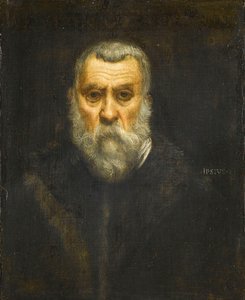
Jacopo Tintoretto
1518 - 1594 , Italie
En bref
- Artistes Influents:
- Tiziano Vecellio
- Michel-Ange
- Date De Décès: 1594
- Date De Naissance: 1518
- Influences Artistiques:
- Caravage
- Baroque
- Lieu De Naissance: Venise, Italie
- Mouvement Artistique: Manierisme, Renaissance
- Nationalité: Vénitienne
- Nom Complet: Jacopo Tintoretto
- Oeuvres Notables:
- Le Miracle de St Marc
- L'Assomption de la Vierge
- La Cène (San Giorgio)
- Déscente de croix
Articles similaires

AllPaintingsStore.com F.A.Q.: Elevate Your Decor with Premium Textured Giclée Prints
Discover the distinction of AllPaintingsStore.com premium textured Giclée prints. Expertly crafted with archival 12-color pigments and museum-grade substrates, our prints offer unparalleled vividness for the discerning collector seeking luxury, durability, and timeless elegance.


