


 Aperçu en situation
 Envoyer
 Partager
 Détails de l'œuvre

 Télécharger
 Articles similaires
 Radiographie
 Diaporama
Fortune Teller
 Oil On Canvas
- WallArt
- Baroque
 1640
1640 132.0 x 155.0 cm
 Musée de l'Ermitage
 Lire la suite
Giclées et impressions d'art
Impressions giclées ou sur toile de qualité musée, avec une production rapide et des finitions au choix. ( Commander la reproduction peinte à la main Télécharger l'image haute résolution)




P118B $10

P118H $10

P118W $10

P438Z $10

P508JH $12

P508YH $12

P805H $10

P805Z $10

P919BZ $10

P919G $10

P919XJ $10

P959ZH $10

P968JZ $12

W106C $8

W218G $10

W218JH $8

W218Y $10

W307PJ $10

W316G $10

W316PJ $8

W316Y $10

W398PJ $8

W4111J $10

W500HY $15

W500JH $15

W692G $12

W849H $8

W940BG $15

W953PJ $8




Choisissez parmi nos formats prédéfinis qui respectent les proportions originales de l’œuvre.

Vous pouvez saisir vos propres dimensions pour vous adapter à un cadre ou à un espace spécifique. Si la taille sélectionnée ne correspond pas aux proportions de l'image originale, nous recadrerons l'œuvre ou étendrons l'image avec une bordure en miroir ou une couleur unie. Une maquette numérique vous sera envoyée pour approbation avant le début de la production.
Veuillez noter que l'aperçu à l'écran ne reflète pas le recadrage ou l'extension réelle. Seule la maquette montrera avec précision la composition finale.
Bien que des tailles personnalisées soient disponibles, nous vous recommandons de choisir une dimension dans la liste prédéfinie afin de préserver les proportions originales.
Livraison dans le monde entier () en 2 semaines au lieu des 4/5 semaines habituelles. (22 août)

Livraison express gratuite dans le monde entier

Toile de lin de qualité supérieure

Assurance transport complète

Garantie de remboursement des droits de douane

Garantie de fidélité des couleurs

Politique de retour de 60 jours (uniquement en cas de défaut)

Garantie de remboursement à 100%

Offre de tarifs dégressifs
 L'option verre n'est disponible que pour les dimensions inférieures à 110 cm.

Fortune Teller
Giclées et impressions d'art
Format de la reproduction
-


Prix total
$ 64
Description de la pièce
Fortune Teller
Jan Cossiers’ “Fortune Teller” stands as a testament to the Antwerp School's masterful blend of Caravaggio’s dramatic chiaroscuro and humanist observation, capturing a moment of quiet contemplation amidst an opulent setting. Painted in 1640 during the height of Rubensian influence, this portrait delves into psychological depth rarely achieved by its contemporaries. The painting depicts a man dressed in a scarlet jacket adorned with intricate embroidery—a bold choice reflecting the fashion trends of the era—seated beside a woman who exudes an aura of prophetic wisdom. Her gaze is fixed upward, suggesting introspection and perhaps divination, while her hand rests delicately upon a handkerchief embroidered with floral motifs – symbols commonly associated with femininity and grace. The scene unfolds within a richly decorated room bathed in diffused light, highlighting the textures of velvet drapery and gilded ornamentation. This deliberate use of illumination underscores Cossiers’ commitment to Caravaggio's technique, creating an atmosphere of palpable drama despite the stillness of the figures. Cossiers skillfully employs oil paint on canvas, layering translucent glazes to achieve remarkable luminosity and capturing subtle nuances of skin tone and fabric texture. The artist’s meticulous attention to detail—evident in the rendering of folds in clothing and the delicate embroidery—demonstrates a profound understanding of artistic craftsmanship. Furthermore, Cossiers incorporates elements of symbolism into his composition. The scarlet jacket represents ambition and prestige, while the floral handkerchief speaks to themes of fertility and renewal. These visual cues invite viewers to contemplate the complexities of human experience and the pursuit of knowledge. The painting’s emotional impact is palpable—a sense of serene contemplation mingled with an underlying current of mystery. Cossiers succeeds in conveying not merely a likeness but also a psychological portrait, capturing the inner life of his subject and inviting us to ponder questions of fate and destiny. “Fortune Teller” remains a captivating masterpiece, embodying the Antwerp School’s legacy as pioneers of expressive realism and humanist artistry.- Artist: Jan Cossiers
- Birth Year: 1600
- Death Year: 1671
- Birth City: Antwerp
- Birth Country: Belgium
- Biography: Jan Cossiers: A Flemish Baroque Pioneer
Additional Research
The artwork "Fortune Teller" by Jan Cossiers is featured prominently in the Hermitage Museum’s Alte Galerie, showcasing its significance as a cornerstone of Antwerp Baroque painting. Its vibrant color palette and masterful execution exemplify the stylistic innovations championed by Rubens and his successors. The painting's detailed depiction of human emotion and psychological complexity distinguishes it from many other portraits of the period. Furthermore, “Fortune Teller” exemplifies the influence of Caravaggio’s chiaroscuro technique—a dramatic interplay of light and shadow—which Cossiers skillfully employs to heighten the emotional impact of the scene. This stylistic choice underscores the artist's commitment to capturing not just visual appearance but also inner feeling. The painting’s enduring appeal lies in its ability to evoke contemplation and invite viewers to consider profound questions about human nature. The WGA5413 image file, hosted on Wikimedia Commons, provides a high-resolution reproduction of Cossiers’ masterpiece—a valuable resource for scholars and enthusiasts alike. Its accessibility ensures that this iconic artwork continues to inspire generations of artists and audiences worldwide. The painting's meticulous detail and luminous color palette underscore the Antwerp School’s dedication to artistic excellence.File Usage
This artwork is displayed on AllPaintingsStore.com, a curated online gallery specializing in fine art reproductions—a testament to Cossiers’ enduring influence and the continued appreciation for Baroque artistry. Its inclusion within AllPaintingsStore.com underscores its importance as a cultural landmark and contributes to its visibility among collectors and interior designers globally.Œuvres similaires


Biographie de l'artiste
L'Ombre Radieuse : La Vie et l'Héritage de Jan Cossiers
Au cœur de la scène artistique d'Anvers au XVIIe siècle, peu de noms résonnent avec une telle polyvalence stylistique que Jan Cossiers. Né le 15 juillet 1600, dans la vibrante cité flamande d'Anvers, Cossiers était destiné à une vie immergée dans les coups de pinceau de la grandeur. Issu d'une lignée artistique, il était le fils de l'aquarelliste Antoine Cossiers, un fait qui lui conféra une compréhension précoce et intime de la couleur et de la forme. Ses années de formation furent façonnées par l'apprentissage rigoureux de Cornelius de Vos, dont la maîtrise du portrait jeta les bases de la capacité de Cossiers à capturer l'essence humaine. Cependant, c'est son esprit inquiet et sa quête de l'avant-garde qui allaient véritablement définir sa trajectoire, l'éloignant du confort familier des Flandres vers les paysages ensoleillés de France et les ombres dramatiques d'Italie.
L'évolution du style de Cossiers est un voyage captivant à travers les marées changeantes de l'ère baroque. Ses voyages à Aix-en-Provence en 1623 lui permirent d'absorber l'énergie dynamique des influences néerlandaises, mais c'est son pèlerinage à Rome en 1624 qui altéra fondamentalement son ADN artistique. Là, il rencontra le ténébrisme révolutionnaire du Caravage — une technique définie par un jeu théâtral et intense entre l'obscurité profonde et la lumière perçante. Cette rencontre insuffla une vie nouvelle et dramatique à son œuvre. Son répertoire de jeunesse se caractérisait par des scènes de genre caravagesques, dépeignant souvent des sujets de la "vie quotidienne" avec un réalisme brut et sans artifice. Ces œuvres, telles que l'évocatrice La Voyante (1640), utilisaient un clair-obscur magistral pour transformer des moments banals de contemplation ou d'interaction sociale en profondes études psychologiques.
Des Scènes de Genre aux Grands Récits
À mesure que sa carrière mûrissait, Cossiers passa des représentations intimes et souvent terreuses de la vie quotidienne vers les domaines plus prestigieux de la peinture d'histoire et religieuse. Ce changement ne fut pas seulement une modification du sujet, mais une expansion de son vocabulaire émotionnel et technique. Sa connexion avec le légendaire Pierre Paul Rubens joua un rôle pivot dans cette ascension ; en travaillant au sein de l'illustre atelier de Rubens, Cossiers affina sa capacité à gérer des compositions à grande échelle et des récits complexes comportant de multiples figures. L'influence de Rubens est évidente dans le dynamisme accru et les détails opulents que l'on retrouve dans ses œuvres tardives, où les ombres tranchantes de sa jeunesse commencèrent à se mêler à une utilisation plus sophistiquée de la couleur et du mouvement.
Ses toiles religieuses témoignent de sa capacité à transmettre la ferveur spirituelle par le drame physique. Dans des chefs-d'œuvre tels que Le Martyre de sainte Catherine (1647) et Jésus apparaît à Marie-Madeleine, Cossiers utilise la tension dramatique apprise à Rome pour évoquer une piété et une souffrance profondes. Son œuvre Saint Nicolas délivrant les captifs démontre davantage sa maîtrise de l'épopée baroque, mêlant une émotion intense à une composition dynamique qui guide l'œil du spectateur à travers un océan de lutte biblique. Même dans ses moments les plus calmes, comme son méticuleux Autoportrait, on peut ressentir la dignité et la précision technique qui lui valurent une haute distinction au sein de la communauté artistique d'Anvers.
Un Pilier de l'École d'Anvers
Au-delà de la toile, Jan Cossiers fut une figure centrale du tissu institutionnel de l'art flamand. Son ascension au poste de Doyen de la Guilde de Saint-Luc en 1640 signifie non seulement sa maîtrise technique, mais aussi le profond respect qu'il inspirait à ses pairs. Il vécut une période d'immense transition culturelle, agissant comme un pont entre l'énergie brute et dramatique du premier caravagisme et les sensibilités classiques plus raffinées qui allaient suivre. Sa vie fut une tapisserie de triomphes professionnels et de complexité personnelle, marquée par des liens significatifs avec des intellectuels tels que Nicolas Claude Fabri de Peiresc et les cercles prestigieux de l'élite d'Anvers.
La signification historique de Jan Cossiers réside dans sa capacité à synthétiser diverses influences en une voix unique et reconnaissable. Il a puisé dans les ombres de l'Italie, le dynamisme des Pays-Bas et la grandeur de la Flandre de Rubens pour créer une œuvre qui soit à la fois profondément personnelle et largement représentative de l'esprit baroque. Aujourd'hui, il est mémorisé non pas seulement comme un disciple des grands maîtres, mais comme un pionnier qui a aidé à façonner le langage visuel du XVIIe siècle, laissant derrière lui un héritage de lumière, d'ombre et d'une éternelle émotion humaine.

Jan Cossiers
1600 - 1671 , Belgique
L'essentiel de l'artiste
- Artistic Movement Or Style: Baroque
- Artists Or Movements Influenced By This Artist: ['Rubens']
- Artists Who Influenced This Artist: ['Caravaggio']
- Date Of Birth: 1600-07-15
- Date Of Death: 1671-07-04
- Full Name: Jan Cossiers
- Nationality: Flamande
- Notable Artworks:
- Merry Company
- A Young Musician
- Place Of Birth: Antwerp, Belgique
Articles connexes

Les 10 Chefs-d'œuvre Baroques qui ont Révolutionné l'Art |
Plongez au cœur du baroque avec les 10 chefs-d'œuvre de Caravaggio, Rembrandt et Rubens. Découvrez l'histoire fascinante de ces artistes et leurs tableaux célèbres. Reproductions d'art de qualité muséale sur – Explorez la collection !

The Dramatic Flourish: Exploring the Baroque Movement's Enduring Legacy in Art History
Explore the dramatic world of Baroque art! Discover iconic artists like Caravaggio & Rubens, defining techniques, and its lasting impact on art history. Expert insights for collectors & enthusiasts at AllPaintingsStore.

Decoding Baroque Grandeur: A Guide to the Drama and Emotion of 17th-Century Art
Explore the breathtaking drama of 17th-century Baroque art. Our expert guide decodes the use of chiaroscuro, emotional intensity, and historical grandeur to help you appreciate and curate timeless masterpieces for your collection.

The Grandeur of Baroque Portraiture: Power, Emotion & Artistic Innovation
Explore the grandeur of Baroque portraiture! Discover Rubens, Van Dyck & the masters of 17th-century art. Uncover symbolism, techniques & lasting influence. Expert insights for collectors and enthusiasts.
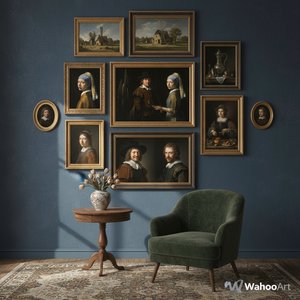
Les 10 Chefs-d'œuvre du Baroque Néerlandais : Artistes et Décor Intemporels
Plongez au cœur du Baroque néerlandais avec les 10 œuvres incontournables de Rembrandt, Vermeer et autres maîtres hollandais. Découvrez l'histoire, la lumière et les couleurs qui ont façonné ce mouvement artistique. Reproductions d'art de qualité muséale sur AllPaintingsStore.com


