Aperçu en situation
 Partager
 Partager
 Détails
 Guide
Guide

 Télécharger
 Articles similaires
 Radiographie
 Voir le diaporama
 Statistiques
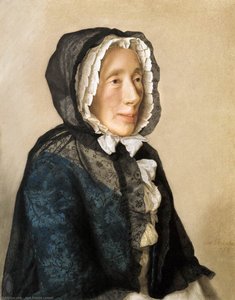
Joachim Rendorp, Husband of Hillegonda Schuyt


 Afficher la suite
Reproduction à l'huile faite à la main
Huile sur toile peinte à la main, avec cadre et dimensions personnalisés, réalisée sur commande par nos artistes. ( Passer au format impression Passer au format image numérique)




P118B $10

P118H $10

P118W $10

P438Z $10

P508JH $12

P508YH $12

P805H $10

P805Z $10

P919BZ $10

P919G $10

P919XJ $10

P959ZH $10

P968JZ $12

W106C $8

W218G $10

W218JH $8

W218Y $10

W307PJ $10

W316G $10

W316PJ $8

W316Y $10

W398PJ $8

W4111J $10

W500HY $15

W500JH $15

W692G $12

W849H $8

W940BG $15

W953PJ $8




Choisissez parmi nos formats prédéfinis qui respectent les proportions originales de l’œuvre.

Vous pouvez saisir vos propres dimensions pour l'adapter à un cadre ou à un espace spécifique. Si la taille sélectionnée ne correspond pas aux proportions de l'image d'origine, nous recadrerons l'œuvre ou prolongerons la peinture avec des éléments peints à la main supplémentaires. Une maquette numérique vous sera envoyée pour approbation avant le début de la production.
Veuillez noter que l'aperçu à l'écran ne reflète pas le recadrage ou l'extension réels. Seule la maquette montrera fidèlement la composition finale.
Bien que des tailles personnalisées soient disponibles, nous vous recommandons de sélectionner une dimension dans la liste prédéfinie afin de préserver les proportions d'origine.
Après la commande, l’équipe AllPaintingsStore.com contactera le client par e-mail pour recueillir ses instructions et lui fournira une maquette d’aperçu
Livraison dans le monde entier () en 3 à 4 semaines au lieu des 5 semaines habituelles. (21 septembre). Aucun compromis sur la qualité.

Livraison express gratuite dans le monde entier

Toile de lin de haute qualité

Assurance transport complète

Garantie de remboursement des droits de douane

Garantie de fidélité des couleurs

Garantie de retour de 100 jours (uniquement en cas de défaut)

Garantie de remboursement à 100%

Tarifs dégressifs sur quantité
 L'option verre n'est disponible que pour les dimensions inférieures à 110 cm.

Joachim Rendorp, Husband of Hillegonda Schuyt
Technique de reproduction
Format de la reproduction
-


Prix total final
$ 258
A Glimpse into Rococo Elegance: Joachim Rendorp, Husband of Hillegonda Schuyt
To gaze upon this portrait is to step directly into the vibrant, sophisticated atmosphere of mid-eighteenth-century European society. The subject, Joachim Rendorp, husband of Hillegonda Schuyt, is captured in a moment of studied grace, radiating an air of prosperous leisure and fashionable refinement. His presentation speaks volumes about the social codes and aesthetic ideals of the era—a time when portraiture served not merely as commemoration, but as a carefully curated statement of status.
The Allure of Fashion and Persona
Rendorp himself is rendered with an almost theatrical flourish. The striking pink suit immediately draws the eye, a bold choice that speaks to the flamboyant tastes prevalent during the Rococo period. This vibrant hue, contrasted sharply by the pristine white lace adorning his collar, suggests wealth and an appreciation for delicate craftsmanship. His wig, meticulously styled, completes the illusion of aristocratic elegance, framing a face marked by a knowing smile. The goatee and mustache contribute to a carefully constructed masculine persona—one that is both charmingly self-aware and undeniably distinguished.
Artistic Technique and Historical Context
While the original work dates to 1757, its execution embodies the polished portraiture style favored by masters like Jean-Étienne Liotard, whose own travels across Europe imbued his subjects with an international flair. The background, a rich, deep red wall, serves as more than mere backdrop; it functions as a dramatic foil, allowing the luminosity of Rendorp’s costume and skin tones to advance forward into the viewer's space. The technique employed suggests a mastery of oil painting, capable of rendering both the soft texture of lace and the solid depth of color with equal conviction.
Symbolism and Emotional Resonance
The portrait is steeped in subtle symbolism. Beyond the obvious markers of wealth—the fine fabric and elaborate wig—lies the performance of identity. The smile itself is perhaps the most compelling element; it is not a candid moment, but a posed acknowledgment of being observed. It invites the viewer into a shared secret, suggesting wit and conviviality. For the modern collector or designer, this piece offers an unparalleled connection to historical glamour, evoking feelings of opulent drawing-room gatherings and sophisticated social maneuvering.
Bringing Salon Grandeur Home
Reproducing such a work allows one to integrate a piece of history's most vibrant social tapestry into contemporary living spaces. Whether adorning a formal study or a richly decorated salon, this reproduction captures the ephemeral beauty of aristocratic life. It is an object that whispers tales of powdered wigs, fashionable silks, and the enduring power of personal charisma, making it a captivating focal point for any discerning interior design scheme.
Œuvres similaires


Biographie de l'artiste
early life and training
Jean-Étienne Liotard, a Genevan painter, art connoisseur, and dealer, was born on December 22, 1702, in Geneva, Switzerland. His parents, French Protestants, had fled to Geneva after 1685. Liotard's artistic journey began under the guidance of professors Daniel Gardelle and Petitot, whose enamels and miniatures he skillfully replicated. Gardelle’s meticulous craftsmanship instilled in him a profound appreciation for detail and precision—qualities that would define his entire oeuvre. Petitot fostered Liotard’s understanding of composition and perspective, shaping his artistic vision from its earliest stages.artistic career
Liotard's wanderings spanned Europe, notably Paris, Rome, Constantinople (Istanbul), and Vienna, where his portraits commanded considerable prestige. He honed his skills under Jean-Baptiste Massé and François Lemoyne in Paris, absorbing the stylistic innovations of Rococo. These masters championed a style characterized by elegance, asymmetry, and playful ornamentation—influences that subtly permeated Liotard’s own artistic endeavors. His expedition to Constantinople between 1738 and 1742 proved transformative; encountering Claude Alexandre de Bonneval (Humbaraci Ahmed Pacha) broadened his horizons and exposed him to Ottoman culture. This experience fueled his fascination with orientalism, evident in numerous pastel depictions capturing the vibrant atmosphere of Turkish domestic life. Liotard’s dedication to artistic excellence was recognized by the Académie royale de peinture et de sculpture, though his ambitious tableau of David au Temple was rejected due to its stylistic divergence from prevailing tastes.notable works and style
Liotard's mastery of pastel is spectacularly demonstrated in masterpieces such as “Dutch Girl at Breakfast,” a luminous depiction showcasing his exceptional ability to convey emotion through subtle tonal variations. Similarly, "La Liseuse, The Chocolate Girl" exemplifies his delicate draughtsmanship and meticulous attention to detail—characteristics that cemented his reputation as one of the foremost pastel artists of his time. His portrait of Maria Frederike van Reede-Athlone at Seven, housed in the Getty Museum, stands as a testament to his naturalistic approach and profound understanding of human anatomy. Liotard’s distinctive style combined meticulous observation with expressive brushwork, resulting in images imbued with both realism and poetic beauty.legacy and later life
Liotard continued to produce captivating landscapes and still lifes until his death on June 12, 1789, in Geneva. Beyond his artistic achievements, he left an indelible mark as a scholar and intellectual—most notably through the publication of “Traité des principes et des règles de la peinture” (Treatise on the Principles and Rules of Painting) in 1781. This seminal work established Liotard as a pivotal figure in shaping artistic discourse during the Enlightenment, advocating for direct observation and rejecting academic conventions. His legacy persists today, inspiring artists and scholars alike to revisit his extraordinary creations with renewed appreciation.
Jean-Étienne Liotard
1702 - 1789 , Switzerland
En bref
- Artistic Movement Or Style: Pastoralisme
- Artists Or Movements Influenced By This Artist:
- Jean Baptiste Massé
- François Lemoyne
- Artists Who Influenced This Artist:
- Daniel Gardelle
- Petitot
- Date Of Birth: Décembre 22, 1702
- Date Of Death: Juin 12, 1789
- Full Name: Jean-Étienne Liotard
- Nationality: Suisse
- Notable Artworks:
- La fille aux œufs
- La jeune femme au chocolat
- Maria Frederike van Reede-Athlone à sept
- Place Of Birth: Geneva, Suisse
Articles similaires

Rococo Art Guide: Integrating Elegant Curves and Pastel Opulence into Luxury Hotel Design
Master the Rococo aesthetic for luxury hospitality. Our expert guide explores integrating pastel palettes, ornate curves, and large-scale fine art reproductions into high-end hotel design through professional procurement and custom canvas solutions.