


 Aperçu en situation
 Envoyer
 Partager
 Détails de l'œuvre

 Télécharger
 Articles similaires
 Radiographie
 Diaporama
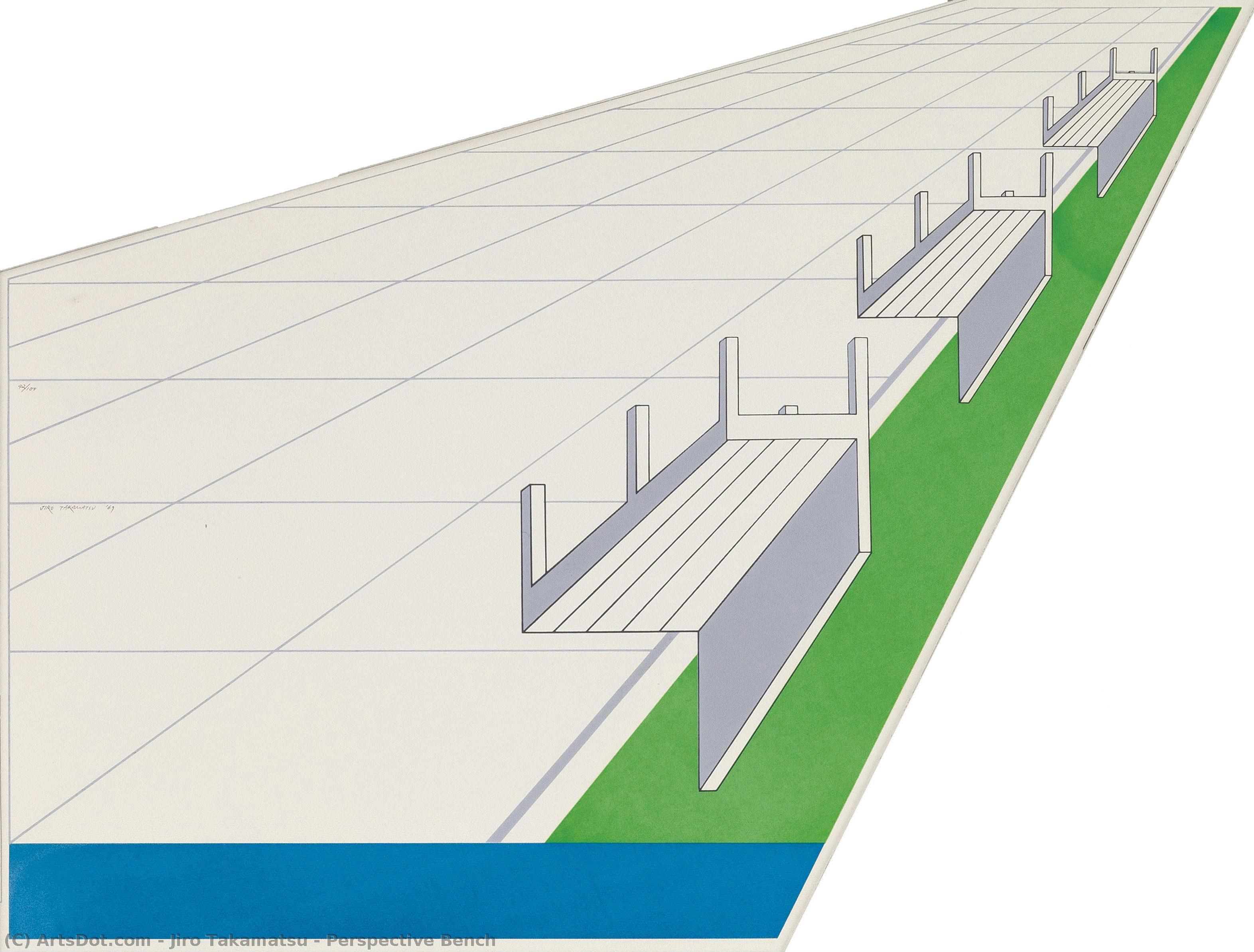
Perspective Bench
 Minimalism
 79.0 x 59.0 cm
 Musée d'art moderne de Gyeonggi
 Lire la suite
Giclées et impressions d'art
Impressions giclées ou sur toile de qualité musée, avec une production rapide et des finitions au choix. ( Commander la reproduction peinte à la main Télécharger l'image haute résolution)




































Choisissez parmi nos formats prédéfinis qui respectent les proportions originales de l’œuvre.

Vous pouvez saisir vos propres dimensions pour vous adapter à un cadre ou à un espace spécifique. Si la taille sélectionnée ne correspond pas aux proportions de l'image originale, nous recadrerons l'œuvre ou étendrons l'image avec une bordure en miroir ou une couleur unie. Une maquette numérique vous sera envoyée pour approbation avant le début de la production.
Veuillez noter que l'aperçu à l'écran ne reflète pas le recadrage ou l'extension réelle. Seule la maquette montrera avec précision la composition finale.
Bien que des tailles personnalisées soient disponibles, nous vous recommandons de choisir une dimension dans la liste prédéfinie afin de préserver les proportions originales.
Livraison dans le monde entier () en 2 semaines au lieu des 4/5 semaines habituelles. (20 août)

Livraison express gratuite dans le monde entier

Toile de lin de qualité supérieure

Assurance transport complète

Garantie de remboursement des droits de douane

Garantie de fidélité des couleurs

Politique de retour de 60 jours (uniquement en cas de défaut)

Garantie de remboursement à 100%

Offre de tarifs dégressifs
 L'option verre n'est disponible que pour les dimensions inférieures à 110 cm.

Perspective Bench
Giclées et impressions d'art
Format de la reproduction
-


Prix total
$ 64
Œuvres similaires


![Abstract Composition [triptych] — Vaclav Vytlacil, Abstract Expressionism](/media/artworks/images/thumbnails/e5/3d/e53db42ea02644b9a8e722f9d4dd3742.jpg)

Biographie de l'artiste
Jiro Takamatsu: Sculptural Shadows and the Poetics of Absence
Jiro Takamatsu (高松 次郎, *Takamatsu Jirō*; 20 February 1936 – 25 June 1998) stands as a pivotal figure in postwar Japanese art, recognized for his radical exploration of materiality, perception, and the very nature of artistic representation. Born in Tokyo in 1936, Takamatsu’s career spanned decades during which he relentlessly interrogated conventional notions of art through groundbreaking sculptural interventions and conceptual explorations rooted in Minimalism and Fluxus. His work transcends mere visual aesthetics; it delves into philosophical inquiries concerning cognition, emptiness, and the limits of human experience—themes that continue to resonate within contemporary artistic discourse. ### Early Life and Artistic Influences Takamatsu’s formative years were marked by exposure to Western art history, notably Cézanne's influence on his early painting studies at Tokyo University of Fine Arts and Music. This intellectual grounding would prove crucial in shaping his subsequent artistic trajectory, informing his engagement with both modernist traditions and the burgeoning avant-garde movements of Japan. Notably, Takamatsu’s participation in the Gutai Art Association alongside fellow artists like Natsuyuki Nakanishi signaled a decisive break from institutional art practices—a commitment to confronting the everyday through performance and unconventional sculptural explorations. The association's ethos of rejecting conventional exhibition spaces and prioritizing direct engagement with materials fueled Takamatsu’s pioneering approach to artistic creation. He studied at Tokyo National University of Fine Arts and Music, where he cultivated an interdisciplinary artistic practice after graduating in 1958. ### Hi Red Center and Conceptual Art The formation of Hi Red Center in 1963 alongside Genpei Akasegawa and Natsuyuki Nakanishi represents a cornerstone of Takamatsu's artistic legacy. This collective embarked on audacious public interventions—actions designed to disrupt established hierarchies within the art world and challenge viewers’ assumptions about reality—solidifying Takamatsu’s position at the forefront of Fluxus and Conceptual Art. Their collaborative endeavors extended beyond mere artistic production; they actively questioned the role of art in shaping social consciousness, mirroring the broader intellectual currents of the era. The collective's provocative performances underscored Takamatsu’s conviction that art should transcend passive contemplation, demanding active participation from its audience. They sought to dissolve boundaries between art and life—producing what the collective called a “descent into the everyday”—through experimental and unorthodox approaches to art-making. ### Sculptural Explorations and “Space in Two Dimensions” Takamatsu’s sculptural practice centered on a meticulous investigation into the fundamental properties of materials—particularly wood—and their relationship to space. His series "Shadow Paintings" (1964–1982), arguably his most enduring contribution, exemplifies this preoccupation with materiality and perception. Takamatsu meticulously crafted sculptures that captured fleeting shadows cast by objects against walls, transforming these seemingly insignificant visual phenomena into meditations on emptiness and the elusive nature of representation. These works challenged viewers to reconsider their understanding of form and space—to recognize that “absence” could be as potent a creative force as visible presence. The artist’s exploration of sculptural voids mirrored his broader philosophical concerns regarding cognition and perception, reflecting the influence of Zen Buddhism and Western Minimalism. He was awarded the Carlo Cardazzo Prize at the Venice Biennale in 1968 for his contribution to the art world. ### Legacy and Recognition Jiro Takamatsu's impact on Japanese art history is undeniable—his pioneering approach to Conceptual Art and Sculpture cemented his place among the most influential artists of the postwar period. Exhibitions showcasing his oeuvre at institutions globally including The Guggenheim Museums and Foundation, Fergus McCaffrey Gallery, Pace Gallery and David Roberts Art Foundation have solidified his reputation as a visionary artist who pushed boundaries of artistic expression. Takamatsu’s work continues to inspire contemporary artists grappling with questions of materiality, perception, and the role of art in confronting existential realities—a testament to his enduring intellectual and aesthetic significance. He died in 1998 leaving behind an indelible mark on Japanese art and culture.
Jiro Takamatsu
1936 - 1998 , Japon
L'essentiel de l'artiste
- Artistic Movement Or Style: Postwar japonais; Conceptual Art; Mono-Ha
- Artists Or Movements Influenced By This Artist: ['Conceptual Art']
- Artists Who Influenced This Artist:
- Paul Cézanne
- Sesshū Tōyō
- Date Of Birth: 20 février 1936
- Date Of Death: 25 juin 1998
- Full Name: Jiro Takamatsu
- Nationality: Japonais
- Notable Artworks:
- Perspective Bench
- Young Woman Jumping From The Kiyomizu Temple Balcony With An Umbrella As A Parachute
- Place Of Birth: Tokyo, Japon
Articles connexes

Contemporary Abstract Art: A Professional Buyer's Guide to Large-Scale Modern Decor for Hospitality and Corporate Interiors
A professional procurement guide for hotel designers and architects. Discover how to integrate large-scale contemporary abstract art into hospitality projects through high-volume, custom-sized oil reproductions, multi-panel layouts, and reliable global logistics.

Neo-Abstract Art Trend Forecast: High-Impact Geometric Compositions for Contemporary Commercial Interiors
Elevate commercial interiors with Neo-Abstract art. Discover how high-impact geometric compositions and custom oil reproductions provide scalable, sophisticated design solutions for hotels, restaurants, and corporate spaces. Expert procurement for large-scale hospitality projects.


