


1

Reproduction à l'huile peinte à la main à partir de $411 35 × 28 cm
Commander cette œuvre
Détails du tableau

Mis à jour en novembre 2026 · classé selon notre score de popularité (recherches, visites et commandes pour chaque œuvre) · 1 œuvres de Roberto Bompiani dans notre catalogue
Réponse rapide
A Roman Feast (1850) est la peinture la plus célèbre de Roberto Bompiani ; l'original appartient au J. Paul Getty Museum, Los Angeles. Notre catalogue comprend 1 œuvres de Roberto Bompiani ; voici les 1 plus célèbres, classées par année et par musée, pour vous aider à choisir celle que vous souhaitez commander.
Le musée qui détient le plus grand nombre de peintures figurant sur cette page.
| Musées | Ville | Œuvres de Roberto Bompiani | Peintures de cette liste |
|---|---|---|---|
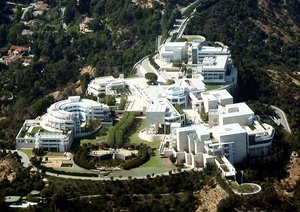 J. Paul Getty Museum |
Los Angeles | 1 | A Roman Feast |
Chaque peinture datée de Roberto Bompiani répertoriée ici date de 1850, par ordre de classement.
Sélectionnez une année pour voir ses peintures.
A Roman Feast (1850) est en première position.
Roberto Bompiani avait 29 ans : A Roman Feast date de 1850, et Roberto Bompiani est né(e) en 1821.
1 œuvres de Roberto Bompiani figurent dans notre catalogue.
Principalement dans J. Paul Getty Museum (Los Angeles). Consultez le tableau des musées ci-dessus pour la liste complète.
Oui. Chaque tableau de cette page peut être commandé sous forme de reproduction à l'huile peinte à la main ou d'impression. Ouvrez le tableau, choisissez la taille et passez votre commande.
To understand Roberto Bompiani, one must look past the surface of his polished figures and see the calculated precision of a man obsessed with historical reconstruction. He did not merely paint; he reconstructed. Known to his contemporaries as the Italian Bouguereau, Bompiani utilized a rigorous academic foundation to breathe life into the ghosts of ancient Rome. His work functions as a bridge between archaeological reality and narrative fiction. When viewing a canvas like A Roman Feast, the viewer encounters more than just a scene; they encounter a deliberate assembly of Greek, Roman, and Etruscan influences, ranging from bronze vessels to inlaid marble floors.
His technique relied on a heavy, academic discipline learned early at the Accademia di San Luca in Rome. By age fifteen, he was already navigating the complexities of design, eventually securing first prizes in both painting and sculpture. This technical versatility allowed him to move between the fluid demands of watercolor and the structural permanence of stone. His later sculptural works, such as Sappho or Ruth, demonstrate a mastery of form that mirrors the physical perfection found in his oil paintings. He avoided the messy ambiguity of more experimental movements, opting instead for a clarity of line and a smooth, marble-like finish on skin.
Bompiani’s career was defined by an ability to satisfy both the religious demands of the Papal government and the commercial appetites of the international bourgeoisie. His output was massive, spanning genres from sacred frescoes in churches like Santa Maria in Trastevere to the highly marketable neo-Pompeian subjects that found homes in Philadelphia and London. He understood the market. By blending photographic realism with idealized, noble expressions, he created a brand of historical fiction that felt authentic yet remained accessible.
The breadth of his professional impact is visible through several key areas:
Ultimately, Bompiani remains significant because he mastered the art of the controlled gaze. He did not seek to disrupt the status quo but to refine it. His work represents the peak of Roman Purism, a period where the weight of history was used to anchor the fleeting aesthetics of the late nineteenth century. He died in Rome while working on the Apotheosis of Sappho, leaving behind a body of work that remains a definitive record of academic excellence.