


 पूर्वावलोकन देखें
 भेजें
भेजें साझा करें
 विवरण देखें
 मार्गदर्शिका

 डाउनलोड करें
 समान वस्तुएं
 एक्स-रे
 स्लाइड शो देखें
 आंकड़े
Ambulance Disaster


 और पढ़ें
इस पृष्ठ पर प्रदर्शित कलाकृति कॉपीराइट कानून द्वारा संरक्षित है, जिसका अर्थ है कि हम कानूनी रूप से इसकी हूबहू प्रतिलिपि बनाने या बेचने का अधिकार नहीं रखते हैं। यह संरक्षण अंतर्राष्ट्रीय समझौतों के तहत लागू किया जाता है, जैसे कि बर्न कन्वेंशन और राष्ट्रीय कानूनों द्वारा, जिनमें % द्वारा निर्धारित कानून भी शामिल हैं। अमेरिकी कॉपीराइट कानून - शीर्षक 17।
यह विधि कॉपीराइट नियमों का पूरी तरह से पालन करती है क्योंकि इसमें संरक्षित कलाकृति की नकल या प्रतिलिपि बनाना शामिल नहीं है। इसके बजाय, यह एक रचनात्मक पुनर्व्याख्या है - एक ऐसी नई पेंटिंग जो मूल कृति से प्रेरित तो है, लेकिन उसके समान नहीं है।
गिक्ली / आर्ट प्रिंट
तेज़ उत्पादन और विभिन्न फिनिश विकल्पों के साथ म्यूजियम-क्वालिटी गिकली (giclée) या कैनवस प्रिंट। ( हाथ से बनी पेंटिंग खरीदें डिजिटल इमेज पर जाएँ)




P118B ₹10

P118H ₹10

P118W ₹10

P438Z ₹10

P508JH ₹12

P508YH ₹12

P805H ₹10

P805Z ₹10

P919BZ ₹10

P919G ₹10

P919XJ ₹10

P959ZH ₹10

P968JZ ₹12

W106C ₹8

W218G ₹10

W218JH ₹8

W218Y ₹10

W307PJ ₹10

W316G ₹10

W316PJ ₹8

W316Y ₹10

W398PJ ₹8

W4111J ₹10

W500HY ₹15

W500JH ₹15

W692G ₹12

W849H ₹8

W940BG ₹15

W953PJ ₹8




कलाकृति के मूल अनुपात से मेल खाने वाले हमारे पूर्व निर्धारित आकारों में से चुनें।

अपने फ्रेम या अपनी दीवार के अनुसार आवश्यक चौड़ाई और ऊंचाई दर्ज करें। प्रिंट को केवल काटा जा सकता है, चित्र से बड़ा कभी नहीं बनाया जा सकता, इसलिए अलग आकार का साइज चित्र का एक हिस्सा खो देता है। किसी भी चीज़ को प्रिंट करने से पहले हम आपकी स्वीकृति के लिए आपको एक डिजिटल मॉकअप भेजते हैं। इस पृष्ठ पर दिखाया गया चित्र वास्तविक कटिंग नहीं दिखाता है — केवल मॉकअप ही इसे दर्शाता है।
विश्वव्यापी डिलीवरी (), मानक 4/5 सप्ताह के बजाय मात्र 2 सप्ताह में। (25 अक्टूबर)

दुनिया भर में मुफ़्त एक्सप्रेस शिपिंग

प्रीमियम ग्रेड लिनेन कैनवास

पूर्ण शिपिंग बीमा

सीमा शुल्क और आयात कर वापसी की गारंटी

सटीक रंग मिलान की गारंटी

100 दिनों की वापसी नीति (केवल निर्माण दोष होने पर)

100% पैसे वापसी की गारंटी

थोक छूट का अवसर
 ग्लास का विकल्प केवल 110 सेमी से कम आकार में ही उपलब्ध है।

Ambulance Disaster
गिक्ली / आर्ट प्रिंट
प्रतिकृति का आकार
-


कुल मूल्य
₹ 6136
The Haunting Echoes of Tragedy: Andy Warhol’s *Ambulance Disaster*
Andy Warhol's *Ambulance Disaster*, created in 1963 and 1964, isn’t merely a depiction of a car crash; it’s a profound meditation on mortality, media spectacle, and the unsettling intersection of chaos and control. Emerging from a period when American society grappled with anxieties surrounding violence, disaster, and the increasingly pervasive influence of mass media, this silkscreen masterpiece captures a moment frozen in time – a devastating collision rendered with Warhol's signature detachment and mechanical precision.
The photograph that served as the basis for *Ambulance Disaster* was sourced from a news clipping documenting a particularly harrowing accident. Warhol’s genius lies not in recreating the event faithfully, but in amplifying its emotional resonance through repetition and simplification. The image of the crumpled ambulance, a symbol traditionally associated with rescue and healing, is brutally transformed into an emblem of destruction – a stark reminder of fragility and loss. The scene unfolds with unsettling clarity: two figures visible within the wreckage, one slumped over the steering wheel, the other lying lifeless on the floor, all bathed in the cold, unforgiving light of photographic reproduction.
A Pop Art Revelation: Technique and Style
Executed using Warhol’s iconic silkscreen technique, *Ambulance Disaster* exemplifies the core tenets of Pop Art. The process involved transferring a printed image onto canvas, meticulously layering screens to achieve precise color blocking and eliminating any trace of hand-painted brushstrokes. This mechanical reproduction deliberately distances the viewer from the event, stripping it of its immediate emotional impact and presenting it as an object of detached observation. The monochromatic palette – primarily black and white – further contributes to this sense of clinical detachment, mirroring the cold objectivity of news photography.
Warhol’s deliberate use of repetition is crucial to the artwork's power. The ambulance image is multiplied across the canvas, creating a hypnotic effect that emphasizes its ubiquity in American culture—a symbol constantly appearing in media reports and advertising campaigns. This repetition simultaneously highlights the banality of tragedy and underscores its relentless reproduction within the public consciousness.
Symbolism and the Spectacle of Death
*Ambulance Disaster* operates on multiple symbolic levels. The ambulance itself, a vehicle designed to offer salvation, becomes an instrument of destruction, highlighting the inherent contradictions within American society’s response to disaster. The two figures trapped within the wreckage represent not just individual victims but also the broader human cost of accidents and violence. Their anonymity—they are simply bodies within a scene—reflects Warhol's broader interest in exploring the de-personalized nature of modern life.
Furthermore, the artwork speaks to the growing fascination with spectacle surrounding death in the 1960s. The photograph itself was likely disseminated widely through newspapers and magazines, transforming a tragic event into a public spectacle. Warhol’s silkscreen reproduction amplifies this effect, turning a moment of grief into an object of detached contemplation – mirroring the way media increasingly framed tragedy as entertainment.
A Legacy of Haunting Beauty
*Ambulance Disaster* remains a powerfully evocative work, demonstrating Warhol's ability to transform mundane imagery into profound statements about human experience. Its stark composition, mechanical execution, and unsettling subject matter continue to resonate with viewers today, prompting reflection on the nature of tragedy, media representation, and the enduring fascination with death in American culture. Reproductions of this iconic piece offer a compelling glimpse into Warhol’s artistic vision—a haunting reminder of the fragility of life and the relentless gaze of the public eye.
प्रश्न और उत्तर
"Ambulance Disaster" किसी स्थान के वातावरण को कैसा रूप देगा?
एंडी वारहोल द्वारा "Ambulance Disaster" में एक Dramatic वातावरण है और इसे Living Room के लिए अनुशंसित किया जाता है। 'मूड' से तात्पर्य उस भाव से है जो यह कलाकृति अपने आस-पास के स्थान में भर देती है।
क्या एंडी वारहोल द्वारा "Ambulance Disaster", Pop Art कला के सबसे बहुप्रतीक्षित कलाकृतियों में से एक है?
कैटलॉग में Pop Art कृतियों के बीच "Ambulance Disaster" को Iconic के रूप में दर्ज किया गया है।
एंडी वारहोल द्वारा "Ambulance Disaster" किस कमरे के लिए उपयुक्त है?
एंडी वारहोल द्वारा "Ambulance Disaster" के लिए अनुशंसित स्थान एक Living Room है। बेशक, इस सुझाव को आपके इंटीरियर के अनुसार बदला जा सकता है।
समान कलाकृतियाँ


कलाकार का परिचय
एंड्रयू वारहोला जूनियर: पॉप कला के जादूगर
पिट्सबर्ग, अमेरिका में 1928 में जन्मे एंड्रयू वारहोला जूनियर, जिन्हें दुनिया एंडी वारहोल के नाम से जानती है, 20वीं सदी के सबसे प्रभावशाली कलाकारों में से एक थे। उनका जीवन और कला अमेरिकी संस्कृति के बदलते चेहरे को दर्शाती है। बचपन में बीमार रहने के कारण उन्हें घर पर ही रहना पड़ता था, जहाँ उनकी माँ ने उन्हें कला की दुनिया से परिचित कराया। उन्होंने कमिक बुक्स और फिल्म पत्रिकाओं से प्रेरणा ली, जो बाद में उनकी कला का अभिन्न अंग बन गए। कारनेगी इंस्टीट्यूट ऑफ टेक्नोलॉजी से डिग्री हासिल करने के बाद, वारहोला न्यूयॉर्क शहर चले गए, जहाँ उन्होंने एक सफल वाणिज्यिक चित्रकार के रूप में अपना करियर शुरू किया। फैशन पत्रिकाओं के लिए उनके रेखाचित्रों ने उन्हें जल्दी ही पहचान दिलाई, लेकिन उनकी असली पहचान पॉप कला आंदोलन के माध्यम से मिली।
पॉप कला का उदय और 'द फैक्ट्री'
1960 के दशक में, वारहोला ने वाणिज्यिक कला की सीमाओं को पार करते हुए पॉप कला आंदोलन में एक महत्वपूर्ण भूमिका निभाई। उन्होंने विज्ञापन, कॉमिक बुक्स और उपभोक्ता वस्तुओं को कला के वैध विषय के रूप में अपनाया, जिससे पारंपरिक कला धारणाओं को चुनौती मिली। उनके प्रसिद्ध कार्यों, जैसे कि कैम्पबेल का सूप कैन (1962) और मैरीलिन डिप्टिक (1962), ने अमेरिकी उपभोक्तावाद के प्रतीक को दर्शाया। वारहोला ने स्क्रीन प्रिंटिंग तकनीक का उपयोग किया, जो छवियों की यांत्रिक पुनरुत्पादन पर जोर देती है, जिससे कला और उत्पादन के बीच की रेखाएँ धुंधली हो गईं। 'द फैक्ट्री' उनका स्टूडियो था, जो न्यूयॉर्क शहर में एक जीवंत केंद्र बन गया जहाँ कलाकार, संगीतकार, फिल्म निर्माता और समाजसेवियों ने मिलकर काम किया। यह रचनात्मकता और प्रयोग का स्थान था, जिसने वारहोला को अपनी कलात्मक दृष्टि को आगे बढ़ाने में मदद की।
सेलिब्रिटी, आपदा और अमेरिकी जुनून की खोज
वारहोला की कलात्मक यात्रा उपभोक्ता वस्तुओं से परे सेलिब्रिटी, मृत्यु और आपदा जैसे विषयों तक फैली हुई थी। उन्होंने मैरीलिन मुनरो, एल्विस प्रेस्ली और एलिजाबेथ टेलर जैसे प्रतिष्ठित हस्तियों के चित्र बनाए, जो प्रसिद्धि, छवि और सेलिब्रिटी के नाजुक स्वभाव का पता लगाते हैं। उनकी "डिज़ास्टर" श्रृंखला में कार दुर्घटनाओं, इलेक्ट्रिक कुर्सियों और दंगों की छवियों को दर्शाया गया है, जिससे दर्शकों को हिंसा और मृत्यु दर के बारे में सोचने पर मजबूर होना पड़ता है। वारहोला ने इन छवियों को एक तटस्थ दृष्टिकोण से प्रस्तुत किया, जिससे दर्शक अपना निष्कर्ष निकाल सकें। उन्होंने फिल्म निर्माण में भी प्रयोग किया, स्लीप (1963) और चेल्सी गर्ल्स (1966) जैसी प्रयोगात्मक फिल्में बनाईं, जिसने कलात्मक अभिव्यक्ति की सीमाओं को आगे बढ़ाया।
कला और संस्कृति पर स्थायी प्रभाव
एंड्रयू वारहोला का कला जगत पर गहरा प्रभाव पड़ा है। उन्होंने कला की पारंपरिक परिभाषाओं को चुनौती दी, उच्च और निम्न संस्कृति के बीच की रेखाएँ धुंधली कर दीं, और अवधारणात्मक और प्रदर्शन कला जैसे नए आंदोलनों का मार्ग प्रशस्त किया। उनकी उपभोक्तावाद, सेलिब्रिटी संस्कृति और मीडिया के अन्वेषण आज भी दर्शकों के साथ गूंजते हैं, क्योंकि ये विषय समकालीन समाज के केंद्र में बने हुए हैं। वारहोला न केवल एक कलाकार थे, बल्कि एक सांस्कृतिक प्रतीक भी थे - एक दूरदर्शी जिन्होंने छवि की शक्ति को समझा और इसे धारणा को आकार देने की क्षमता को पहचाना। उन्होंने एक ऐसे समय में खुले तौर पर अपनी गे पहचान को अपनाया जब ऐसा करना दुर्लभ था, जिससे वे मुक्ति के प्रतीक बन गए और सामाजिक मानदंडों को चुनौती दी। उनकी विरासत अनगिनत क्षेत्रों में देखी जा सकती है, समकालीन कला, फैशन, संगीत और फिल्म से लेकर हर जगह। वारहोला ने कला को एक दुर्लभ खोज से बदलकर आधुनिक जीवन के रोजमर्रा के अनुभवों के साथ गहराई से जुड़ा हुआ बनाया।
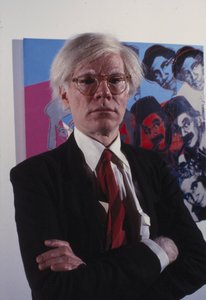
एंडी वारहोल
1928 - 1987 , संयुक्त राज्य अमेरिका
संक्षिप्त जानकारी
- Artistic Movement Or Style: पॉप कला
- Artists Or Movements Influenced By This Artist:
- समकालीन कला
- फैशन
- फिल्म
- संगीत
- Date Of Birth: 6 अगस्त 1928
- Date Of Death: 22 फरवरी 1987
- Full Name: एंडी वारहोल
- Nationality: अमेरिकी
- Notable Artworks:
- कैम्पबेल का सूप कैन
- मैरीलिन डिप्टिक
- चे ग्वेरा
- वेलवेट अंडरग्राउंड कवर
- Place Of Birth: पिट्सबर्ग, अमेरिका
संबंधित लेखों की सूची

The Mass Media Muse: How Pop Art Redefined the Modern Masterpiece
Explore how Pop Art revolutionized the modern masterpiece by embracing mass media and consumer culture. Discover the profound impact of Warhol and Lichtenstein on contemporary art history and design through this expert-led deep dive into the era of the mass media muse.


