


 पूर्वावलोकन देखें
 भेजें
भेजें साझा करें
 विवरण देखें
 मार्गदर्शिका

 डाउनलोड करें
 समान वस्तुएं
 एक्स-रे
 स्लाइड शो देखें
 आंकड़े
Coca-Cola (3)


 और पढ़ें
इस पृष्ठ पर प्रदर्शित कलाकृति कॉपीराइट कानून द्वारा संरक्षित है, जिसका अर्थ है कि हम कानूनी रूप से इसकी हूबहू प्रतिलिपि बनाने या बेचने का अधिकार नहीं रखते हैं। यह संरक्षण अंतर्राष्ट्रीय समझौतों के तहत लागू किया जाता है, जैसे कि बर्न कन्वेंशन और राष्ट्रीय कानूनों द्वारा, जिनमें % द्वारा निर्धारित कानून भी शामिल हैं। अमेरिकी कॉपीराइट कानून - शीर्षक 17।
यह विधि कॉपीराइट नियमों का पूरी तरह से पालन करती है क्योंकि इसमें संरक्षित कलाकृति की नकल या प्रतिलिपि बनाना शामिल नहीं है। इसके बजाय, यह एक रचनात्मक पुनर्व्याख्या है - एक ऐसी नई पेंटिंग जो मूल कृति से प्रेरित तो है, लेकिन उसके समान नहीं है।
गिक्ली / आर्ट प्रिंट
तेज़ उत्पादन और विभिन्न फिनिश विकल्पों के साथ म्यूजियम-क्वालिटी गिकली (giclée) या कैनवस प्रिंट। ( हाथ से बनी पेंटिंग खरीदें डिजिटल इमेज पर जाएँ)




P118B ₹10

P118H ₹10

P118W ₹10

P438Z ₹10

P508JH ₹12

P508YH ₹12

P805H ₹10

P805Z ₹10

P919BZ ₹10

P919G ₹10

P919XJ ₹10

P959ZH ₹10

P968JZ ₹12

W106C ₹8

W218G ₹10

W218JH ₹8

W218Y ₹10

W307PJ ₹10

W316G ₹10

W316PJ ₹8

W316Y ₹10

W398PJ ₹8

W4111J ₹10

W500HY ₹15

W500JH ₹15

W692G ₹12

W849H ₹8

W940BG ₹15

W953PJ ₹8




कलाकृति के मूल अनुपात से मेल खाने वाले हमारे पूर्व निर्धारित आकारों में से चुनें।

अपने फ्रेम या अपनी दीवार के अनुसार आवश्यक चौड़ाई और ऊंचाई दर्ज करें। प्रिंट को केवल काटा जा सकता है, चित्र से बड़ा कभी नहीं बनाया जा सकता, इसलिए अलग आकार का साइज चित्र का एक हिस्सा खो देता है। किसी भी चीज़ को प्रिंट करने से पहले हम आपकी स्वीकृति के लिए आपको एक डिजिटल मॉकअप भेजते हैं। इस पृष्ठ पर दिखाया गया चित्र वास्तविक कटिंग नहीं दिखाता है — केवल मॉकअप ही इसे दर्शाता है।
विश्वव्यापी डिलीवरी (), मानक 4/5 सप्ताह के बजाय मात्र 2 सप्ताह में। (28 अक्टूबर)

दुनिया भर में मुफ़्त एक्सप्रेस शिपिंग

प्रीमियम ग्रेड लिनेन कैनवास

पूर्ण शिपिंग बीमा

सीमा शुल्क और आयात कर वापसी की गारंटी

सटीक रंग मिलान की गारंटी

100 दिनों की वापसी नीति (केवल निर्माण दोष होने पर)

100% पैसे वापसी की गारंटी

थोक छूट का अवसर
 ग्लास का विकल्प केवल 110 सेमी से कम आकार में ही उपलब्ध है।

Coca-Cola (3)
गिक्ली / आर्ट प्रिंट
प्रतिकृति का आकार
-


कुल मूल्य
₹ 6149
The Alchemy of the Everyday: Reimagining an American Icon
In the vast landscape of twentieth-century art, few images possess the immediate, visceral recognition of Andy Warhol’s Coca-Cola (3). Created in 1962, this work is far more than a mere depiction of a carbonated beverage; it is a profound distillation of Pop Art’s most essential tenets. Through his masterful use of screen printing, Warhol invites us to pause and reconsider the objects that populate our daily lives. By elevating a mass-produced commodity to the status of fine art, he bridges the gap between the supermarket shelf and the museum gallery, challenging the viewer to find beauty in the ubiquitous and the mundane.
The artwork presents a striking, monochromatic vision that departs from the vibrant, sugary expectations of Coca-Cola advertising. Rendered in a sophisticated palette of black, white, and nuanced shades of gray, the composition achieves a stark, graphic intensity. The iconic bottle is positioned with a deliberate, slight off-kilter tilt, creating a dynamic tension within the frame. This placement allows for a generous expanse of white space, a technique that lends the piece an airy, modern elegance. The graceful curve of the legendary script floats above the vessel, while the meticulous rendering of the label text serves as a tribute to the precision of commercial branding.
Technique and the Machine Aesthetic
To understand the soul of Coca-Cola (3), one must look closely at the method of its creation. Warhol famously embraced the screen printing process, a technique rooted in mechanical reproduction rather than the traditional, expressive brushwork of the past. This choice was deeply symbolic; by utilizing a method that mirrors industrial manufacturing, Warhol effectively removed the "hand of the artist" from the foreground, mirroring the very mass production he sought to depict. The resulting texture is subtly complex, featuring faint dots and bands of ink that reveal the mechanical nature of the print.
For the discerning collector or interior designer, this technique offers a unique aesthetic versatility. The flat, even lighting and clean lines of the composition provide a sense of structured calm, making it an ideal centerpiece for modern, minimalist, or industrial-inspired interiors. It possesses a graphic clarity that commands attention without overwhelming a room, acting as a sophisticated nod to mid-century Americana while maintaining a timeless, avant-garde edge.
A Mirror to Consumer Culture
Beyond its visual allure, the piece serves as a poignant historical document of the post-war era. The early 1960s were defined by an unprecedented boom in consumerism, a period where advertising began to shape the collective cultural consciousness. Warhol’s fascination with repetition and branding captures the zeitgeist of an age obsessed with availability and uniformity. There is a certain democratic beauty in his subject matter; as he famously noted, a Coca-Cola tastes the same whether consumed by a pauper or a president.
The emotional impact of Coca-Cola (3) lies in this very sense of detachment and cool observation. The monochrome palette strips away the sensory distractions of color, leaving us with the pure, iconic form. It evokes a sense of nostalgia for a burgeoning modern age while simultaneously acting as a critique of the automation and commercialization that defined it. For those seeking to adorn their spaces with art that sparks conversation and reflects a deep understanding of cultural history, this reproduction offers an unparalleled opportunity to own a fragment of the Pop Art revolution.
प्रश्न और उत्तर
"Coca-Cola (3)" के रंग कितनी रोशनी परावर्तित करते हुए प्रतीत होते हैं?
एंडी वारहोल द्वारा "Coca-Cola (3)" की चमक (luminance) Luminous है। चमक यह दर्शाती है कि रंग कितनी मात्रा में प्रकाश को परावर्तित करते प्रतीत होते हैं।
मैं एंडी वारहोल द्वारा "Coca-Cola (3)" को स्लाइडशो के रूप में कैसे देख सकता हूँ?
एंडी वारहोल द्वारा "Coca-Cola (3)" को कलाकृति के स्लाइडशो पृष्ठ पर स्लाइडशो के रूप में देखा जा सकता है।
"Coca-Cola (3)" का वातावरण कैसा है?
एंडी वारहोल द्वारा "Coca-Cola (3)" के भाव को Minimalist के रूप में वर्णित किया गया है। यह वर्गीकरण कलाकृति को उपयुक्त परिवेश के साथ जोड़ने में मदद कर सकता है।
समान कलाकृतियाँ


कलाकार का परिचय
एंड्रयू वारहोला जूनियर: पॉप कला के जादूगर
पिट्सबर्ग, अमेरिका में 1928 में जन्मे एंड्रयू वारहोला जूनियर, जिन्हें दुनिया एंडी वारहोल के नाम से जानती है, 20वीं सदी के सबसे प्रभावशाली कलाकारों में से एक थे। उनका जीवन और कला अमेरिकी संस्कृति के बदलते चेहरे को दर्शाती है। बचपन में बीमार रहने के कारण उन्हें घर पर ही रहना पड़ता था, जहाँ उनकी माँ ने उन्हें कला की दुनिया से परिचित कराया। उन्होंने कमिक बुक्स और फिल्म पत्रिकाओं से प्रेरणा ली, जो बाद में उनकी कला का अभिन्न अंग बन गए। कारनेगी इंस्टीट्यूट ऑफ टेक्नोलॉजी से डिग्री हासिल करने के बाद, वारहोला न्यूयॉर्क शहर चले गए, जहाँ उन्होंने एक सफल वाणिज्यिक चित्रकार के रूप में अपना करियर शुरू किया। फैशन पत्रिकाओं के लिए उनके रेखाचित्रों ने उन्हें जल्दी ही पहचान दिलाई, लेकिन उनकी असली पहचान पॉप कला आंदोलन के माध्यम से मिली।
पॉप कला का उदय और 'द फैक्ट्री'
1960 के दशक में, वारहोला ने वाणिज्यिक कला की सीमाओं को पार करते हुए पॉप कला आंदोलन में एक महत्वपूर्ण भूमिका निभाई। उन्होंने विज्ञापन, कॉमिक बुक्स और उपभोक्ता वस्तुओं को कला के वैध विषय के रूप में अपनाया, जिससे पारंपरिक कला धारणाओं को चुनौती मिली। उनके प्रसिद्ध कार्यों, जैसे कि कैम्पबेल का सूप कैन (1962) और मैरीलिन डिप्टिक (1962), ने अमेरिकी उपभोक्तावाद के प्रतीक को दर्शाया। वारहोला ने स्क्रीन प्रिंटिंग तकनीक का उपयोग किया, जो छवियों की यांत्रिक पुनरुत्पादन पर जोर देती है, जिससे कला और उत्पादन के बीच की रेखाएँ धुंधली हो गईं। 'द फैक्ट्री' उनका स्टूडियो था, जो न्यूयॉर्क शहर में एक जीवंत केंद्र बन गया जहाँ कलाकार, संगीतकार, फिल्म निर्माता और समाजसेवियों ने मिलकर काम किया। यह रचनात्मकता और प्रयोग का स्थान था, जिसने वारहोला को अपनी कलात्मक दृष्टि को आगे बढ़ाने में मदद की।
सेलिब्रिटी, आपदा और अमेरिकी जुनून की खोज
वारहोला की कलात्मक यात्रा उपभोक्ता वस्तुओं से परे सेलिब्रिटी, मृत्यु और आपदा जैसे विषयों तक फैली हुई थी। उन्होंने मैरीलिन मुनरो, एल्विस प्रेस्ली और एलिजाबेथ टेलर जैसे प्रतिष्ठित हस्तियों के चित्र बनाए, जो प्रसिद्धि, छवि और सेलिब्रिटी के नाजुक स्वभाव का पता लगाते हैं। उनकी "डिज़ास्टर" श्रृंखला में कार दुर्घटनाओं, इलेक्ट्रिक कुर्सियों और दंगों की छवियों को दर्शाया गया है, जिससे दर्शकों को हिंसा और मृत्यु दर के बारे में सोचने पर मजबूर होना पड़ता है। वारहोला ने इन छवियों को एक तटस्थ दृष्टिकोण से प्रस्तुत किया, जिससे दर्शक अपना निष्कर्ष निकाल सकें। उन्होंने फिल्म निर्माण में भी प्रयोग किया, स्लीप (1963) और चेल्सी गर्ल्स (1966) जैसी प्रयोगात्मक फिल्में बनाईं, जिसने कलात्मक अभिव्यक्ति की सीमाओं को आगे बढ़ाया।
कला और संस्कृति पर स्थायी प्रभाव
एंड्रयू वारहोला का कला जगत पर गहरा प्रभाव पड़ा है। उन्होंने कला की पारंपरिक परिभाषाओं को चुनौती दी, उच्च और निम्न संस्कृति के बीच की रेखाएँ धुंधली कर दीं, और अवधारणात्मक और प्रदर्शन कला जैसे नए आंदोलनों का मार्ग प्रशस्त किया। उनकी उपभोक्तावाद, सेलिब्रिटी संस्कृति और मीडिया के अन्वेषण आज भी दर्शकों के साथ गूंजते हैं, क्योंकि ये विषय समकालीन समाज के केंद्र में बने हुए हैं। वारहोला न केवल एक कलाकार थे, बल्कि एक सांस्कृतिक प्रतीक भी थे - एक दूरदर्शी जिन्होंने छवि की शक्ति को समझा और इसे धारणा को आकार देने की क्षमता को पहचाना। उन्होंने एक ऐसे समय में खुले तौर पर अपनी गे पहचान को अपनाया जब ऐसा करना दुर्लभ था, जिससे वे मुक्ति के प्रतीक बन गए और सामाजिक मानदंडों को चुनौती दी। उनकी विरासत अनगिनत क्षेत्रों में देखी जा सकती है, समकालीन कला, फैशन, संगीत और फिल्म से लेकर हर जगह। वारहोला ने कला को एक दुर्लभ खोज से बदलकर आधुनिक जीवन के रोजमर्रा के अनुभवों के साथ गहराई से जुड़ा हुआ बनाया।
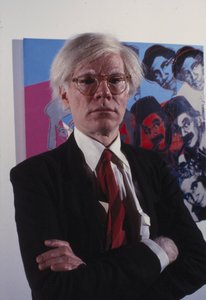
एंडी वारहोल
1928 - 1987 , संयुक्त राज्य अमेरिका
संक्षिप्त जानकारी
- Artistic Movement Or Style: पॉप कला
- Artists Or Movements Influenced By This Artist:
- समकालीन कला
- फैशन
- फिल्म
- संगीत
- Date Of Birth: 6 अगस्त 1928
- Date Of Death: 22 फरवरी 1987
- Full Name: एंडी वारहोल
- Nationality: अमेरिकी
- Notable Artworks:
- कैम्पबेल का सूप कैन
- मैरीलिन डिप्टिक
- चे ग्वेरा
- वेलवेट अंडरग्राउंड कवर
- Place Of Birth: पिट्सबर्ग, अमेरिका
संबंधित लेखों की सूची

10 Iconic Pop Art Masterpieces That Defined the Movement
Journey through the vibrant world of Pop Art. From Andy Warhol's bold icons to Roy Lichtenstein's comic style, explore the stories behind ten timeless masterpieces. Find museum-quality art reproductions and curated decor inspiration at AllPaintingsStore.com. Discover all masterpieces online.


