- होमपेज

- कैनवस पर प्रिंट हेतु
- बेनुवेनतो सेलिनि
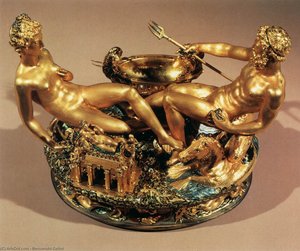
- Study for a seal

 पूर्वावलोकन देखें
 साझा करें
 साझा करें
 विस्तृत विवरण

 डाउनलोड करें
 समान कलाकृतियाँ
 एक्स-रे
 स्लाइड शो देखें
Study for a seal
 Acrylic On Canvas
- WallArt
- Renaissance Mannerism
 1560
1560 315.0 x 125.0 cm
 लौवर संग्रहालय
 पूरा देखें
गिक्ली / आर्ट प्रिंट
तेज़ उत्पादन और विभिन्न फिनिश विकल्पों के साथ म्यूजियम-क्वालिटी गिकली (giclée) या कैनवस प्रिंट। ( हाथ से बनी पेंटिंग पर स्विच करें इमेज पर बदलें)




P118B $10

P118H $10

P118W $10

P438Z $10

P508JH $12

P508YH $12

P805H $10

P805Z $10

P919BZ $10

P919G $10

P919XJ $10

P959ZH $10

P968JZ $12

W106C $8

W218G $10

W218JH $8

W218Y $10

W307PJ $10

W316G $10

W316PJ $8

W316Y $10

W398PJ $8

W4111J $10

W500HY $15

W500JH $15

W692G $12

W849H $8

W940BG $15

W953PJ $8




कलाकृति के मूल अनुपात से मेल खाने वाले हमारे पूर्व निर्धारित आकारों में से चुनें।

आप किसी विशिष्ट फ्रेम या स्थान के अनुसार अपने स्वयं के आयाम (dimensions) दर्ज कर सकते हैं। यदि आपके द्वारा चुना गया आकार मूल छवि के अनुपात से मेल नहीं खाता है, तो हम कलाकृति को क्रॉप कर देंगे या मिरर किए गए या सॉलिड-फिल किनारे के साथ छवि का विस्तार करेंगे। उत्पादन शुरू होने से पहले आपकी स्वीकृति के लिए एक डिजिटल मॉकअप भेजा जाएगा।
कृपया ध्यान दें कि स्क्रीन पर दिखने वाला प्रीव्यू वास्तविक क्रॉपिंग या विस्तार को नहीं दर्शाता है। केवल मॉकअप ही अंतिम संरचना को सटीक रूप से दिखाएगा।
हालाँकि कस्टम आकार उपलब्ध हैं, फिर भी हम मूल अनुपात बनाए रखने के लिए पूर्व-निर्धारित सूची में से एक आयाम चुनने की सलाह देते हैं।
विश्वव्यापी डिलीवरी (), मानक 4/5 सप्ताह के बजाय मात्र 2 सप्ताह में। (30 जुलाई)

दुनिया भर में मुफ़्त एक्सप्रेस शिपिंग

उच्च गुणवत्ता वाला लिनेन कैनवास

पूर्ण शिपिंग बीमा

सीमा शुल्क और आयात कर वापसी की गारंटी

सटीक रंग मिलान की गारंटी

60-दिन की वापसी नीति (केवल दोषों के लिए)

100% पैसे वापसी की गारंटी

थोक छूट का लाभ
 ग्लास का विकल्प केवल 110 सेमी से कम आकार में ही उपलब्ध है।

Study for a seal
गिक्ली / आर्ट प्रिंट
प्रतिकृति का आकार
-


कुल देय राशि
$ 64
संग्रहणीय वस्तु का विवरण
Benvenuto Cellini’s “Study for a Seal”: A Glimpse into Renaissance Genius
The world of 16th-century Florence pulsed with artistic fervor, a crucible where innovation and tradition intertwined to forge masterpieces that continue to captivate us centuries later. Among the giants of this era stands Benvenuto Cellini, not merely a goldsmith or sculptor, but a polymath—a writer, musician, soldier, and above all, an intensely self-aware artist who meticulously documented his life and work in his celebrated autobiography. Within this rich tapestry of creativity lies “Study for a Seal,” a remarkably intimate pen drawing executed around 1560 and currently residing within the hallowed halls of the Musée du Louvre. This seemingly modest piece offers a profound window into Cellini’s artistic process, revealing a meticulous mind grappling with form, symbolism, and the very essence of Renaissance aesthetics.
The drawing itself is deceptively simple: an angelic or mythological figure, rendered in delicate pen lines, stands poised upon what appears to be a stylized serpent. The creature possesses a distinctly human-like quality—a noble face, expressive eyes—yet simultaneously boasts features that transcend the purely mortal; notably, its feathered wings and the suggestion of divine attributes. This deliberate ambiguity is characteristic of Cellini’s work – he frequently blurred the boundaries between the earthly and the celestial, reflecting his own complex personality and a fascination with both the tangible beauty of craftsmanship and the intangible realm of spiritual significance. The background remains strikingly minimalist, composed of geometric shapes and lines that serve not as mere decoration but rather to frame and elevate the central figure, drawing our attention entirely to this enigmatic being.
A Master’s Process: Technique and Materials
Cellini's mastery is immediately evident in the execution of “Study for a Seal.” The work is executed entirely with pen and ink on paper, a medium that allowed him unparalleled control over line weight and detail. Observe how he employs hatching to create subtle gradations of tone, suggesting volume and texture without resorting to shading. The precision of his lines speaks volumes about his dedication to craft; each stroke is deliberate, imbued with the artist’s considered hand. The paper itself bears the marks of time – slight discoloration and warping—testaments to its age but also adding a layer of authenticity and historical resonance. It's not simply a drawing; it’s a tangible record of a creative journey, offering a rare glimpse into the mind of a master at work.
Symbolism and Context: The Seal of Florence
The “Study for a Seal” is inextricably linked to the burgeoning artistic and political landscape of Florence in the mid-16th century. In 1562, the Accademia del Disegno—the Florentine Academy of Drawing—was formally established, marking a pivotal moment in the development of Renaissance art theory and practice. The academy sought to establish standards for artistic training and patronage, and naturally required an official seal to authenticate its documents and represent its authority. Cellini, already a celebrated artist with connections to powerful figures like Francis I of France, was commissioned to design this emblem. The drawing itself is believed to be a preliminary study for the final seal, offering insights into Cellini’s initial conceptualization of the design.
The symbolism embedded within the image is rich and layered. The central figure, often interpreted as an angelic or mythological being, likely represents a deity or allegorical figure associated with wisdom, justice, or divine grace—themes frequently explored in Renaissance art. The serpent beneath suggests both temptation and transformation, reflecting the complex moral landscape of the era. The geometric background may allude to architectural principles, reinforcing the idea that art was not merely decorative but also served as a means of communicating profound philosophical and spiritual truths. It’s important to note that Cellini himself meticulously documented his artistic process in his autobiography, revealing a deep engagement with the intellectual currents of his time.
A Legacy of Craftsmanship: Reproduction Possibilities
“Study for a Seal” stands as a testament to Benvenuto Cellini's extraordinary talent and enduring legacy. Its intricate detail, evocative symbolism, and historical significance make it a truly remarkable work of art. For those seeking to experience the beauty and artistry of this masterpiece firsthand, high-quality reproductions are available through AllPaintingsStore.com. These meticulously crafted oil paintings capture the essence of Cellini’s original drawing, allowing you to bring a piece of Renaissance genius into your home or office. Consider this reproduction not merely as an image but as a portal—a connection to a world of artistic innovation and profound human expression.
संबद्ध कलाकृतियाँ


कलाकार का जीवन परिचय
बेनुवेनतो सेलिनि: पुनर्जागरण के बहुमुखी प्रतिभा संपन्न कलाकार
फ्लोरेंस, इटली में 1500 में जन्मे बेनुवेनतो सेलिनि पुनर्जागरण काल के एक असाधारण व्यक्तित्व थे। वे केवल एक कुशल सुनार नहीं थे, बल्कि एक मूर्तिकार, चित्रकार, सैनिक, संगीतकार और लेखक भी थे। उनकी बहुमुखी प्रतिभा और जीवंत व्यक्तित्व उनकी प्रसिद्ध आत्मकथा में खूबसूरती से चित्रित है, जिसे उनकी कलात्मक उपलब्धियों के साथ-साथ एक महत्वपूर्ण साहित्यिक कृति माना जाता है। सेलिनि उस युग की भावना का प्रतीक हैं, जो नाटकीयता और जटिल शैली की विशेषता रखते हैं। उनका जीवन रोमांचक घटनाओं, कलात्मक संघर्षों और असाधारण प्रतिभा का मिश्रण था।
प्रारंभिक जीवन और कलात्मक प्रशिक्षण
सेलिनि एक ऐसे परिवार में पैदा हुए थे जहाँ संगीत को महत्व दिया जाता था – उनके पिता एक संगीतकार और वाद्य यंत्र निर्माता थे। शुरू में, उन्होंने संगीत में रुचि दिखाई, लेकिन पंद्रह वर्ष की आयु में, उन्होंने सुनार बनने का दृढ़ निश्चय किया और अपने अनिच्छुक पिता को एंटोनियो डि सैंड्रो (जिसे मार्कोन के नाम से जाना जाता है) के यहाँ प्रशिक्षुता दिलाने के लिए मना लिया। यह उनकी औपचारिक कलात्मक प्रशिक्षण की शुरुआत थी। उनके शुरुआती वर्षों में कई उतार-चढ़ाव आए; सोलह वर्ष की आयु में, वे साथियों के साथ एक झगड़े में शामिल हो गए, जिसके परिणामस्वरूप उन्हें फ्लोरेंस से निष्कासित कर दिया गया और सिएना में सुनार फ्राकास्टोरो के अधीन काम करने का समय बिताया। इस दौरान उन्होंने कलात्मक कौशल विकसित किया और विभिन्न तकनीकों को सीखा।
प्रमुख कलात्मक रचनाएँ और शैली
सेलिनि की सबसे प्रसिद्ध रचनाओं में से एक ‘सॉल्ट सेलर’ है, जो फ्रांस के राजा फ्रांस्वा प्रथम द्वारा कमीशन किया गया था। यह विस्तृत चांदी का उत्कृष्ट नमूना जटिल विवरणों और गतिशील आकृतियों को दर्शाता है, जो अब वियना के कुन्स्टहिस्टोरिशेस संग्रहालय में रखा गया है। उनकी दूसरी महत्वपूर्ण रचना ‘परसियस मेडुसा के सिर के साथ’ एक कांस्य मूर्तिकार है, जिसमें परसियस को मेडुसा के कटे हुए सिर को गर्व से पकड़े हुए दिखाया गया है। यह कृति सेलिनि की रूप और नाटकीय संरचना में महारत का प्रमाण है। उन्होंने ‘लेडा एंड द स्वान’ नामक एक स्वर्ण पदक भी बनाया, जो गोनफालोनिएरे गैब्रिएलो सेसारिनो के लिए बनाया गया था, और यह उनकी शास्त्रीय पौराणिक कथाओं को उत्कृष्ट शिल्प कौशल के साथ मिलाने की क्षमता को दर्शाता है। ब्रिटिश संग्रहालय में उनके डिजाइन का एक चित्र ‘सील के लिए परियोजना’ भी मौजूद है।
कला से परे जीवन: सैनिक, संगीतकार और आत्मकथा लेखक
सेलिनि का जीवन कार्यशाला तक सीमित नहीं था। उन्होंने घेराबंदी के दौरान एक सैनिक के रूप में सेवा की, दावा किया कि उन्होंने रोमन सेना को शाही ताकतों से बचाने में महत्वपूर्ण भूमिका निभाई थी। वे एक कुशल संगीतकार भी थे, जो पापल दरबार में कॉर्नेट और बांसुरी बजाते थे। हालांकि, उनकी आत्मकथा ही उन्हें सबसे अलग बनाती है। ‘द लाइफ ऑफ बेनुवेनतो सेलिनि’ यह स्पष्ट और अक्सर अभिमानी वृत्तांत पुनर्जागरण कला, संस्कृति और समाज के बारे में अमूल्य अंतर्दृष्टि प्रदान करता है। यह संरक्षकों, प्रतिद्वंद्वियों और व्यक्तिगत रोमांचों की कहानियों से भरी एक आकर्षक कथा है, जो उस युग का एक अनूठा दृष्टिकोण प्रस्तुत करती है। उनकी आत्मकथा केवल घटनाओं का वर्णन नहीं है; यह एक सावधानीपूर्वक निर्मित आत्म-चित्र है जिसे उनकी प्रतिभा दिखाने और उनके कार्यों को सही ठहराने के लिए डिज़ाइन किया गया है। सेलिनि के पूर्वाग्रहों के कारण कभी-कभी अविश्वसनीय होने के बावजूद, यह पुनर्जागरण जीवन को समझने के लिए एक आवश्यक प्राथमिक स्रोत बना हुआ है।
विरासत और ऐतिहासिक महत्व
बेनुवेनतो सेलिनि का 1571 में फ्लोरेंस में निधन हो गया, उन्होंने पुनर्जागरण कला के सबसे महत्वपूर्ण कलाकारों में से एक के रूप में अपनी विरासत छोड़ दी। उनका तकनीकी कौशल, कलात्मक नवाचार और आकर्षक आत्मकथा आज भी कलाकारों और कला प्रेमियों को प्रेरित करती है। वे एक बहुमुखी प्रतिभा संपन्न व्यक्ति का प्रतीक हैं जो कई विषयों में कुशल थे, महत्वाकांक्षा से प्रेरित थे, और अपनी व्यक्तित्व व्यक्त करने से डरते नहीं थे। उनकी कृतियाँ सुंदरता, शिल्प कौशल और नाटकीय शक्ति के लिए मनाई जाती हैं, जिससे पश्चिमी कला इतिहास में उनका स्थान मजबूत होता है। सेलिनि ने पुनर्जागरण काल की आदर्शों को साकार किया – एक ऐसा व्यक्ति जो कला, विज्ञान और साहित्य सहित विभिन्न क्षेत्रों में उत्कृष्टता प्राप्त करता था, और अपनी रचनात्मकता से दुनिया को प्रभावित करने का प्रयास करता था।

बेनुवेनतो सेलिनि
1500 - 1571 , इटली
मुख्य तथ्य
- Artistic Movement Or Style: मैनरिज्म
- Artists Who Influenced This Artist: ['माइकल एंजेलो']
- Date Of Birth: 1 नवंबर 1500
- Date Of Death: 13 फरवरी 1571
- Full Name: बेनुवेनतो सेलिनि
- Nationality: इतालवी
- Notable Artworks (List Of Titles):
- पर्सेउस का सिर
- सेलिनि सॉल्ट सेलर
- Place Of Birth (City And Country): फ्लोरेंस, इटली
संबंधित लेख
मेट्रोपॉलिटन म्यूजियम ऑफ़ आर्ट की 25 उत्कृष्ट कृतियाँ: कला और इतिहास का संगम
न्यूयॉर्क के मेट्रोपॉलिटन म्यूजियम ऑफ़ आर्ट की 25 उत्कृष्ट कृतियों का अन्वेषण करें! वान गाग, मोनेट और रेम्ब्रांद्ट जैसे मशहूर कलाकारों की कहानियाँ जानें। घर के लिए कला प्रिंट और कैनवास पेंटिंग खोजें। AllPaintingsStore.com पर संपूर्ण संग्रह देखें।
शीर्ष 10 प्रारंभिक पुनर्जागरण कृतियाँ: कला और घर की सजावट में उत्कृष्ट कृति खोजें
प्रारंभिक पुनर्जागरण की 10 उत्कृष्ट कृतियाँ जानें! लियोनार्डो, माइकल एंजेलो और राफेल जैसे महान कलाकारों के अनमोल कार्यों का अन्वेषण करें। कला इतिहास, रंग और तकनीकों को समझें। AllPaintingsStore.com पर संग्रहालय-गुणवत्ता वाले प्रिंट खोजें!

सांद्रो बोत्तicelli की शीर्ष 25 उत्कृष्ट कृतियाँ: कला और सौंदर्य का अद्भुत संग्रह | AllPaintingsStore
सांद्रो बोत्तicelli की शीर्ष 25 कृतियों का अन्वेषण करें! पुनर्जागरण कला, वेनस का जन्म और Primavera जैसे क्लासिक चित्रों के पीछे की कहानियाँ जानें। AllPaintingsStore.com पर उच्च-गुणवत्ता वाले कला प्रिंट और घर की सजावट के विचार खोजें।
Renaissance Humanism's Greatest Art: 10 Masterpieces for Your Home
Explore 10 Renaissance Humanism masterpieces by Leonardo da Vinci, Michelangelo & Raphael. Discover the stories behind these iconic paintings & sculptures and bring timeless art into your home with museum-quality reproductions from AllPaintingsStore.com. Explore the full collection online!

Proto-Renaissance Masters: 10 Artworks That Changed History | AllPaintingsStore
Journey back to the dawn of Renaissance art! Explore 10 iconic Proto-Renaissance masterpieces by Giotto, Cimabue & Duccio. Discover their stories, techniques & lasting impact. Find museum-quality reproductions for your home at AllPaintingsStore.com