


 पूर्वावलोकन देखें
 साझा करें
 साझा करें
 विस्तृत विवरण
 मार्गदर्शिका

 डाउनलोड करें
 समान वस्तुएं
 एक्स-रे
 स्लाइड शो देखें
 प्रश्न और उत्तर
 आंकड़े
untitled (6056)


 पूरा देखें
गिक्ली / आर्ट प्रिंट
तेज़ उत्पादन और विभिन्न फिनिश विकल्पों के साथ म्यूजियम-क्वालिटी गिकली (giclée) या कैनवस प्रिंट। ( इस संग्रहणीय वस्तु की हाथ से बनी प्रतिकृति मंगवाएं डिजिटल इमेज पर स्विच करें)




P118B ₹10

P118H ₹10

P118W ₹10

P438Z ₹10

P508JH ₹12

P508YH ₹12

P805H ₹10

P805Z ₹10

P919BZ ₹10

P919G ₹10

P919XJ ₹10

P959ZH ₹10

P968JZ ₹12

W106C ₹8

W218G ₹10

W218JH ₹8

W218Y ₹10

W307PJ ₹10

W316G ₹10

W316PJ ₹8

W316Y ₹10

W398PJ ₹8

W4111J ₹10

W500HY ₹15

W500JH ₹15

W692G ₹12

W849H ₹8

W940BG ₹15

W953PJ ₹8




कलाकृति के मूल अनुपात से मेल खाने वाले हमारे पूर्व निर्धारित आकारों में से चुनें।

अपने फ्रेम या अपनी दीवार के अनुसार आवश्यक चौड़ाई और ऊंचाई दर्ज करें। प्रिंट को केवल काटा जा सकता है, चित्र से बड़ा कभी नहीं बनाया जा सकता, इसलिए अलग आकार का साइज चित्र का एक हिस्सा खो देता है। किसी भी चीज़ को प्रिंट करने से पहले हम आपकी स्वीकृति के लिए आपको एक डिजिटल मॉकअप भेजते हैं। इस पृष्ठ पर दिखाया गया चित्र वास्तविक कटिंग नहीं दिखाता है — केवल मॉकअप ही इसे दर्शाता है।
विश्वव्यापी डिलीवरी (), मानक 4/5 सप्ताह के बजाय मात्र 2 सप्ताह में। (8 नवमबर)

दुनिया भर में मुफ़्त एक्सप्रेस शिपिंग

उच्च गुणवत्ता वाला लिनेन कैनवास

पूर्ण शिपिंग बीमा

सीमा शुल्क और आयात कर वापसी की गारंटी

सटीक रंग मिलान की गारंटी

100 दिनों की वापसी नीति (केवल दोष होने पर)

100% पैसे वापसी की गारंटी

थोक छूट का अवसर
 ग्लास का विकल्प केवल 110 सेमी से कम आकार में ही उपलब्ध है।

untitled (6056)
गिक्ली / आर्ट प्रिंट
प्रतिकृति का आकार
-


कुल देय राशि
₹ 6294
A Masterpiece Illuminated: The Drama of Caravaggio’s Nativity
In the quiet intensity of Caravaggio’s Nativity, we encounter more than a mere biblical scene; we are pulled into an embodiment of Baroque drama, meticulously crafted to transcend the boundaries of time. Painted between 1607 and 1608 for the chapel of San Luigi dei Francesi in Rome, this monumental canvas serves as a visceral experience of faith and human emotion. The work is a profound study in contrasts, where the sacred meets the earthly through a revolutionary approach to light and shadow. As viewers, we are not merely observers of a distant event but participants in a moment frozen in time, caught in the tension between divine grace and the weight of human existence.
The painting’s most striking feature is its masterful use of tenebrism, Caravaggio's signature technique. This radical departure from Renaissance ideals employs stark, violent contrasts between light and darkness to create an illusionistic depth that seems to breathe within the canvas itself. A single, ethereal source of light—perhaps a window—bathes the central figures in a luminous glow, while the surrounding periphery is swallowed by impenetrable, velvety shadows. This dramatic illumination does more than provide aesthetic beauty; it acts as a spiritual guide, directing our gaze toward the heart of the scene: Mary, Joseph, and the infant Jesus. Through this manipulation of light, Caravaggio achieves what many have described as representing God’s presence illuminating the darkness.
Symbolism and the Human Condition
The composition of the Nativity is deliberately unsettling, eschewing the balanced, pyramidal structures of the previous era in favor of a horizontal arrangement that emphasizes both stability and vulnerability. The figures are positioned remarkably close to the viewer, fostering an intimate, almost uncomfortably personal connection between the depicted narrative and the observer. Within this tight-knit group, every element carries profound symbolic weight. The Virgin Mary is portrayed with a serene dignity, her upward gaze toward heaven signifying a deep sense of humility and devotion, while Joseph stands as a steadfast guardian, embodying paternal care.
Crucially, the infant Jesus lies upon simple straw, a poignant symbol of poverty and the humble circumstances of his birth—a deliberate antithesis to the opulent splendor of Rome during the Baroque period. The presence of swords flanking the scene adds a layer of somber foreshadowing, representing divine justice and the future martyrdom of Christ. This juxtaposition of tender care and impending sacrifice creates a palpable psychological depth. For the collector or the designer, this piece offers an unparalleled emotional resonance; it is a work that speaks to the universal themes of compassion, sacrifice, and the enduring power of spiritual contemplation, making it a timeless centerpiece for any sophisticated collection.
प्रश्न और उत्तर
कारावागियो के अन्य उपनाम या वैकल्पिक नाम क्या हैं?
कारावागियो को मिगेल एंजेलो मेरिसी दा कारावागियो, मिकेल एंजेलो मेरिगी, अमेरिघी दा कारावागियो जैसे अन्य नामों से भी जाना जाता है।
कारावागियो द्वारा "untitled (6056)" के कलर पैलेट का वर्णन किस प्रकार किया गया है?
कारावागियो द्वारा "untitled (6056)" में Earthy रंगों का उपयोग किया गया है। यह रंग योजना कृति के समग्र रंग चरित्र को संक्षेप में प्रस्तुत करती है।
"untitled (6056)" कारावागियो के कलात्मक विकास के किस चरण का प्रतिनिधित्व करता है?
"untitled (6056)" कारावागियो के Mature Period का प्रतिनिधित्व करता है।
समान कलाकृतियाँ


कलाकार की जीवनी
Michelangelo Merisi da Caravaggio: छाया और प्रकाश का एक जीवन
कारवागियो, जिनका असली नाम मिचेलांजेलो मेरिसी दा कारवागियो था, 1571 में मिलान में जन्मे, पश्चिमी कला के इतिहास में एक अद्वितीय स्थान रखते हैं। उनका जीवन संघर्षों से भरा रहा, लेकिन उनकी कला ने Baroque शैली को हमेशा के लिए बदल दिया। प्रारंभिक जीवन में ही उन्हें कई कठिनाइयों का सामना करना पड़ा; जब वह केवल छह वर्ष के थे, तो प्लेग ने उनके पिता और दादाजी की जान ले ली थी। गरीबी में पले-बढ़े कारवागियो ने मानव पीड़ा और लचीलापन को करीब से देखा, जो बाद में उनकी कला में गहराई से प्रतिबिंबित हुआ। उन्होंने मिलान में सिमोन पीटरजानो के अधीन प्रशिक्षण प्राप्त किया, जिन्होंने टिटियन के शिष्य थे। इस शिक्षा ने उन्हें पुनर्जागरण तकनीकों की बुनियादी समझ प्रदान की, लेकिन जल्द ही उन्होंने पारंपरिक मानदंडों को चुनौती देने का साहस दिखाया। 1592 के आसपास रोम पहुंचने पर, कारवागियो ने अपनी कलात्मक पहचान स्थापित करने के लिए संघर्ष किया, लेकिन शहर की जीवंत कलात्मक और धार्मिक ऊर्जा ने उन्हें प्रेरित किया।कलात्मक क्रांति: तकनीक और शैली
कारवागियो का रोम आगमन कला जगत में एक भूचाल जैसा साबित हुआ। उन्होंने प्रचलित Mannerist शैली को अस्वीकार कर दिया, जो कृत्रिम सुंदरता और लम्बे रूपों से चिह्नित थी, और इसके बजाय एक बेजोड़ यथार्थवाद अपनाया जिसने दर्शकों को चौंका दिया और मोहित कर लिया। उनकी सबसे महत्वपूर्ण नवाचारों में से एक chiaroscuro का उनका कुशल उपयोग था - प्रकाश और अंधेरे के बीच नाटकीय कंट्रास्ट, जिसे उन्होंने एक नई ऊंचाई पर पहुंचाया। इस तकनीक, जिसे अक्सर tenebrism कहा जाता है, केवल एक सौंदर्य संबंधी पसंद नहीं थी; यह भावनात्मक प्रभाव को तीव्र करने, दर्शकों को दृश्य के केंद्र में खींचने और उनके चित्रों में पात्रों को एक ठोस उपस्थिति प्रदान करने का एक साधन था। उन्होंने आदर्शित चित्रणों से परहेज किया, बल्कि रोम की सड़कों से खींचे गए साधारण लोगों को धार्मिक आंकड़ों के मॉडल के रूप में इस्तेमाल किया। इस क्रांतिकारी दृष्टिकोण ने सौंदर्य और पवित्रता की पारंपरिक धारणाओं को चुनौती दी, जिससे पवित्रता मानवीय और प्रासंगिक हो गई। उनके रचनाएँ अक्सर कठोर और सीधी होती थीं, जो तीव्र नाटक के महत्वपूर्ण क्षणों पर ध्यान केंद्रित करती थीं, चाहे वह "क्राइस्ट का अपहरण" की क्रूर यथार्थवाद हो या "सेंट फ्रांसिस ऑफ असिसी में एक्सेटेसी" में शांत चिंतन।प्रमुख कार्य और स्थायी प्रभाव
अपने अपेक्षाकृत कम करियर में, कारवागियो ने कला के कार्यों का एक संग्रह बनाया जो आज भी दर्शकों को प्रेरित करता है। “द फॉर्च्यून टेलर” (1594) जैसे शुरुआती कार्यों से उनकी वास्तविक विवरणों और मनोवैज्ञानिक बारीकियों को पकड़ने की क्षमता का पता चलता है। "सुपर एट एमाउस" (1601-1602), लंदन के नेशनल गैलरी में स्थित, chiaroscuro के उनके महारत और एक बाइबिल कथा के भीतर गहन भावनात्मक गहराई व्यक्त करने की क्षमता का उदाहरण है। “डेविड विद द हेड ऑफ गोलियथ” (c. 1610) विशेष रूप से भयावह है, जिसे अक्सर कारवागियो की अपनी अशांत मानसिक स्थिति को दर्शाने वाला आत्म-चित्रण माना जाता है। उनका प्रभाव इटली से परे फैल गया, जिससे कलाकारों की एक पीढ़ी प्रेरित हुई जिन्हें Caravaggisti या "शैडोइस्ट" के रूप में जाना जाता है, जिन्होंने पूरे यूरोप में उनकी शैली को अपनाया। उल्लेखनीय अनुयायियों में पीटर पॉल रूबेन्स, ज्यूसेपे डी रिबेरा और गेरिट वैन होनथोर्स्ट शामिल थे, जिनमें से प्रत्येक ने कारवागियो की तकनीकों को अपनी अनूठी कलात्मक दृष्टि के अनुरूप बनाया।एक अशांत अस्तित्व और चिरस्थायी विरासत
कारवागियो का जीवन उनकी कला जितना ही नाटकीय और अशांत था। एक अस्थिर स्वभाव और झगड़ों की प्रवृत्ति के कारण उन्हें अक्सर कानून के साथ परेशानी हुई, जो 1606 में हत्या के आरोप में परिणत हुई, जिसके कारण उन्हें रोम से भागना पड़ा। अगले चार वर्षों तक उन्होंने नेपल्स, माल्टा और सिसिली में घूमते हुए पेंटिंग जारी रखी, जबकि पोप से माफी पाने की सख्त कोशिश कर रहे थे। अपनी कोशिशों के बावजूद, वह एक भगोड़े बने रहे, अपने अतीत से परेशान और व्यक्तिगत संघर्षों से जूझते रहे। 1610 में पोर्टो एर्कोले, इटली में उनकी मृत्यु रहस्यमय परिस्थितियों में हुई - उनकी मृत्यु का कारण बहस का विषय बना हुआ है, जिसमें बुखार से लेकर जहर तक की अटकलें लगाई गई हैं। हालांकि उनका जीवन छोटा रहा, कारवागियो की कलात्मक विरासत उनकी क्रांतिकारी दृष्टि और यथार्थवाद के प्रति अटूट प्रतिबद्धता का प्रमाण बनी हुई है। उन्होंने अपने समय के मानदंडों को चुनौती दी, एक अधिक आधुनिक पेंटिंग दृष्टिकोण का मार्ग प्रशस्त किया और पश्चिमी कला के इतिहास पर एक अमिट छाप छोड़ी। उनके कार्य आज भी विस्मयकारी हैं और चिंतन को प्रेरित करते हैं, जो हमें मानव अनुभव के सबसे अंधेरे कोनों को रोशन करने की कला की शक्ति की याद दिलाते हैं।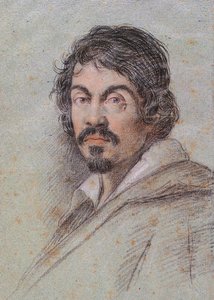
कारावागियो
1571 - 1610 , स्पेन
प्रमुख तथ्य
- Artistic Movement Or Style: बरोक्, तेनेब्रिज़्म
- Artists Or Movements Influenced By This Artist:
- रूबेंस
- रिबेरा
- कारावागिस्टी
- Artists Who Influenced This Artist:
- टिटियन
- लियोनार्डो दा विंची
- मिकेल एंजेलो
- Date Of Birth: 29 सितंबर, 1571
- Date Of Death: 18 जुलाई, 1610
- Full Name: माइकल एंजेलो मेरिसी दा कारावागियो
- Nationality: इतालवी
- Notable Artworks:
- द फॉर्च्यून टेलर
- सुपर एट एमाउस
- डेविड विथ गोलियथ
- सेंट फ्रांसिस इन एक्सटसी
- Place Of Birth: मिलान, स्पेन
संबंधित लेख

भारोपीय कला: शीर्ष 10 उत्कृष्ट कृतियाँ जो युग को परिभाषित करती हैं | AllPaintingsStore
भारोपीय कला की भव्यता का अनुभव करें! शीर्ष 10 उत्कृष्ट कृतियाँ जानें जिन्होंने इस युग को परिभाषित किया। रुबेन्स, रेम्ब्रांट और कारवागियो जैसे कलाकारों के अद्भुत कार्यों की खोज करें। AllPaintingsStore.com पर संग्रहालय-गुणवत्ता वाले कला प्रजनन और सजावट के विचार खोजें।

Baroque Painting's Greatest Hits: 10 Masterpieces for Your Home | AllPaintingsStore
Journey through Baroque painting's glory! Explore 10 masterpieces by Caravaggio, Rembrandt & Vermeer. Discover dramatic lighting, rich colors & timeless stories. Find museum-quality art reproductions for your home at AllPaintingsStore.com.

Drama and Light: A Definitive Guide to the Italian Baroque Masterpieces and the Revolution of Chiaroscuro
Explore the dramatic world of Italian Baroque art. Discover how masters like Caravaggio used chiaroscuro and tenebrism to revolutionize painting through light, shadow, and profound realism. A definitive guide for history lovers and art collectors.

The Visceral Stage: Exploring Dramatic Narratives & Emotional Intensity in Baroque Art
Explore the dramatic world of Baroque art! Discover iconic masters like Caravaggio & Rembrandt, their techniques, and the movement's lasting impact. Expert insights for collectors & enthusiasts at AllPaintingsStore.

Mastering Shadows: The Dramatic Power of Caravaggio’s Tenebrism and the Art of Chiaroscuro
Explore the profound mastery of Caravaggio's tenebrism. Discover how his dramatic use of chiaroscuro revolutionized Baroque art through intense emotion and realism. An expert guide for classic art enthusiasts seeking to understand the power of shadow in historical masterpieces.


