मनी-बैक गारंटी · 100 दिन दुनिया भर में मुफ्त डिलीवरी
449582कलाकृतियाँ 30618कलाकार 4705संग्रहालयों 32भाषाएँ
मुद्रा
    भाषा
      कलाशाला · स्थापना 2015 · पेरिस, फ्रांस
      AllPaintingsStore
      allpaintingsstore.com
      पूर्वावलोकन देखें AR में प्रीव्यू देखें प्रिंट विकल्प पर जाएँ डिजिटल इमेज पर जाएँ भेजें
      विवरण देखें मार्गदर्शिका पसंदीदा में जोड़ें डाउनलोड करें समान वस्तुएं एक्स-रे स्लाइड शो देखें आंकड़े

      Spring Landscape

      Experience Claude Monet's 'Spring Landscape' (1894)! A vibrant Impressionist masterpiece capturing springtime’s beauty with light, color & nature’s tranquility. Explore its artistic significance and historical context.

      क्लाउड मोनेट की दुनिया का अन्वेषण करें, जो 'वॉटर लिली' और 'हेस्टैक्स' जैसे प्रतिष्ठित परिदृश्यों के माध्यम से क्षणभंगुर प्रकाश और रंग को कैद करने के लिए प्रसिद्ध प्रभाववादी मास्टर थे।

      हस्तनिर्मित ऑयल रिप्रोडक्शन

      आपके आकार और फ्रेम के अनुसार कैनवास पर हाथ से बनी ऑयल पेंटिंग, हमारे कलाकारों द्वारा विशेष रूप से ऑर्डर पर तैयार। ( प्रिंट विकल्प पर जाएँ डिजिटल इमेज पर जाएँ)

      Corner sample of the P118B picture frame: moulded polystyrene, 5 cm wide and 3 cm thick
      P118B 10
      Corner sample of the P118H picture frame: moulded polystyrene, 5 cm wide and 3 cm thick
      P118H 10
      Corner sample of the P118W picture frame: moulded polystyrene, 5 cm wide and 3 cm thick
      P118W 10
      Corner sample of the P438Z picture frame: moulded polystyrene, 5.5 cm wide and 3.5 cm thick
      P438Z 10
      Corner sample of the P508JH picture frame: moulded polystyrene, 7 cm wide and 3.5 cm thick
      P508JH 12
      Corner sample of the P508YH picture frame: moulded polystyrene, 7 cm wide and 3.5 cm thick
      P508YH 12
      Corner sample of the P805H picture frame: moulded polystyrene, 5 cm wide and 3.5 cm thick
      P805H 10
      Corner sample of the P805Z picture frame: moulded polystyrene, 5 cm wide and 3.5 cm thick
      P805Z 10
      Corner sample of the P919BZ picture frame: moulded polystyrene, 7 cm wide and 3.5 cm thick
      P919BZ 10
      Corner sample of the P919G picture frame: moulded polystyrene, 7 cm wide and 3.5 cm thick
      P919G 10
      Corner sample of the P919XJ picture frame: moulded polystyrene, 7 cm wide and 3.5 cm thick
      P919XJ 10
      Corner sample of the P959ZH picture frame: moulded polystyrene, 5 cm wide and 3 cm thick
      P959ZH 10
      Corner sample of the P968JZ picture frame: moulded polystyrene, 6 cm wide and 4 cm thick
      P968JZ 12
      Corner sample of the W106C picture frame: solid wood, 5 cm wide and 3 cm thick
      W106C 8
      Corner sample of the W218G picture frame: solid wood, 5 cm wide and 3 cm thick
      W218G 10
      Corner sample of the W218JH picture frame: solid wood, 5 cm wide and 3 cm thick
      W218JH 8
      Corner sample of the W218Y picture frame: solid wood, 5 cm wide and 3 cm thick
      W218Y 10
      Corner sample of the W307PJ picture frame: solid wood, 6 cm wide and 3 cm thick
      W307PJ 10
      Corner sample of the W316G picture frame: solid wood, 6 cm wide and 3 cm thick
      W316G 10
      Corner sample of the W316PJ picture frame: solid wood, 6 cm wide and 3 cm thick
      W316PJ 8
      Corner sample of the W316Y picture frame: solid wood, 6 cm wide and 3 cm thick
      W316Y 10
      Corner sample of the W398PJ picture frame: solid wood, 5 cm wide and 3 cm thick
      W398PJ 8
      Corner sample of the W4111J picture frame: solid wood, 6.5 cm wide and 3.5 cm thick
      W4111J 10
      Corner sample of the W500HY picture frame: solid wood, 7 cm wide and 5 cm thick
      W500HY 15
      Corner sample of the W500JH picture frame: solid wood, 7 cm wide and 5 cm thick
      W500JH 15
      Corner sample of the W692G picture frame: solid wood, 8 cm wide and 4 cm thick
      W692G 12
      Corner sample of the W849H picture frame: solid wood, 5 cm wide and 3 cm thick
      W849H 8
      Corner sample of the W940BG picture frame: solid wood, 7.5 cm wide and 4.5 cm thick
      W940BG 15
      Corner sample of the W953PJ picture frame: solid wood, 6 cm wide and 3.5 cm thick
      W953PJ 8

      मानक आकार
      अनुकूलित
      CM
      INCH

      कलाकृति के मूल अनुपात से मेल खाने वाले हमारे पूर्व निर्धारित आकारों में से चुनें।

      चौड़ाई
      ऊँचाई

      आप किसी विशिष्ट फ्रेम या स्थान के अनुसार अपने स्वयं के आयाम (dimensions) दर्ज कर सकते हैं। यदि आपके द्वारा चुना गया आकार मूल छवि के अनुपात से मेल नहीं खाता है, तो हम कलाकृति को क्रॉप करेंगे या पेंटिंग में अतिरिक्त हाथ से चित्रित तत्व जोड़कर उसका विस्तार करेंगे। उत्पादन शुरू होने से पहले आपकी स्वीकृति के लिए एक डिजिटल मॉकअप भेजा जाएगा।
      कृपया ध्यान दें कि स्क्रीन पर दिखने वाला पूर्वावलोकन वास्तविक क्रॉपिंग या विस्तार को नहीं दर्शाता है। केवल मॉकअप ही अंतिम रचना को सटीक रूप से दिखाएगा।
      यद्यपि कस्टम आकार उपलब्ध हैं, फिर भी हम मूल अनुपात बनाए रखने के लिए पूर्व-निर्धारित सूची से आयाम चुनने की सलाह देते हैं।

      बदलाव के कुछ उदाहरण: चेहरे को ग्राहक की फोटो से बदलें; पालतू जानवर जोड़ें (जैसे बिल्ली की जगह कुत्ता); बैकग्राउंड में कोई छिपा हुआ संदेश शामिल करें; बैकग्राउंड का परिदृश्य या तत्व बदलें।
      ऑर्डर देने के बाद, AllPaintingsStore.com टीम निर्देशों के लिए क्लाइंट को ईमेल करेगी और एक मॉकअप प्रीव्यू प्रदान करेगी

      विश्वव्यापी वितरण () मानक 5 सप्ताह के बजाय मात्र 3/4 सप्ताह में। (10 अक्टूबर)। गुणवत्ता से कोई समझौता नहीं।

      दुनिया भर में मुफ़्त एक्सप्रेस शिपिंग
      प्रीमियम ग्रेड लिनेन कैनवास
      पूर्ण शिपिंग बीमा
      सीमा शुल्क और आयात कर वापसी की गारंटी
      सटीक रंग मिलान की गारंटी
      100 दिनों की वापसी नीति (केवल निर्माण दोष होने पर)
      100% पैसे वापसी की गारंटी
      थोक छूट का अवसर

      कुल कीमत

      ₹ 24647

      Spring Landscape

      प्रतिकृति की सामग्री

      प्रतिकृति का आकार

      -

      कुल मूल्य

      ₹ 24647

      मुख्य विवरण

      • Movement: Impressionism
      • Year: 1894
      • Artist: Claude Monet
      • Notable elements: Yellow flowers, trees
      • Medium: Oil on canvas
      • Subject or theme: Springtime beauty

      कला प्रश्नोत्तरी

      प्रत्येक प्रश्न का केवल एक ही सही उत्तर है।

      प्रश्न 1:
      What is the primary subject of Claude Monet’s ‘Spring Landscape’?
      प्रश्न 2:
      Which artistic movement is ‘Spring Landscape’ most closely associated with?
      प्रश्न 3:
      What technique is Monet primarily employing in ‘Spring Landscape’ to capture the essence of springtime?
      प्रश्न 4:
      The presence of yellow flowers in ‘Spring Landscape’ symbolizes:
      प्रश्न 5:
      In what year was Claude Monet's ‘Spring Landscape’ created?

      A Symphony in Light: Unveiling Claude Monet’s “Spring Landscape”

      Claude Monet's "Spring Landscape," painted in 1894, isn’t merely a depiction of a field; it’s an immersive experience—a fleeting moment captured and eternally preserved on canvas. This oil-on-canvas masterpiece, now available for exquisite reproduction through AllPaintingsStore.com, embodies the very essence of Monet's revolutionary approach to painting: to record not just what he *saw*, but what he *felt* about a scene, particularly the ephemeral qualities of light and atmosphere. The painting immediately draws the viewer into a serene world, dominated by the gentle curves of rolling fields and punctuated by the vibrant bursts of yellow wildflowers – a visual declaration of spring’s arrival. Three prominent trees stand as silent sentinels in the foreground, their branches reaching upwards towards a hazy sky, while a second tree recedes into the distance, creating an illusion of depth that is characteristic of Monet's masterful use of perspective. It’s a scene brimming with tranquility, yet subtly charged with the energy of renewal.

      The Impressionist Palette: Light as the Primary Subject

      Monet’s genius lay in his dedication to capturing the transient effects of light and color—a philosophy that firmly established him as a founder of Impressionism. “Spring Landscape” is a testament to this principle. He abandons traditional techniques of precise detail and dark shadows, instead employing loose, broken brushstrokes – short, vibrant dabs of paint applied directly to the canvas. This technique isn’t haphazard; it's meticulously calculated to mimic the way light refracts through the air, creating shimmering highlights and subtle gradations of color. Notice how the sunlight seems to dance across the field, illuminating individual blades of grass and casting delicate shadows beneath the trees. The colors themselves are not blended smoothly but juxtaposed—yellows next to greens, blues against browns—allowing the viewer’s eye to mix them optically, creating a richer, more dynamic visual experience. This deliberate avoidance of blending is what gives the painting its remarkable sense of movement and vitality.

      Historical Context: A Revolution in Seeing

      To fully appreciate “Spring Landscape,” it's crucial to understand the artistic landscape of the late 19th century. Monet’s work emerged during a period of profound change in Western art, challenging the established conventions of academic painting. The Renaissance emphasis on linear perspective and realistic representation was being questioned by artists who sought to capture the subjective experience of perception. Claude Monet, along with fellow Impressionists like Renoir and Pissarro, rejected the studio-bound approach favored by their predecessors, instead embracing *plein air* painting – working outdoors directly from nature. This shift in methodology reflected a broader cultural movement—a growing interest in science, psychology, and the natural world. The historical context of this period is vital to understanding Monet’s radical departure from traditional artistic norms.

      Symbolism and Emotional Resonance: A Celebration of Nature

      Beyond its technical brilliance, “Spring Landscape” resonates with a profound sense of emotional depth. The vibrant yellow flowers are not simply decorative elements; they symbolize the rebirth and renewal associated with springtime—a potent metaphor for hope, growth, and new beginnings. The trees themselves can be interpreted as symbols of strength and resilience, anchoring the scene while simultaneously allowing the eye to wander into the distance. Monet’s choice of subject matter – a simple landscape teeming with life – speaks to his deep appreciation for the beauty of the natural world. The painting evokes feelings of peace, serenity, and a quiet connection to something larger than oneself. It's an invitation to pause, breathe deeply, and simply *be* present in the moment—a sentiment that continues to resonate powerfully with viewers today.

      For a truly immersive experience, explore high-quality reproductions of “Spring Landscape” at AllPaintingsStore.com and discover how this iconic work can transform your space.

      प्रश्न और उत्तर

      "Spring Landscape" की Impressionism शैली के साथ कौन सा भावनात्मक स्वर जुड़ा है?

      Impressionism आंदोलन के भीतर, "Spring Landscape" को एक प्रशांत स्वर के साथ दर्ज किया गया है।

      क्लाउड मोनेट द्वारा "Spring Landscape" के निर्माण की तिथि क्या है?

      "Spring Landscape" का निर्माण 1894 में हुआ था। यह तिथि इस कृति को क्लाउड मोनेट के करियर और उस युग के संदर्भ में स्थापित करती है।

      क्लाउड मोनेट ने "Spring Landscape" किस उम्र में बनाया था?

      1894 में "Spring Landscape" की रचना करते समय क्लाउड मोनेट की आयु 54 वर्ष थी। यह आयु कलाकार के जन्म वर्ष, 1840, से गणना की गई है।

      क्या "Spring Landscape" कॉपीराइट मुक्त है?

      क्लाउड मोनेट द्वारा "Spring Landscape", सार्वजनिक डोमेन में - इसका कॉपीराइट समाप्त हो चुका है है। यह स्थिति इस बात को नियंत्रित करती है कि कलाकृति की छवि का पुनरुत्पादन कैसे किया जा सकता है।

      क्या "Spring Landscape" एक प्रसिद्ध Impressionism कलाकृति है?

      कैटलॉग में Impressionism कृतियों के बीच "Spring Landscape" को प्रतिष्ठित के रूप में दर्ज किया गया है।

      "Spring Landscape" के पीछे के कलाकार कौन हैं?

      "Spring Landscape" का श्रेय क्लाउड मोनेट को दिया जाता है।

      इसके रंगों को देखते हुए, "Spring Landscape" को कहाँ प्रदर्शित करने का सुझाव दिया जाता है?

      क्लाउड मोनेट द्वारा "Spring Landscape" के तटस्थ रंग रंग इसके अनुशंसित स्थान: एक लिविंग रूम के साथ मेल खाते हैं।


      कलाकार का परिचय

      प्रकाश में डूबा एक जीवन: क्लाउड मोनेट की दुनिया

      ऑस्कर-क्लाउड मोनेट, एक ऐसा नाम जो प्रभाववाद (Impressionism) का पर्याय है, केवल परिदृश्य चित्रकार नहीं थे; वे क्षणिक पलों के क्रोनिकलर थे, प्रकाश और रंग के कवि थे। 14 नवंबर, 1840 को पेरिस में जन्मे, उनके शुरुआती जीवन में एक अप्रत्याशित मोड़ तब आया जब पाँच वर्ष की आयु में उनका परिवार नॉरमंडी के ले Havre में बस गया। हालाँकि उनके पिता उन्हें एक वाणिज्यिक करियर के लिए तैयार कर रहे थे, लेकिन युवा क्लाउड की सहज कलात्मक प्रतिभा जल्द ही उभर कर सामने आई, जो पहले स्थानीय स्तर पर बेचे जाने वाले चारकोल कैरिकेचर के रूप में दिखाई दी – जो उनकी कुशलता और उद्यमशीलता दोनों का प्रमाण था। हालाँकि, यूजीन बौडीन के साथ उनका मिलन निर्णायक साबित हुआ। बौडीन ने मोनेट को केवल यह नहीं सिखाया कि *कैसे* पेंट करना है; उन्होंने उनके भीतर एन प्लेन एयर—सीधे प्रकृति से—पेंट करने का क्रांतिकारी विचार स्थापित किया – एक ऐसी प्रथा जो उनकी पूरी कलात्मक यात्रा को परिभाषित करने वाली थी।

      मोनेट का औपचारिक प्रशिक्षण पेरिस में शुरू हुआ, पहले अकादेमी सुइस (Académie Suisse) में और बाद में चार्ल्स ग्लीरे के मार्गदर्शन में। यहीं उन्होंने ऑगस्ट रेनोआ जैसे साथी कलाकारों के साथ स्थायी मित्रता की नींव रखी, एक ऐसा बंधन जो साझा कलात्मक संघर्षों और पारंपरिक अकादमिक पेंटिंग की सीमाओं से मुक्त होने की इच्छा पर आधारित था। उनके शुरुआती कार्यों में तकनीकी दक्षता तो थी, लेकिन उनमें उस विशिष्ट स्वर का अभाव था जो जल्द ही उनकी शैली की पहचान बनने वाला था। इसके बाद उथल-पुथल का एक दौर आया – फ्रेंको-प्रुशियन युद्ध के कारण मोनेट को लंदन में शरण लेनी पड़ी, जहाँ उन्होंने जे.एम.डब्ल्यू. टर्नर जैसे अंग्रेजी परिदृश्य दिग्गजों के कार्यों में खुद को डुबो दिया और उनके वायुमंडलीय प्रभावों एवं रंगों के अभिनव उपयोग को आत्मसात किया।

      एक सौंदर्यवादी क्रांति का जन्म

      फ्रांस लौटने पर, मोनेट एक उभरते हुए कलात्मक विद्रोह के केंद्र बिंदु बन गए। सैलून (Salon) के रूढ़िवादी मानकों से असंतुष्ट होकर, उन्होंने स्वतंत्र प्रदर्शनियाँ आयोजित करने के लिए अन्य समान विचारधारा वाले कलाकारों के साथ हाथ मिलाया। 1874 की प्रदर्शनी न केवल मोनेट के लिए बल्कि पूरी कला जगत के लिए एक ऐतिहासिक मोड़ साबित हुई। यहीं उनकी पेंटिंग “इंप्रशन, सोले लेवेंट” (Impression, Sunrise) प्रदर्शित की गई थी – जो भोर के समय ले Havre के बंदरगाह का एक धुंधला चित्रण था – और इसी से उपहासपूर्ण शब्द "प्रभाववाद" (Impressionism) की उत्पत्ति हुई। हालाँकि, यह नाम उनके साथ जुड़ गया और एक ऐसे आंदोलन के सम्मान के प्रतीक के रूप में विकसित हुआ जिसने किसी दृश्य के सटीक चित्रण के बजाय उसके व्यक्तिपरक *प्रभाव* को कैद करने का प्रयास किया।

      इस अवधि के दौरान मोनेट की विशिष्ट शैली पूरी तरह से निखर कर आई: ढीले, स्पष्ट ब्रशस्ट्रोक, जीवंत और अक्सर बिना मिले हुए रंग जिन्हें अगल-बगल लगाया जाता था (एक तकनीक जिसे “ब्रोकन कलर” कहा जाता है), और प्रकाश के क्षणभंगुर गुणों को पकड़ने पर अटूट ध्यान। उन्होंने अपनी एन प्लेन एयर पद्धति का अथक अभ्यास किया, बदलते परिवेश द्वारा दृश्य को बदलने से पहले अपनी तात्कालिक धारणाओं को दर्ज करने के लिए तेजी से काम किया। यह समर्पण केवल वह चित्रित करने के बारे में नहीं था जो उन्होंने *देखा*, बल्कि इसके प्रति उनकी *अनुभूति* के बारे में था – जो कलात्मक परंपराओं से एक क्रांतिकारी विचलन था।

      गिवर्नी: प्रकाश और प्रतिबिंब का स्वर्ग

      1883 में, मोनेट पेरिस के उत्तर-पश्चिम में गिवर्नी में बस गए, जहाँ उन्होंने एक ऐसा घर और बगीचा बनाया जो उनका आश्रय स्थल और प्रेरणा का सबसे बड़ा स्रोत बन गया। उन्होंने इस संपत्ति को बड़ी बारीकी से एक विस्तृत स्वर्ग में बदल दिया, जिसमें विदेशी फूल, विलो के पेड़ और सबसे प्रसिद्ध रूप से, एक जापानी पुल से सटा हुआ जल लिली का तालाब शामिल था। यह केवल एक सजावटी बगीचा नहीं था; यह एक जीवित प्रयोगशाला थी जहाँ मोनेट नियंत्रित परिस्थितियों में पानी, पत्तियों और प्रतिबिंबों पर प्रकाश के प्रभावों का अध्ययन कर सकते थे।

      उनके जीवन के अंतिम दशक लगभग पूरी तरह से गिवर्नी के जल लिली तालाब को चित्रित करने के प्रति समर्पित थे। उन्होंने विशाल 'वॉटर लिलीज' (Nymphéas) श्रृंखला की शुरुआत की, जिसमें ऐसे बड़े कैनवस बनाए जिन्होंने तालाब की सतह को रंग और प्रकाश के निरंतर बदलते हुए टेपेस्ट्री के रूप में दिखाया। ये केवल फूलों के चित्र नहीं थे; ये एक ऐसा गहन अनुभव थे, जिसे दर्शक को शांत सुंदरता और चिंतनशील स्थिरता की दुनिया में सराबोर करने के लिए बनाया गया था। इन कार्यों का पैमाना विस्मयकारी है, जो पारंपरिक पेंटिंग की सीमाओं को आगे बढ़ाता है और अमूर्त अभिव्यक्तिवाद (Abstract Expressionism) का पूर्वाभास देता है।

      विरासत: कला इतिहास पर एक स्थायी प्रभाव

      कला इतिहास पर क्लाउड मोनेट का प्रभाव अतुलनीय है। वे केवल प्रभाववाद के संस्थापक नहीं थे; उन्होंने मौलिक रूप से उस तरीके को बदल दिया जिससे कलाकार अपने आसपास की दुनिया को देखते और प्रस्तुत करते हैं। व्यक्तिपरक अनुभव पर उनके जोर, एन प्लेन एयर पेंटिंग के उनके प्रेम, और उनकी नवीन तकनीकों ने आधुनिक कला के अमूर्तता और गैर-प्रतिनिधित्ववादी रूपों की खोज का मार्ग प्रशस्त किया।

      मोनेट ने अपने जीवनकाल में काफी व्यावसायिक सफलता प्राप्त की – जो उनके युग के अग्रगामी कलाकारों के लिए दुर्लभ था। उनका कार्य आज भी दुनिया भर के दर्शकों को विस्मय से भर देता है, जिससे पश्चिमी कला में एक अत्यंत महत्वपूर्ण व्यक्तित्व के रूप में उनका स्थान सुदृढ़ होता है। 5 दिसंबर, 1926 को उनका निधन हो गया, लेकिन वे अपने पीछे एक ऐसी विरासत छोड़ गए जो कलाकारों और कला प्रेमियों की पीढ़ियों में गूंजती रहती है। उनकी उत्कृष्ट कृतियों का महत्वपूर्ण संग्रह पेरिस के प्रतिष्ठित संस्थानों जैसे म्यूज़ियम डी'ओर्से और म्यूज़ियम मार्मोटन मोनेट में सुरक्षित है, जो यह सुनिश्चित करता है कि उनका दृष्टिकोण दुनिया को आलोकित करना जारी रखे।

      प्रमुख कलात्मक तकनीकें

      • एन प्लेन एयर पेंटिंग: उनके विकास का केंद्र, जिसने प्रकाश और वातावरण के प्रत्यक्ष अवलोकन की अनुमति दी।
      • ब्रोकन कलर (Broken Color): ऑप्टिकल सम्मिश्रण के लिए शुद्ध रंगों के छोटे स्ट्रोक को अगल-बगल लगाना।
      • सीरीज पेंटिंग: अलग-अलग प्रकाश और मौसम की स्थितियों के तहत एक ही विषय का चित्रण करना – जो समय और प्रकाश की परिवर्तनकारी शक्ति को प्रदर्शित करता है।
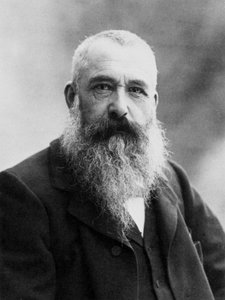
      क्लाउड मोनेट

      क्लाउड मोनेट

      1840 - 1926 , फ्रांस

      संक्षिप्त जानकारी

      • Artistic Movement Or Style: प्रभाववाद (इंप्रेशनिज्म)
      • Artists Or Movements Influenced By This Artist: ['आधुनिक कला']
      • Artists Who Influenced This Artist:
        • यूजीन बौडीन
        • जे.एम.डब्ल्यू. टर्नर
      • Date Of Birth: 14 नवंबर 1840
      • Date Of Death: 5 दिसंबर 1926
      • Full Name: ऑस्कर-क्लाउड मोनेट
      • Nationality: फ्रांसीसी
      • Notable Artworks:
        • इम्प्रेशन, सूर्योदय
        • जल लिली श्रृंखला
        • गहू के ढेर
        • रूएन कैथेड्रल
      • Place Of Birth: पेरिस, फ्रांस
      विषयों, शैलियों और विशेषताओं के आधार पर व्यवस्थित कलाकृतियों का अन्वेषण करें।