


 पूर्वावलोकन देखें
 साझा करें
 साझा करें
 विस्तृत विवरण
 मार्गदर्शिका

 डाउनलोड करें
 समान कलाकृतियाँ
 एक्स-रे
 स्लाइड शो देखें
 आंकड़े
St John the Evangelist at Patmos
 कैनवस पर तेल रंग
- वॉल आर्ट
- Baroque
 1618
1618 135.0 x 102.0 cm
 नेशनल गैलरी
 पूरा देखें
हाथ से बनी ऑयल रिप्रोडक्शन
आपके आकार और फ्रेम के अनुसार कैनवास पर हाथ से बनी ऑयल पेंटिंग, हमारे कलाकारों द्वारा विशेष रूप से ऑर्डर पर तैयार। ( प्रिंट पर स्विच करें डिजिटल इमेज पर स्विच करें)




P118B $10

P118H $10

P118W $10

P438Z $10

P508JH $12

P508YH $12

P805H $10

P805Z $10

P919BZ $10

P919G $10

P919XJ $10

P959ZH $10

P968JZ $12

W106C $8

W218G $10

W218JH $8

W218Y $10

W307PJ $10

W316G $10

W316PJ $8

W316Y $10

W398PJ $8

W4111J $10

W500HY $15

W500JH $15

W692G $12

W849H $8

W940BG $15

W953PJ $8




कलाकृति के मूल अनुपात से मेल खाने वाले हमारे पूर्व निर्धारित आकारों में से चुनें।

आप किसी विशिष्ट फ्रेम या स्थान के अनुसार अपने स्वयं के आयाम (dimensions) दर्ज कर सकते हैं। यदि आपके द्वारा चुना गया आकार मूल छवि के अनुपात से मेल नहीं खाता है, तो हम कलाकृति को क्रॉप करेंगे या पेंटिंग में अतिरिक्त हाथ से चित्रित तत्व जोड़कर उसका विस्तार करेंगे। उत्पादन शुरू होने से पहले आपकी स्वीकृति के लिए एक डिजिटल मॉकअप भेजा जाएगा।
कृपया ध्यान दें कि स्क्रीन पर दिखने वाला पूर्वावलोकन वास्तविक क्रॉपिंग या विस्तार को नहीं दर्शाता है। केवल मॉकअप ही अंतिम रचना को सटीक रूप से दिखाएगा।
यद्यपि कस्टम आकार उपलब्ध हैं, फिर भी हम मूल अनुपात बनाए रखने के लिए पूर्व-निर्धारित सूची से आयाम चुनने की सलाह देते हैं।
ऑर्डर देने के बाद, AllPaintingsStore.com टीम निर्देशों के लिए क्लाइंट को ईमेल करेगी और एक मॉकअप प्रीव्यू प्रदान करेगी
विश्वव्यापी वितरण () मानक 5 सप्ताह के बजाय मात्र 3/4 सप्ताह में। (21 सितमबर)। गुणवत्ता से कोई समझौता नहीं।

दुनिया भर में मुफ़्त एक्सप्रेस शिपिंग

उच्च गुणवत्ता वाला लिनेन कैनवास

पूर्ण शिपिंग बीमा

सीमा शुल्क और आयात कर वापसी की गारंटी

सटीक रंग मिलान की गारंटी

100-दिन की वापसी नीति (केवल दोषपूर्ण होने पर)

100% पैसे वापसी की गारंटी

थोक छूट का लाभ
 ग्लास का विकल्प केवल 110 सेमी से कम आकार में ही उपलब्ध है।

St John the Evangelist at Patmos
प्रतिकृति की विधि
प्रतिकृति का आकार
-


कुल देय राशि
$ 258
Diego Velázquez’s ‘St John the Evangelist at Patmos’: A Vision of Spiritual Intensity
Diego Velázquez's “St John the Evangelist at Patmos,” painted between 1618 and 1619, is more than just a portrait; it’s a profound meditation on faith, isolation, and divine inspiration. This captivating work, currently residing in the National Gallery in London, offers a rare glimpse into the soul of one of art history's most enigmatic figures – Velázquez himself – as he wrestled with the weighty subject of St. John’s exile and visionary experience. The painting immediately draws the viewer in with its dramatic chiaroscuro, a masterful manipulation of light and shadow that sculpts the saint’s form and imbues the scene with an almost palpable sense of drama and introspection.
The composition is strikingly intimate, placing St. John within a rugged, rocky landscape – a deliberate choice that grounds him in the earthly reality of Patmos while simultaneously directing his gaze heavenward. The uneven ground beneath him speaks to the arduousness of his exile, mirroring perhaps the internal struggle he must have faced during this period of solitude and revelation. Velázquez’s attention to detail is remarkable; from the meticulously rendered folds of John's garments to the subtle play of light on his face, every element contributes to a sense of realism that belies the painting’s spiritual depth.
A Study in Baroque Symbolism
The symbolism woven into “St John the Evangelist at Patmos” is rich and layered. The open book, undoubtedly referencing the Book of Revelation, becomes a focal point, suggesting the saint's role as interpreter of divine messages. Crucially, Velázquez includes an eagle perched above John’s head – a potent symbol directly associated with St. John the Evangelist, representing his prophetic role and soaring spiritual insights. The quill in his hand is not merely a writing tool but a conduit for transmitting these visions, emphasizing the importance of recorded testimony. Adding to this complex iconography is a meticulously rendered inkhorn, a subtle reminder of the painstaking process of documenting divine revelations – a testament to the value placed on accurate record-keeping within the religious context.
Interestingly, Velázquez’s work demonstrates a clear engagement with established artistic conventions of his time. He consciously references earlier gravures by artists like Jan Sadeler and Juan de Jáuregui, particularly in the overall scheme and the depiction of the dragon (a symbol of temptation and evil). The influence of Hieronymus Bosch's depictions of the Virgin Mary is also evident, though Velázquez skillfully adapts these motifs to his own unique style, imbuing them with a greater sense of naturalism. The inclusion of Durero’s gravure on the same theme further highlights this artistic lineage, demonstrating Velázquez’s deep understanding and skillful assimilation of existing visual language.
Velázquez's Early Masterpiece: A Reflection of the Era
“St John the Evangelist at Patmos” is a pivotal work in Velázquez’s early career, marking a significant shift from his earlier bodegones to more complex and emotionally resonant scenes. Painted during a period of intense religious fervor within Spain, it embodies the aesthetic sensibilities of the burgeoning Baroque movement – characterized by dramatic lighting, dynamic compositions, and a profound engagement with spiritual themes. The painting's emotional intensity, combined with Velázquez’s masterful technique, establishes him as one of the leading artists of his generation.
Beyond its immediate visual appeal, “St John the Evangelist at Patmos” offers a valuable insight into the artistic and intellectual landscape of 17th-century Spain. It reflects the Counter-Reformation’s emphasis on religious imagery and the desire to inspire piety through powerful depictions of biblical narratives. For those seeking to explore more of Velázquez's remarkable oeuvre, reproductions of “Kitchen Scene with the Supper in Emmaus” and “An Old Woman Cooking Eggs” offer compelling examples of his versatility and unparalleled ability to capture both the mundane and the sublime.
A Timeless Testament to Artistic Genius
Diego Velázquez’s “St John the Evangelist at Patmos” remains a profoundly moving work of art, captivating viewers with its dramatic intensity, intricate symbolism, and masterful technique. It stands as a testament to Velázquez's artistic genius – a fusion of spiritual aspiration and technical brilliance that continues to resonate centuries later. Whether admired for its historical significance or simply appreciated for its aesthetic beauty, this painting offers a unique window into the soul of one of art history’s greatest masters.
संबद्ध कलाकृतियाँ


कलाकार का जीवन परिचय
Diego Rodríguez de Silva y Velázquez: स्पेनिश कला के एक महान कलाकार का जीवन और कृतियाँ
Diego Rodríguez de Silva y Velázquez, जिन्हें आमतौर पर Velázquez के नाम से जाना जाता है, स्पेनिश कला के इतिहास में एक अद्वितीय स्थान रखते हैं। 1599 में सेविला में जन्मे, वे न केवल एक कुशल चित्रकार थे, बल्कि उन्होंने कलात्मक दृष्टिकोण में भी क्रांति ला दी। उनका जीवन स्पेन के स्वर्ण युग (Golden Age) के दौरान बीता, और उनकी कला शाही दरबार से गहराई से जुड़ी हुई थी। Velázquez ने साधारण दृश्यों को भी असाधारण बना दिया, जिससे वह अपनी पीढ़ी के सबसे महत्वपूर्ण कलाकारों में से एक बन गए। उन्होंने Francisco de Herrera el Viejo और Francisco Pacheco जैसे कलाकारों से शिक्षा प्राप्त की, लेकिन उनकी प्रतिभा और प्रकाश एवं छाया के प्रति संवेदनशीलता उन्हें दूसरों से अलग करती थी।शाही दरबार में Velázquez का उदय
1623 में, Velázquez ने सेविला को छोड़कर मैड्रिड चले गए, जहाँ उन्होंने राजा फिलिप IV के दरबार में जगह बनाई। यह एक महत्वपूर्ण मोड़ साबित हुआ, क्योंकि इससे उन्हें शाही परिवार और कुलीन वर्ग तक पहुंच मिली, जिससे वे उनकी जीवनशैली और व्यक्तित्वों को चित्रित कर सके। Velázquez ने अपने चित्रों में यथार्थवाद (realism) पर जोर दिया, जो उस समय के अन्य कलाकारों से अलग था। उन्होंने राजा फिलिप IV को एक शक्तिशाली शासक के रूप में नहीं, बल्कि एक इंसान के रूप में दिखाया - बुद्धिमान, चिंतनशील और जिम्मेदारियों से बोझिल। उनकी यह ईमानदारी और कलात्मक कौशल उन्हें राजा का विश्वास दिलाते गए, जिससे उन्हें अपनी कला में अधिक स्वतंत्रता मिली। उनके शुरुआती दरबार चित्रों में एक शैलीगत विकास देखा जा सकता है, जो पुरानी स्पेनिश चित्रकला की कठोर औपचारिकता से हटकर अधिक स्वाभाविक और मनोवैज्ञानिक दृष्टिकोण की ओर अग्रसर था। वेनिस के महान कलाकारों, जैसे कि Titian, के कार्यों का प्रभाव उनकी कला में स्पष्ट रूप से दिखाई देता है, खासकर उनके रंग पैलेट और ब्रशवर्क में।कलात्मक नवाचार: *Las Meninas* और उससे आगे
Velázquez ने 1650 के दशक में अपनी कलात्मक ऊंचाई पर पहुंच गए, जिसका समापन उनकी उत्कृष्ट कृति *Las Meninas* (1656) के निर्माण में हुआ। यह चित्र केवल एक पोर्ट्रेट नहीं है; बल्कि यह कला के बारे में एक जटिल चिंतन है। इसमें इंफंता मार्गरीटा टेरेसा को अपने नौकरों, बौनों और दरबार के अन्य सदस्यों के साथ दिखाया गया है, जबकि Velázquez स्वयं एक बड़े कैनवस के सामने खड़े हैं, मानो वे चित्रकारी करते हुए पकड़े गए हों। इस चित्र में राजा और रानी का प्रतिबिंब एक दर्पण में दिखाई देता है, जो देखने वाले और देखे जाने वाले के बीच की रेखाओं को धुंधला कर देता है, वास्तविकता और प्रतिनिधित्व के बीच भ्रम पैदा करता है। *Las Meninas* परिप्रेक्ष्य, रचना और मनोवैज्ञानिक अंतर्दृष्टि का एक उत्कृष्ट उदाहरण है, जो दर्शकों को देखने की अपनी भूमिका पर सवाल उठाने के लिए प्रेरित करता है। यह कला देखने, देखे जाने और कलात्मक सृजन की प्रकृति पर एक चिंतन है। इस अवधि के अन्य महत्वपूर्ण कार्यों में *The Surrender of Breda* शामिल है, जो स्पेनिश जीत का एक शक्तिशाली चित्रण है, जिसमें मानवीयता का भाव है, और *Dona Mariana of Austria* जैसे चित्र हैं, जो शाही गरिमा और आंतरिक भेद्यता दोनों को दर्शाते हैं। उनकी तकनीक लगातार विकसित हो रही थी, जो ढीले ब्रशवर्क, टोन के सूक्ष्म ग्रेडेशन और प्रकाश और वायुमंडल के प्रति असाधारण संवेदनशीलता द्वारा चिह्नित थी - यह एक ऐसा लक्षण था जिसने आने वाली पीढ़ियों के कलाकारों को गहराई से प्रभावित किया।विरासत और स्थायी प्रभाव
Diego Velázquez 1660 में मैड्रिड में निधन हो गए, लेकिन उनकी कलात्मक विरासत आज भी जीवित है। उन्होंने यथार्थवाद पर जोर दिया, प्रकाश और छाया का नवीन उपयोग किया, और मनोवैज्ञानिक गहराई प्रदान की, जिसने चित्रकला के क्षेत्र में नए मानक स्थापित किए। वे केवल दिखावट को रिकॉर्ड नहीं कर रहे थे; वे मानव अनुभव के सार को पकड़ रहे थे। 19वीं शताब्दी में, गुस्ताव Courbet जैसे फ्रांसीसी यथार्थवादी चित्रकारों ने Velázquez को एक आदर्श मॉडल के रूप में देखा, जो जीवन को आदर्शकरण के बिना चित्रित करने की उनकी प्रतिबद्धता का प्रमाण था। Édouard Manet, *Las Meninas* से गहराई से प्रभावित होकर, अपने स्वयं के कार्यों में Velázquez की रचना को सीधे संदर्भित किया, जिससे स्पेनिश मास्टर के दृष्टिकोण की स्थायी शक्ति का प्रदर्शन हुआ। 20वीं शताब्दी में, पाब्लो पिकासो और फ्रांसिस बेकन जैसे कलाकारों ने Velázquez के चित्रों के माध्यम से श्रद्धांजलि अर्पित की, उनकी निरंतर प्रासंगिकता को स्वीकार करते हुए। उदाहरण के लिए, पिकासो ने *Las Meninas* पर आधारित कई रूपांतरण बनाए, इसकी संरचनात्मक जटिलताओं और मनोवैज्ञानिक गहराई का पता लगाया। आज, Velázquez की उत्कृष्ट कृतियाँ दुनिया भर के संग्रहालयों में प्रदर्शित हैं, जिनमें मैड्रिड के Museo del Prado में सबसे प्रमुख संग्रह है, जहाँ आगंतुक प्रत्यक्ष रूप से इस असाधारण कलाकार की प्रतिभा का अनुभव कर सकते हैं। उनकी विरासत प्रेरणा और प्रशंसा को प्रेरित करती रहती है, जिससे वह महानतम कलाकारों में से एक के रूप में अपनी जगह बनाए रखते हैं - प्रकाश, छाया और मानव आत्मा के स्वामी।प्रमुख कृतियाँ और संग्रह
- *Las Meninas* (1656): Museo del Prado, Madrid
- *The Surrender of Breda* (1634-1635): Museo del Prado, Madrid
- *Venus at Her Mirror* (c. 1647–1651): Museo del Prado, Madrid
- *Dona Mariana of Austria, Queen of Spain* (1649): Museo del Prado, Madrid
- *Portrait of Pope Innocent X* (1650): Galleria Doria Pamphilj, Rome
- *Self-Portrait* (1643): Musée des Beaux-Arts, Valence
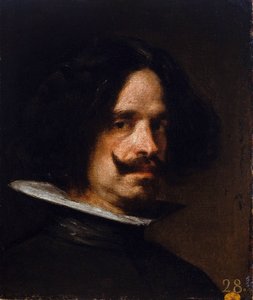
डिएगो वेलाज़क्वेज़
1599 - 1660 , स्पेन
मुख्य तथ्य
- कलात्मक शैली: बरोक, यथार्थवाद
- जन्म तिथि: 6 जून 1599
- जन्म स्थान: सेविले, स्पेन
- पूरा नाम: डिएगो रोड्रिगेज डी सिल्वा वाई वेलाज़क्वेज़
- प्रभावित आंदोलन:
- मैनेट
- पिकासो
- कुरबेट
- प्रभावित कलाकार: ['टिटियन']
- प्रमुख कलाकृतियाँ:
- लास मेनीनास
- ब्रेडा का आत्मसमर्पण
- अपने दर्पण में वीनस
- पोप इनोसेंट एक्स
- मृत्यु तिथि: 6 अगस्त 1660
- राष्ट्रीयता: स्पेनिश
संबंधित लेख

जॉन कॉन्स्टेबल की शीर्ष 25 कलाकृतियाँ: प्रकृति का सौंदर्य और भावनात्मक गहराई | AllPaintingsStore
जॉन कॉन्स्टेबल की शीर्ष 25 कलाकृतियों का अन्वेषण करें! ग्रामीण इंग्लैंड के रोमांटिक परिदृश्य, हे वेन और स्टूर नदी के सुंदर चित्रण। उच्च गुणवत्ता वाले कला प्रिंट और दीवार सजावट के लिए AllPaintingsStore.com पर संग्रह देखें।

The Dramatic Flourish: Exploring the Baroque Movement's Enduring Legacy in Art History
Explore the dramatic world of Baroque art! Discover iconic artists like Caravaggio & Rubens, defining techniques, and its lasting impact on art history. Expert insights for collectors & enthusiasts at AllPaintingsStore.

The Visceral Stage: Exploring Dramatic Narratives & Emotional Intensity in Baroque Art
Explore the dramatic world of Baroque art! Discover iconic masters like Caravaggio & Rembrandt, their techniques, and the movement's lasting impact. Expert insights for collectors & enthusiasts at AllPaintingsStore.

भारोपीय कला: शीर्ष 10 उत्कृष्ट कृतियाँ जो युग को परिभाषित करती हैं | AllPaintingsStore
भारोपीय कला की भव्यता का अनुभव करें! शीर्ष 10 उत्कृष्ट कृतियाँ जानें जिन्होंने इस युग को परिभाषित किया। रुबेन्स, रेम्ब्रांट और कारवागियो जैसे कलाकारों के अद्भुत कार्यों की खोज करें। AllPaintingsStore.com पर संग्रहालय-गुणवत्ता वाले कला प्रजनन और सजावट के विचार खोजें।
जॉन सिंगर सार्जेंट की शीर्ष 25 कलाकृतियाँ: सुंदरता और विलासिता का संग्रह | AllPaintingsStore
जॉन सिंगर सार्जेंट की शीर्ष 25 कलाकृतियों का अन्वेषण करें! पोर्ट्रेट, इम्प्रेशनिज्म और क्लासिक शैली में उत्कृष्ट कृतियाँ। घर के लिए विलासितापूर्ण कला प्रिंट और कैनवास पेंटिंग खरीदें। AllPaintingsStore.com पर संपूर्ण संग्रह देखें।


