पूर्वावलोकन देखें
 भेजें
भेजें साझा करें
 विवरण देखें
 मार्गदर्शिका

 डाउनलोड करें
 समान वस्तुएं
 एक्स-रे
 स्लाइड शो देखें
 आंकड़े
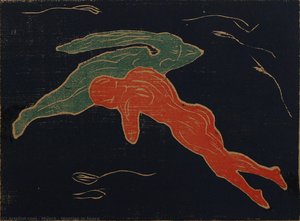
autoportrait


 और पढ़ें
गिक्ली / आर्ट प्रिंट
तेज़ उत्पादन और विभिन्न फिनिश विकल्पों के साथ म्यूजियम-क्वालिटी गिकली (giclée) या कैनवस प्रिंट। ( हाथ से बनी पेंटिंग खरीदें डिजिटल इमेज पर जाएँ)




P118B ₹10

P118H ₹10

P118W ₹10

P438Z ₹10

P508JH ₹12

P508YH ₹12

P805H ₹10

P805Z ₹10

P919BZ ₹10

P919G ₹10

P919XJ ₹10

P959ZH ₹10

P968JZ ₹12

W106C ₹8

W218G ₹10

W218JH ₹8

W218Y ₹10

W307PJ ₹10

W316G ₹10

W316PJ ₹8

W316Y ₹10

W398PJ ₹8

W4111J ₹10

W500HY ₹15

W500JH ₹15

W692G ₹12

W849H ₹8

W940BG ₹15

W953PJ ₹8




कलाकृति के मूल अनुपात से मेल खाने वाले हमारे पूर्व निर्धारित आकारों में से चुनें।

अपने फ्रेम या अपनी दीवार के अनुसार आवश्यक चौड़ाई और ऊंचाई दर्ज करें। प्रिंट को केवल काटा जा सकता है, चित्र से बड़ा कभी नहीं बनाया जा सकता, इसलिए अलग आकार का साइज चित्र का एक हिस्सा खो देता है। किसी भी चीज़ को प्रिंट करने से पहले हम आपकी स्वीकृति के लिए आपको एक डिजिटल मॉकअप भेजते हैं। इस पृष्ठ पर दिखाया गया चित्र वास्तविक कटिंग नहीं दिखाता है — केवल मॉकअप ही इसे दर्शाता है।
विश्वव्यापी डिलीवरी (), मानक 4/5 सप्ताह के बजाय मात्र 2 सप्ताह में। (24 अक्टूबर)

दुनिया भर में मुफ़्त एक्सप्रेस शिपिंग

प्रीमियम ग्रेड लिनेन कैनवास

पूर्ण शिपिंग बीमा

सीमा शुल्क और आयात कर वापसी की गारंटी

सटीक रंग मिलान की गारंटी

100 दिनों की वापसी नीति (केवल निर्माण दोष होने पर)

100% पैसे वापसी की गारंटी

थोक छूट का अवसर
 ग्लास का विकल्प केवल 110 सेमी से कम आकार में ही उपलब्ध है।

autoportrait
गिक्ली / आर्ट प्रिंट
प्रतिकृति का आकार
-


कुल मूल्य
₹ 6145
A Window into the Soul: Edvard Munch’s 1866 Self-Portrait
This intensely personal work, created in 1866, offers a compelling glimpse into the formative years of one of art history's most significant figures – *Edvard Munch*. Far from a simple likeness, this self-portrait is a raw and emotionally charged exploration of identity, vulnerability, and the burgeoning anxieties that would come to define his artistic vision.Style & Historical Context
Painted during a pivotal moment in art history, bridging Realism and the dawn of Modernism, the work showcases Munch’s early departure from academic conventions. While still rooted in representational form, it foreshadows the expressive power that would later solidify his place as a pioneer of *Expressionism* and *Symbolism*. The year 1866 places this piece within a period of significant social and intellectual upheaval – a time when artists were beginning to question traditional values and explore the inner landscape of human experience. Munch, deeply affected by personal tragedy from a young age, was particularly attuned to these themes.Technique & Composition
The painting is executed in oil on canvas, employing a technique characterized by loose brushwork and heavily applied *impasto*. This tactile quality lends the surface a dynamic energy, mirroring the emotional turbulence within the subject. The composition is strikingly intimate – a close-up of Munch’s head and upper torso that eliminates any distracting background elements. This tight cropping forces the viewer into an immediate and unsettling proximity with the artist himself. The dramatic lighting, casting deep shadows and highlighting key features, further intensifies this effect. There's a deliberate lack of precise detail; lines are blurred, forms are softened, prioritizing feeling over photographic accuracy.Symbolism & Emotional Impact
Beyond its technical aspects, the self-portrait is rich in symbolic meaning. The subject’s ambiguous expression – a blend of melancholy and introspection – invites contemplation on themes of isolation, inner turmoil, and existential questioning. The somber color palette—dominated by dark greens, browns, and grays—reinforces this mood of brooding intensity. It's not merely a depiction *of* sadness; it’s an embodiment *of* it. The intense gaze directly engages the viewer, creating a powerful connection that transcends time. Considering Munch’s biography – marked by loss, illness, and familial mental health struggles – this self-portrait can be interpreted as a visual manifestation of his inner world, a premonition of the psychological depths he would continue to explore throughout his career.For Collectors & Interior Designers
This work, or a high-quality reproduction thereof, offers a compelling statement piece for any collection. Its dark and evocative aesthetic lends itself well to interiors seeking a sense of drama and intellectual depth. Consider pairing it with minimalist furnishings and muted color schemes to allow the painting’s emotional power to take center stage. Its historical significance and artistic merit make it an investment that will continue to resonate for generations.- Style: Symbolism, Early Expressionism
- Medium: Oil on Canvas
- Date: 1866
- Artist: Edvard Munch (1863-1944)
प्रश्न और उत्तर
मुझे एडवर्ड मुंच द्वारा "autoportrait" के बारे में आंकड़े कहाँ मिल सकते हैं?
एडवर्ड मुंच द्वारा "autoportrait" के बारे में आँकड़े कलाकृति के आंकड़े पृष्ठ पर उपलब्ध हैं: कलाकृति की मासिक यात्राएँ, कलाकार की कृतियों की यात्राएँ, और हाल के आगंतुकों का देश और भाषा के आधार पर विवरण।
"autoportrait" में माध्यम और गति का संयोजन किस प्रकार हुआ है?
एडवर्ड मुंच द्वारा "autoportrait", Acrylic On Canvas तकनीक को Symbolism/Expressionism शैली के साथ जोड़ता है। तकनीक और आंदोलन कलाकृति के निर्माण और उसकी शैली का वर्णन करते हैं।
एडवर्ड मुंच द्वारा "autoportrait" किस कला आंदोलन का हिस्सा है?
एडवर्ड मुंच द्वारा "autoportrait" Symbolism/Expressionism आंदोलन से संबंधित है। यह आंदोलन इस कृति के शैलीगत संदर्भ को स्पष्ट करता है।
समान कलाकृतियाँ


कलाकार का परिचय
एडवर्ड मुंच: आधुनिक कला के एक tormented आत्मा
एडवर्ड मुंच, 1863 में नॉर्वे के अडेलसब्रुक में जन्मे, एक ऐसे कलाकार थे जिनकी रचनाएँ आधुनिक युग की चिंता और भावनात्मक उथल-पुथल का पर्याय बन गईं। उनका जीवन हानि और उदासी से चिह्नित था, जो उनकी कला के लिए प्रेरणा का स्रोत बना। बचपन में ही माँ और बहन दोनों को तपेदिक ने ले लिया, जिससे मुंच के मन में मृत्यु, बीमारी और मानव अस्तित्व की भंगुरता के प्रति एक गहरा जुनून पैदा हो गया। उनके पिता के सख्त धार्मिक विश्वासों और अपने मानसिक स्वास्थ्य के साथ संघर्ष ने भी उनके जीवन में भय की भावना पैदा की, जो उनकी कला में स्पष्ट रूप से दिखाई देती है। मुंच सिर्फ दृश्यों को चित्रित नहीं कर रहे थे; वे अपनी आंतरिक स्थिति को बाहरीकृत कर रहे थे, मनोवैज्ञानिक पीड़ा को दृश्य रूप में अनुवाद कर रहे थे। उन्होंने आत्मा की पेंटिंग करने का प्रयास किया - अपने भीतर के गहरे भावनात्मक अनुभवों को व्यक्त करना, न कि केवल बाहरी दुनिया का प्रतिनिधित्व करना।
कलात्मक विकास और प्रभाव
मुंच ने रॉयल स्कूल ऑफ आर्ट एंड डिजाइन में औपचारिक प्रशिक्षण प्राप्त किया, लेकिन हंस जगर के साथ उनकी मुलाकात ने वास्तव में उनकी रचनात्मकता को प्रज्वलित किया। जगर ने उन्हें पारंपरिक शैक्षणिक शैलियों को त्यागने और अपने स्वयं के व्यक्तिपरक अनुभव में गहराई से उतरने के लिए प्रोत्साहित किया। इस महत्वपूर्ण बदलाव ने मुंच की विशिष्ट शैली - कच्ची भावनाओं, विकृत रूपों और प्राकृतिक प्रतिनिधित्व के अस्वीकरण द्वारा चिह्नित - की शुरुआत की। 1890 के दशक में पेरिस की यात्राओं ने उन्हें पोस्ट-इंप्रेशनिस्ट आंदोलन के संपर्क में लाया, जहाँ उन्होंने पॉल गौगिन, विन्सेंट वैन गॉग और हेनरी डी टूलूज़-लॉट्रेक जैसे कलाकारों से प्रभावित थे। इन कलाकारों के रंग का बोल्ड उपयोग, अभिव्यंजक ब्रशस्ट्रोक और मनोवैज्ञानिक तीव्रता मुंच की कलात्मक प्रवृत्तियों के साथ गहराई से प्रतिध्वनित हुई। उन्होंने केवल उनकी तकनीकों की नकल नहीं की; उन्होंने उन्हें कुछ अनूठा - एक दृश्य भाषा में संश्लेषित किया जो सबसे गहन मानवीय भावनाओं को व्यक्त करने में सक्षम थी। बर्लिन में उनका समय भी महत्वपूर्ण साबित हुआ, जहाँ वे नाटककार अगस्ट स्ट्रिंडबर्ग के संपर्क में आए, जिनके मनोवैज्ञानिक विषयों की खोज ने मुंच की कलात्मक जांच को और बढ़ावा दिया। उन्होंने नॉर्वे के बोहेमियन जीवन से प्रेरणा ली, जो पारंपरिक मानदंडों को चुनौती देने और व्यक्तिगत अभिव्यक्ति को प्रोत्साहित करने पर केंद्रित था।
प्रमुख रचनाएँ: प्रतीकवाद और मानवीय पीड़ा
मुंच की रचनाओं में द Scream (1893) सबसे प्रतिष्ठित है, जो आधुनिक आध्यात्मिक संकट का एक सार्वभौमिक प्रतीक बन गया है। घूमता हुआ, आग जैसा परिदृश्य और आकृति का विकृत चेहरा ब्रह्मांड की उदासीनता के खिलाफ एक आदिम चीख को मूर्त रूप देता है। Madonna, एक विवादास्पद और व्यक्तिगत रचना, कामुकता, मातृत्व और मृत्यु जैसे विषयों का पता लगाती है। The Sick Child - उनकी बहन सोफी के नुकसान से प्रेरित - मुंच के बचपन के आघात और मृत्यु के निरंतर भूतकाल की मार्मिक याद दिलाते हैं। Melancholy I & II, गहन उदासी और अलगाव के शक्तिशाली चित्रण, एक भेद्यता को प्रकट करते हैं जो गहरी व्यक्तिगत होने के साथ-साथ सार्वभौमिक रूप से संबंधित भी है। ये रचनाएँ बाहरी वास्तविकता का प्रतिनिधित्व मात्र नहीं हैं; वे कलाकार की आत्मा में खिड़कियाँ हैं, जो दर्शकों को मानव मन की सबसे अंधेरी कोनों की झलक पेश करती हैं। मुंच ने सुंदर छवियां बनाने का प्रयास नहीं किया; उन्होंने सत्य व्यक्त करने की मांग की - भले ही वह सत्य दर्दनाक और परेशान करने वाला हो। उनकी कला अक्सर प्रतीकात्मक थी, जिसमें रंग और रूप भावनाओं और आंतरिक अनुभवों को व्यक्त करने के लिए उपयोग किए जाते थे, न कि केवल दृश्य वास्तविकता को चित्रित करने के लिए।
विरासत: आधुनिक कला पर प्रभाव
एडवर्ड मुंच का आधुनिक कला में योगदान अमूल्य है। वह अभिव्यक्तिवाद के विकास में एक महत्वपूर्ण व्यक्ति हैं, जो उन कलाकारों के मार्ग प्रशस्त करते हैं जिन्होंने वस्तुनिष्ठ प्रतिनिधित्व की तुलना में व्यक्तिपरक भावनाओं को प्राथमिकता दी। प्रेम, हानि, चिंता और मृत्यु जैसे सार्वभौमिक मानवीय अनुभवों की उनकी निर्भीकता आज भी दर्शकों से प्रतिध्वनित होती रहती है, जिससे वह कला इतिहास के सबसे प्रभावशाली और स्थायी शख्सियतों में से एक बन गए हैं। उनका काम जर्मन अभिव्यक्तिवाद सहित बाद की पीढ़ियों के कलाकारों को गहराई से प्रभावित करता रहा है। उन्होंने सौंदर्य की पारंपरिक धारणाओं को चुनौती देते हुए, मानव स्थिति के अंधेरे पहलुओं का सामना करने की हिम्मत की। अपनी प्रसिद्धि और मान्यता प्राप्त करने के बाद भी - ओस्लो में मुंच संग्रहालय की स्थापना के साथ - उनका व्यक्तिगत जीवन अशांत बना रहा, जो मानसिक अस्थिरता और अलगाव की अवधि से चिह्नित था। फिर भी, उन्होंने लगातार रचना करना जारी रखा, एक ऐसी कृति छोड़ दी जो दर्शकों को उत्तेजित, चुनौती देती है और प्रेरित करती रहती है। मुंच की विरासत केवल चित्रों के बारे में ही नहीं है; यह मानव अस्तित्व की जटिलताओं का सामना करने और उस अनुभव को कला में अनुवाद करने की हिम्मत के बारे में है जो हमारी आत्मा के सबसे गहरे हिस्सों से बात करता है।
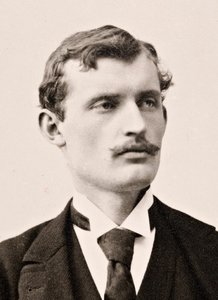
एडवर्ड मुंच
1863 - 1944 , स्वीडन
संक्षिप्त जानकारी
- कलात्मक शैली: अभिव्यक्तिवाद
- जन्म तिथि: 12 दिसंबर 1863
- जन्म स्थान: एडेल्सब्रुक, स्वीडन
- पूर्ण नाम: एडवर्ड मुंच
- प्रभावित आंदोलन: ['जर्मन अभिव्यक्तिवाद']
- प्रभावित कलाकार:
- पॉल गौगिन
- विन्सेंट वैन गॉग
- प्रमुख कलाकृतियाँ:
- द Scream
- मैडोना
- द Sick Child
- मृत्यु तिथि: 23 जनवरी 1944
- राष्ट्रीयता: नॉर्वेजियन
संबंधित लेखों की सूची

Verdant Visions: Exploring the Symbolism & Aesthetic Impact of Green in Art History
Explore the rich history & symbolism of green in art! Discover iconic paintings, techniques, and how to bring verdant harmony into your home with AllPaintingsStore's expert guide.

एडवर्ड मुंच की शीर्ष 25 कलाकृतियाँ: कहानी, कलाकार और दृश्य महत्व | AllPaintingsStore
एडवर्ड मुंच की शीर्ष 25 कलाकृतियों का अन्वेषण करें! अभिव्यक्तिवाद, 'द स्क्रीम' और नॉर्वेजियन कला के भावनात्मक संसार में खो जाएं। उच्च गुणवत्ता वाले कला पुनरुत्पादन और घर की सजावट के लिए प्रेरणा खोजें। AllPaintingsStore.com पर संपूर्ण संग्रह देखें।

अभिव्यक्तिवाद की उत्कृष्ट कृतियाँ: शीर्ष 10 कलाकृतियाँ जो परिभाषित करती हैं | AllPaintingsStore
अभिव्यक्तिवाद की दुनिया में कदम रखें! वैन गॉग, मुंच और अन्य महान कलाकारों की 10 उत्कृष्ट कृतियों का अन्वेषण करें। कला इतिहास जानें, प्रेरणा पाएं और AllPaintingsStore.com पर संग्रहालय-गुणवत्ता वाले प्रिंट खोजें।

Chrome Green Masterpieces: 10 Famous Paintings & Their Alluring Hues |
Explore 10 famous paintings where 'Chrome Green' reigns supreme! Discover Monet, Manet & Van Gogh’s masterpieces. Learn the stories behind these iconic artworks and find museum-quality art reproductions for your home at .

Edvard Munch: Anxiety, Modernity & the Dawn of Expressionism
Explore the profound world of Edvard Munch, pioneer of Expressionism. Discover the origins of 'The Scream' & his haunting depictions of anxiety, mortality, and love. Expert analysis & high-quality reproductions at AllPaintingsStore.


![एडवर्ड मंच (MUUNK; नॉर्वेजियन: [ˈɛ̀dvɑɖ ˈmʊŋk]; 12 दिसंबर 1863 – 23 जनवरी 1944) एक नॉर्वेजियन चित्रकार थे। उनकी 1893 की कृति द Scream सभी पश्चिमी कला में सबसे प्रतिष्ठित और प्रशंसित छवियों में से एक बन गई है।
उनका बचपन बीमारी, शोक और परिवार में मानसिक स्थ](/media/artworks/images-thumb/46/ed/46ed5db58c87c78f9ae151041e029596.jpg)