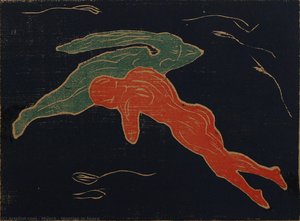
पूर्वावलोकन देखें
 भेजें
भेजें साझा करें
 विवरण देखें
 मार्गदर्शिका

 डाउनलोड करें
 समान वस्तुएं
 एक्स-रे
 स्लाइड शो देखें
 आंकड़े
Galloping horse
 Oil On Canvas
- WallArt
- Expressionism
 1912
1912- Modern
 148.0 x 120.0 cm
 और पढ़ें
गिक्ली / आर्ट प्रिंट
तेज़ उत्पादन और विभिन्न फिनिश विकल्पों के साथ म्यूजियम-क्वालिटी गिकली (giclée) या कैनवस प्रिंट। ( हाथ से बनी पेंटिंग खरीदें डिजिटल इमेज पर जाएँ)




P118B ₹10

P118H ₹10

P118W ₹10

P438Z ₹10

P508JH ₹12

P508YH ₹12

P805H ₹10

P805Z ₹10

P919BZ ₹10

P919G ₹10

P919XJ ₹10

P959ZH ₹10

P968JZ ₹12

W106C ₹8

W218G ₹10

W218JH ₹8

W218Y ₹10

W307PJ ₹10

W316G ₹10

W316PJ ₹8

W316Y ₹10

W398PJ ₹8

W4111J ₹10

W500HY ₹15

W500JH ₹15

W692G ₹12

W849H ₹8

W940BG ₹15

W953PJ ₹8




कलाकृति के मूल अनुपात से मेल खाने वाले हमारे पूर्व निर्धारित आकारों में से चुनें।

अपने फ्रेम या अपनी दीवार के अनुसार आवश्यक चौड़ाई और ऊंचाई दर्ज करें। प्रिंट को केवल काटा जा सकता है, चित्र से बड़ा कभी नहीं बनाया जा सकता, इसलिए अलग आकार का साइज चित्र का एक हिस्सा खो देता है। किसी भी चीज़ को प्रिंट करने से पहले हम आपकी स्वीकृति के लिए आपको एक डिजिटल मॉकअप भेजते हैं। इस पृष्ठ पर दिखाया गया चित्र वास्तविक कटिंग नहीं दिखाता है — केवल मॉकअप ही इसे दर्शाता है।
विश्वव्यापी डिलीवरी (), मानक 4/5 सप्ताह के बजाय मात्र 2 सप्ताह में। (25 अक्टूबर)

दुनिया भर में मुफ़्त एक्सप्रेस शिपिंग

प्रीमियम ग्रेड लिनेन कैनवास

पूर्ण शिपिंग बीमा

सीमा शुल्क और आयात कर वापसी की गारंटी

सटीक रंग मिलान की गारंटी

100 दिनों की वापसी नीति (केवल निर्माण दोष होने पर)

100% पैसे वापसी की गारंटी

थोक छूट का अवसर
 ग्लास का विकल्प केवल 110 सेमी से कम आकार में ही उपलब्ध है।

Galloping horse
गिक्ली / आर्ट प्रिंट
प्रतिकृति का आकार
-


कुल मूल्य
₹ 6139
A Tempestuous Vision: Decoding Munch’s “Galloping Horse”
This 1912 oil on canvas (148 x 120 cm) is far more than a depiction of equine power; it's a visceral distillation of movement, anxiety, and the raw energy that defined the dawn of the modern era. Rather than presenting a serene landscape, Munch delivers a dynamic scene – a horse galloping fiercely across a snow-covered terrain, observed by distant, shadowy figures. The painting isn’t simply *about* a horse; it's about the forces propelling it forward and what those forces might represent within the human psyche.Artistic Style & Technique: Expressionist Brushstrokes
Munch masterfully employs the tenets of Expressionism, prioritizing emotional impact over precise representation. Bold, visible brushstrokes dominate the canvas, eschewing realism for a heightened sense of feeling. The application of paint is often thick and impastoed – particularly in rendering the horse’s mane and coat – lending a tactile quality that emphasizes its powerful physicality. Color isn't used naturalistically; instead, it serves to heighten drama and amplify urgency. While echoing Impressionistic techniques in capturing fleeting moments and atmospheric effects, Munch pushes beyond observation into subjective experience. The deliberately unbalanced composition, placing the horse slightly off-center, further contributes to a feeling of unrestrained energy.Historical Context: An Era of Anxiety
Created in 1912, “Galloping Horse” reflects the anxieties simmering beneath the surface of European society. A period marked by rapid industrialization, social upheaval, and looming war, it was an era ripe for artistic exploration of inner turmoil. Munch, alongside contemporaries like Vincent van Gogh, Egon Schiele, and Ernst Ludwig Kirchner, rejected academic traditions in favor of expressing subjective emotional experiences – a defining characteristic of the Expressionist movement. This work isn’t merely a snapshot in time; it's a visceral response to the anxieties of modernity.Symbolism & Interpretation: Freedom or Foreboding?
The symbolism within this painting is rich and open to interpretation. The galloping horse can be seen as representing untamed freedom, primal energy, or even an attempt at escape from societal constraints. Its powerful stride suggests a desperate need for release. Conversely, the distant figures – bundled against the cold, seemingly oblivious to the horse’s frantic pace – could symbolize humanity's detachment and isolation in the face of overwhelming forces. The stark winter landscape further reinforces a sense of bleakness and vulnerability. Is this a celebration of liberation or a premonition of impending doom? Munch deliberately leaves the answer ambiguous, inviting viewers to project their own emotions onto the scene.Emotional Resonance: A Visceral Experience
“Galloping Horse” is not a painting one passively observes; it’s a work that demands an emotional response. The dynamic composition and expressive brushwork create a sense of immediacy, drawing the viewer into the horse's frantic energy. It evokes feelings of urgency, anxiety, and perhaps even exhilaration. This ability to tap into universal human emotions is what makes Munch such a compelling and enduring artist.Bringing the Vision Home
- For Art Lovers: Experience the power and emotional depth of Munch’s vision firsthand with a high-quality oil reproduction.
- For Collectors: A striking addition to any collection, embodying the spirit of Expressionism.
- For Interior Designers: Its dramatic composition and evocative color palette would serve as a captivating focal point in any interior, sparking conversation and inspiring contemplation. The painting’s energy lends itself well to modern or eclectic spaces.
प्रश्न और उत्तर
"Galloping horse" का वातावरण कैसा है?
एडवर्ड मुंच द्वारा "Galloping horse" के भाव को Dramatic के रूप में वर्णित किया गया है। यह वर्गीकरण कलाकृति को उपयुक्त परिवेश के साथ जोड़ने में मदद कर सकता है।
"Galloping horse" का निर्माण किसने और किस वर्ष में किया था?
"Galloping horse" का निर्माण एडवर्ड मुंच द्वारा 1912 में किया गया था।
एडवर्ड मुंच द्वारा "Galloping horse" का ओरिएंटेशन (orientation) क्या है?
एडवर्ड मुंच द्वारा "Galloping horse" एक Portrait रचना है। प्रिंट का आकार चुनने से पहले इसके अनुपात की जांच करना उचित होगा।
समान कलाकृतियाँ


कलाकार का परिचय
एडवर्ड मुंच: आधुनिक कला के एक tormented आत्मा
एडवर्ड मुंच, 1863 में नॉर्वे के अडेलसब्रुक में जन्मे, एक ऐसे कलाकार थे जिनकी रचनाएँ आधुनिक युग की चिंता और भावनात्मक उथल-पुथल का पर्याय बन गईं। उनका जीवन हानि और उदासी से चिह्नित था, जो उनकी कला के लिए प्रेरणा का स्रोत बना। बचपन में ही माँ और बहन दोनों को तपेदिक ने ले लिया, जिससे मुंच के मन में मृत्यु, बीमारी और मानव अस्तित्व की भंगुरता के प्रति एक गहरा जुनून पैदा हो गया। उनके पिता के सख्त धार्मिक विश्वासों और अपने मानसिक स्वास्थ्य के साथ संघर्ष ने भी उनके जीवन में भय की भावना पैदा की, जो उनकी कला में स्पष्ट रूप से दिखाई देती है। मुंच सिर्फ दृश्यों को चित्रित नहीं कर रहे थे; वे अपनी आंतरिक स्थिति को बाहरीकृत कर रहे थे, मनोवैज्ञानिक पीड़ा को दृश्य रूप में अनुवाद कर रहे थे। उन्होंने आत्मा की पेंटिंग करने का प्रयास किया - अपने भीतर के गहरे भावनात्मक अनुभवों को व्यक्त करना, न कि केवल बाहरी दुनिया का प्रतिनिधित्व करना।
कलात्मक विकास और प्रभाव
मुंच ने रॉयल स्कूल ऑफ आर्ट एंड डिजाइन में औपचारिक प्रशिक्षण प्राप्त किया, लेकिन हंस जगर के साथ उनकी मुलाकात ने वास्तव में उनकी रचनात्मकता को प्रज्वलित किया। जगर ने उन्हें पारंपरिक शैक्षणिक शैलियों को त्यागने और अपने स्वयं के व्यक्तिपरक अनुभव में गहराई से उतरने के लिए प्रोत्साहित किया। इस महत्वपूर्ण बदलाव ने मुंच की विशिष्ट शैली - कच्ची भावनाओं, विकृत रूपों और प्राकृतिक प्रतिनिधित्व के अस्वीकरण द्वारा चिह्नित - की शुरुआत की। 1890 के दशक में पेरिस की यात्राओं ने उन्हें पोस्ट-इंप्रेशनिस्ट आंदोलन के संपर्क में लाया, जहाँ उन्होंने पॉल गौगिन, विन्सेंट वैन गॉग और हेनरी डी टूलूज़-लॉट्रेक जैसे कलाकारों से प्रभावित थे। इन कलाकारों के रंग का बोल्ड उपयोग, अभिव्यंजक ब्रशस्ट्रोक और मनोवैज्ञानिक तीव्रता मुंच की कलात्मक प्रवृत्तियों के साथ गहराई से प्रतिध्वनित हुई। उन्होंने केवल उनकी तकनीकों की नकल नहीं की; उन्होंने उन्हें कुछ अनूठा - एक दृश्य भाषा में संश्लेषित किया जो सबसे गहन मानवीय भावनाओं को व्यक्त करने में सक्षम थी। बर्लिन में उनका समय भी महत्वपूर्ण साबित हुआ, जहाँ वे नाटककार अगस्ट स्ट्रिंडबर्ग के संपर्क में आए, जिनके मनोवैज्ञानिक विषयों की खोज ने मुंच की कलात्मक जांच को और बढ़ावा दिया। उन्होंने नॉर्वे के बोहेमियन जीवन से प्रेरणा ली, जो पारंपरिक मानदंडों को चुनौती देने और व्यक्तिगत अभिव्यक्ति को प्रोत्साहित करने पर केंद्रित था।
प्रमुख रचनाएँ: प्रतीकवाद और मानवीय पीड़ा
मुंच की रचनाओं में द Scream (1893) सबसे प्रतिष्ठित है, जो आधुनिक आध्यात्मिक संकट का एक सार्वभौमिक प्रतीक बन गया है। घूमता हुआ, आग जैसा परिदृश्य और आकृति का विकृत चेहरा ब्रह्मांड की उदासीनता के खिलाफ एक आदिम चीख को मूर्त रूप देता है। Madonna, एक विवादास्पद और व्यक्तिगत रचना, कामुकता, मातृत्व और मृत्यु जैसे विषयों का पता लगाती है। The Sick Child - उनकी बहन सोफी के नुकसान से प्रेरित - मुंच के बचपन के आघात और मृत्यु के निरंतर भूतकाल की मार्मिक याद दिलाते हैं। Melancholy I & II, गहन उदासी और अलगाव के शक्तिशाली चित्रण, एक भेद्यता को प्रकट करते हैं जो गहरी व्यक्तिगत होने के साथ-साथ सार्वभौमिक रूप से संबंधित भी है। ये रचनाएँ बाहरी वास्तविकता का प्रतिनिधित्व मात्र नहीं हैं; वे कलाकार की आत्मा में खिड़कियाँ हैं, जो दर्शकों को मानव मन की सबसे अंधेरी कोनों की झलक पेश करती हैं। मुंच ने सुंदर छवियां बनाने का प्रयास नहीं किया; उन्होंने सत्य व्यक्त करने की मांग की - भले ही वह सत्य दर्दनाक और परेशान करने वाला हो। उनकी कला अक्सर प्रतीकात्मक थी, जिसमें रंग और रूप भावनाओं और आंतरिक अनुभवों को व्यक्त करने के लिए उपयोग किए जाते थे, न कि केवल दृश्य वास्तविकता को चित्रित करने के लिए।
विरासत: आधुनिक कला पर प्रभाव
एडवर्ड मुंच का आधुनिक कला में योगदान अमूल्य है। वह अभिव्यक्तिवाद के विकास में एक महत्वपूर्ण व्यक्ति हैं, जो उन कलाकारों के मार्ग प्रशस्त करते हैं जिन्होंने वस्तुनिष्ठ प्रतिनिधित्व की तुलना में व्यक्तिपरक भावनाओं को प्राथमिकता दी। प्रेम, हानि, चिंता और मृत्यु जैसे सार्वभौमिक मानवीय अनुभवों की उनकी निर्भीकता आज भी दर्शकों से प्रतिध्वनित होती रहती है, जिससे वह कला इतिहास के सबसे प्रभावशाली और स्थायी शख्सियतों में से एक बन गए हैं। उनका काम जर्मन अभिव्यक्तिवाद सहित बाद की पीढ़ियों के कलाकारों को गहराई से प्रभावित करता रहा है। उन्होंने सौंदर्य की पारंपरिक धारणाओं को चुनौती देते हुए, मानव स्थिति के अंधेरे पहलुओं का सामना करने की हिम्मत की। अपनी प्रसिद्धि और मान्यता प्राप्त करने के बाद भी - ओस्लो में मुंच संग्रहालय की स्थापना के साथ - उनका व्यक्तिगत जीवन अशांत बना रहा, जो मानसिक अस्थिरता और अलगाव की अवधि से चिह्नित था। फिर भी, उन्होंने लगातार रचना करना जारी रखा, एक ऐसी कृति छोड़ दी जो दर्शकों को उत्तेजित, चुनौती देती है और प्रेरित करती रहती है। मुंच की विरासत केवल चित्रों के बारे में ही नहीं है; यह मानव अस्तित्व की जटिलताओं का सामना करने और उस अनुभव को कला में अनुवाद करने की हिम्मत के बारे में है जो हमारी आत्मा के सबसे गहरे हिस्सों से बात करता है।
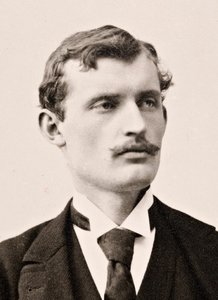
एडवर्ड मुंच
1863 - 1944 , स्वीडन
संक्षिप्त जानकारी
- कलात्मक शैली: अभिव्यक्तिवाद
- जन्म तिथि: 12 दिसंबर 1863
- जन्म स्थान: एडेल्सब्रुक, स्वीडन
- पूर्ण नाम: एडवर्ड मुंच
- प्रभावित आंदोलन: ['जर्मन अभिव्यक्तिवाद']
- प्रभावित कलाकार:
- पॉल गौगिन
- विन्सेंट वैन गॉग
- प्रमुख कलाकृतियाँ:
- द Scream
- मैडोना
- द Sick Child
- मृत्यु तिथि: 23 जनवरी 1944
- राष्ट्रीयता: नॉर्वेजियन
संबंधित लेखों की सूची

Edvard Munch: Anxiety, Modernity & the Dawn of Expressionism
Explore the profound world of Edvard Munch, pioneer of Expressionism. Discover the origins of 'The Scream' & his haunting depictions of anxiety, mortality, and love. Expert analysis & high-quality reproductions at AllPaintingsStore.

अभिव्यक्तिवाद की उत्कृष्ट कृतियाँ: शीर्ष 10 कलाकृतियाँ जो परिभाषित करती हैं | AllPaintingsStore
अभिव्यक्तिवाद की दुनिया में कदम रखें! वैन गॉग, मुंच और अन्य महान कलाकारों की 10 उत्कृष्ट कृतियों का अन्वेषण करें। कला इतिहास जानें, प्रेरणा पाएं और AllPaintingsStore.com पर संग्रहालय-गुणवत्ता वाले प्रिंट खोजें।

एडवर्ड मुंच की शीर्ष 25 कलाकृतियाँ: कहानी, कलाकार और दृश्य महत्व | AllPaintingsStore
एडवर्ड मुंच की शीर्ष 25 कलाकृतियों का अन्वेषण करें! अभिव्यक्तिवाद, 'द स्क्रीम' और नॉर्वेजियन कला के भावनात्मक संसार में खो जाएं। उच्च गुणवत्ता वाले कला पुनरुत्पादन और घर की सजावट के लिए प्रेरणा खोजें। AllPaintingsStore.com पर संपूर्ण संग्रह देखें।

The Raw Emotion of Expressionism: A Deep Dive into its History, Characteristics & Enduring Influence
Explore the raw emotion of Expressionism with AllPaintingsStore. Discover its history, key artists like Kirchner & Munch, and lasting influence on modern art. Expert insights for collectors & enthusiasts.

German Expressionism's 10 Defining Masterpieces | Art for Your Home
Explore 10 defining German Expressionism masterpieces – from Munch's 'The Scream' to Kandinsky’s abstracts. Discover the artists, stories & bold colors behind this powerful art movement. Find museum-quality reproductions at AllPaintingsStore.com.


![एडवर्ड मंच (MUUNK; नॉर्वेजियन: [ˈɛ̀dvɑɖ ˈmʊŋk]; 12 दिसंबर 1863 – 23 जनवरी 1944) एक नॉर्वेजियन चित्रकार थे। उनकी 1893 की कृति द Scream सभी पश्चिमी कला में सबसे प्रतिष्ठित और प्रशंसित छवियों में से एक बन गई है।
उनका बचपन बीमारी, शोक और परिवार में मानसिक स्थ](/media/artworks/images-thumb/46/ed/46ed5db58c87c78f9ae151041e029596.jpg)