


 पूर्वावलोकन देखें
 भेजें
भेजें साझा करें
 विवरण देखें
 मार्गदर्शिका

 डाउनलोड करें
 समान वस्तुएं
 एक्स-रे
 स्लाइड शो देखें
 आंकड़े
Dancing Couple
 Woodblock Print
- WallArt
- German Expressionism
 1933
1933- 19th Century
 51.0 x 36.0 cm
 और पढ़ें
हस्तनिर्मित ऑयल रिप्रोडक्शन
आपके आकार और फ्रेम के अनुसार कैनवास पर हाथ से बनी ऑयल पेंटिंग, हमारे कलाकारों द्वारा विशेष रूप से ऑर्डर पर तैयार। ( प्रिंट विकल्प पर जाएँ डिजिटल इमेज पर जाएँ)




P118B ₹10

P118H ₹10

P118W ₹10

P438Z ₹10

P508JH ₹12

P508YH ₹12

P805H ₹10

P805Z ₹10

P919BZ ₹10

P919G ₹10

P919XJ ₹10

P959ZH ₹10

P968JZ ₹12

W106C ₹8

W218G ₹10

W218JH ₹8

W218Y ₹10

W307PJ ₹10

W316G ₹10

W316PJ ₹8

W316Y ₹10

W398PJ ₹8

W4111J ₹10

W500HY ₹15

W500JH ₹15

W692G ₹12

W849H ₹8

W940BG ₹15

W953PJ ₹8




कलाकृति के मूल अनुपात से मेल खाने वाले हमारे पूर्व निर्धारित आकारों में से चुनें।

अपने फ्रेम या अपनी दीवार के अनुसार आवश्यक चौड़ाई और ऊंचाई दर्ज करें। यह हाथ से पेंट किया गया है, इसलिए अलग आकार के लिए कलाकार चित्र के चारों ओर थोड़ा अधिक पेंट कर सकता है, या थोड़ा काट सकता है — चुनाव आपका है। पेंटिंग शुरू होने से पहले हम आपकी स्वीकृति के लिए एक डिजिटल मॉकअप भेजते हैं। इस पृष्ठ पर दिखाई गई तस्वीर वास्तविक परिणाम नहीं दिखाती है — केवल मॉकअप ही वास्तविक रूप दिखाता है।
ऑर्डर देने के बाद, AllPaintingsStore.com टीम निर्देशों के लिए क्लाइंट को ईमेल करेगी और एक मॉकअप प्रीव्यू प्रदान करेगी
विश्वव्यापी वितरण () मानक 5 सप्ताह के बजाय मात्र 3/4 सप्ताह में। (25 अक्टूबर)। गुणवत्ता से कोई समझौता नहीं।

दुनिया भर में मुफ़्त एक्सप्रेस शिपिंग

प्रीमियम ग्रेड लिनेन कैनवास

पूर्ण शिपिंग बीमा

सीमा शुल्क और आयात कर वापसी की गारंटी

सटीक रंग मिलान की गारंटी

100 दिनों की वापसी नीति (केवल निर्माण दोष होने पर)

100% पैसे वापसी की गारंटी

थोक छूट का अवसर
 ग्लास का विकल्प केवल 110 सेमी से कम आकार में ही उपलब्ध है।

Dancing Couple
प्रतिकृति की सामग्री
प्रतिकृति का आकार
-


कुल मूल्य
₹ 27134
Dancing Couple – A Study in Expressionist Intensity
- Artist: Ernst Ludwig Kirchner (1880-1938)
- Date: 1933
- Size: 51 x 36 cm
Technique and Materials – The Language of Woodcut
- Medium: Woodcut Printmaking
- Materials: Cherry or Pearwood Block, Ink, Paper
Style and Symbolism – Echoes of Expressionism
- Style: German Expressionism
- Symbolic Elements: Raw Emotion, Connection, Potential Anxiety
Historical Context – A Nation in Transition
- Era: 1933 - Reflecting Weimar Republic Anxieties
- Artist's Biography: Kirchner’s life mirrored the turbulent times of his era, marked by personal struggles and a deep engagement with the social and political issues of his time. His early years were shaped by displacement and a growing disillusionment with academic art, themes that would become central to his artistic output.
प्रश्न और उत्तर
कला के इतिहास में एर्न्स्ट लूडविग किर्नर द्वारा "Dancing Couple" का क्या स्थान है?
एर्न्स्ट लूडविग किर्नर द्वारा "Dancing Couple" 19th Century काल के German Expressionism आंदोलन से संबंधित है। ये दोनों मिलकर इस कृति को कला इतिहास में अपना स्थान प्रदान करते हैं।
"Dancing Couple" में कौन सा रंग सबसे प्रमुखता से उभर कर आता है?
एर्न्स्ट लूडविग किर्नर द्वारा "Dancing Couple" का प्रमुख रंग Rosy Brown (#ada997) है।
एर्न्स्ट लूडविग किर्नर के करियर में "Dancing Couple" किस कालखंड का हिस्सा है?
"Dancing Couple" एर्न्स्ट लूडविग किर्नर के करियर के Mature Expressionism काल से संबंधित है। यह वर्गीकरण इस कृति को कलाकार के विकासक्रम से जोड़ता है।
समान कलाकृतियाँ


कलाकार का परिचय
अर्नस्ट लुडविग किर्chner: एक जीवन जो अभिव्यक्ति से गढ़ा गया
अर्नस्ट लुडविग किर्chner, एक ऐसा नाम जो जर्मन अभिव्यक्तिवाद की कच्ची भावनात्मक शक्ति का पर्याय है, एक ऐसे युग में पैदा हुए थे जो नाटकीय परिवर्तन के कगार पर था। 1880 में अस्चाफेनबर्ग, बावरिया में उनका आगमन एक जीवन की शुरुआत को चिह्नित करता था जो कलात्मक नवाचार और व्यक्तिगत उथल-पुथल से गहराई से जुड़ा हुआ था। उनके बचपन के बदलते परिदृश्य - उनके पिता के पेशे द्वारा निर्देशित - ने उनके भीतर विस्थापन की भावना पैदा कर दी, जो बाद में उनकी कला में समाहित हो गई। फ्रैंकफर्ट से पर्लेन तक, और अंततः चेम्निट्ज़ में बसने तक, युवा किर्chner तेजी से आधुनिक जर्मनी की बढ़ती चिंताओं को अवशोषित करते रहे। हालाँकि शुरू में ड्रेसडेन में Königliche Technische Hochschule में वास्तुकला की ओर निर्देशित किया गया था, लेकिन चित्रकला के प्रति आकर्षण, अल्ब्रेक्ट ड्यूरर जैसे मास्टर्स के लिए प्रशंसा और अकादमिक सम्मेलन के प्रति बढ़ती असंतोष से प्रेरित होकर, अंततः उनके मार्ग को परिभाषित किया। उन्होंने साथी विद्रोहियों - फ्रिट्ज़ ब्लेइल, कार्ल श्मिट-रोट्लुफ और एरिक हेकेल - के साथ रिश्तेदार पाया, बंधन जो 20वीं सदी की कला के पाठ्यक्रम को अपरिवर्तनीय रूप से बदल देंगे।ब्रिज का निर्माण: डिए ब्रुके और कलात्मक क्रांति
1905 में, किर्chner *डिए ब्रुके* ("द ब्रिज") नामक कलाकारों के एक समूह के संस्थापक सदस्यों में से एक बन गए, जो पारंपरिक सौंदर्यशास्त्र और अधिक विश्रामपूर्ण, भावनात्मक रूप से आवेशित अभिव्यक्ति के रूप की बीच के अंतर को पाटने के लिए समर्पित थे। यह केवल एक शैलीगत पसंद नहीं थी; यह एक दार्शनिक रुख था। समूह ने स्थापित कला जगत द्वारा अक्सर अनदेखी स्रोतों में प्रेरणा मांगी - अफ्रीका और ओशिनिया से आदिम कला, विन्सेंट वैन गॉग के बोल्ड रंग, और एडवर्ड मुंच की भूतिया मनोवैज्ञानिक गहराई। उन्होंने अकादमिक पेंटिंग द्वारा पसंद किए गए आदर्शित सौंदर्य निरूपण को अस्वीकार कर दिया, इसके बजाय विकृति, झटकेदार रंग पैलेट और अभिव्यंजक ब्रशवर्क को आधुनिक जीवन की चिंताओं और अलगाव को व्यक्त करने के लिए अपनाया। किर्chner के शुरुआती कार्य, इस सहयोगात्मक भावना से पैदा हुए, एक बेचैन ऊर्जा से स्पंदित होते थे, समूह की कलात्मक बाधाओं से मुक्त होने की साझा इच्छा को दर्शाते थे। स्टूडियो प्रयोग का एक भट्टी बन गया, एक ऐसी जगह जहाँ सामाजिक मानदंडों को कलात्मक सम्मेलनों के साथ चुनौती दी गई थी। मानव रूप की खोज, विशेष रूप से शहरी और प्राकृतिक दोनों सेटिंग्स में नग्न महिला, एक आवर्ती विषय बन गया, जिससे किर्chner को गति, भावना और आधुनिक अस्तित्व की जटिलताओं की जांच करने की अनुमति मिली।शहरी चिंताएं और बोल्ड विजन: एक शैली को परिभाषित करना
किर्chner की कलात्मक शैली तुरंत इसकी विशिष्ट विशेषताओं के लिए पहचानने योग्य है। उन्होंने रंग का उपयोग वफादार प्रतिनिधित्व के साधन के रूप में नहीं किया, बल्कि भावनात्मक प्रतिक्रियाओं को जगाने के लिए एक उपकरण के रूप में किया - जीवंत, अक्सर गैर-प्राकृतिक रंग जो उनके रचनाओं में बेचैनी या तीव्रता की भावना को बढ़ाते हैं। उनके ब्रशस्ट्रोक ऊर्जावान और दिखाई दे रहे थे, समग्र तात्कालिकता और कच्ची भावनाओं की भावना में योगदान करते थे। आंकड़े और वस्तुएं अक्सर विकृत या लम्बी होती थीं, जो व्यक्तिपरक वास्तविकता के बजाय एक विषयगत वास्तविकता को दर्शाती थीं। शायद सबसे शक्तिशाली रूप से, किर्chner ने शुरुआती 20वीं सदी के जर्मनी में आधुनिक शहरी जीवन के मनोवैज्ञानिक प्रभाव को कैद किया। *द स्ट्रीट* (1908) जैसी पेंटिंग केवल शहर के दृश्यों का चित्रण नहीं है; वे अलगाव के चित्र हैं, तेजी से बदलते दुनिया की भावनात्मक अलगाव और ऊर्जा को पकड़ते हैं। उन्होंने समाज की प्रगति के नीचे उबल रही चिंताओं को संबोधित करने में संकोच नहीं किया - अकेलापन, गुमनामी, अस्तित्व के शहरी पैमाने से अभिभूत होने की भावना। इस निर्भीक नज़र ने उन्हें अपने समय के एक क्रोनिकल के रूप में स्थापित किया, एक कलाकार जिसने साहसपूर्वक सामाजिक प्रगति के सतह के नीचे छिपी हुई चिंताओं का सामना किया।दुख और विरासत: एक स्थायी प्रभाव
किर्chner के जीवन को व्यक्तिगत संघर्षों से चिह्नित किया गया था। प्रथम विश्व युद्ध की भयावहता ने एक गंभीर मानसिक टूटने को ट्रिगर किया, जिससे उन्हें सांत्वना पाने के लिए स्विट्जरलैंड में वापस शरण लेनी पड़ी। हालाँकि, निर्वासन में भी, उन्होंने रचना करना जारी रखा, उनके काम में लगातार आघात और अलगाव को दर्शाया जो उन्होंने अनुभव किया था। नाजियों का उदय आगे की कठिनाई लेकर आया; उनके 600 से अधिक कार्यों को जब्त कर लिया गया और उन्हें "भ्रष्ट" कला के रूप में ब्रांडेड किया गया - एक विनाशकारी झटका जिसने सामाजिक जलवायु की आधुनिक कलात्मक अभिव्यक्ति के प्रति शत्रुता पर प्रकाश डाला। उत्पीड़न और घटते स्वास्थ्य का सामना करते हुए, किर्chner ने 1938 में स्विट्जरलैंड के दावोस में दुखद रूप से आत्महत्या कर ली। इस दिल दहला देने वाले अंत के बावजूद, अर्नस्ट लुडविग किर्chner की विरासत गहराई से प्रभावशाली बनी हुई है। वह जर्मन अभिव्यक्तिवाद के एक केंद्रीय व्यक्ति के रूप में खड़े हैं, अपनी बोल्ड शैली, आधुनिक जीवन के भावनात्मक रूप से प्रतिध्वनित चित्रण और कलात्मक सत्य के लिए अटूट प्रतिबद्धता के साथ पीढ़ियों के कलाकारों को प्रेरित करते हैं। उनके काम को दुनिया भर के प्रमुख संग्रहालयों में प्रदर्शित किया जाता रहता है, जो मानव स्थिति का सामना करने, चुनौती देने और अंततः प्रबुद्ध करने की कला की स्थायी शक्ति की एक शक्तिशाली याद दिलाते हैं।- प्रभावित: अल्ब्रेक्ट ड्यूरर, विन्सेंट वैन गॉग, एडवर्ड मुंच, आदिम कला (अफ्रीकी और ओशिनिया)
- प्रभावित: किर्chner के काम ने अभिव्यक्तिवादी और आधुनिक कलाकारों की पीढ़ियों को गहराई से प्रभावित किया। मनोवैज्ञानिक विषयों की उनकी खोज और रंग और रूप का अभिनव उपयोग समकालीन कला प्रथाओं को प्रेरित करता रहता है।
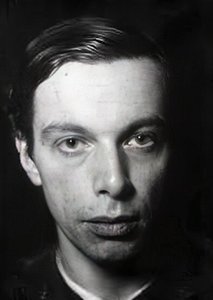
एर्न्स्ट लूडविग किर्नर
1880 - 1938 , जर्मनी
संक्षिप्त जानकारी
- कलात्मक शैली: अभिव्यक्तिवाद (एक्सप्रेशनिज्म)
- जन्म तिथि: 6 मई 1880
- जन्म स्थान: अशफेनबर्ग, जर्मनी
- पूरा नाम: एर्न्स्ट लूडविग किर्नर
- प्रभावित आंदोलन:
- अभिव्यक्तिवाद
- आधुनिक कलाकार
- प्रभावित कलाकार:
- अल्ब्रेक्ट ड्यूरर
- विन्सेंट वैन गॉग
- एडवर्ड मुंच
- प्रमुख कलाकृतियाँ:
- सड़क (1908)
- कूदती हुई नर्तकी (1912)
- आत्म-चित्र (1910)
- पांच महिलाएं (1913)
- मृत्यु तिथि: 15 जून 1938
- राष्ट्रीयता: जर्मन
संबंधित लेखों की सूची

Mastering the Woodcut: A Definitive Guide to the Art of Relief Printing and its Historical Legacy
Explore the profound history and technical mastery of woodcut relief printing. From ancient origins to German Expressionism, discover how artists use the subtractive process to create iconic works. A definitive guide for art students, collectors, and historians.

German Expressionism's 10 Defining Masterpieces | Art for Your Home
Explore 10 defining German Expressionism masterpieces – from Munch's 'The Scream' to Kandinsky’s abstracts. Discover the artists, stories & bold colors behind this powerful art movement. Find museum-quality reproductions at AllPaintingsStore.com.

The Vibrant World of Ernst Ludwig Kirchner: A Definitive Guide to German Expressionism
Explore the raw emotion of German Expressionism through a definitive guide to Ernst Ludwig Kirchner. Discover how his bold colors and distorted forms redefined modern art history, from Berlin street scenes to iconic masterpieces.

Ernst Ludwig Kirchner: Expressionism's Urban Anxiety & the Fragmentation of Modern Identity
Explore the powerful world of Ernst Ludwig Kirchner and German Expressionism. Discover his iconic paintings, Die Brücke group, and the movement's exploration of urban anxiety & modern identity. Expert analysis for collectors & enthusiasts.

Giclée Prints: Archival Quality & Aesthetic Nuances for the Discerning Collector
Explore the world of giclée prints with AllPaintingsStore. Learn about archival quality, aesthetic nuances & investment potential. Expert guidance for discerning art collectors seeking museum-quality reproductions and lasting value.


