


 पूर्वावलोकन देखें
 भेजें
भेजें साझा करें
 विवरण देखें
 मार्गदर्शिका

 डाउनलोड करें
 समान वस्तुएं
 एक्स-रे
 स्लाइड शो देखें
 Q&A
Q&A आंकड़े
Mechanical Elements


 और पढ़ें
गिक्ली / आर्ट प्रिंट
तेज़ उत्पादन और विभिन्न फिनिश विकल्पों के साथ म्यूजियम-क्वालिटी गिकली (giclée) या कैनवस प्रिंट। ( हाथ से बनी पेंटिंग खरीदें डिजिटल इमेज पर जाएँ)




P118B ₹10

P118H ₹10

P118W ₹10

P438Z ₹10

P508JH ₹12

P508YH ₹12

P805H ₹10

P805Z ₹10

P919BZ ₹10

P919G ₹10

P919XJ ₹10

P959ZH ₹10

P968JZ ₹12

W106C ₹8

W218G ₹10

W218JH ₹8

W218Y ₹10

W307PJ ₹10

W316G ₹10

W316PJ ₹8

W316Y ₹10

W398PJ ₹8

W4111J ₹10

W500HY ₹15

W500JH ₹15

W692G ₹12

W849H ₹8

W940BG ₹15

W953PJ ₹8




कलाकृति के मूल अनुपात से मेल खाने वाले हमारे पूर्व निर्धारित आकारों में से चुनें।

अपने फ्रेम या अपनी दीवार के अनुसार आवश्यक चौड़ाई और ऊंचाई दर्ज करें। प्रिंट को केवल काटा जा सकता है, चित्र से बड़ा कभी नहीं बनाया जा सकता, इसलिए अलग आकार का साइज चित्र का एक हिस्सा खो देता है। किसी भी चीज़ को प्रिंट करने से पहले हम आपकी स्वीकृति के लिए आपको एक डिजिटल मॉकअप भेजते हैं। इस पृष्ठ पर दिखाया गया चित्र वास्तविक कटिंग नहीं दिखाता है — केवल मॉकअप ही इसे दर्शाता है।
विश्वव्यापी डिलीवरी (), मानक 4/5 सप्ताह के बजाय मात्र 2 सप्ताह में। (29 अक्टूबर)

दुनिया भर में मुफ़्त एक्सप्रेस शिपिंग

प्रीमियम ग्रेड लिनेन कैनवास

पूर्ण शिपिंग बीमा

सीमा शुल्क और आयात कर वापसी की गारंटी

सटीक रंग मिलान की गारंटी

100 दिनों की वापसी नीति (केवल निर्माण दोष होने पर)

100% पैसे वापसी की गारंटी

थोक छूट का अवसर
 ग्लास का विकल्प केवल 110 सेमी से कम आकार में ही उपलब्ध है।

Mechanical Elements
गिक्ली / आर्ट प्रिंट
प्रतिकृति का आकार
-


कुल मूल्य
₹ 6148
Fernand Léger’s Mechanical Elements: A Vision of Modernity Captured in Geometric Form
Fernand Léger's "Mechanical Elements," painted in 1926, stands as an arresting testament to the burgeoning fascination with industrial progress and its influence on artistic expression during the interwar period. More than just a depiction of machinery—though undeniably prominent—the painting embodies Léger’s core belief that art could actively engage with the transformative forces reshaping human experience. This analysis delves into the artwork's stylistic nuances, technical considerations, historical significance, and enduring emotional resonance.Stylistic Roots: Cubism Revisited
Léger firmly established himself within the vanguard of Cubist thought, yet he deftly steered away from its purely analytical dissection of form. Instead, he embraced a synthesis that prioritized geometric abstraction while retaining an awareness of observable reality. Unlike Picasso’s fragmented portraits and sculptures—which sought to dismantle traditional representation—Légers approach was to reconstruct visual experience through simplified shapes—cylinders, cones, cubes—creating a dynamic interplay between solidity and emptiness. This stylistic choice reflects Léger's conviction that Cubism could serve as a springboard for exploring the new aesthetic sensibilities of the machine age. The painting’s palette is deliberately restrained, favoring shades of gray and white to convey the austere materiality of industrial components, punctuated by a bold yellow element—a deliberate counterpoint—that injects vibrancy into the composition.Technique: Flat Planes and Sharp Edges – A Deliberate Aesthetic
The execution of "Mechanical Elements" is characterized by meticulous attention to detail within a remarkably reductive visual language. Léger employed flat planes of color applied with thick brushstrokes, creating a textured surface that mimics the roughness of metal surfaces. The sharp edges defining each geometric form contribute to an overall sense of precision and dynamism—a stylistic hallmark of Tubism, which Léger championed as a natural progression from Cubism. This technique wasn’t merely about replicating visual appearances; it was about conveying a feeling of immediacy and capturing the energy inherent in industrial processes. Léger's masterful blending of color and texture underscores his ambition to transcend mere imitation and forge an entirely new artistic idiom.Historical Context: Embracing the Machine Age
Painted during the height of Léger’s “mechanical period,” "Mechanical Elements" captures the zeitgeist of a society grappling with unprecedented technological advancements. The aftermath of World War I had irrevocably altered perceptions of time, space, and human existence—themes that Léger powerfully addressed through his art. He envisioned a future where humanity would coexist harmoniously with machines, recognizing their potential to liberate individuals from drudgery while simultaneously presenting new challenges to artistic creativity. Léger’s work anticipates the stylistic innovations of Pop Art, demonstrating how abstraction could serve as a conduit for communicating complex ideas about modernity and its impact on human consciousness.Symbolism Beyond Representation
While eschewing literal depictions, Léger imbues "Mechanical Elements" with profound symbolic significance. The dominant cylindrical forms represent not just physical objects but also the pervasive influence of machinery—the relentless rhythm of industrial production—upon daily life. The yellow element symbolizes optimism and vitality—a deliberate assertion of human agency amidst the perceived bleakness of postwar anxieties. Léger’s intention wasn't to offer a didactic commentary on societal transformations; rather, he sought to evoke an emotional response—a sense of wonder and apprehension—regarding the unfolding drama of technological progress.Concluding Reflection: An Enduring Legacy
“Mechanical Elements” remains a captivating masterpiece because it embodies Léger’s unwavering conviction that art could engage with the complexities of its time without sacrificing aesthetic beauty. Its bold geometric forms, textured surface, and carefully considered palette continue to inspire artists and collectors alike—a testament to Léger's enduring legacy as one of the most influential figures in twentieth-century abstraction.प्रश्न और उत्तर
"Mechanical Elements" किस कलाकार की रचना है?
"Mechanical Elements" का श्रेय फर्मान लेजर को दिया जाता है।
फर्मान लेजर द्वारा "Mechanical Elements" की माध्यम (medium) और निर्माण तिथि क्या है?
फर्मान लेजर द्वारा "Mechanical Elements" की निर्माण तकनीक Acrylic On Canvas है, और यह कृति 1926 की है।
"Mechanical Elements" (1926), फर्मान लेजर के करियर के किस चरण से संबंधित है?
"Mechanical Elements", जिसका निर्माण 1926 में किया गया था, फर्मान लेजर के करियर के Mechanical Period काल का हिस्सा है।
समान कलाकृतियाँ


कलाकार का परिचय
फ़र्नांद लेजर: आधुनिकता के चित्रकार
फ़र्नांद लेजर, जिनका जन्म 1881 में अर्जेंटीना, नॉर्मंडी में हुआ था, आधुनिक कला के इतिहास में एक महत्वपूर्ण नाम हैं। उनकी यात्रा ग्रामीण इलाकों से लेकर पेरिस के अत्याधुनिक कला जगत तक फैली हुई है, जो दृढ़ संकल्प और मशीन युग की आत्मा को पकड़ने की अथक खोज का प्रमाण है। जहाँ कई समकालीन कलाकारों ने प्रतिनिधित्व से दूर जाने के लिए अमूर्तता को अपनाया, लेजर ने आधुनिकता – इसकी गतिशीलता, यांत्रिक रूपों और सार – को एक नई दृश्य भाषा में एकीकृत करने की कोशिश की जो शक्तिशाली रूप से अमूर्त होने के साथ-साथ देखने योग्य दुनिया में गहराई से निहित भी थी। कृषि श्रम के गहन शारीरिक अनुभव से लेकर औद्योगिक भविष्य के प्रति उनके जुनून तक, लेजर का जीवन कलात्मक परिवर्तन का एक आकर्षक चित्रण है। उन्होंने वास्तुकला में प्रशिक्षण शुरू किया, लेकिन जल्द ही चित्रकला की ओर आकर्षित हो गए, पेरिस में खुद को स्थापित करते हुए और अपने कौशल को निखारते हुए। पॉल सेज़ेन के काम से उनका सामना एक निर्णायक क्षण था, जिसने उन्हें पारंपरिक प्रतिनिधित्व से मुक्त कर दिया और उन्हें अधिक ज्यामितीय और संरचनात्मक दृष्टिकोण की ओर धकेला।ट्यूबिज़्म का जन्म और स्वर्ण खंड
सेज़ेन के प्रभाव ने लेजर को रूपों को विघटित करने, उनके अंतर्निहित ढांचे का विश्लेषण करने और उन्हें कैनवास पर फिर से बनाने के लिए प्रेरित किया, जिससे ठोसता और मात्रा पर जोर दिया गया। यह खोज उन्हें क्यूबिज्म की दुनिया में ले गई, लेकिन लेजर केवल पिकासो या ब्राक की शैलियों की नकल करने से संतुष्ट नहीं थे। उन्होंने अपना एक विशिष्ट मुहावरा विकसित किया – क्यूबिज्म का एक व्यक्तिगत रूप जिसे आलोचकों ने चंचल रूप से "ट्यूबिज़्म" करार दिया। बेलनाकार रूपों, सपाट प्लेन और बोल्ड रंग कंट्रास्ट द्वारा चिह्नित, ट्यूबिज़्म ने व्यापक कलात्मक चिंता बनने से पहले ही मशीन सौंदर्यशास्त्र का जश्न मनाया। यह औद्योगिक दुनिया को देखकर पैदा हुई एक कला थी, जो इसके कार्यात्मक आकृतियों और यांत्रिक लय में सुंदरता को पहचानती है। इस अवधि के दौरान, लेजर सक्रिय रूप से अत्याधुनिक दृश्य में भाग लेते थे, जीन मेटज़िंगर, हेनरी लाउरेन्सिस, जैक्स लिप्सिट्ज़, चाएम सूटीन, रॉबर्ट डेलाने और लेखकों गुस्तावो अपोलिनेयर, मैक्स जैकब, मॉरिस रेनाल और ब्लेज़ सेंडर्स जैसे कलाकारों के साथ जुड़ते थे। उन्होंने स्वर्ण खंड (गोल्डन सेक्शन) नामक पुटॉउ समूह में भी भाग लिया, जहाँ कलाकार सद्भाव और अनुपात की गणितीय सिद्धांतों का पता लगाते थे।युद्ध, यांत्रिकी और एक नई सौंदर्यशास्त्र
प्रथम विश्व युद्ध का लेजर के जीवन और कार्य पर गहरा प्रभाव पड़ा। 1914 से 1916 तक मोर्चे पर सेवा करने से उन्हें आधुनिक युद्ध की क्रूर वास्तविकताओं – तोपखाने की बमबारी, हवाई लड़ाई और मशीनीकृत संघर्ष के अमानवीय प्रभावों का पता चला। इस अनुभव ने मोहभंग या आधुनिकता के अस्वीकरण को जन्म नहीं दिया; इसके बजाय, इसने मशीनों और उनकी शक्ति में उनकी रुचि को मजबूत किया। उनके द्वारा बनाई गई स्केच सैन्य प्रौद्योगिकी की कठोर सुंदरता को दर्शाती हैं, विनाश के उपकरणों को कलात्मक चिंतन के विषयों में बदल देती हैं। नागरिक जीवन में लौटने पर, लेजर का सौंदर्यशास्त्र और विकसित हुआ। उनके चित्रों ने औद्योगिक दुनिया की गतिशीलता और दक्षता का जश्न मनाते हुए अधिक सुव्यवस्थित, यांत्रिक संवेदनशीलता को प्रतिबिंबित करना शुरू कर दिया। *सैनिक एक पाइप के साथ* (1916) इस बदलाव को दर्शाता है, सरलीकृत रूपों और बोल्ड रंगों को प्रदर्शित करता है जो यांत्रिक परिशुद्धता की भावना पैदा करते हैं। यह सिर्फ एक सौंदर्य पसंद नहीं थी; यह एक दार्शनिक बयान था – प्रगति और नवीनीकरण की आधुनिकता की क्षमता की पुष्टि, यहां तक कि विनाशकारी संघर्ष के बीच भी।विरासत और स्थायी प्रभाव
अपने युद्ध के बाद के वर्षों में, लेजर ने कला और उद्योग के चौराहे का पता लगाना जारी रखा, ऐसे काम बनाए जो अमूर्तता और चित्रात्मकता के अनूठे मिश्रण के साथ आधुनिक जीवन का जश्न मनाते थे। उनकी *एनिमेटेड लैंडस्केप्स* श्रृंखला (1921) ने आंकड़ों और जानवरों को सुव्यवस्थित रचनाओं में निर्बाध रूप से एकीकृत किया, कार्बनिक और अकार्बनिक रूपों के बीच की सीमाओं को धुंधला कर दिया। उन्होंने मूर्तिकला और फिल्म निर्माण के साथ भी प्रयोग किया, अपनी कलात्मक प्रथा को पारंपरिक पेंटिंग की सीमाओं से परे बढ़ाया। लेजर का बाद की पीढ़ियों के कलाकारों पर प्रभाव निर्विवाद है। उनके रूपों का बोल्ड सरलीकरण, औद्योगिक कल्पना को अपनाना और लोकप्रिय संस्कृति का जश्न मनाना पॉप आर्ट के उद्भव से पहले ही हुआ था। रॉय लाइचेनस्टीन और एंडी वारहोल जैसे कलाकारों ने स्पष्ट रूप से लेजर के अग्रणी कार्य के प्रति ऋण व्यक्त किया है। उन्होंने अमूर्त कला और चित्रात्मक प्रतिनिधित्व के बीच की खाई को पाटने में महत्वपूर्ण भूमिका निभाई, यह प्रदर्शित करते हुए कि बौद्धिक रूप से कठोर और नेत्रहीन आकर्षक दोनों तरह के काम बनाना संभव है। आज, फ़र्नांद लेजर के चित्रों को दुनिया भर के प्रमुख संग्रहालयों में रखा गया है, जिसमें फ्रांस के म्यूज़ डी आर्ट एट डी'हिस्टोइर और विशेष रूप से उनके कार्य को समर्पित म्यूज़ नेशनल फ़र्नांद लेजर शामिल हैं। वह 20वीं सदी की कला के एक महान व्यक्ति बने हुए हैं – एक दूरदर्शी जिसने विनाशकारी संघर्ष के बीच भी मशीन युग में सुंदरता खोजने का साहस किया और इसे अद्वितीय बोल्डनेस और मौलिकता के साथ कैनवास पर अनुवादित किया। उनकी विरासत केवल एक चित्रकार के रूप में ही नहीं, बल्कि आधुनिकता के एक भविष्यवक्ता के रूप में है। एक सच्चा अग्रणी जिसका काम आज भी दर्शकों को प्रेरित करता रहता है।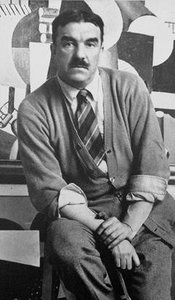
फर्मान लेजर
1881 - 1955 , फ्रांस
संक्षिप्त जानकारी
- Artistic Movement Or Style: घनवाद, ट्यूबिज्म
- Artists Or Movements Influenced By This Artist: ['पॉप आर्ट']
- Artists Who Influenced This Artist: ['पॉल सेज़ान']
- Date Of Birth: 4 फ़रवरी 1881
- Date Of Death: 17 अगस्त 1955
- Full Name: फ़र्नांद लेजर
- Nationality: फ्रांसीसी
- Notable Artworks:
- द सitted वुमन
- मशीन एलिमेंट
- द ग्रेट परेड
- द सिटी
- Place Of Birth: अर्जेंटन, फ़्रांस


