


 पूर्वावलोकन देखें
 भेजें
भेजें साझा करें
 विवरण देखें
 मार्गदर्शिका

 डाउनलोड करें
 समान वस्तुएं
 एक्स-रे
 स्लाइड शो देखें
 आंकड़े
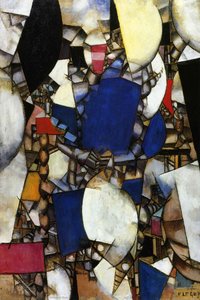
Stalingrad
 Acrylic On Canvas
- WallArt
- Cubist
 32.0 x 50.0 cm
 और पढ़ें
हस्तनिर्मित ऑयल रिप्रोडक्शन
आपके आकार और फ्रेम के अनुसार कैनवास पर हाथ से बनी ऑयल पेंटिंग, हमारे कलाकारों द्वारा विशेष रूप से ऑर्डर पर तैयार। ( प्रिंट विकल्प पर जाएँ डिजिटल इमेज पर जाएँ)




P118B ₹10

P118H ₹10

P118W ₹10

P438Z ₹10

P508JH ₹12

P508YH ₹12

P805H ₹10

P805Z ₹10

P919BZ ₹10

P919G ₹10

P919XJ ₹10

P959ZH ₹10

P968JZ ₹12

W106C ₹8

W218G ₹10

W218JH ₹8

W218Y ₹10

W307PJ ₹10

W316G ₹10

W316PJ ₹8

W316Y ₹10

W398PJ ₹8

W4111J ₹10

W500HY ₹15

W500JH ₹15

W692G ₹12

W849H ₹8

W940BG ₹15

W953PJ ₹8




कलाकृति के मूल अनुपात से मेल खाने वाले हमारे पूर्व निर्धारित आकारों में से चुनें।

अपने फ्रेम या अपनी दीवार के अनुसार आवश्यक चौड़ाई और ऊंचाई दर्ज करें। यह हाथ से पेंट किया गया है, इसलिए अलग आकार के लिए कलाकार चित्र के चारों ओर थोड़ा अधिक पेंट कर सकता है, या थोड़ा काट सकता है — चुनाव आपका है। पेंटिंग शुरू होने से पहले हम आपकी स्वीकृति के लिए एक डिजिटल मॉकअप भेजते हैं। इस पृष्ठ पर दिखाई गई तस्वीर वास्तविक परिणाम नहीं दिखाती है — केवल मॉकअप ही वास्तविक रूप दिखाता है।
ऑर्डर देने के बाद, AllPaintingsStore.com टीम निर्देशों के लिए क्लाइंट को ईमेल करेगी और एक मॉकअप प्रीव्यू प्रदान करेगी
विश्वव्यापी वितरण () मानक 5 सप्ताह के बजाय मात्र 3/4 सप्ताह में। (22 अक्टूबर)। गुणवत्ता से कोई समझौता नहीं।

दुनिया भर में मुफ़्त एक्सप्रेस शिपिंग

प्रीमियम ग्रेड लिनेन कैनवास

पूर्ण शिपिंग बीमा

सीमा शुल्क और आयात कर वापसी की गारंटी

सटीक रंग मिलान की गारंटी

100 दिनों की वापसी नीति (केवल निर्माण दोष होने पर)

100% पैसे वापसी की गारंटी

थोक छूट का अवसर
 ग्लास का विकल्प केवल 110 सेमी से कम आकार में ही उपलब्ध है।

Stalingrad
प्रतिकृति की सामग्री
प्रतिकृति का आकार
-


कुल मूल्य
₹ 29509
Fernand Léger’s Stalingrad: A Monument to Industrial Resilience
Stalingrad, painted by Fernand Léger in 1924, stands as a striking testament to the artist's pioneering approach to Cubism and his fascination with the burgeoning industrial landscape of the interwar years. More than just a depiction of wartime activity—though undeniably informed by the grim realities of the Soviet siege—the artwork embodies Léger’s ambitious vision: to synthesize abstraction with observation, capturing not merely what is seen but also how it *feels*. This monumental canvas (32 x 50 cm) transcends mere representation, offering instead a complex tapestry of geometric forms and muted tones that speaks volumes about the spirit of innovation amidst devastation.The Geometric Heartbeat of Conflict
Léger’s stylistic signature—Tubism—is immediately apparent. Rejecting traditional perspective and anatomical accuracy, he dismantles objects into fragmented cubes and planes, layering them upon one another to create a dynamic visual illusion. The composition is dominated by colossal excavators and cranes, rendered in shades of gray and black, their angular shapes echoing the fractured reality of the battlefield. These machines aren’t simply present; they are actively reshaping the landscape—a deliberate choice reflecting Léger's belief that technology was fundamentally altering human experience and shaping the future. Thick lines delineate these forms, emphasizing movement and conveying a palpable sense of urgency. The artist skillfully avoids smooth brushstrokes, prioritizing structural integrity over textural detail – a technique consistent with his desire to convey the essence of industrial power rather than its superficial appearance.A Palette of Stark Determination
The color palette is deliberately restrained, mirroring the bleakness of the siege and reinforcing the artwork’s emotional impact. Predominantly monochromatic—primarily gray, black, and white—the hues serve to heighten the drama and focus attention on the geometric forms themselves. Léger eschews vibrant colors, recognizing that they would distract from the core message: resilience in the face of adversity. This deliberate lack of chromatic variation underscores the artwork’s solemn tone and invites contemplation about the human spirit's capacity for perseverance amidst chaos. The muted tones contribute to a feeling of flatness, mirroring the artist’s conceptual commitment to capturing the underlying structure of reality rather than its surface impressions.Symbolism Embedded in Form
Beyond its formal qualities, Stalingrad is laden with symbolic significance. Léger utilizes geometric abstraction not merely as stylistic convention but as a vehicle for conveying ideas about progress and destruction simultaneously. The fragmented forms represent the shattered remnants of old order—the crumbling buildings and infrastructure of Stalingrad under bombardment—while the machines embody the relentless drive toward industrial advancement. These elements intertwine to suggest that even in moments of profound upheaval, humanity retains its capacity for innovation and rebuilding. Léger’s intention was to communicate a powerful emotional resonance – the unwavering determination of workers battling for survival against overwhelming odds.A Legacy Beyond Representation
Fernand Léger's Stalingrad represents a pivotal moment in art history, foreshadowing the stylistic innovations that would characterize Pop Art decades later. It stands as an enduring emblem of Cubism’s transformative influence on visual culture and continues to inspire artists and designers alike. Its monumental scale and uncompromising geometric abstraction invite viewers to confront the complexities of war and celebrate the enduring spirit of human ingenuity—a timeless message conveyed with remarkable precision and emotional depth.प्रश्न और उत्तर
"Stalingrad" के रचनाकार कौन हैं, और यह किस आंदोलन से संबंधित है?
"Stalingrad" की रचना फर्मान लेजर द्वारा Cubist शैली में की गई थी। कलाकार और कला आंदोलन इस कृति की परंपरा की पहचान कराते हैं।
फर्मान लेजर द्वारा "Stalingrad" किस कला आंदोलन का हिस्सा है?
"Stalingrad" Cubist की एक कृति है। यह आंदोलन उस कलात्मक परंपरा को दर्शाता है जिसका यह कार्य हिस्सा है।
क्या मैं फर्मान लेजर द्वारा "Stalingrad" का एक्स-रे व्यू देख सकता हूँ?
फर्मान लेजर द्वारा "Stalingrad" का एक्स-रे पेज एक इंटरैक्टिव व्यूअर है जो आपको कलाकृति की छवि की ग्यारह ऑप्टिकल परतों के माध्यम से स्लाइड करने की सुविधा देता है, जिसमें एक्स-रे शैली का दृश्य भी शामिल है।
समान कलाकृतियाँ



कलाकार का परिचय
फ़र्नांद लेजर: आधुनिकता के चित्रकार
फ़र्नांद लेजर, जिनका जन्म 1881 में अर्जेंटीना, नॉर्मंडी में हुआ था, आधुनिक कला के इतिहास में एक महत्वपूर्ण नाम हैं। उनकी यात्रा ग्रामीण इलाकों से लेकर पेरिस के अत्याधुनिक कला जगत तक फैली हुई है, जो दृढ़ संकल्प और मशीन युग की आत्मा को पकड़ने की अथक खोज का प्रमाण है। जहाँ कई समकालीन कलाकारों ने प्रतिनिधित्व से दूर जाने के लिए अमूर्तता को अपनाया, लेजर ने आधुनिकता – इसकी गतिशीलता, यांत्रिक रूपों और सार – को एक नई दृश्य भाषा में एकीकृत करने की कोशिश की जो शक्तिशाली रूप से अमूर्त होने के साथ-साथ देखने योग्य दुनिया में गहराई से निहित भी थी। कृषि श्रम के गहन शारीरिक अनुभव से लेकर औद्योगिक भविष्य के प्रति उनके जुनून तक, लेजर का जीवन कलात्मक परिवर्तन का एक आकर्षक चित्रण है। उन्होंने वास्तुकला में प्रशिक्षण शुरू किया, लेकिन जल्द ही चित्रकला की ओर आकर्षित हो गए, पेरिस में खुद को स्थापित करते हुए और अपने कौशल को निखारते हुए। पॉल सेज़ेन के काम से उनका सामना एक निर्णायक क्षण था, जिसने उन्हें पारंपरिक प्रतिनिधित्व से मुक्त कर दिया और उन्हें अधिक ज्यामितीय और संरचनात्मक दृष्टिकोण की ओर धकेला।ट्यूबिज़्म का जन्म और स्वर्ण खंड
सेज़ेन के प्रभाव ने लेजर को रूपों को विघटित करने, उनके अंतर्निहित ढांचे का विश्लेषण करने और उन्हें कैनवास पर फिर से बनाने के लिए प्रेरित किया, जिससे ठोसता और मात्रा पर जोर दिया गया। यह खोज उन्हें क्यूबिज्म की दुनिया में ले गई, लेकिन लेजर केवल पिकासो या ब्राक की शैलियों की नकल करने से संतुष्ट नहीं थे। उन्होंने अपना एक विशिष्ट मुहावरा विकसित किया – क्यूबिज्म का एक व्यक्तिगत रूप जिसे आलोचकों ने चंचल रूप से "ट्यूबिज़्म" करार दिया। बेलनाकार रूपों, सपाट प्लेन और बोल्ड रंग कंट्रास्ट द्वारा चिह्नित, ट्यूबिज़्म ने व्यापक कलात्मक चिंता बनने से पहले ही मशीन सौंदर्यशास्त्र का जश्न मनाया। यह औद्योगिक दुनिया को देखकर पैदा हुई एक कला थी, जो इसके कार्यात्मक आकृतियों और यांत्रिक लय में सुंदरता को पहचानती है। इस अवधि के दौरान, लेजर सक्रिय रूप से अत्याधुनिक दृश्य में भाग लेते थे, जीन मेटज़िंगर, हेनरी लाउरेन्सिस, जैक्स लिप्सिट्ज़, चाएम सूटीन, रॉबर्ट डेलाने और लेखकों गुस्तावो अपोलिनेयर, मैक्स जैकब, मॉरिस रेनाल और ब्लेज़ सेंडर्स जैसे कलाकारों के साथ जुड़ते थे। उन्होंने स्वर्ण खंड (गोल्डन सेक्शन) नामक पुटॉउ समूह में भी भाग लिया, जहाँ कलाकार सद्भाव और अनुपात की गणितीय सिद्धांतों का पता लगाते थे।युद्ध, यांत्रिकी और एक नई सौंदर्यशास्त्र
प्रथम विश्व युद्ध का लेजर के जीवन और कार्य पर गहरा प्रभाव पड़ा। 1914 से 1916 तक मोर्चे पर सेवा करने से उन्हें आधुनिक युद्ध की क्रूर वास्तविकताओं – तोपखाने की बमबारी, हवाई लड़ाई और मशीनीकृत संघर्ष के अमानवीय प्रभावों का पता चला। इस अनुभव ने मोहभंग या आधुनिकता के अस्वीकरण को जन्म नहीं दिया; इसके बजाय, इसने मशीनों और उनकी शक्ति में उनकी रुचि को मजबूत किया। उनके द्वारा बनाई गई स्केच सैन्य प्रौद्योगिकी की कठोर सुंदरता को दर्शाती हैं, विनाश के उपकरणों को कलात्मक चिंतन के विषयों में बदल देती हैं। नागरिक जीवन में लौटने पर, लेजर का सौंदर्यशास्त्र और विकसित हुआ। उनके चित्रों ने औद्योगिक दुनिया की गतिशीलता और दक्षता का जश्न मनाते हुए अधिक सुव्यवस्थित, यांत्रिक संवेदनशीलता को प्रतिबिंबित करना शुरू कर दिया। *सैनिक एक पाइप के साथ* (1916) इस बदलाव को दर्शाता है, सरलीकृत रूपों और बोल्ड रंगों को प्रदर्शित करता है जो यांत्रिक परिशुद्धता की भावना पैदा करते हैं। यह सिर्फ एक सौंदर्य पसंद नहीं थी; यह एक दार्शनिक बयान था – प्रगति और नवीनीकरण की आधुनिकता की क्षमता की पुष्टि, यहां तक कि विनाशकारी संघर्ष के बीच भी।विरासत और स्थायी प्रभाव
अपने युद्ध के बाद के वर्षों में, लेजर ने कला और उद्योग के चौराहे का पता लगाना जारी रखा, ऐसे काम बनाए जो अमूर्तता और चित्रात्मकता के अनूठे मिश्रण के साथ आधुनिक जीवन का जश्न मनाते थे। उनकी *एनिमेटेड लैंडस्केप्स* श्रृंखला (1921) ने आंकड़ों और जानवरों को सुव्यवस्थित रचनाओं में निर्बाध रूप से एकीकृत किया, कार्बनिक और अकार्बनिक रूपों के बीच की सीमाओं को धुंधला कर दिया। उन्होंने मूर्तिकला और फिल्म निर्माण के साथ भी प्रयोग किया, अपनी कलात्मक प्रथा को पारंपरिक पेंटिंग की सीमाओं से परे बढ़ाया। लेजर का बाद की पीढ़ियों के कलाकारों पर प्रभाव निर्विवाद है। उनके रूपों का बोल्ड सरलीकरण, औद्योगिक कल्पना को अपनाना और लोकप्रिय संस्कृति का जश्न मनाना पॉप आर्ट के उद्भव से पहले ही हुआ था। रॉय लाइचेनस्टीन और एंडी वारहोल जैसे कलाकारों ने स्पष्ट रूप से लेजर के अग्रणी कार्य के प्रति ऋण व्यक्त किया है। उन्होंने अमूर्त कला और चित्रात्मक प्रतिनिधित्व के बीच की खाई को पाटने में महत्वपूर्ण भूमिका निभाई, यह प्रदर्शित करते हुए कि बौद्धिक रूप से कठोर और नेत्रहीन आकर्षक दोनों तरह के काम बनाना संभव है। आज, फ़र्नांद लेजर के चित्रों को दुनिया भर के प्रमुख संग्रहालयों में रखा गया है, जिसमें फ्रांस के म्यूज़ डी आर्ट एट डी'हिस्टोइर और विशेष रूप से उनके कार्य को समर्पित म्यूज़ नेशनल फ़र्नांद लेजर शामिल हैं। वह 20वीं सदी की कला के एक महान व्यक्ति बने हुए हैं – एक दूरदर्शी जिसने विनाशकारी संघर्ष के बीच भी मशीन युग में सुंदरता खोजने का साहस किया और इसे अद्वितीय बोल्डनेस और मौलिकता के साथ कैनवास पर अनुवादित किया। उनकी विरासत केवल एक चित्रकार के रूप में ही नहीं, बल्कि आधुनिकता के एक भविष्यवक्ता के रूप में है। एक सच्चा अग्रणी जिसका काम आज भी दर्शकों को प्रेरित करता रहता है।
फर्मान लेजर
1881 - 1955 , फ्रांस
संक्षिप्त जानकारी
- Artistic Movement Or Style: घनवाद, ट्यूबिज्म
- Artists Or Movements Influenced By This Artist: ['पॉप आर्ट']
- Artists Who Influenced This Artist: ['पॉल सेज़ान']
- Date Of Birth: 4 फ़रवरी 1881
- Date Of Death: 17 अगस्त 1955
- Full Name: फ़र्नांद लेजर
- Nationality: फ्रांसीसी
- Notable Artworks:
- द सitted वुमन
- मशीन एलिमेंट
- द ग्रेट परेड
- द सिटी
- Place Of Birth: अर्जेंटन, फ़्रांस
संबंधित लेखों की सूची

Neo-Abstract Art Trend Forecast: High-Impact Geometric Compositions for Contemporary Commercial Interiors
Elevate commercial interiors with Neo-Abstract art. Discover how high-impact geometric compositions and custom oil reproductions provide scalable, sophisticated design solutions for hotels, restaurants, and corporate spaces. Expert procurement for large-scale hospitality projects.

Modern Geometry & Machine Age Beauty: A Collector's Guide to the Cubist Vision of Fernand Léger
Explore the profound geometric mastery of Fernand Léger. Discover how his 'Tubism' and Machine Age aesthetics redefined modern art, offering timeless inspiration for discerning collectors seeking to integrate Cubist dynamism into sophisticated contemporary interiors.

Cubism Explained: A Professional Guide to Geometric Abstraction for Modern Interior Design
Master the impact of Cubism in modern design. Our expert guide explores geometric abstraction, Picasso's legacy, and professional solutions for sourcing high-quality Cubist reproductions for hotels, corporate spaces, and luxury interiors.


