


 पूर्वावलोकन देखें
 साझा करें
 साझा करें
 विस्तृत विवरण
 मार्गदर्शिका

 डाउनलोड करें
 समान वस्तुएं
 एक्स-रे
 स्लाइड शो देखें
 प्रश्न और उत्तर
 आंकड़े
Second Version of Triptych 1944


 पूरा देखें
इस पृष्ठ पर प्रदर्शित कलाकृति कॉपीराइट कानून द्वारा संरक्षित है, जिसका अर्थ है कि हम कानूनी रूप से इसकी हूबहू प्रतिलिपि बनाने या बेचने का अधिकार नहीं रखते हैं। यह संरक्षण अंतर्राष्ट्रीय समझौतों के तहत लागू किया जाता है, जैसे कि बर्न कन्वेंशन और राष्ट्रीय कानूनों द्वारा, जिनमें % द्वारा निर्धारित कानून भी शामिल हैं। अमेरिकी कॉपीराइट कानून - शीर्षक 17।
यह विधि कॉपीराइट नियमों का पूरी तरह से पालन करती है क्योंकि इसमें संरक्षित कलाकृति की नकल या प्रतिलिपि बनाना शामिल नहीं है। इसके बजाय, यह एक रचनात्मक पुनर्व्याख्या है - एक ऐसी नई पेंटिंग जो मूल कृति से प्रेरित तो है, लेकिन उसके समान नहीं है।
गिक्ली / आर्ट प्रिंट
तेज़ उत्पादन और विभिन्न फिनिश विकल्पों के साथ म्यूजियम-क्वालिटी गिकली (giclée) या कैनवस प्रिंट। ( इस संग्रहणीय वस्तु की हाथ से बनी प्रतिकृति मंगवाएं डिजिटल इमेज पर स्विच करें)




P118B ₹10

P118H ₹10

P118W ₹10

P438Z ₹10

P508JH ₹12

P508YH ₹12

P805H ₹10

P805Z ₹10

P919BZ ₹10

P919G ₹10

P919XJ ₹10

P959ZH ₹10

P968JZ ₹12

W106C ₹8

W218G ₹10

W218JH ₹8

W218Y ₹10

W307PJ ₹10

W316G ₹10

W316PJ ₹8

W316Y ₹10

W398PJ ₹8

W4111J ₹10

W500HY ₹15

W500JH ₹15

W692G ₹12

W849H ₹8

W940BG ₹15

W953PJ ₹8




कलाकृति के मूल अनुपात से मेल खाने वाले हमारे पूर्व निर्धारित आकारों में से चुनें।

अपने फ्रेम या अपनी दीवार के अनुसार आवश्यक चौड़ाई और ऊंचाई दर्ज करें। प्रिंट को केवल काटा जा सकता है, चित्र से बड़ा कभी नहीं बनाया जा सकता, इसलिए अलग आकार का साइज चित्र का एक हिस्सा खो देता है। किसी भी चीज़ को प्रिंट करने से पहले हम आपकी स्वीकृति के लिए आपको एक डिजिटल मॉकअप भेजते हैं। इस पृष्ठ पर दिखाया गया चित्र वास्तविक कटिंग नहीं दिखाता है — केवल मॉकअप ही इसे दर्शाता है।
विश्वव्यापी डिलीवरी (), मानक 4/5 सप्ताह के बजाय मात्र 2 सप्ताह में। (10 नवमबर)

दुनिया भर में मुफ़्त एक्सप्रेस शिपिंग

उच्च गुणवत्ता वाला लिनेन कैनवास

पूर्ण शिपिंग बीमा

सीमा शुल्क और आयात कर वापसी की गारंटी

सटीक रंग मिलान की गारंटी

100 दिनों की वापसी नीति (केवल दोष होने पर)

100% पैसे वापसी की गारंटी

थोक छूट का अवसर
 ग्लास का विकल्प केवल 110 सेमी से कम आकार में ही उपलब्ध है।

Second Version of Triptych 1944
गिक्ली / आर्ट प्रिंट
प्रतिकृति का आकार
-


कुल देय राशि
₹ 6302
Second Version of Triptych 1944: A Descent Into Visceral Horror
Francis Bacon’s *Second Version of Triptych 1944*, completed in 1988, stands as a monumental testament to the artist's unwavering commitment to confronting the darkest recesses of human experience. It is not merely a repetition of his seminal 1944 masterpiece, *Three Studies for Figures at the Base of a Crucifixion*; rather, it’s an amplification—a deliberate deepening of the unsettling psychological landscape established by its predecessor. Executed in acrylic on canvas, this expansive piece embodies Bacon's signature style: grotesque, fragmented figures rendered against a stark crimson backdrop that pulsates with latent menace.- Historical Context
- Stylistic Innovations
- Symbolism and Imagery
- Technique: The Alchemy of Texture
- Emotional Resonance
Historical Context: Echoes of Trauma and Artistic Legacy
Bacon’s artistic journey began amidst the turbulent aftermath of World War II, a period marked by profound disillusionment and existential questioning. Influenced heavily by Picasso's biomorphs—distorted representations of human forms—and deeply affected by Nietzsche’s philosophy of eternal recurrence, Bacon wrestled with themes of suffering, mortality, and the inescapable brutality inherent in existence. *Three Studies for Figures at the Base of a Crucifixion*, created just two years prior, served as a crucible for these anxieties, distilling them into three powerfully unsettling images—a man seated on a bench, a figure standing before a red wall, and a man holding an umbrella beside a chair. The triptych’s genesis in Aeschylus's *Oresteia*, specifically the Furies—demons embodying retribution and vengeance—underscores Bacon’s preoccupation with primal forces and moral dilemmas. The 1988 reworking wasn’t simply a casual revisiting of this iconic work; it was a conscious effort to grapple with the legacy of its initial impact, acknowledging both its aesthetic brilliance and its unsettling psychological depth.Stylistic Innovations: Expanding Upon Formality
While retaining the core compositional elements of *Three Studies*, Bacon dramatically increased the scale of his second version—reaching 78 × 58 inches—a decision that profoundly altered the artwork’s expressive potential. The crimson hue replacing the burnt orange background intensifies the sense of dread and claustrophobia, mirroring the psychological tension inherent in the original. Critics noted a subtle shift away from the stark simplicity of the earlier piece; Bacon deliberately layered textures and employed techniques designed to heighten visual impact. This deliberate expansion wasn’t merely about grandeur—it was about allowing for a more immersive experience of the artwork's unsettling imagery. As John Russell observed, “there was painting in England before the Three Studies, and painting after them, and no one ... can confuse the two.”Symbolism and Imagery: Confronting The Primordial
The figures themselves—rendered in acrylic on canvas—remain strikingly similar to those depicted in *Three Studies*, embodying Bacon’s fascination with distorted human forms. These semi-anthropomorphic creatures are positioned against a backdrop that evokes the desolate landscapes of myth and legend, mirroring the influence of Nietzsche's philosophy. The deliberate fragmentation of the figures—their limbs contorted into grotesque postures—serves as a visual metaphor for psychological disintegration and the inescapable confrontation with mortality. Bacon’s use of geometric structures—the three radiating lines from the central figure—further reinforces this thematic preoccupation, channeling the energy of ancient Greek tragedy and highlighting the inescapable cycle of violence and retribution.Technique: The Alchemy of Texture
Bacon's meticulous approach to painting involved layering acrylic paint onto canvas with painstaking precision. He achieved remarkable textural effects through a combination of brushstrokes and glazing techniques—a deliberate departure from more polished styles prevalent at the time. The resulting surface is characterized by palpable roughness, conveying an immediacy and visceral energy that transcends mere visual representation. This technique wasn’t simply about achieving aesthetic beauty; it was about capturing the essence of psychological torment—the feeling of being trapped within a suffocating space where primal forces threaten to overwhelm reason.Emotional Resonance: An Unflinching Portrait of Darkness
Ultimately, *Second Version of Triptych 1944* succeeds in conveying Bacon’s profound pessimism and his unwavering commitment to confronting the darkest aspects of human consciousness. Like its predecessor, it refuses to offer easy answers or comforting illusions—instead presenting a starkly honest depiction of suffering, fear, and the inescapable confrontation with death. It stands as a powerful reminder that art can serve as a catalyst for introspection and a conduit for grappling with existential anxieties—a legacy cemented by Bacon’s enduring influence on subsequent generations of artists.प्रश्न और उत्तर
फ्रांसिस बेकन के संपूर्ण कार्यों में "Second Version of Triptych 1944" का स्थान कहाँ है?
"Second Version of Triptych 1944" फ्रांसिस बेकन की Expressionist Horror शैली की रचना है, जिनके प्रमुख विषयों में picasso, nietzsche, aeschylus, trauma, suffering, morality, iconic, legacy शामिल हैं।
"Second Version of Triptych 1944" में कंट्रास्ट और सामंजस्य का मेल किस प्रकार हुआ है?
"Second Version of Triptych 1944" में, एक Statement विरोधाभास को Unified Palette सामंजस्य के साथ जोड़ा गया है।
फ्रांसिस बेकन द्वारा "Second Version of Triptych 1944" की रचना तिथि और कला शैली क्या है?
"Second Version of Triptych 1944" का निर्माण 1988 में, Expressionist Horror आंदोलन के अंतर्गत किया गया था।
समान कलाकृतियाँ


कलाकार की जीवनी
प्रारंभिक जीवन, परिवार और प्रशिक्षण
फ्रांसिस बेकन का जन्म 28 अक्टूबर, 1909 को डबलिन, आयरलैंड में हुआ था। उनका पालन-पोषण आयरिश ग्रामीण इलाकों के एक घर में हुआ, जहाँ उनके पिता एक घुड़दौड़ प्रशिक्षक थे। उनका बचपन शारीरिक संघर्षों से भरा था; वे गंभीर अस्थमा से पीड़ित थे, एक ऐसी स्थिति जिसने अक्सर उनके लिए सांस लेना एक कठिन कार्य बना दिया था। अपने युवा वर्षों के दौरान उन्होंने घुटन और कैद के अहसास को भी महसूस किया, उन्हें याद है कि कैसे एक घरेलू नौकरानी उन्हें लंबे समय तक अंधेरी अलमारियों में बंद कर देती थी। घुटन का यह अहसास और आयरिश क्रांतिकारी काल के दौरान बंद कमरों में परिवार के सदस्यों के छिपने का डर, उनके शुरुआती वर्षों पर एक अमिट छाप छोड़ गया।
उनकी शिक्षा काफी हद तक निजी थी, जो पारंपरिक कक्षा के बजाय घर के भीतर ट्यूटर्स द्वारा संचालित की जाती थी। इस अपरंपरागत परवरिश का अर्थ यह था कि उन्होंने कभी भी कला स्कूल की प्रशिक्षुता का मानक मार्ग नहीं अपनाया। सोलह वर्ष की आयु तक, उनके युवापन की बेचैनी उन्हें अपना घर छोड़कर लंदन में भाग्य तलाशने के लिए प्रेरित कर गई। वे सत्रह साल की उम्र में शहर पहुँचे, जहाँ शहरी जीवन की जटिलताओं के बीच वे अपनी माँ द्वारा दी जाने वाली भत्ते पर जीवित रहे।
लंदन, बर्लिन और पेरिस का जीवन
1920 के दशक के अंत तक, फ्रांसिस बेकन एक निरंतर गतिशील जीवन जी रहे थे। वे लंदन, बर्लिन और पेरिस की गलियों में भटकते रहे, एक ऐसा जीवन जीते हुए जो उन शहरों की तरह ही अशांत और अस्थिर था जिनमें वे रहते थे। 1928 में वे लंदन में बस गए, जहाँ वे शहर के बोहेमियन (कलात्मक और विद्रोही) परिवेश के बीच पहुँच गए। यह समय उनके लिए भटकने और अस्तित्व बचाने का था, जो इन यूरोपीय केंद्रों के बीच उनके निरंतर आवागमन से उपजी एक बेचैन ऊर्जा से भरा था। वे अपनी माँ से मिलने वाले भत्ते पर जीवित थे और अपना गुजारा करने के लिए विभिन्न छोटे-मोटे काम करते रहे।
इन वर्षों के दौरान, उनका पेशेवर जीवन इंटीरियर डिजाइन और सजावट की दुनिया से जुड़ा हुआ था। उन्होंने अपना काफी समय बनावट (टेक्सचर) और आकृतियों के साथ काम करने में बिताया, जहाँ वे दूसरों के घरों के लिए संरचनात्मक वस्तुएं तैयार करते थे। हालाँकि, 1920 के दशक के अंत में पेरिस की एक यात्रा के दौरान उनके जीवन में एक निर्णायक मोड़ आया। उन्होंने पिकासो के कार्यों की एक प्रदर्शनी देखी, और उस दृश्य ने उनकी दिशा पूरी तरह से बदल दी। पिकासो जिस तरह से मानव रूप को संभालते थे—उसे कुछ जैविक और अस्थि-समान (bone-like) मानकर—उसने उन्हें दुनिया को देखने का एक नया नजरिया प्रदान किया। उन्होंने डिजाइन के काम को पीछे छोड़कर चित्रकला को अपनाने का फैसला किया, एक ऐसा चुनाव जिसने उनके शेष जीवन को परिभाषित किया।
इंटीरियर डिजाइन और प्रारंभिक करियर
दुनिया के एक महान चित्रकार के रूप में पहचाने जाने से पहले, फ्रांसिस बेकन ने अपने पेशेवर जीवन के शुरुआती वर्षों को एक इंटीरियर डिजाइनर और डेकोरेटर के रूप में बिताया। उनके जीवन का यह दौर काफी व्यावहारिक और व्यवस्थित था, जो लंदन, बर्लिन और पेरिस की गलियों में भटकते हुए बिताए गए उनके अशांत वर्षों के बिल्कुल विपरीत था। उन्होंने किसी कलाकार के पारंपरिक मार्ग को नहीं चुना; उन्होंने कला स्कूल या औपचारिक प्रशिक्षुता को पूरी तरह से दरकिनार कर दिया। इसके बजाय, वे एक स्व-शिक्षित व्यक्ति थे, जिन्होंने प्रत्यक्ष अवलोकन और भौतिक स्थानों को आकार देने के व्यावहारिक अनुभव से कला सीखी।
डिजाइन के क्षेत्र में उनका योगदान किसी भी तरह से मामूली नहीं था। उन्होंने अमूर्त रूपांकनों (abstract motifs) वाले 'रॉयल विल्टन' कालीन बनाकर उस युग के सौंदर्यशास्त्र में महत्वपूर्ण योगदान दिया। रूप और आकार के प्रति उनकी गहरी समझ घरेलू वस्तुओं और फर्नीचर तक फैली हुई थी, जिसमें काफस्किन पुफ़ (calfskin pouffes), कॉकटेल शेल्फ और रूम स्क्रीन शामिल थे। उन्होंने कुर्सियों का भी डिजाइन तैयार किया, जिसमें अक्सर आधुनिक और ज्यामितीय आकृतियाँ बनाने के लिए ट्यूबलर स्टील और कांच का उपयोग किया जाता था। इन शुरुआती वर्षों ने उन्हें संरचना की गहरी समझ और इस बात का ज्ञान दिया कि वस्तुएं किसी कमरे के भीतर किस तरह से स्थान घेरती हैं।
सजावट के इस अनुभव ने कैनवास के प्रति उनके बाद के दृष्टिकोण पर एक अमिट छाप छोड़ी। वे ज्यामितीय आकार और वास्तुशिल्प ढांचे, जिन्हें उन्होंने कभी रहने योग्य स्थानों के लिए बनाया था, अंततः उन पारदर्शी पिंजरों और स्थानिक संरचनाओं में बदल गए जो उनकी पेंटिंग्स की पहचान बने। वे लोगों के रहने के भौतिक वातावरण को डिजाइन करने से हटकर ऐसे मनोवैज्ञानिक स्थान बनाने की ओर बढ़ गए, जिन्होंने उनके विषयों को अपने भीतर कैद कर लिया। भले ही उन्होंने ब्रश के लिए डिजाइनिंग का रास्ता छोड़ दिया, लेकिन उनके काम में निर्माण और संरचना का वह बोध हमेशा बना रहा।
तकनीक और कलात्मक शैली
कैनवास के प्रति फ्रांसिस बेकन का दृष्टिकोण अत्यंत शारीरिक और सीधा था। वे तेल रंगों और बड़े ब्रशों के साथ काम करते थे, और रंगों को इस तरह से लगाते थे जिससे वे भारी और तात्कालिक महसूस हों। उनके रंग अक्सर बिखरे हुए और हिंसक होते थे, जिनका उपयोग किसी भी प्रकार के सजावटी आराम को छीन लेने के लिए किया जाता था। इस पद्धति के माध्यम से, उन्होंने ऐसी आकृतियाँ बनाईं जो अलगाव, क्रूरता और आतंक की गहरी भावना को व्यक्त करती थीं। उनका लक्ष्य पारंपरिक चित्रकला की तरह एक पॉलिश की हुई फिनिश प्राप्त करना नहीं था, बल्कि इसके बजाय वे जीवित होने और असुरक्षित होने के कच्चे अहसास को पकड़ना पसंद करते थे।"
इन तीव्र भावनाओं को व्यवस्थित करने के लिए, उन्होंने अक्सर एक विशिष्ट संरचनात्मक उपकरण का उपयोग किया। उन्होंने एक घनाकार, वास्तुशिल्प फ्रेमिंग प्रणाली का उपयोग किया जिसे 'स्पेस-फ्रेम' के रूप में जाना जाता है। ये ज्यामितीय संरचनाएं पारदर्शी पिंजरों की तरह काम करती थीं, जो उनके विषयों को एक परिभाषित और अक्सर घुटन भरे स्थान के भीतर कैद कर लेती थीं। इन कठोर संरचनाओं के भीतर आकृतियों को रखकर, वे छवि को केंद्रित करने और दर्शक को विषय के अकेलेपन का सामना करने के लिए मजबूर करने में सक्षम थे। इस तकनीक ने उन्हें सरल कहानी कहने से दूर जाने और मानव रूप के आंतरिक और आंतों के प्रभाव पर ध्यान केंद्रित करने में मदद की।"
उन्होंने आस्था के बोझ के बिना पारंपरिक धार्मिक प्रतीकों का उपयोग करने का एक तरीका भी खोजा। उन्होंने क्रूस पर चढ़ाए जाने (क्रूसारोपण) की अवधारणा को एक 'आर्मेचर' या संरचनात्मक सहारे के रूप में उपयोग किया, जिस पर वे पीड़ा की विशिष्ट संवेदनाओं को लटका सकते थे। इसने उन्हें शारीरिक और मनोवैज्ञानिक संकट के लेंस के माध्यम से मानवीय स्थिति का पता लगाने की अनुमति दी। उनका काम अक्सर अपने विकृत और मुड़े हुए आकृतियों के भार को संभालने के लिए इन्हीं कंकालनुमा ढांचों पर निर्भर करता था।"
- Three Studies for Figures at the Base of a Crucifixion (1944)
- Study for a Portrait (1952)
प्रमुख कृतियाँ और मुख्य विषय
फ्रांसिस बेकन का कार्य अक्सर बीसवीं सदी के मध्य के भारी और अशांत वातावरण को समझने और उसे व्यक्त करने का एक माध्यम प्रतीत होता था। वर्ष 1945 में, उन्होंने Three Studies for Figures at the Base of a Crucifixion की प्रदर्शनी लगाई, एक ऐसी कृति जिसने उनकी प्रतिष्ठा को स्थापित करने में महत्वपूर्ण भूमिका निभाई। उन्होंने क्रूस पर चढ़ाए जाने (crucifixion) के प्रतीक का उपयोग धार्मिक भक्ति के लिए नहीं, बल्कि पीड़ा की संवेदनाओं को व्यक्त करने के लिए एक संरचनात्मक आधार के रूप में किया। वे इस बात को लेकर बेहद उत्सुक थे कि अस्तित्व की कच्ची वास्तविकता को व्यक्त करने के लिए मानव रूप को कैसे विकृत किया जा सकता है, और शरीर कैसे गति करता है और बिखरता है, यह समझने के लिए वे अक्सर Eadweard Muybridge के गति संबंधी अध्ययनों का सहारा लेते थे।
चीख या कराह (scream) के प्रति उनका आकर्षण उनकी दृश्य भाषा का एक आवर्ती हिस्सा बन गया। उन्हें Sergei Eisenstein की फिल्म Battleship Potemkin में दिखाई देने वाले चीखते हुए चेहरे में एक विशिष्ट प्रकार का आतंक मिला, और उन्होंने उस आंतों को झकझोर देने वाली प्रतिक्रिया को कैनवास पर उतार दिया। यह उनके कार्यों की उस श्रृंखला में अपने चरम पर पहुँचा जिसे The Screaming Popes के नाम से जाना जाता है, जिसे 1949 और 1950 के दशक के मध्य के बीच बनाया गया था। इन चित्रों में, उन्होंने वेलज़क्वेश्च के Portrait of Pope Innocent X की गरिमामयी सत्ता को लिया और उसे पूरी तरह से छीलकर रख दिया, जिससे पोप की आकृति उन्मादी आतंक के एक डरावने साये में बदल गई।
- Three Studies for Figures at the Base of a Crucifixion (1944)
- The Screaming Popes (1949–mid-1950s)
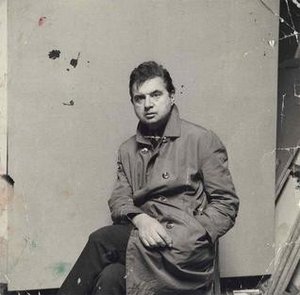
फ्रांसिस बेकन
1909 - 1992 , आयरलैंड
प्रमुख तथ्य
- Artistic Movement Or Style: अभिव्यक्तिवाद, घनवाद, अतियथार्थवाद
- Artists Who Influenced This Artist:
- पिकासो
- मैथियास ग्रुनेवाल्ड
- रेम्ब्रैंड
- वेलज़क्वज़
- सर्गेई आइज़ेंस्टीन
- एडवर्ड मुयब्रिज
- Date Of Birth: 1909
- Date Of Death: 1992
- Full Name: फ्रांसिस बेकन
- Nationality: आयरिश
- Notable Artworks:
- थ्री स्टडीज फॉर फिगर्स एट द बेस ऑफ अ क्रुसिफिक्शन
- डॉग
- स्टडी फॉर अ पोर्ट्रेट
- Place Of Birth: डबलिन, आयरलैंड
संबंधित लेख

The Enduring Legacy of Printmaking: Techniques, Themes & Artistic Innovation Across Centuries
Explore the rich history of printmaking with AllPaintingsStore. Discover techniques from intaglio to lithography, learn about collecting valuable prints & find museum-quality reproductions. Expert insights for art enthusiasts and collectors.

The Enduring Legacy of Fine Art Prints: Technique, History & Aesthetic Impact
Explore the rich history & techniques of fine art prints. Discover investment potential, assess authenticity, and learn how to preserve your collection with expert guidance. Trusted insights for discerning collectors.

Echoes of Time: Exploring the Enduring Appeal & Historical Context of Vintage Art Prints
Explore the captivating world of vintage art prints! Discover their history, collecting tips & enduring appeal. Expert insights on chromolithography and building a legacy collection with AllPaintingsStore.

फ्रांसिस बेकन की शीर्ष 25 कलाकृतियाँ: गहन भावनाओं और आधुनिक कला का सफर
फ्रांसिस बेकन की शीर्ष 25 कलाकृतियों का अन्वेषण करें! आधुनिक कला, अभिव्यक्तिवाद और मानव भावनाओं के गहन सफर पर निकलें। उच्च गुणवत्ता वाले कला पुनरुत्पादन और घर की सजावट के लिए AllPaintingsStore.com पर खोजें।

Giclée Prints: Archival Quality & Aesthetic Nuances for the Discerning Collector
Explore the world of giclée prints with AllPaintingsStore. Learn about archival quality, aesthetic nuances & investment potential. Expert guidance for discerning art collectors seeking museum-quality reproductions and lasting value.


